Singapore Airlines (SQ), Singapore’s national carrier, has increased the number of female pilots in its ranks by 25% over the past five years, according to data reported by The Straits Times.
Despite the headline increase, the absolute numbers reveal a starker picture. According to SIA Group’s FY2023–2024 Sustainability Report, women account for just 61 of the group’s 3,245 pilots — a share of 1.9%. The 25% increase over five years translates to a still-small cohort in a workforce dominated overwhelmingly by men.
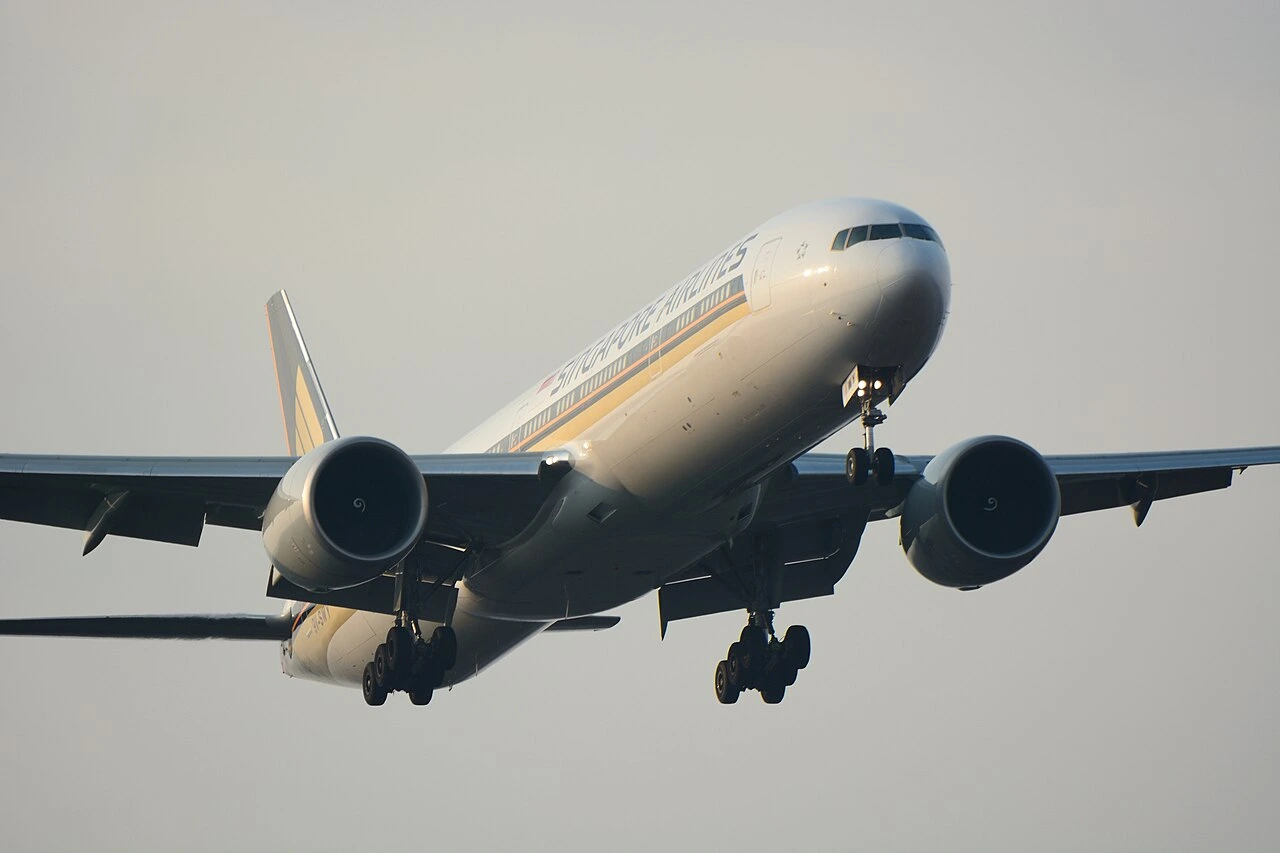
Singapore Airlines Started Hiring Female Pilots in 2016
For much of its history, Singapore Airlines did not accept women into its cadet pilot programme. The airline began accepting female cadet pilots only in April 2016, when it recruited two women into its training intake. At the time, SIA spokesman Nicholas Ionides told The Straits Times that “we will recruit whoever is the most qualified”.
Before this milestone, women who wanted to fly commercially in Singapore often had to take alternative routes. Some, like Scoot Captain Vanessa Khaw, entered aviation via the cabin crew before self-funding flight training. Others, like Jetstar Asia (3K) Senior First Officer Lim Wen Shan, served in the Republic of Singapore Air Force (RSAF) before transitioning to commercial aviation in 2019. SIA’s subsidiaries SilkAir and Scoot had already employed female pilots before the parent carrier made its move.
Singapore’s Slow but Consistent Rise in Female Pilot Representation
The SIA Group’s own sustainability disclosures show a consistent — if gradual — upward trend in female pilot representation across recent reporting years:
- FY2021–2022: Women represented 1.4% of the pilot workforce
- FY2022–2023: The share rose to 1.6%
- FY2023–2024: The share reached 1.9%, or 61 women out of 3,245 pilots
This trajectory corresponds with the five-year window cited in the 25% increase figure. The growth is consistent across both SIA and Scoot.
The percentage change is real, but the low baseline means the absolute gains are modest. Going from 49 female pilots to 61 over five years, for instance, would represent a 25% increase while still leaving women a small minority in the cockpit.
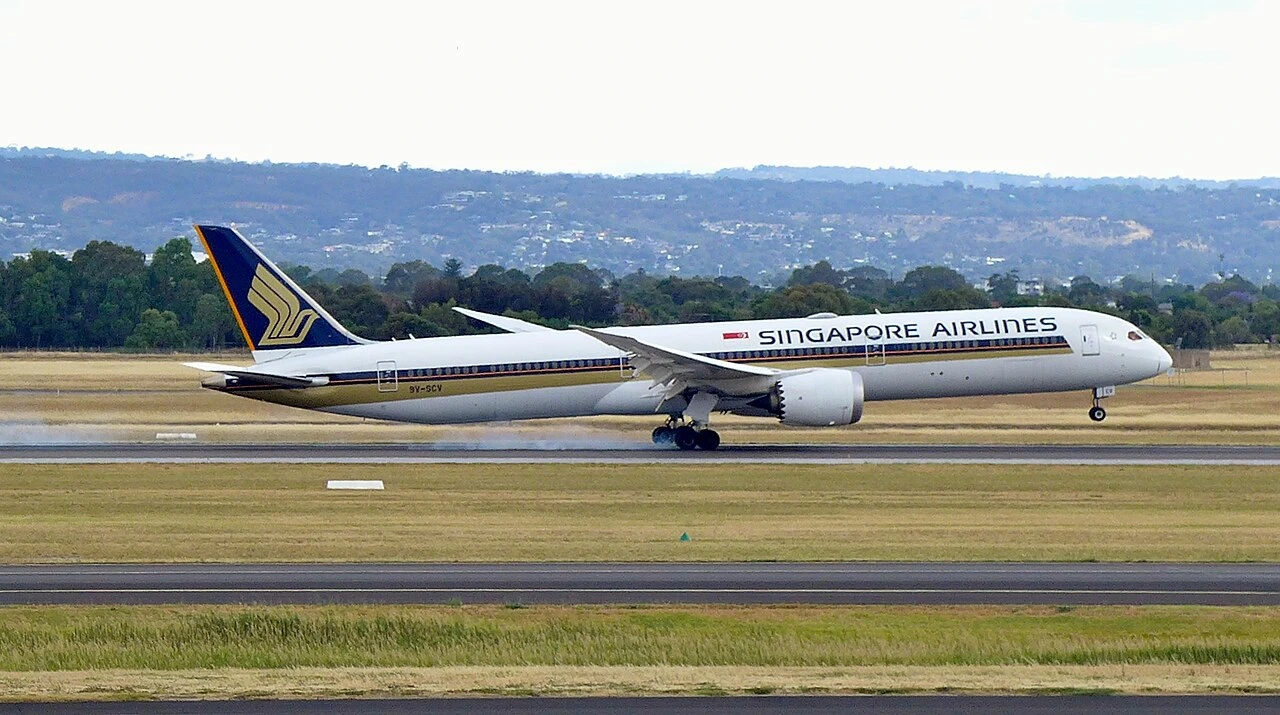
How Does SIA Compare to the Rest of the World?
Singapore’s 1.9% female pilot representation lags behind several peer markets and comparable carriers:
- India: 14.4% of commercial pilots are women, according to national civil aviation statistics for 2022–2023, ranking it among the highest globally
- Australia (Qantas): Approximately 7.5% of pilots at the national carrier are women
- Jetstar Asia: Around 2% of its 128 pilots are women
- Global average (IATA): Women represent 6.2% of pilots globally, with Europe posting the highest regional share at 7%
- United States: The share of active pilot licenses held by women rose from 6.6% in 2013 to 10.3% in 2023, according to IATA data
India’s outsized representation reflects specific policy conditions. The Directorate General of Civil Aviation (DGCA) has actively promoted gender diversity in aviation, and women accounted for nearly 18% of the 1,622 commercial pilot licenses issued in India in 2023 — a 22% increase year-on-year.
SIA’s 1.9% puts it well below not just India but also the global commercial aviation average. On a global basis, women make up 41.6% of the aviation workforce overall — but flight deck roles remain the most gender-skewed segment of the industry.
The Pilots Behind the Statistics: Khaw and Lim
Two profiles published by The Straits Times and widely reported illustrate what progress looks like at a human scale.
Captain Vanessa Khaw joined Singapore Airlines as a cabin crew member in 2004. After three and a half years as a flight attendant, she quit to pursue flight training. She funded her education through personal savings and family loans, training at Singapore Flying College, and earned her commercial pilot license in 2009. She joined Tigerair in 2010 before transitioning to Scoot when the two carriers merged. Today, she flies Airbus A320 and A321 aircraft and serves as a flight instructor — one of the more senior roles in a pilot’s career progression.
Captain Khaw’s path illustrates a shift in how female pilots regard their own identity in the industry. In reporting by Asia News Network, she noted that she no longer thinks of herself as a “female pilot” — she is simply a pilot. “Whether you’re male or female, you still have to meet the standards,” she said. On International Women’s Day, 8 March 2025, she operated a flight from Singapore to Chiang Mai where all key personnel — from pilots to cabin crew, immigration officers, and security staff — were women.
Senior First Officer Lim Wen Shan took a different route. She flew C-130 military transport aircraft for the Republic of Singapore Air Force for 14 years before transitioning to commercial aviation in 2019. With an RSAF retirement age of 50, she converted her military license to a commercial one in the United States and now flies Airbus A320 aircraft with Jetstar Asia. In December 2024, nearly 20 years after earning her wings, she flew her mother on a commercial flight she operated — something her military role never permitted.

The Global Context: IATA’s 25by2025 Initiative
SIA’s progress on female pilots aligns with — and partly reflects — a broader industry-wide effort. In 2019, the International Air Transport Association (IATA) launched its 25by2025 initiative, asking member organisations to increase female representation by 25%, or to a minimum 25% share, across senior roles and historically male-dominated areas by 2025.
By 2024, the initiative had attracted 216 participating organisations. Women accounted for 41.6% of the global aviation workforce across IATA’s 142 reporting signatories. However, the flight deck remains the least diverse segment. Globally, women represent just 6.2% of commercial pilots, and even this figure masks significant regional variation.
The structural solution IATA and independent researchers converge on is a package of measures:
- Scholarships and funding pathways to lower the financial barrier to flight training
- Targeted cadet outreach programmes aimed at young women, particularly at the secondary school level
- Mentorship structures connecting aspiring female pilots with women already working in the sector
- Flexible rostering options that better accommodate caregiving responsibilities
- Visibility campaigns that normalise women in command roles across media and public life
IATA noted in its 2024 gender report that when the 25by2025 initiative launched in 2019, only three IATA member airlines had female CEOs, and it was estimated that just 19% of senior roles were held by women. By 2022, that share had risen to 28%, with 28 female CEOs across the sector. IATA’s airlines that have signed the pledge added 1,000 new women pilots in 2022 alone.
Singapore Airlines has not been identified in public reporting as a formal 25by2025 signatory, but the data it discloses in its own sustainability reporting closely mirrors the metrics the initiative tracks.

.jpg)

.jpg)
.jpg)
_@_MAN,_May_2017.jpg)