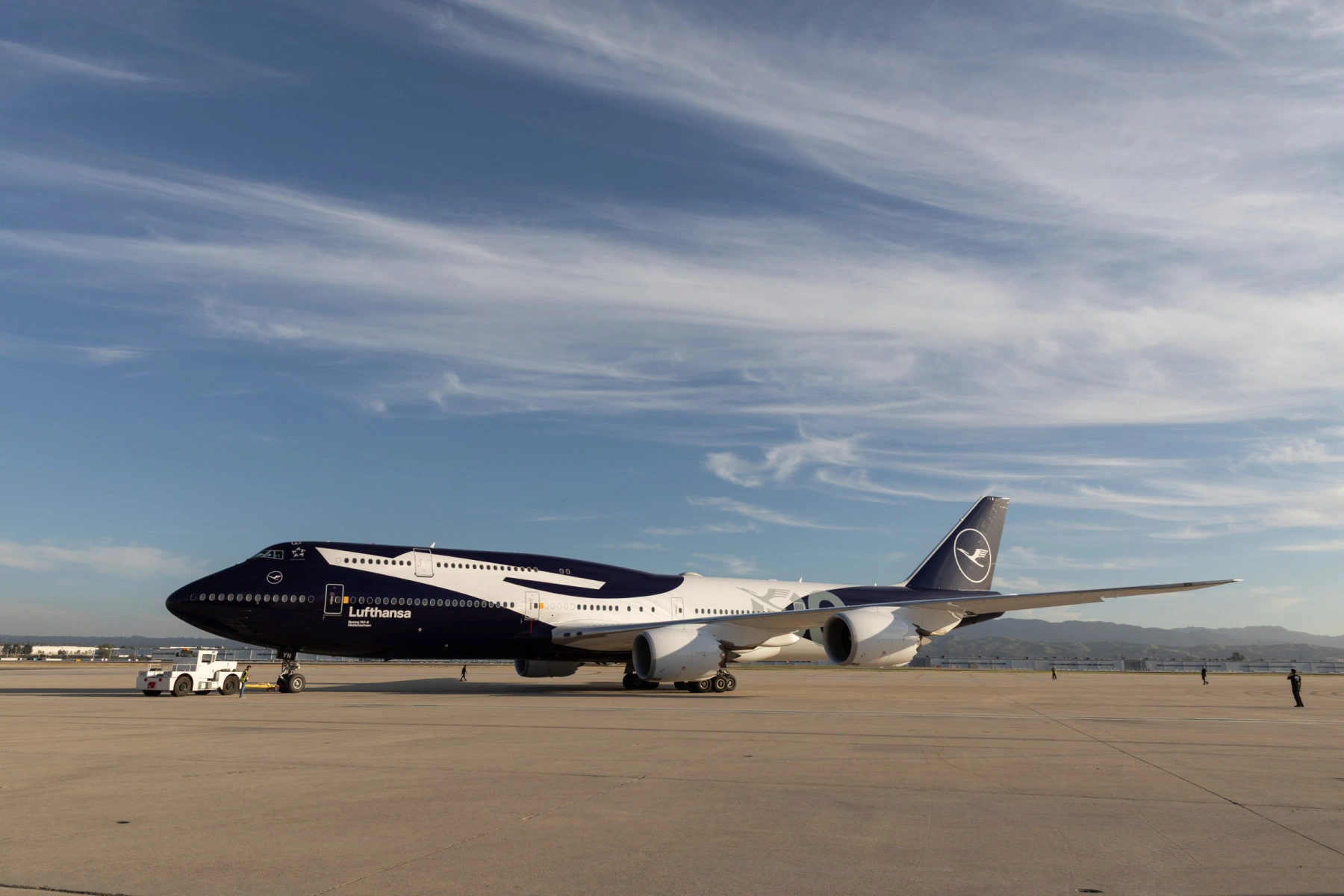
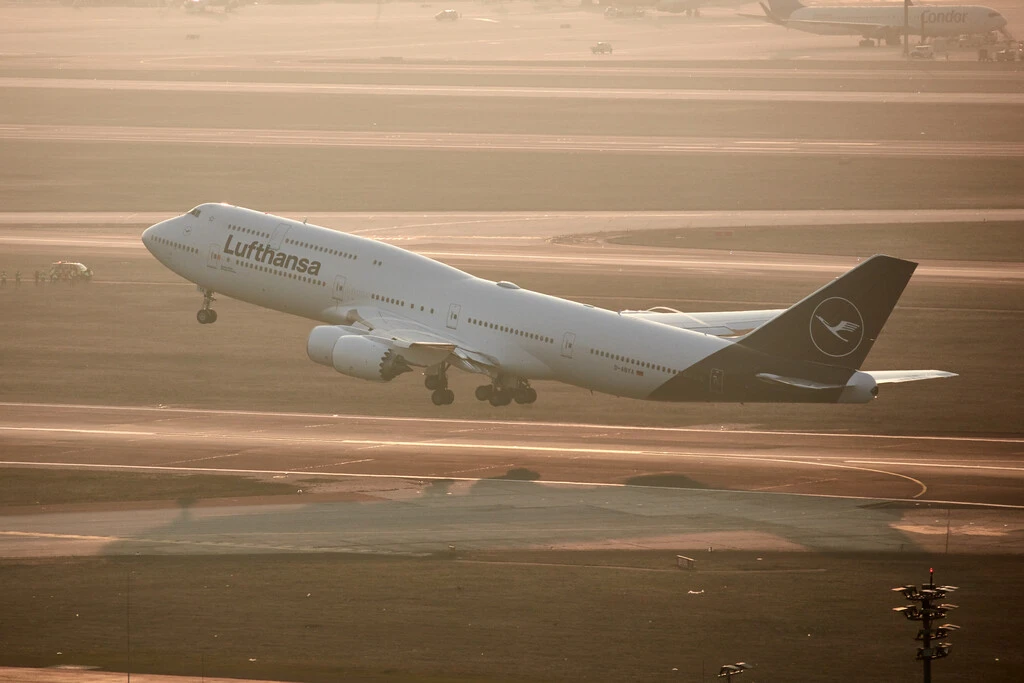
Lufthansa (LH) experienced back-to-back emergency diversions involving two Boeing 747-8 widebody aircraft on June 26 and 27, 2026. Both jets departed Frankfurt Airport (FRA) bound for the United States and were forced to return shortly after takeoff without jettisoning fuel, resulting in overweight landings. Neither aircraft made it to its destination that day, and both flights were subsequently cancelled, as confirmed by Flightradar24 status updates.
The two incidents unfolded within approximately 24 hours of each other, according to Simple Flying. On Friday, June 26, flight LH418, bound for Washington Dulles International Airport (IAD), diverted to Cologne Bonn Airport (CGN) after a medical emergency onboard. The following day, June 27, flight LH402, scheduled for Newark Liberty International Airport (EWR), New York, returned to Frankfurt after the crew detected a burning brake smell approximately 20 minutes after departure.
Two Different Emergencies, One Shared Outcome
The circumstances that triggered the two diversions were distinct. LH418 on June 26 was forced back by a medical emergency that occurred after take-off. A passenger on the Reddit forum r/flightradar24, who was on board and tracked the flight in real time, wrote: “Baby had a medical emergency. He looks quite happy and lively now, so he should be fine. However, we made an overweight landing without dumping fuel, so they need to inspect the gear.” Very little additional detail about the exact nature of the medical event has been publicly disclosed.
LH402 on June 27 presented a different and more immediately dangerous scenario. The crew reported a burning smell in the aircraft 20 minutes after departure from Frankfurt, according to the aviation social media account Turbine Traveler, who posted video of the aircraft surrounded by fire trucks at FRA after its return. The smell of burning or smoke aboard an aircraft is one of the most time-critical emergencies in aviation, as it raises the immediate risk of an onboard fire. In both cases, the crew elected to land without first dumping fuel.
The two aircraft landed at different airports. LH418 touched down at Cologne Bonn Airport, while LH402 returned directly to Frankfurt Airport. Both required post-landing inspections, and both flights were cancelled as a result of the maintenance work required. According to Simple Flying, replacing overheated brakes, melted tyres, and potentially damaged brake lines is considered routine maintenance, though it costs thousands of dollars and typically takes several days.
Why Both Crews Chose to Land Overweight Without Dumping Fuel
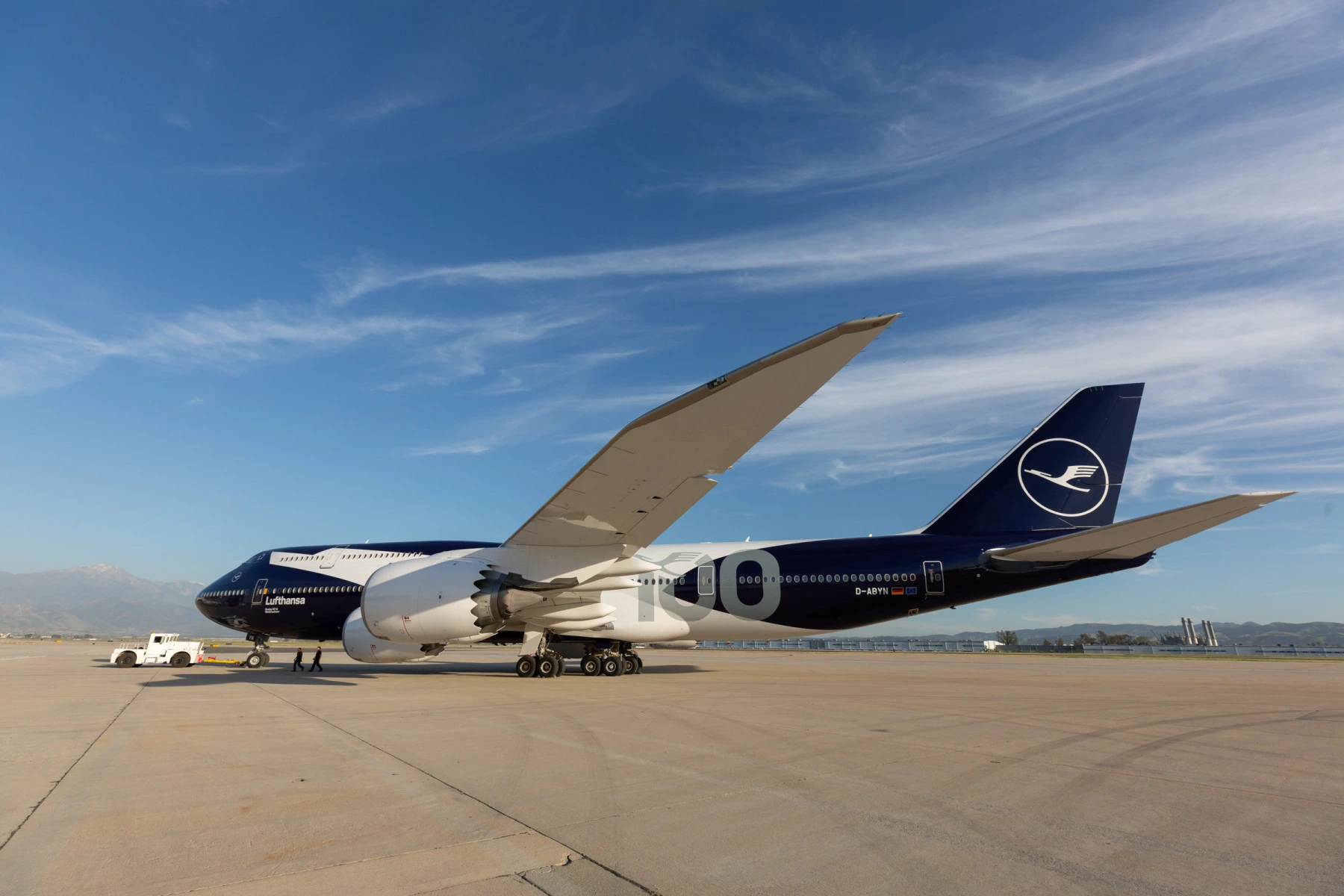
Commercial aircraft have two distinct weight limits: a maximum take-off weight and a lower maximum landing weight. Long-haul widebody jets like the Boeing 747-8 carry hundreds of tonnes of fuel for transatlantic crossings, meaning they depart far heavier than they are designed to land. When a pilot needs to return shortly after take-off, the options are to burn off fuel by circling, to dump it via the jettison system, or to land overweight in an emergency.
The Boeing 747 is equipped with a fuel jettison system. As a rule of thumb cited in aviation literature, pilots either quote dump rates of one to two tonnes per minute or use a thumb formula of dump time equalling the dump weight in tonnes divided by two, plus five minutes. Safely dumping the fuel of a fully loaded 747 before landing could therefore take 20 to 30 minutes and requires climbing to a designated altitude and orbiting over unpopulated areas or water.
For both LH402 and LH418, the emergencies left no practical window for that procedure:
- LH418 (medical emergency): In severe medical cases, every minute can be the difference between survival and death. Spending 20 to 30 minutes dumping fuel while a passenger or infant is in acute distress is not a viable option.
- LH402 (burning brake smell): A potential fire risk is one of the most time-critical emergencies in commercial aviation. Spending additional time airborne to dump fuel creates a larger window for a spark to become a flame.
Aviation safety database SKYbrary confirms that overweight landings are a recognised and accepted procedure in emergency situations. The aircraft is engineered to withstand the extra structural stress. The kinetic energy of the heavier landing is absorbed primarily by the carbon brake discs and tyres — consumable components that are inspected and replaced as part of the mandatory post-landing inspection.
What Happens After an Overweight Landing?
An overweight landing triggers an extensive maintenance review, regardless of how smooth it was. Flightradar24’s aviation explainer series describes the key areas that technicians examine:
- Landing gear: Checked for structural weakness, shock absorber damage, and hydraulic leaks
- Tyres and brakes: Inspected for melting, tears, excessive wear, and pad degradation
- Structural integrity: Fuselage and wings are examined for stress fractures or deformation at the wing roots and attachment points
- Engine mounts: Checked for abnormalities if maximum reverse thrust was deployed during deceleration
Fire crews typically attend overweight landings as a precaution, as overheated brakes can produce enough residual heat to start a fire even after the aircraft has stopped. Turbine Traveler’s video of LH402 at Frankfurt shows multiple fire trucks positioned around the aircraft — standard procedure following a fully fuelled emergency return.
SKYbrary’s overweight landing guidance notes that a special inspection is required after any such event, and that additional maintenance or repair may be necessary depending on findings. In the case of both Lufthansa 747s, the inspection requirements meant that neither aircraft could be turned around quickly enough to operate its scheduled departure.