India’s state-run aerospace giant Hindustan Aeronautics Ltd (HAL) -which is the manufacturer of Tejas (the aircraft type that crashed in the Dubai Air Show last year) – and Russia’s United Aircraft Corporation (UAC) have formalized a landmark agreement for licensed production of the Sukhoi Superjet 100 (SJ-100) civil aircraft in India, signaling a major expansion of bilateral aerospace cooperation.

The pact was signed on the sidelines of the Wings India 2026 exhibition in Hyderabad’s Rajiv Gandhi International Airport (HYD), bringing civil aircraft manufacturing to the forefront of India’s aviation ambitions. The broader implications are the renewed discussions over the possible co-production of Russia’s fifth-generation Su-57 ‘Felon’ fighter jet in India as a stopgap interim capability for the Indian Air Force (IAF).
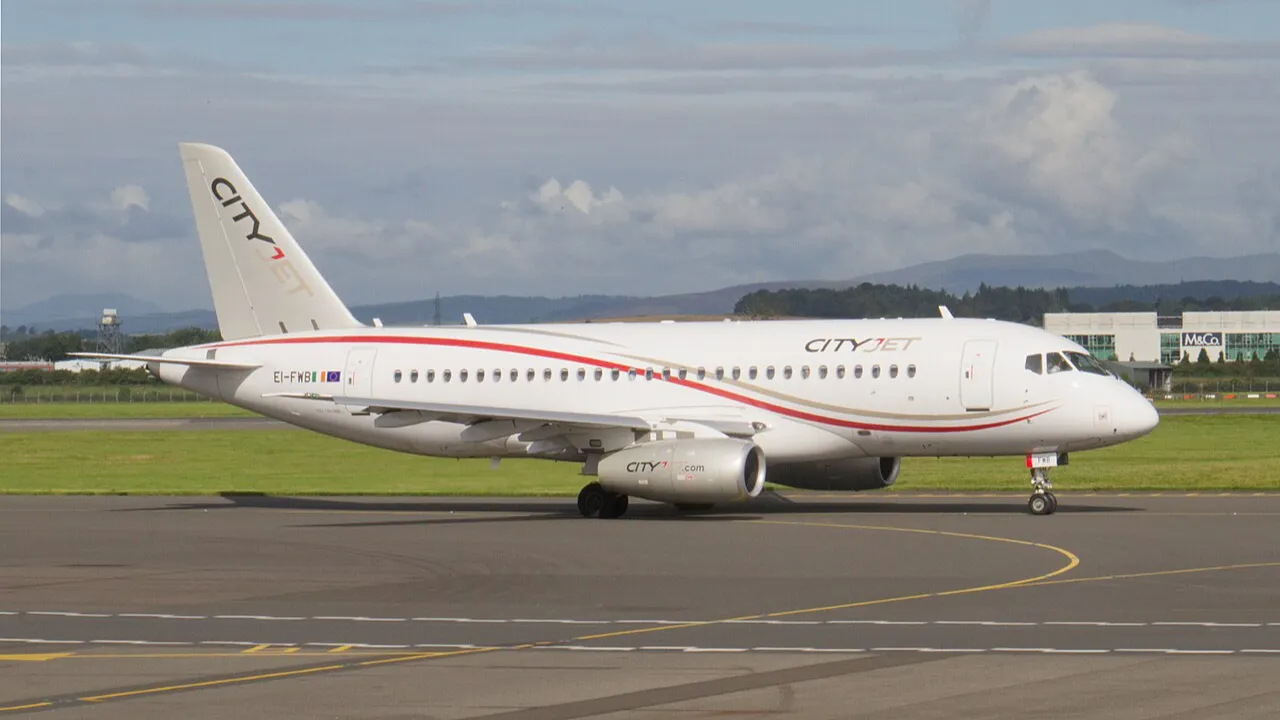
SJ-100 Production in India
Under the MoU, HAL will not only manufacture the Superjet 100 but also obtain a license to sell the aircraft domestically, as well as produce components and spares critical for maintenance and overhaul. UAC will support HAL by re-equipping manufacturing facilities and providing specialist design services.
The agreement also establishes the framework for licensed production of the SJ-100 in India. UAC will support HAL in preparing and upgrading its manufacturing facilities through technical consultations, design assistance and specialist personnel, while the two companies work toward a broader agreement covering the project’s roadmap, timelines, financial arrangements and division of responsibilities.
UAC was also quoted in Eurasian Times as having remarked that the agreement “marks an important step toward concluding a general agreement, which will outline the roadmap, timeframe, financial indicators, and a detailed breakdown of the respective workloads of the parties”.
The SJ-100 is a twin-engine, narrow-body regional aircraft built for short-haul operations and is in service with more than 16 airlines worldwide. The aircraft has a production tally exceeding 200 units.
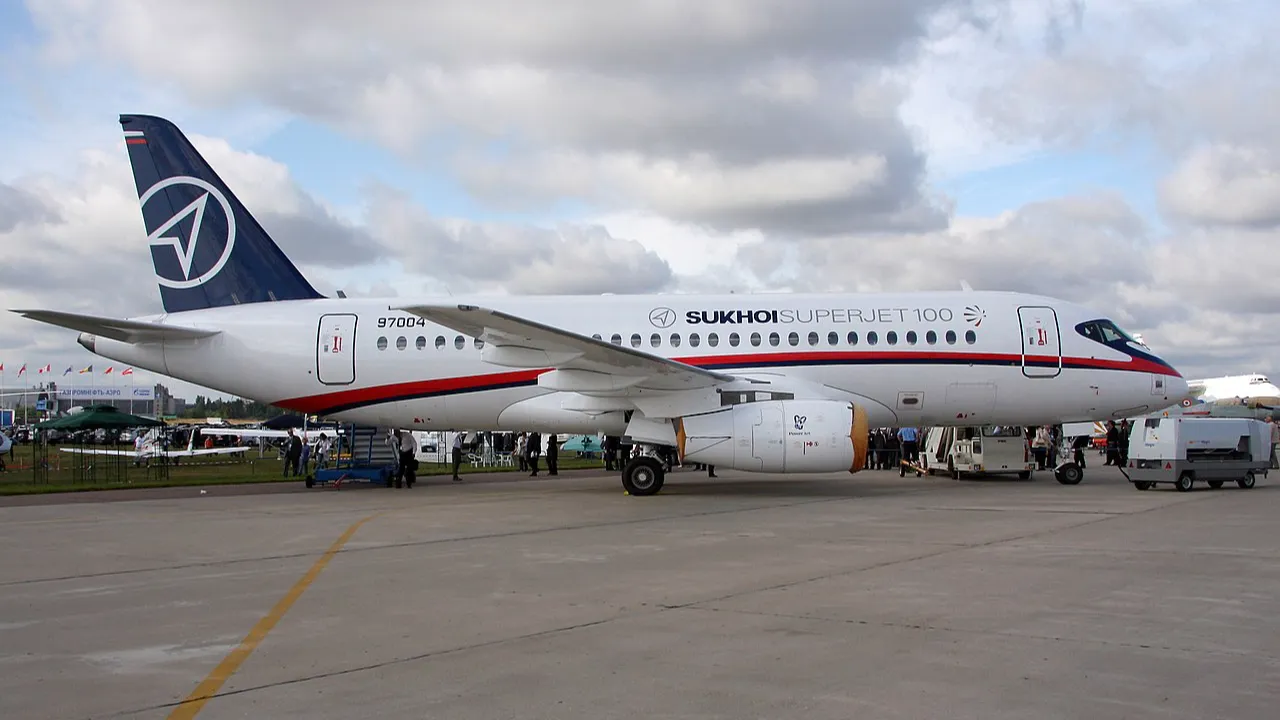
The news of the production of SJ-100 in India comes months after Airbus Helicopters and Tata Advanced Systems Limited (TASL) announced that Airbus H125, the aircraft that landed at the top of Everest, would be manufactured in India.
The agreement of developing SJ-100 marks the first instance in which a fully assembled passenger aircraft will be manufactured in India in decades. The last comparable effort was HAL’s licensed production of the AVRO HS748, a programme that began in 1961 and concluded in 1988.
Under that arrangement, HAL produced a total of 89 HS748 aircraft:
-
72 were delivered to the Indian Air Force
-
17 entered service with the national carrier, Indian Airlines
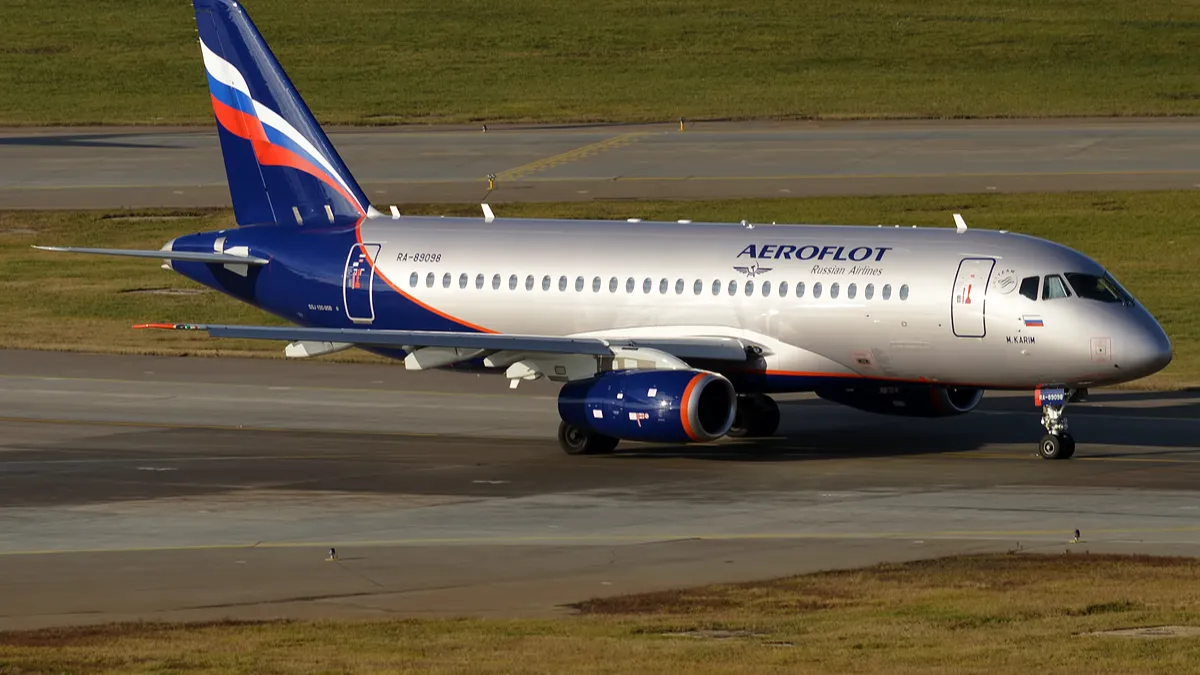
At present, India remains almost entirely dependent on Boeing and Airbus for its commercial fleets. Establishing domestic passenger jet manufacturing could therefore help conserve billions of dollars in foreign exchange while strengthening local aerospace capabilities.
Alongside civil collaboration, India and Russia are reported to be in advanced technical talks regarding the potential co-production of the Sukhoi Su-57 Felon fifth-generation fighter. The discussions focus on leveraging existing HAL infrastructure, including facilities used for Su-30MKI production
According to the EurAsian Times, UAC CEO Vadim Badekha told Russian reporters in Hyderabad that India and Russia had entered an advanced stage of technical consultations over a potential agreement to produce Su-57 fighter jets in India.
Badekha indicated that the negotiations were extensive because an agreement of this scale could shape Russian-Indian aerospace cooperation for decades. He added that both sides were continuing detailed technical discussions before finalizing the terms of the proposed contract.

HAL Facilities Supporting Sukhoi Fighter Programs
| HAL Division / Facility | Location | Primary Role |
|---|---|---|
| Nashik Division | Nashik, Maharashtra | Final assembly line for Su-30MKI fighter aircraft |
| Koraput Division | Koraput, Odisha | Licensed production and overhaul of AL-31FP turbofan engines |
| Kasaragod Facility | Kasaragod, Kerala | Manufacturing of avionics components for Sukhoi fighter jets |
Where the Su-57 Talks Stand
The Su-57 question remained unresolved for most of 2026, with HAL consistently framing the decision as one for New Delhi’s political leadership rather than its own. HAL’s chairman, D.K. Sunil, confirmed in April that a Russian technical team had already assessed the company’s plants and found that roughly half of HAL’s existing facilities could be repurposed for Su-57 production, though new investment would still be required.
By May, HAL’s newly appointed chairman, Ravi Kota, put the matter plainly on an earnings call: accepting Russia’s offer was “the government’s call,” not a decision HAL could make on its own. The talks resurfaced again in September, when the Su-57 reportedly featured alongside Russia’s S-500 missile defense system as part of a broader defense package discussed between Prime Minister Narendra Modi and President Vladimir Putin at the SCO Summit.
For now, India appears to be keeping the option open without committing to it, treating the Su-57 as a hedge against delays in its own indigenous fifth-generation fighter program rather than a settled purchase.

_over_Italy.jpg)
.jpg)
.jpg)
_(2).jpg)
.jpg)
