American Airlines (AA) has taken an Airbus A319 out of its operational fleet after the aircraft’s wing made contact with a de-icing truck during winter weather ground operations at O’Hare International Airport (ORD), Chicago, Illinois, Simple Flying reported. The mishap, which caused visible structural damage, resulted in the immediate grounding of the aircraft pending a comprehensive maintenance inspection and safety clearance.
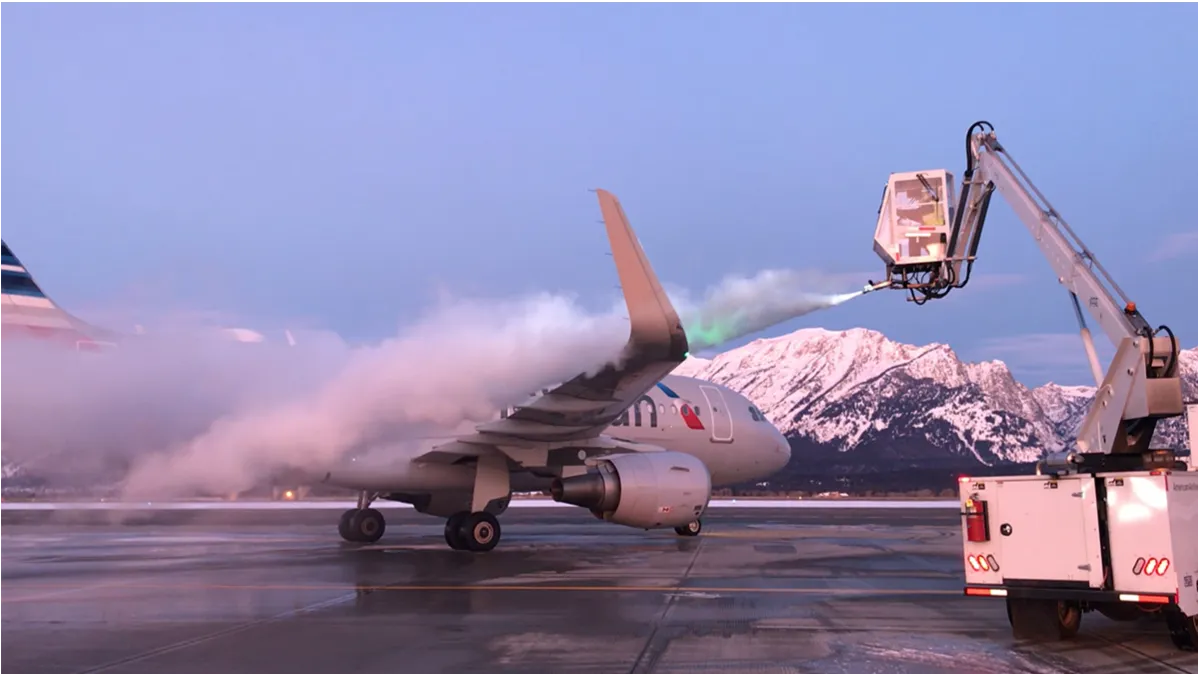
The incident occurred amid standard de-icing procedures – a critical safety process during wintry weather – when the aircraft’s wingtip made contact with ground equipment during pushback from the gate. NBC Chicago reported about the incident first. No injuries were reported, but airline and airport officials have begun internal and regulatory reviews to determine causative factors and safety implications.
Details of American Airlines’ ORD Aircraft and Incident
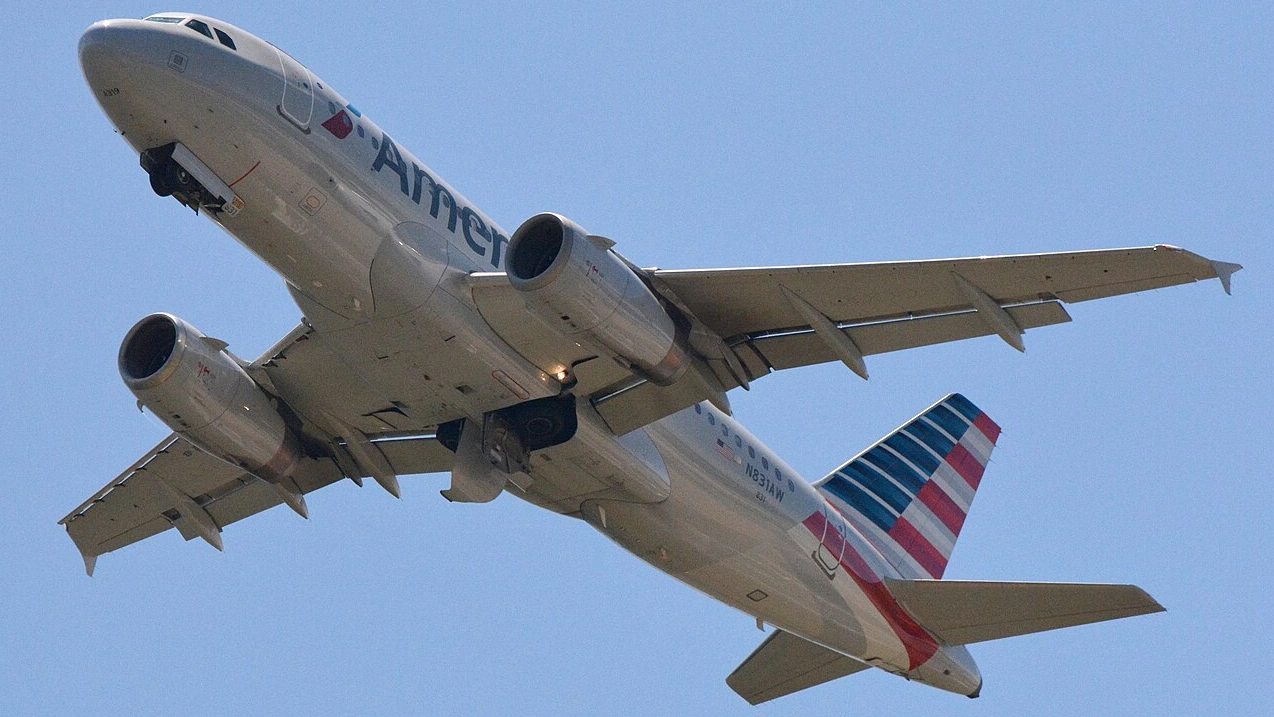
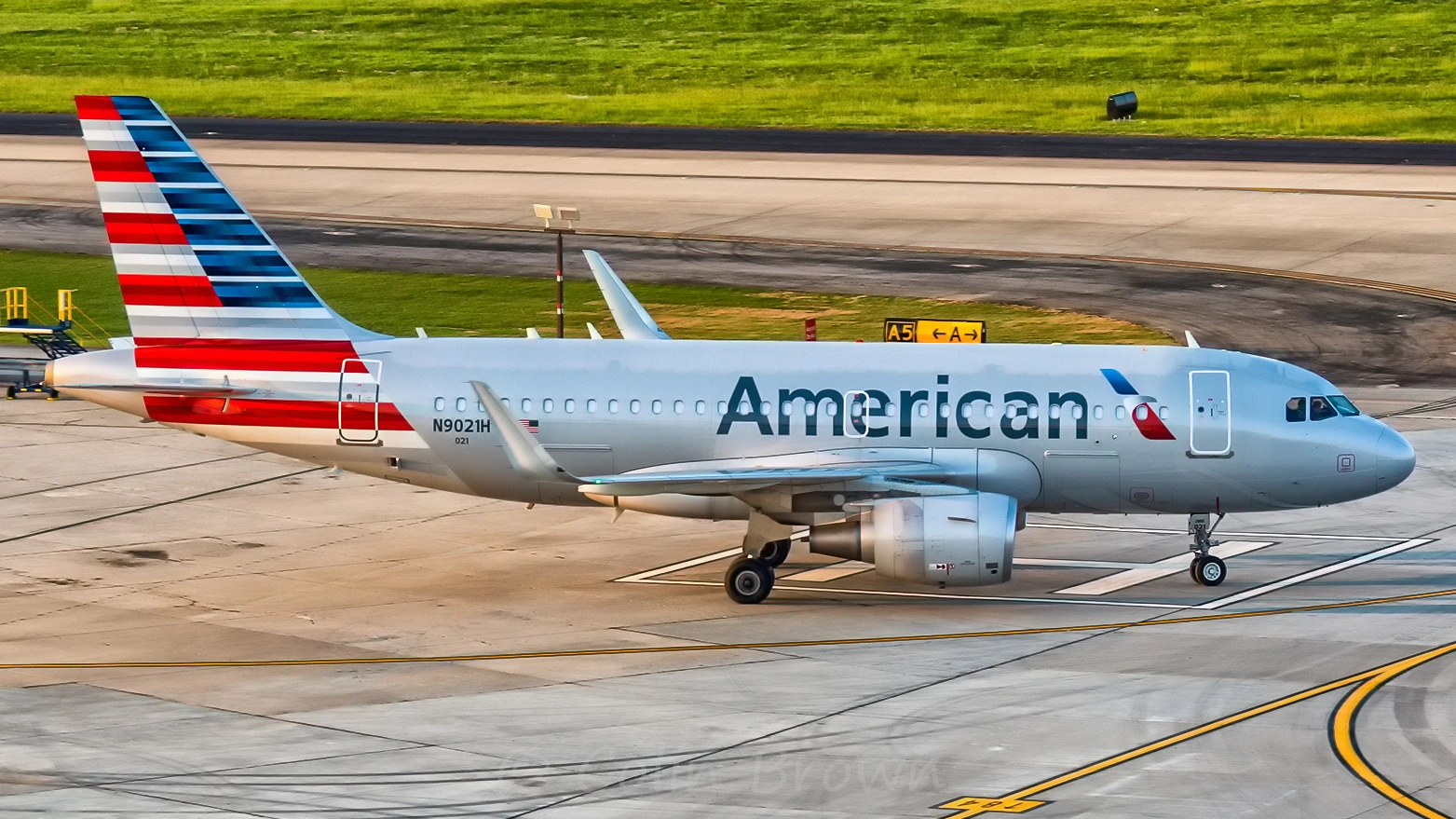
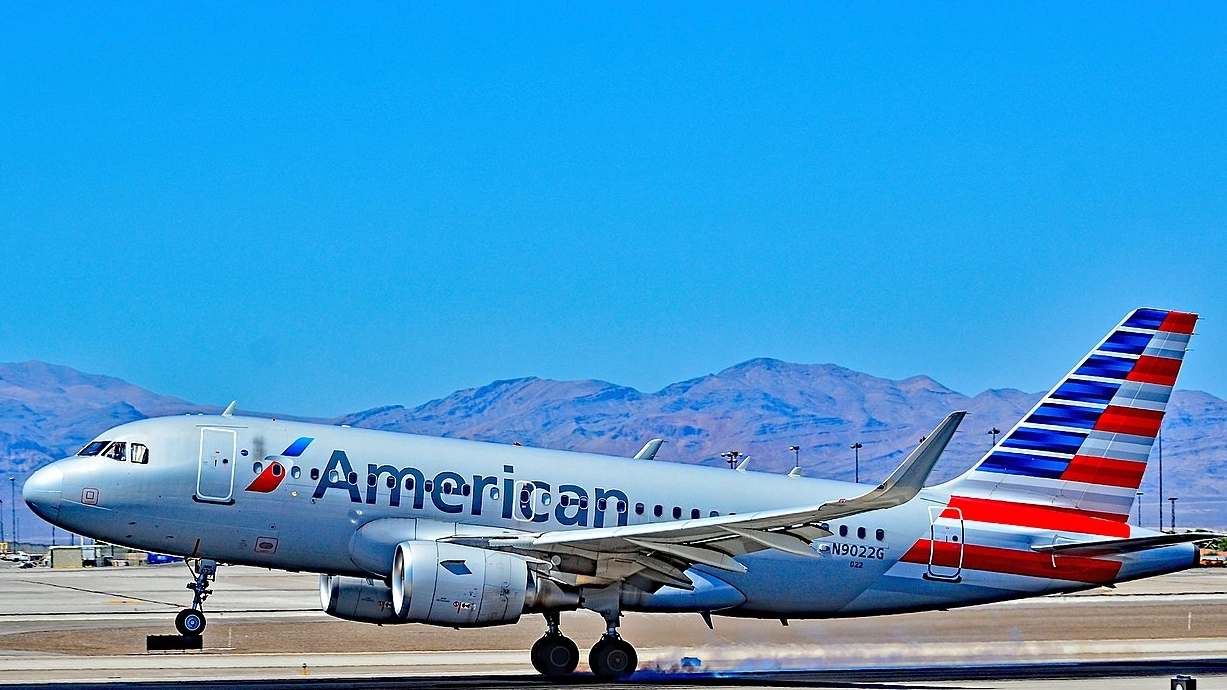
The aircraft involved was a 12-year-old Airbus A319-115, a member of the Airbus A320 family of narrow-body jets widely used for short- and medium-haul flights. Here are the details of the aircraft:
-
Aircraft type: Airbus A319-115
-
Registration: N9013A
-
Age: 12.3 years (per ch-aviation)
-
First test flight: October 4, 2013
-
Initial registration: D-AVXM (Airbus test registration, Germany)
-
Delivery to American Airlines: November 6, 2013
-
Current operator: American Airlines
-
Passenger capacity: 128 passengers total
-
Domestic Class: 8 seats
-
Main Cabin: 120 seats
-
Passengers had already boarded the aircraft with the aforementioned details in American Airlines flight AA2121 on Friday and were preparing for the roughly two-hour journey from Chicago to Boston.
As the aircraft was maneuvering on the ground, it struck a de-icing truck, resulting in damage to the airframe. Those onboard remained seated for nearly two hours before airline staff opted to substitute the aircraft and operate the service using a different jet.
One has to note that O’Hare serves as American Airlines’ largest and most active de‑icing hub, with planes undergoing between 6,000 and 10,000 de‑icing procedures each season, depending on winter conditions. Over the six-month de‑icing period, roughly 500,000 gallons of glycol are used to ensure aircraft safety.
The contact with the de-icing truck occurred during the final moments of the de-icing process as the aircraft began pushing back from Gate K8 at O’Hare International Airport, striking the vehicle while reversing from the stand.
A spokesperson of the carrier was quoted in NBC Chicago as having said:
“The aircraft was taken out of service to be inspected by our maintenance team and the flight will depart shortly on a replacement aircraft….Safety is our top priority and we apologize to our customers for their experience.”
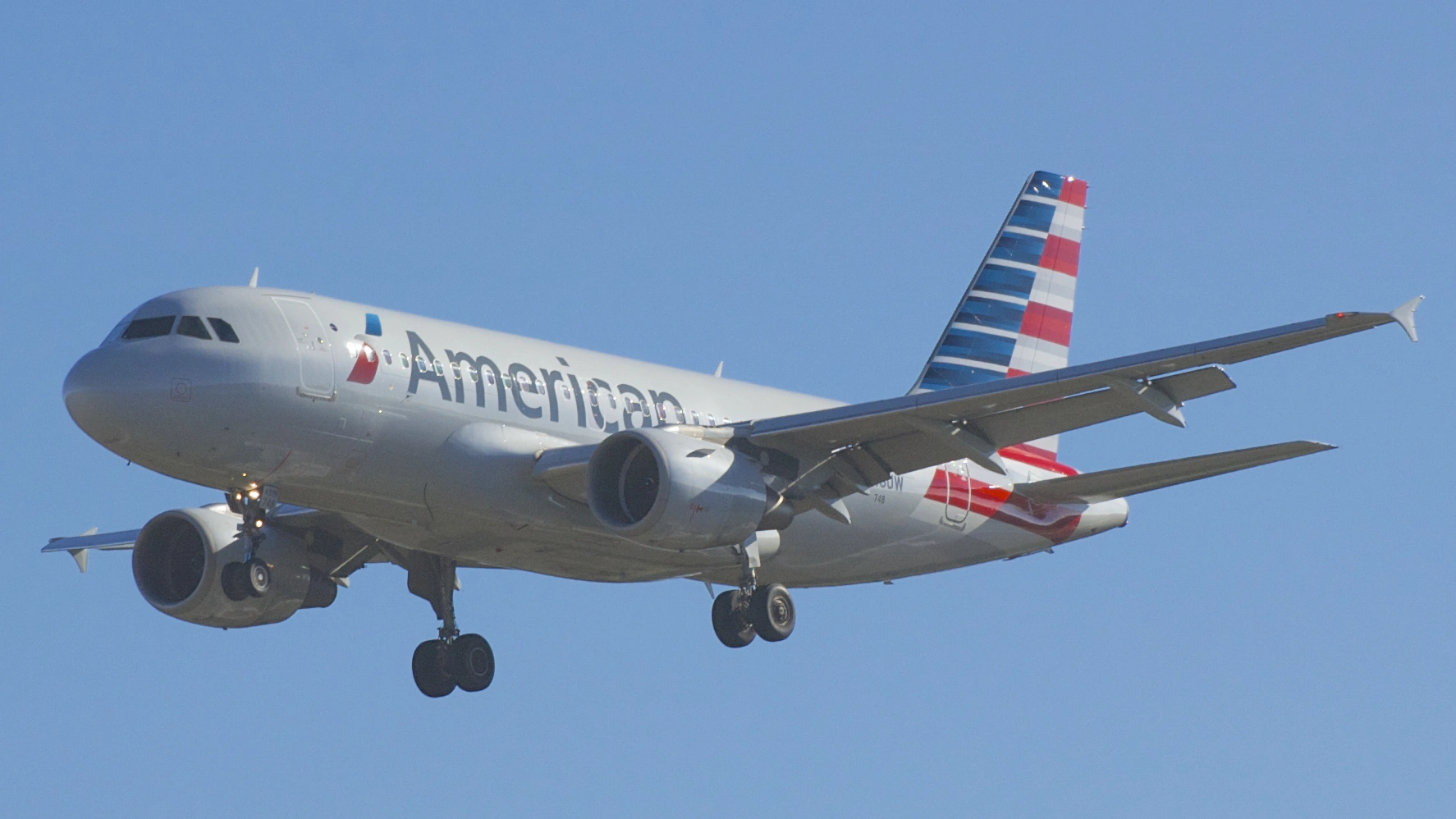
The A319 involved in the incident was notable for being one of American Airlines’ domestic short-haul jets equipped with seatback screens, which are set to be phased out, with the first-class cabin expanded in their place. Passengers will then access in-flight entertainment through the American Airlines app on their own devices rather than the built-in screens.

A Departure Followed Seven Hours Later
The flight to Boston was supposed to leave at 1:25 pm but after the incident, passengers were deplaned. They were moved to a replacement Airbus A321-200. The plane finally took off at 8:16 pm. Simple Flying quoted the data of Flightradar24 and said that it was expected to touch down around 11:22 pm.
All in All
De-icing is a critical flight safety procedure conducted before departure during icy or snowy conditions. According to the American Airlines’ official guidance, this process involves applying heated glycol-based fluids to remove and prevent ice and snow accretion on wings, control surfaces, and critical aerodynamic areas.
-
Type I fluid is typically heated and sprayed to remove ice.
-
Type IV fluid is thicker and applied to protect surfaces from further contamination after initial de-icing.
In the U.S., the Federal Aviation Administration (FAA) mandates that aircraft be free of frost, ice, or snow prior to takeoff, as this impacts lift and control surface functionality. The FAA also works with “airports to make sure runways, taxiways and ramps are cleared of snow and ice, and that aircraft are sprayed with deicing fluid to remove and prevent ice buildup“.


.jpg)
.jpg)