Singapore Airlines (SQ), the flag carrier of Singapore operating from Singapore Changi Airport (SIN), has quietly amended its advance seat selection policy for Business Class, effective 25 May 2026. The change blocks passengers on Business Lite fares and KrisFlyer Saver and Advantage Award redemptions from pre-selecting the forward rows of the cabin, while reserving unrestricted access for those on Standard and Flexi fares, Access Award redemptions, and PPS Club members.
The development arrives at a particularly fraught moment for the carrier’s premium product narrative. Singapore Airlines is already navigating a widely-reported delay to its S$1.1 billion Airbus A350-900 cabin retrofit programme — a project that would introduce new Business Class and First-Class seats across 41 aircraft — with the first retrofitted aircraft now pushed to Q1 2027 rather than the originally targeted Q2 2026.
What Singapore Airlines Changed, And When It Changed
Until 24 May 2026, the seat selection page on singaporeair.com carried a categorical assurance for Business Class passengers: “You’ll enjoy complimentary seat selection at any time.” From 25 May 2026, that text was replaced with the following: “Business Class seat selection depends on the fare type and membership status. Some fare types allow selection of any available seat, while others may be limited to certain seats at the time of booking.”
The amendment was not announced via press release. The change surfaced through passenger-reported observations on a Reddit thread circulating since the weekend prior, and was subsequently corroborated by Mainly Miles, which documented the new booking-flow restrictions on 25 May 2026. Singapore Airlines did not issue any advance notification to affected passengers, nor did it communicate the change to loyalty programme members through its official KrisFlyer channels.
Which Fares and Award Types Are Affected
The new policy draws a clear line between fare and award categories, with consequences that are meaningful in practice. The breakdown, as documented in the live booking flow, is as follows:
Fares and awards with full advance seat selection:
- Business Standard
- Business Flexi
- Access Award (KrisFlyer’s highest-mileage redemption tier, introduced in November 2025)
Fares and awards with restricted advance seat selection:
- Business Lite (the cheapest cash fare in Business Class)
- Saver Award (the lowest KrisFlyer mileage redemption tier)
- Advantage Award (the mid-tier KrisFlyer mileage redemption tier)
Saver and Advantage Awards represent the two tiers that most loyalty travel advisors recommend, given their competitive mileage rates relative to the Access Award, which KrisFlyer introduced in November 2025 at a substantial mileage premium.
Aircraft-By-Aircraft Breakdown of the Restriction
The practical impact of the new policy is not uniform across Singapore Airlines’ fleet. The restriction is implemented differently depending on the aircraft type, with rear rows generally remaining open and forward rows blocked. The specific effect by aircraft type is as follows:
Airbus A350 Medium Haul:
- Only the final two rows of the Business Class cabin remain available for advance selection by passengers on restricted fares or awards.
- All forward rows — the overwhelming majority of the cabin — are inaccessible at the time of booking.
Airbus A350 Long Haul:
- The last three rows of Business Class, located in the smaller rear cabin section, remain selectable in advance.
- These rows also happen to include the aircraft’s only Business Class bassinet positions — a notable limitation for travelling families.
[Note that Singapore Airlines already operates the longest flights on the A350]
Boeing 777-300ER:
- A significant proportion of the cabin’s forward section is blocked.
- Rear rows remain available for advance selection on restricted fare types.
Boeing 787-10:
- A similar forward-versus-rear split applies, with restricted fare holders confined to a narrow rearward selection.
Boeing 737-8 MAX:
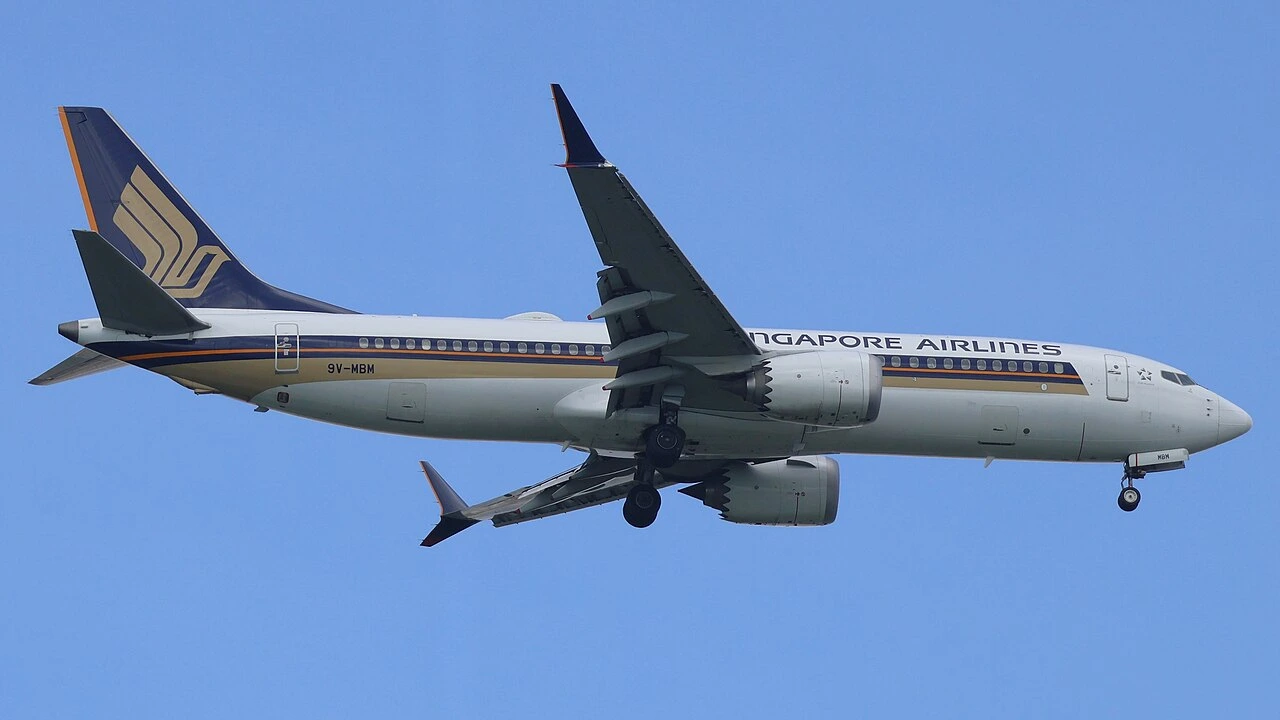
- No material change under the new policy, as the aircraft’s Business Class cabin is already small (10 seats) and four seats — the two throne positions and two bassinet positions — were previously blocked for non-PPS members.
- Six seats remain available for advance selection on this aircraft for non-PPS Club passengers.
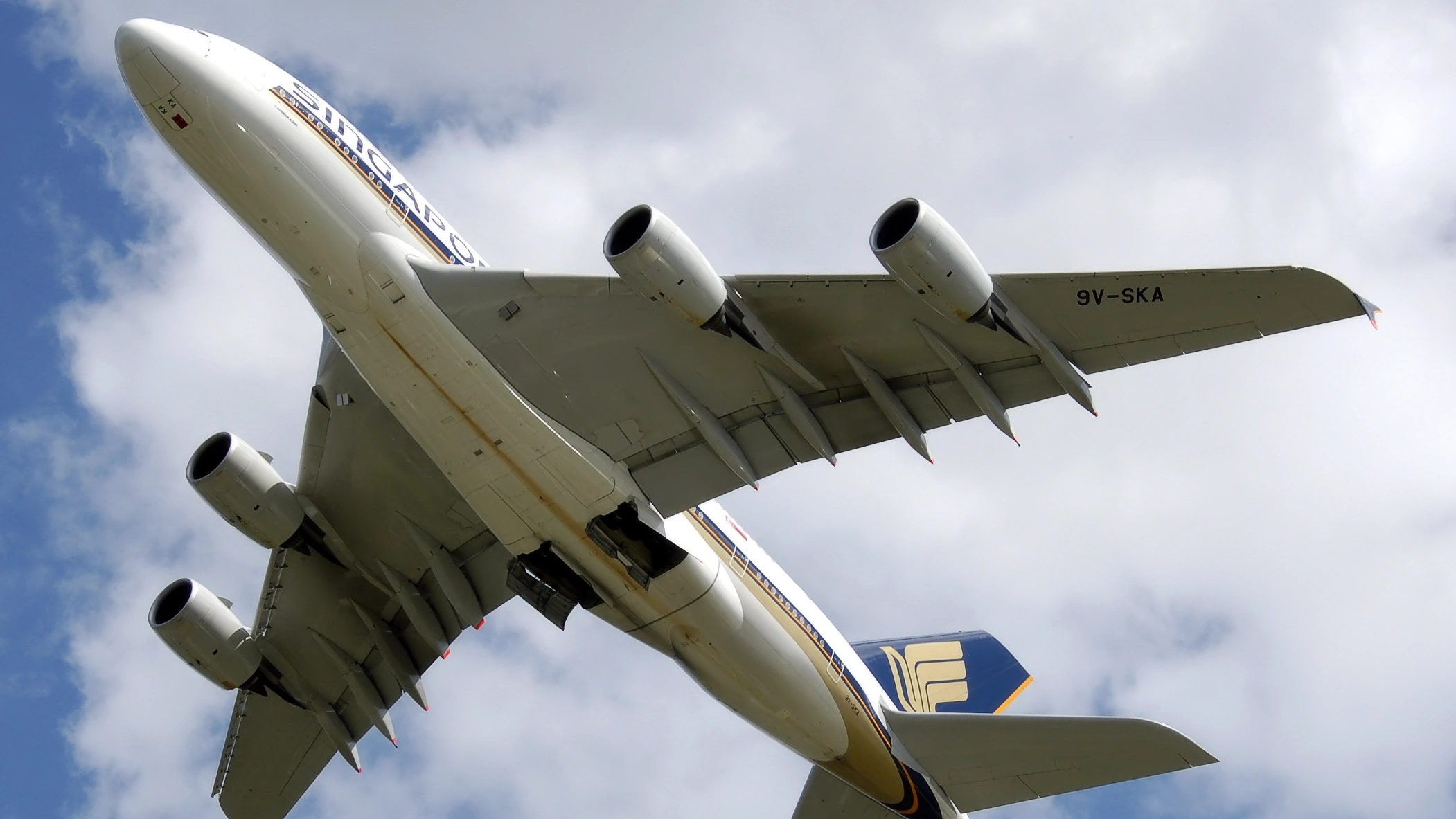
Airbus A380:
- Uniquely, no additional restrictions appear to have been applied under the new policy on the A380, beyond the pre-existing bulkhead and bassinet position blocks.
- Whether this reflects a deliberate exemption for the carrier’s flagship aircraft, or a gap in the policy’s initial implementation, has not been clarified.

The PPS Club Divide, And A Missed Opportunity for Mid-Tier Elites
PPS Club members — Singapore Airlines’ invitation-only top-tier status, which requires sustained annual spending in premium cabins — retain full advance seat selection privileges regardless of fare or award type. That is consistent with the historical treatment of the airline’s highest-status travellers and is not controversial in itself.
What has drawn pointed criticism, however, is the decision to extend no additional seat selection latitude to KrisFlyer Elite Silver or KrisFlyer Elite Gold members. Both tiers require meaningful loyalty to earn and maintain: Elite Gold confers Star Alliance Gold status and represents a considerable annual mileage or spending commitment. Yet under the new policy, Elite Silver and Elite Gold members on Business Lite, Saver Award, or Advantage Award bookings face precisely the same forward-row block as a first-time KrisFlyer member making their maiden Business Class redemption.
Existing Bookings, And the Critical Seat-Switching Caveat
Passengers who had already selected forward Business Class seats under the previous, unrestricted policy appear to retain those assignments. Singapore Airlines has not retroactively removed pre-existing seat selections, and this is an important protection for travellers with bookings already in place.
There is, however, a critical caveat for those holding a restricted fare or award who have already secured a forward seat. According to early reports collated by Mainly Miles, if such a passenger decides to change their seat selection — even temporarily — the forward seat they vacate will not return to the available pool for them to reclaim.
In other words, a passenger who navigates away from their forward seat under the new system cannot simply undo the change. Anyone on a Business Lite, Saver Award, or Advantage Award booking who holds a desirable forward seat from prior selection should think carefully before initiating any modification.
Workarounds Available to Restricted Fare Passengers
While the advance booking window is now constrained for Business Lite and award passengers, the following options remain viable for those seeking a preferred position in the cabin:
- T-96 hours: Blocked seats typically open up approximately 96 hours before departure, if they have not been allocated to other passengers. The Mainly Miles guide to SQ blocked seats covers the mechanics of this release schedule in detail.
- T-48 hours (online check-in): Additional seats — including forward rows — may become available when the online check-in window opens, 48 hours before departure.
- Airport check-in desk: Requesting a specific seat directly from airport staff has, anecdotally, proven effective. Passengers travelling in Business Class on long-haul routes have succeeded in obtaining desirable seat assignments at the airport even when online selection was unavailable.
None of these alternatives matches the convenience and certainty of pre-selecting a preferred seat at the time of booking — which was, until last week, available to all Business Class passengers regardless of fare type.
What Passengers Should Do Now
For travellers with existing Business Lite, Saver Award, or Advantage Award bookings who have already secured desirable forward seats: do not change those assignments. The evidence suggests that vacated forward seats will not be returned to the selectable pool for restricted fare passengers, and the risk of losing a preferred position is real.
For new bookings on restricted fare types or award categories:
- Check seat availability at the T-96 hour mark, when blocked seats typically release.
- Consider booking the most convenient available seat from the unblocked rear section as a placeholder, and reassign at T-96 hours if a preferred forward seat opens up.
- Monitor this situation. Several reader reports within hours of the initial story suggested the restriction may be intermittently applied or subject to further revision.

_taking_off_from_Manchester_Airport_(1).jpg)
_taking_off_from_London_Heathrow_Airport_(2).jpg)

.jpg)
_Singapore_Airlines_Boeing_737_MAX_8_9V-MBM_@_WSSS_2026-03-11.jpg)