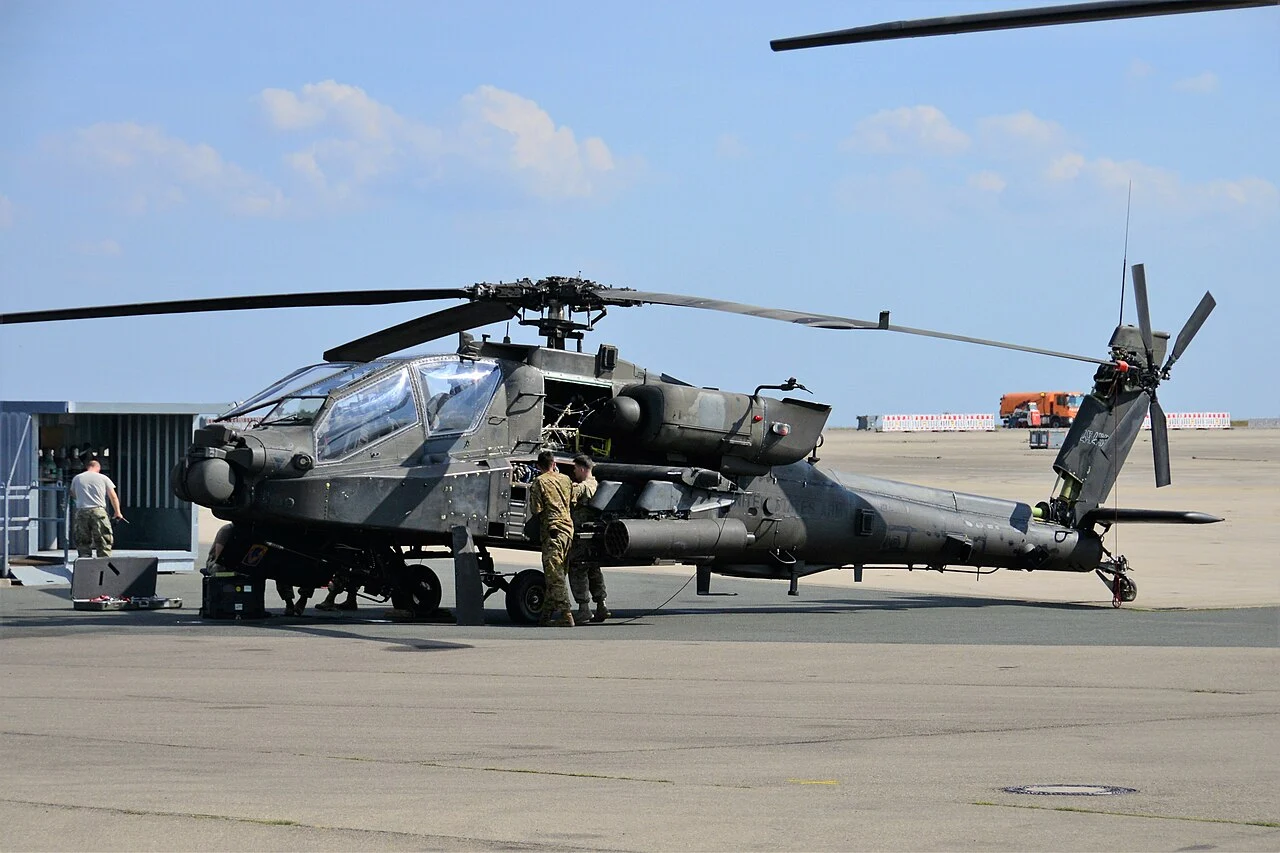
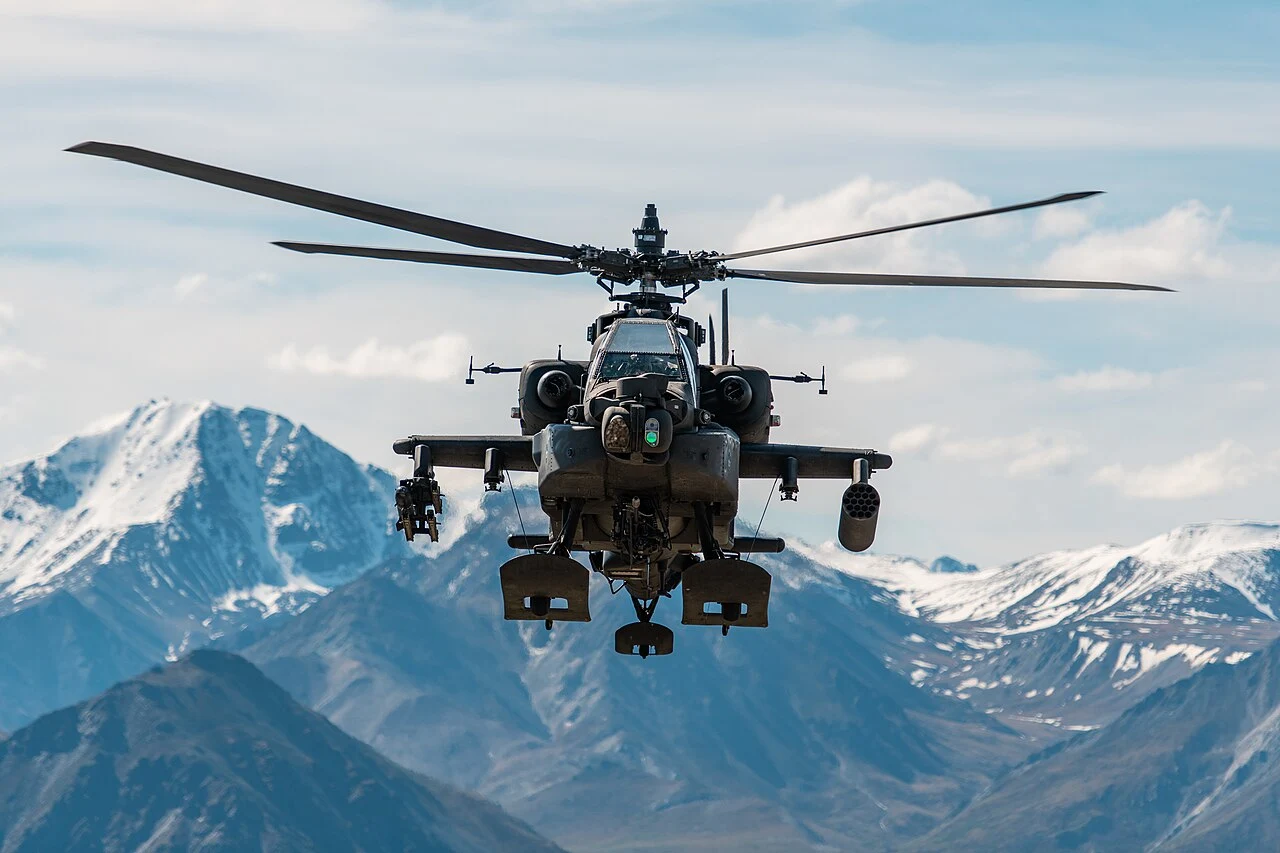
The US State Department has approved a possible Foreign Military Sale of AGM-114R Hellfire missiles to Singapore, worth an estimated $22.3 million, or S$28.9 million. The department notified the US Congress of the deal on June 30, 2026. The missiles will arm the Republic of Singapore Air Force’s (RSAF) AH-64D Apache attack helicopters, Singapore’s Ministry of Defence (Mindef) confirmed.
The package totals 67 AGM-114R Hellfire missiles once combined with an earlier, smaller case. It folds a new Singapore government request for 24 additional missiles into an existing $12.4 million Foreign Military Sales case that had covered pilot training and support services. Lockheed Martin, the missile’s manufacturer, will serve as the principal contractor.
Why This Deal Needed Formal Congressional Notice
The original $12.4 million case did not require congressional review on its own. Singapore’s notification threshold for major defence equipment sales sits at $14 million, and the first case fell under that limit.
Adding the new request for 24 Hellfire missiles pushed the combined package past that threshold. That triggered the formal notice to Congress required under US Foreign Military Sales law.
Congress can review and object to major arms sales within a set window after notification. Deals of this size rarely face objections, and the State Department’s notice already frames the sale as routine sustainment rather than a new capability.
What The $22.3 Million Package Actually Includes
Beyond the 67 missiles themselves, the deal bundles several years of logistics and support work. According to the State Department’s notice, the package includes:
- Five years of AGM-114R Hellfire spare parts
- Technical manuals and publications
- Reprogramming of M299 missile launchers
- Return and repair materials and services
- Software verification and calibration of the AN/AWM-101 test system
- Chaff, flares, and related technical assistance
- US government and contractor engineering, technical, and logistics support
The AGM-114R, nicknamed “Romeo,” is the most flexible variant in the Hellfire II missile family. It uses semi-active laser guidance and a multi-purpose warhead, weighs roughly 49 kilograms, and travels at about Mach 1.3.

What Mindef and The State Department Said
Mindef framed the purchase as routine long-term planning rather than a response to any specific threat. A ministry spokesperson said Singapore takes “a strategic long-term view on our defence acquisitions” to keep the Republic of Singapore Air Force operationally ready.
The State Department’s notice framed the sale in similar terms, describing Singapore as a partner that supports regional stability. It said the deal would improve the security of “a strategic partner” important to political stability in Asia.
The notice also addressed the deal’s regional impact directly. It stated that the sale would not alter the existing military balance in Southeast Asia, language the State Department includes in most Foreign Military Sales notifications.
Singapore’s Existing Apache and Hellfire Inventory
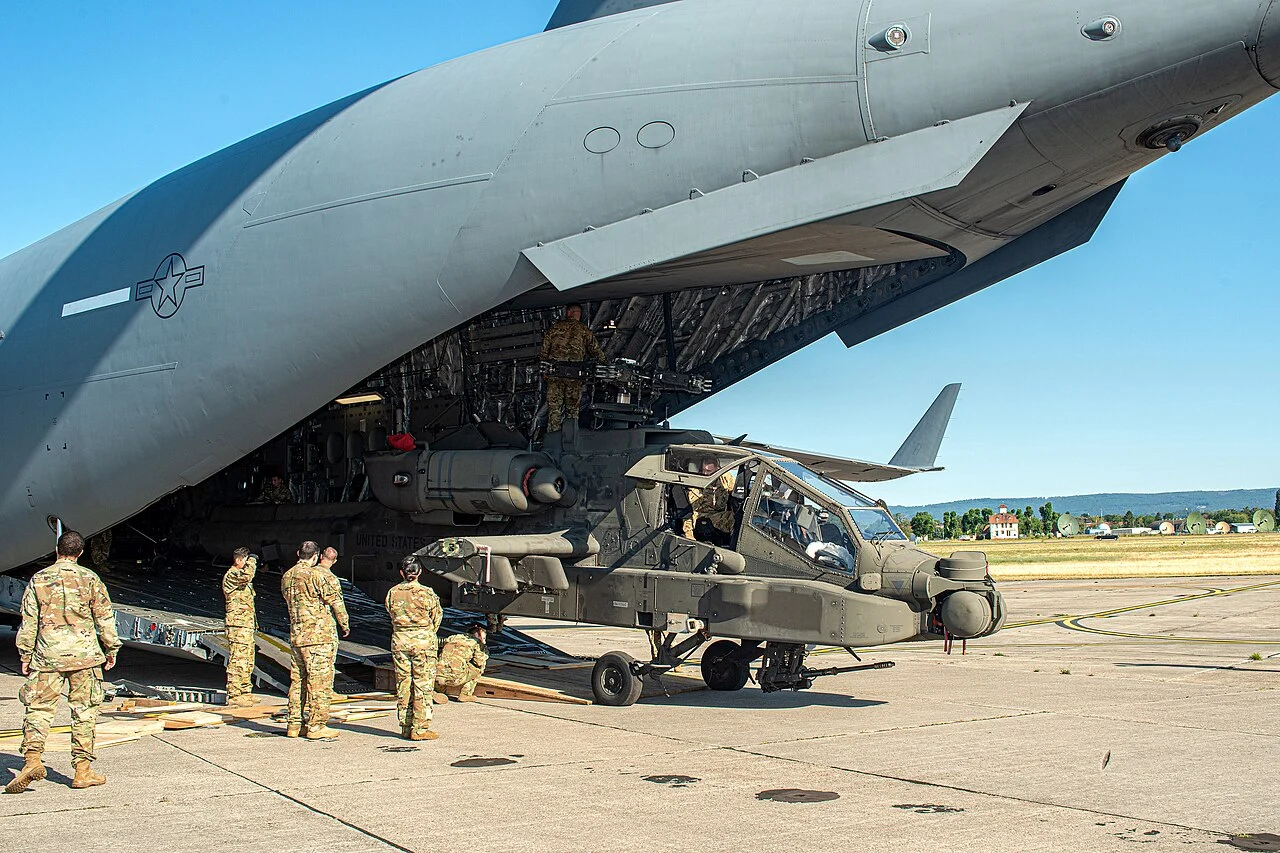
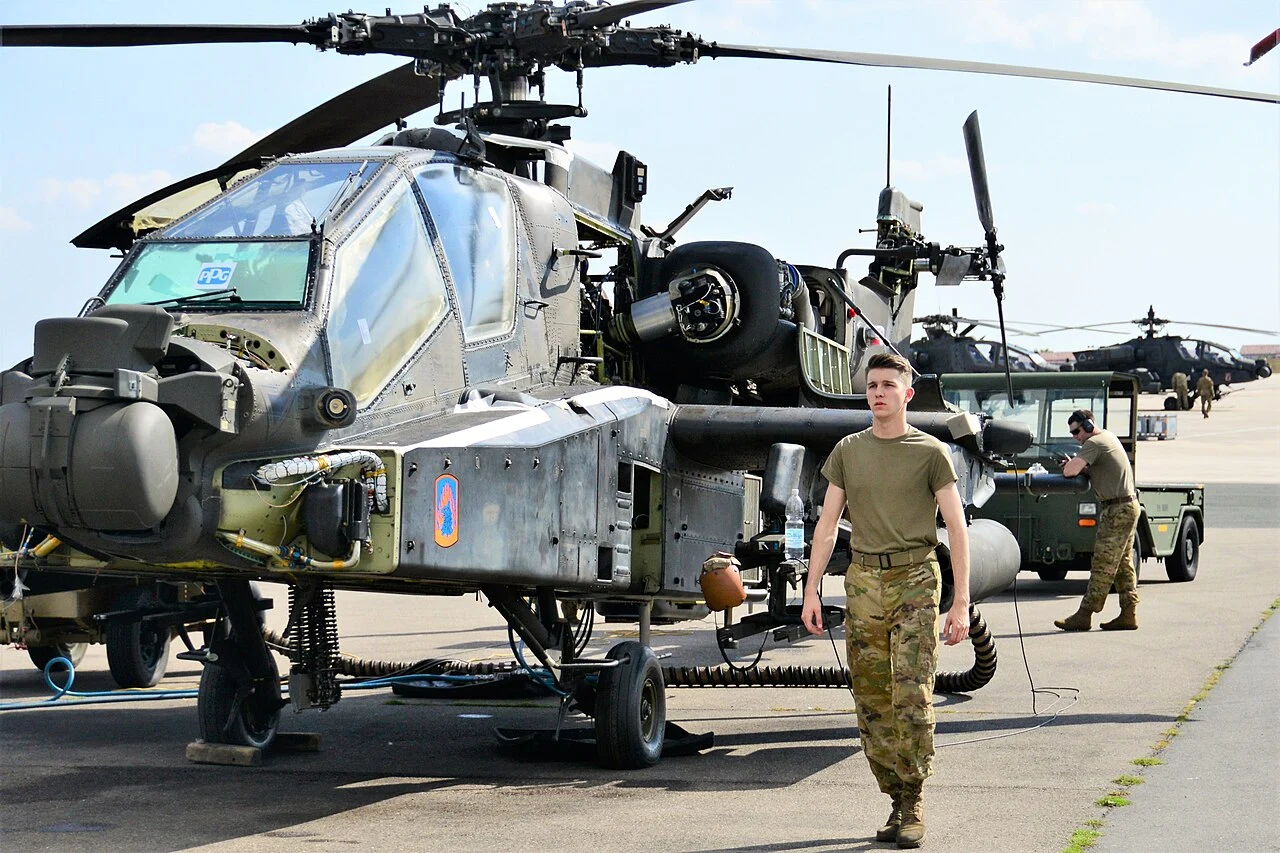
The Republic of Singapore Air Force operates 19 AH-64D Apache attack helicopters. The US first approved eight of the airframes in June 1998, followed by a further 12 in 2001.
Eleven of Singapore’s Apaches are based at Sembawang Air Base as part of 120 Squadron. Singapore ordered 216 AGM-114 Hellfire family missiles alongside the original helicopter purchases.
Singapore announced a Service Life Extension Program for its Apache fleet in February 2024. The upgrade, which adds combat capability enhancements, is intended to keep the helicopters flying beyond 2030.

How This Compares to Other Recent Hellfire Sales
Singapore is not the only US partner buying more Hellfire missiles this year. The State Department approved a separate $45 million sale of AGM-114R Hellfire missiles to Denmark in January 2026.
Other recent Hellfire buyers include some of Washington’s largest Indo-Pacific and European partners. The Netherlands has approved purchases across two packages totalling 916 missiles, while Australia has approved 800 units and South Korea has pursued its own Hellfire acquisition.
Against that backdrop, Singapore’s 67-missile package is comparatively modest in scale. Defence analysts have described it as a sustainment purchase meant to preserve existing Apache readiness, rather than a step toward a larger or new strike capability.
All in All
A Foreign Military Sale notification is not a finalized contract. Congress has an established review period after notification, and formal contract negotiations between the US government, Lockheed Martin, and Singapore typically follow once that window closes without objection.
Mindef has not published a timeline for missile deliveries. Past Hellfire sales to regional partners have generally taken one to two years to move from congressional notification to first deliveries.