Dubai-based Emirates Airline (EK) will award employees bonuses equivalent to 20 weeks of basic salary after the Emirates Group reported a record US$6.6 billion annual profit. The group said resilient travel demand, premium cabin performance, and strong financial reserves enabled it to maintain profitability even as regional military activity disrupted commercial aviation networks across the Middle East.
The Emirates Group has announced a profit-sharing bonus equivalent to 20 weeks of basic salary for its approximately 130,000 employees after posting a record annual profit of AED24.4 billion (US$6.6 billion) for the 2025-26 financial year. And what is more astounding is that the carrier is looking to hire 20,000 staff in the next four years. The payout comes despite significant geopolitical instability and operational disruption across the Gulf region that has led to many aircraft in Iran being destroyed, turning Nepalese aviation into a survival mode, and forcing airlines to adopt measures such as increasing checked baggage fees by $10.

Emirates Employees to Receive Bonus Equal To 20 Weeks of Salary
The latest profit-sharing payout means eligible Emirates Group employees will receive bonuses amounting to roughly 38% of their annual basic salary. While Emirates has historically rewarded staff during profitable years, the formula remains discretionary and is determined by the company’s senior leadership rather than a fixed contractual mechanism.
The bonus follows several consecutive years of strong payouts by the carrier. Employees received bonuses equivalent to 24 weeks of salary for the 2022-23 financial year, 20 weeks for 2023-24, and 22 weeks for 2024-25. Prior to that, the airline suspended large-scale bonuses during years affected by weaker market conditions and the COVID-19 pandemic.
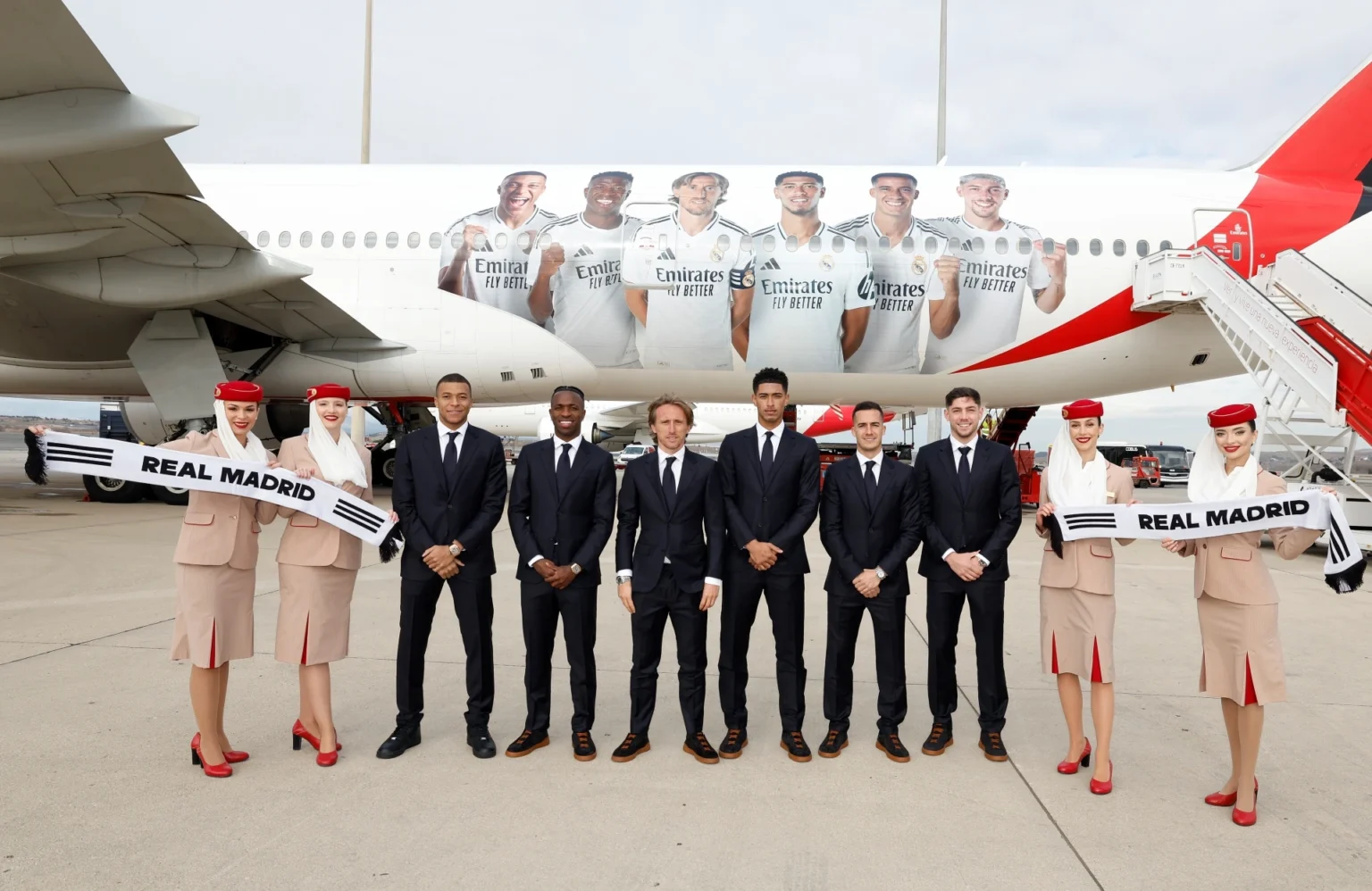
In an internal message to employees, Emirates Group Chairman and Chief Executive Sheikh Ahmed bin Saeed Al Maktoum praised staff for helping the company navigate one of its most challenging operational periods in recent years. He highlighted the resilience of the workforce, noting that employees have repeatedly helped the group overcome difficult periods and emerge stronger.
Sheikh Ahmed also credited employees for enabling Emirates Group to respond quickly to changing operational conditions. He thanked staff and the company’s wider ecosystem of partners, emphasizing that their cooperation and support remain essential to keeping global aviation operations running and reflect the partnership-driven approach at the heart of the group’s business.
According to Gulf News, The Emirates Group remains among Dubai’s largest employers, with its workforce expanding by 8% to 130,919 employees. Over the past year, the Group reviewed 3.5 million job applications, shortlisted approximately 390,000 candidates, and hired more than 9,700 employees in the United Arab Emirates.
Emirates Group Reports Record US$6.6 Billion Profit
According to the Emirates Group’s annual report, the company achieved record financial results across several metrics during the fiscal year ending March 31, 2026. Group revenue climbed 3% year-on-year to AED150.5 billion (US$41 billion), while cash assets rose 12% to AED59.6 billion (US$16.2 billion).
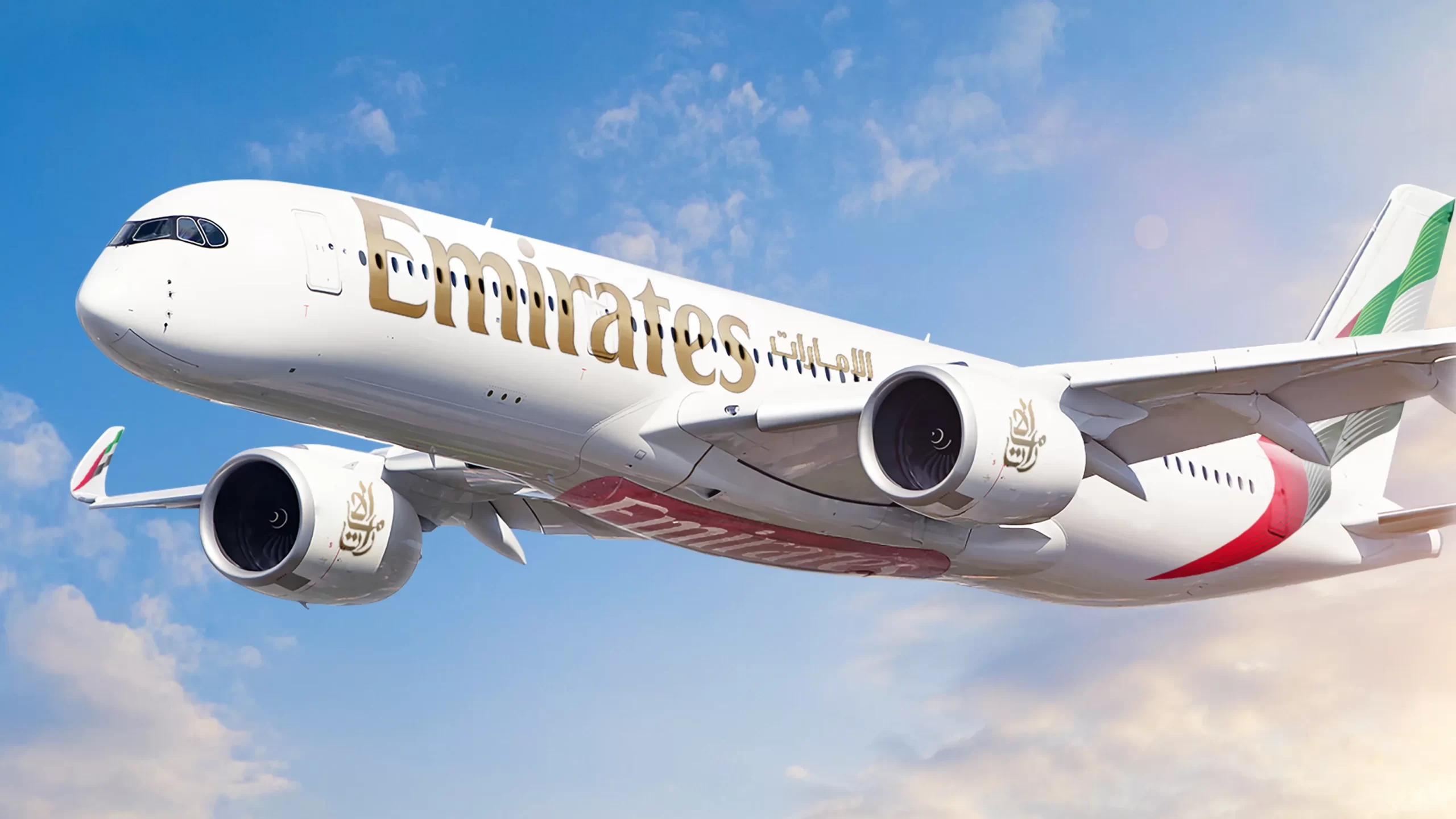
Emirates Airline alone reported profit before tax of AED22.8 billion (US$6.2 billion), retaining its status as the world’s most profitable airline during the reporting cycle. The carrier also maintained a strong operating margin of 17.4%, despite modest declines in passenger numbers during the latter part of the fiscal year.
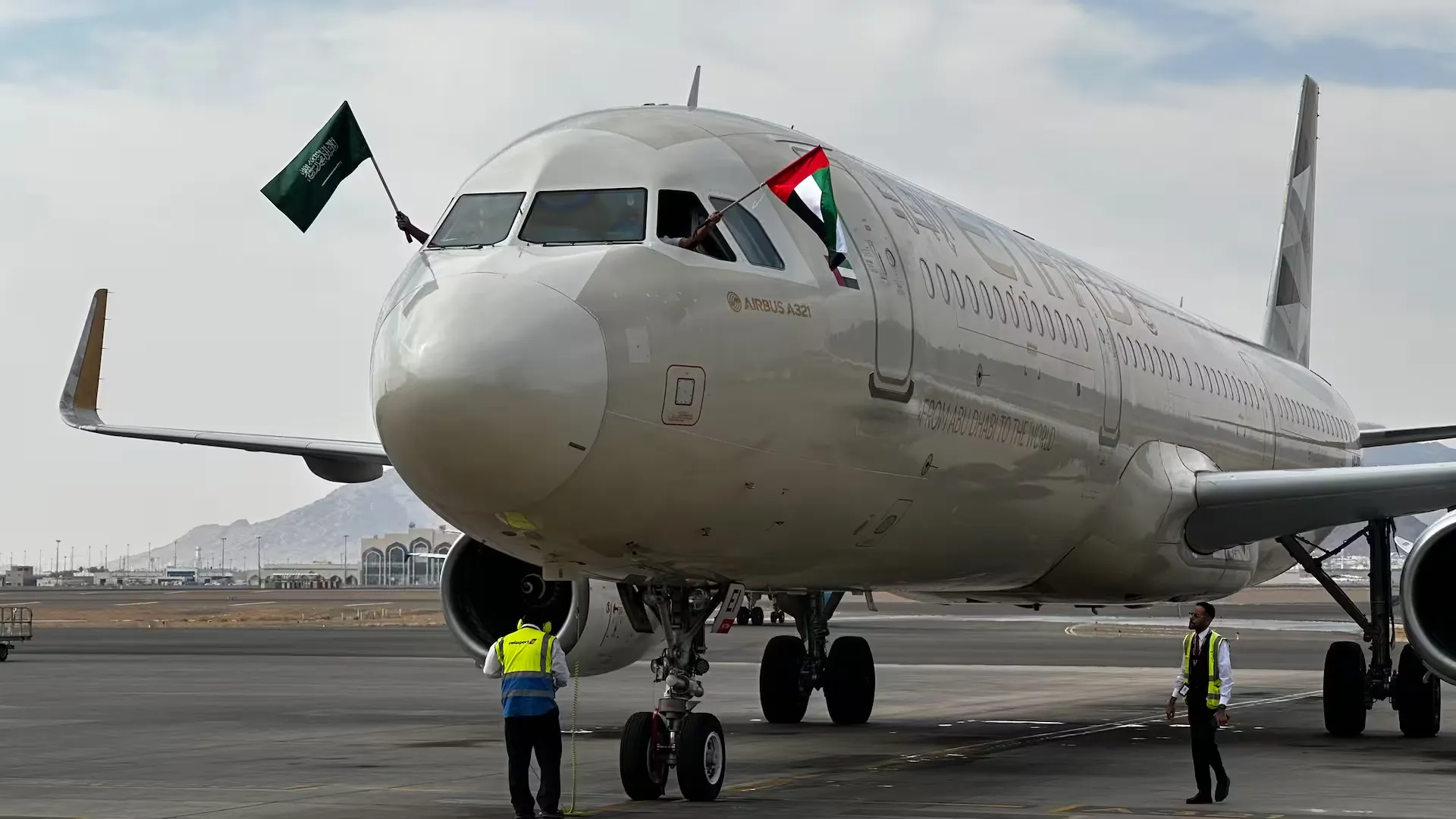
In its official statement, Emirates acknowledged that military activity beginning on February 28 severely disrupted commercial air traffic across the Gulf region, including operations within the United Arab Emirates. Nevertheless, the airline stated that it had restored 96% of its network by early May.
Regional Crisis Failed to Derail Emirates’ Financial Momentum
The company’s strong performance came against a backdrop of mounting instability in the Middle East aviation market. Airspace restrictions, route suspensions, elevated fuel costs, and operational uncertainty disrupted multiple airlines operating in the Gulf region during the final weeks of the financial year.
The Emirates Group additionally declared a dividend of AED3.5 billion (US$1 billion) payable to the Investment Corporation of Dubai, the sovereign wealth fund that owns the aviation conglomerate.
While executives acknowledged that geopolitical volatility may weigh on the upcoming financial year, Emirates indicated that its long-term expansion strategy remains unchanged.
“To all critics who believe Dubai and the Emirates Group are in decline, we’ve heard this before and proved them wrong every time,” Sheikh Ahmed said in remarks cited in employee communications. “We’re coming back bigger, better and bolder as we always do after a crisis.”
_(3100408933).jpg)