A family from Dresher, Pennsylvania has filed a lawsuit against Qatar Airways (QR) after their 16-year-old relative, Jason Hu, died mid-flight from a severe allergic reaction. The incident happened on August 21, 2024, aboard a flight from Hamad International Airport (DOH), Doha, to John F. Kennedy International Airport (JFK), New York, according to Paddle Your Own Kanoo, which first reported the filing. Jason was returning to the United States with his father, Eric Hu, and sister, Erica Hu, after a family visit to China.
A flight attendant allegedly told Jason a mid-flight snack sandwich contained none of the allergens he needed to avoid. Jason suffered from severe allergies to peanuts, fish, and dairy products. He collapsed within minutes of eating the sandwich, and the family says he was pronounced dead only after the aircraft landed at JFK.
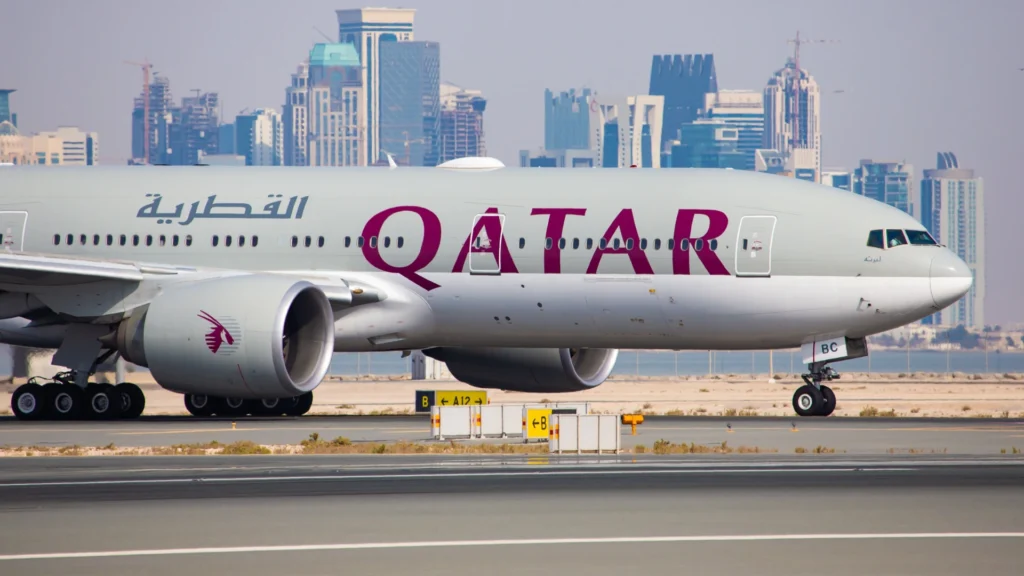
How the In-Flight Emergency Unfolded
The emergency began as cabin crew moved through the aisle distributing sandwiches partway through the roughly 13-hour flight. Jason asked the crew member what allergens the sandwich contained before eating it, and the attendant told him it was safe. He began struggling to breathe soon after taking a bite and tried using a nebulizer, but it gave him no relief.
Jason then collapsed, and flight attendants rushed to help him. Crew members are believed to have given him an EpiPen-style epinephrine injection, the standard emergency treatment for anaphylaxis. The shot reportedly did not ease his symptoms.
Cabin crew then brought an oxygen cylinder and fitted him with a mask. Within minutes, Jason lost consciousness and became unresponsive, and his family says the rest of the ultra-long-haul flight was spent with his body on the cabin floor behind their seats.
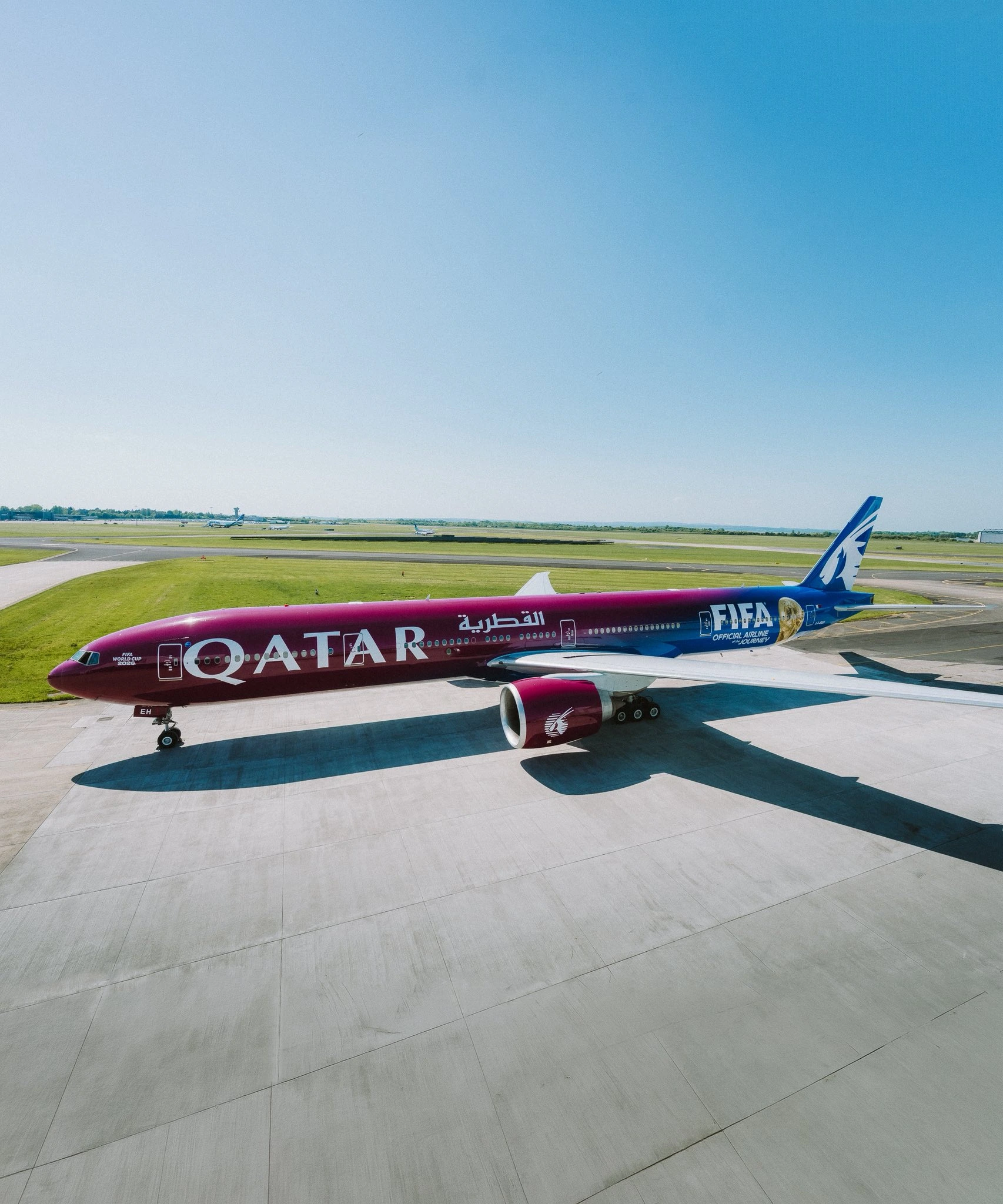
Family Claims Faulty Oxygen Equipment Compounded the Crisis
A central claim in the lawsuit is that the aircraft’s medical equipment failed at a critical moment. The family alleges the onboard oxygen tank was not working properly when crew tried to use it on Jason. The complaint also names MedAire, a Phoenix-based telemedicine provider that supplies emergency medical guidance to airlines through satellite phone links, arguing it failed to give the crew adequate treatment and diversion advice.
The lawsuit describes the flight attendant’s assurance about the sandwich as an “affirmative misrepresentation and specific assurance” that induced Jason to eat the allergen, according to court filings cited by Paddle Your Own Kanoo. The family argues this conduct amounts to negligence that goes beyond an ordinary in-flight medical accident.
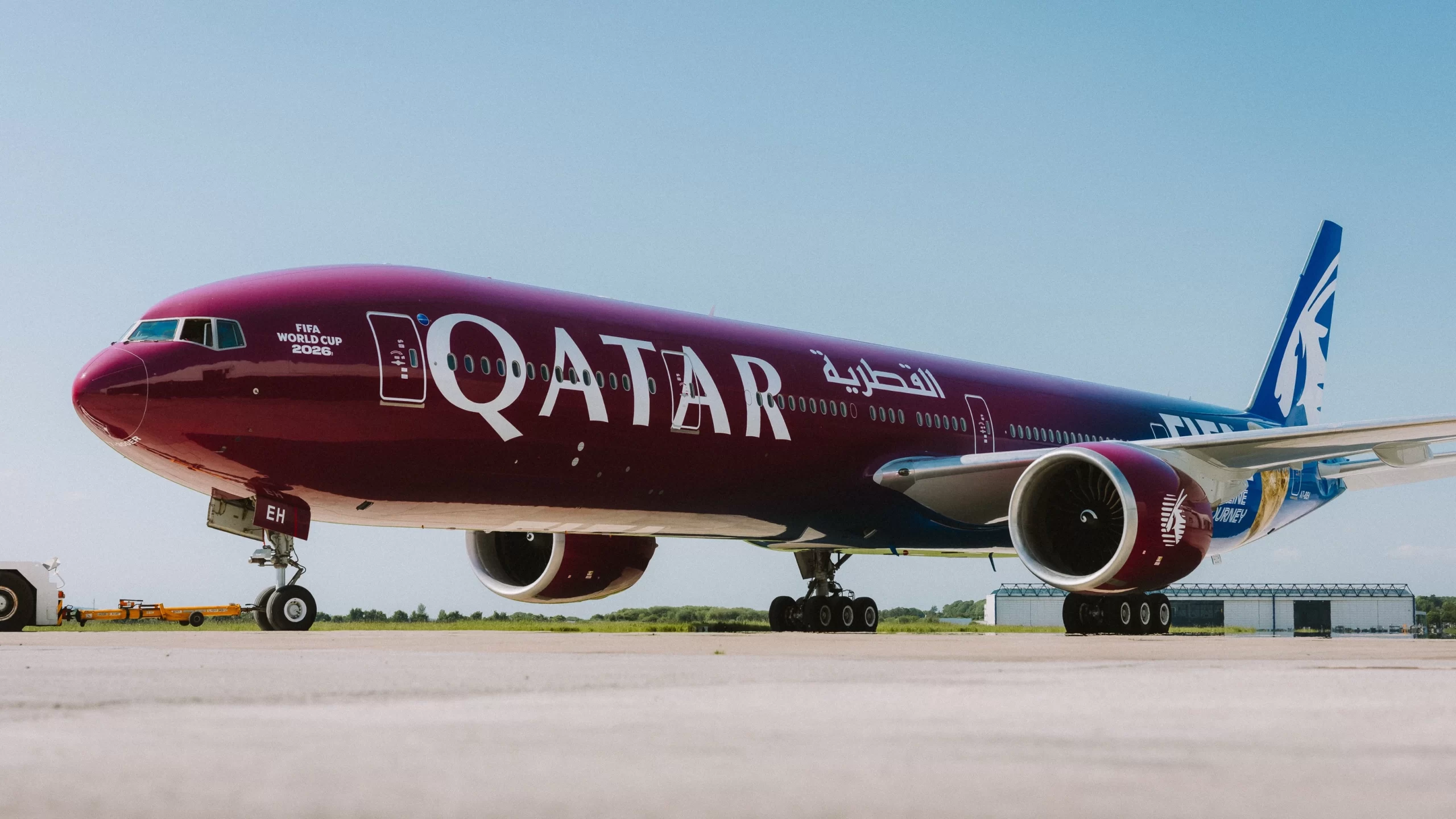
Inside the Legal Filing and the Montreal Convention
The case was filed in the U.S. District Court for the Eastern District of Pennsylvania under case number 2:26-cv-04882. It relies on Article 17 of the Montreal Convention, an international treaty that holds airlines liable for a passenger’s death or injury during an international flight. Qatar Airways has not yet responded to the complaint.
Airlines can typically limit liability under the treaty to roughly 128,821 Special Drawing Rights, an IMF-linked currency basket worth approximately $176,000. That figure is not a hard ceiling, however, and courts can award more where a carrier’s negligence is proven. Jason’s family is seeking damages beyond that threshold, arguing his death resulted from the airline’s wrongful conduct.
Passengers with severe allergies face a recurring dilemma on long-haul flights: airlines generally cannot guarantee an allergen-free cabin, and travelers are usually expected to carry their own medication, according to Fodor’s. That gap between airline policy and traveler expectation sits at the center of Jason’s case and several other recent disputes involving the same carrier.
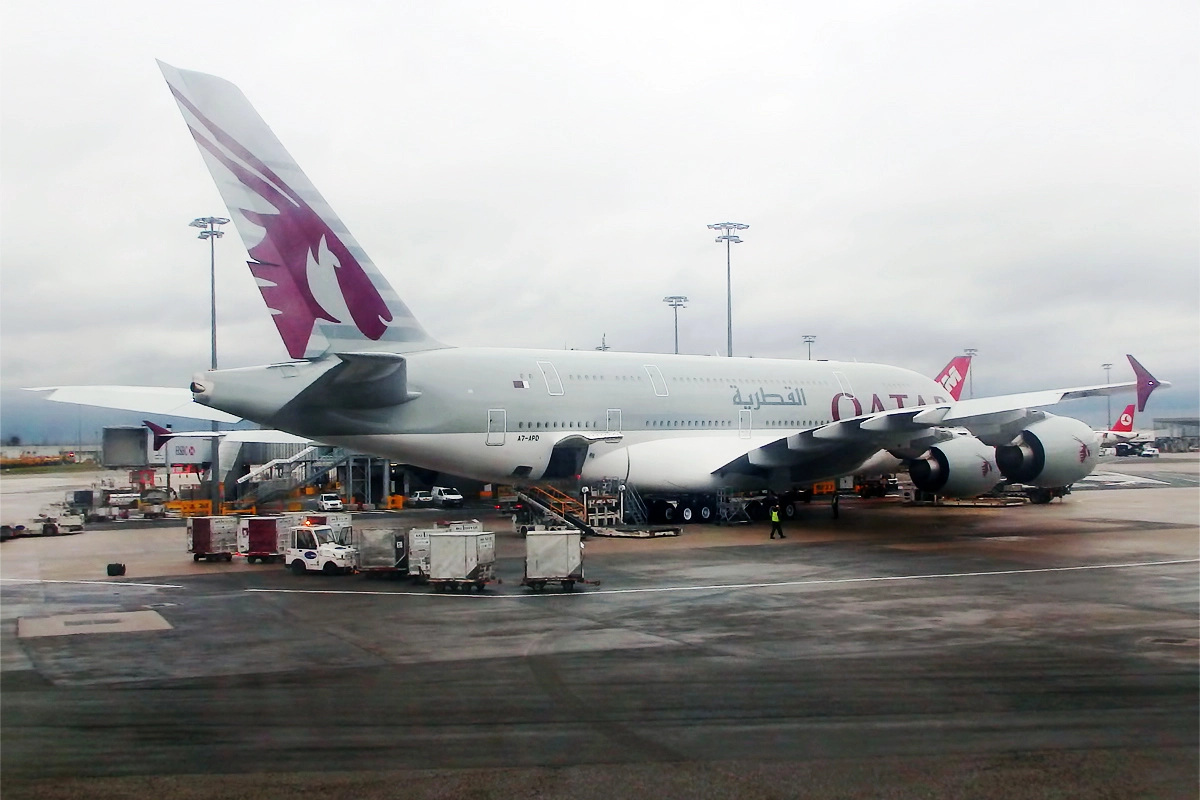
Jason Hu’s death is not the first time Qatar Airways has faced legal action over an in-flight food incident in the past year. Two other cases now form a pattern that plaintiffs’ lawyers are likely to cite in court.
- The KitKat case (April 2025): North Carolina mother Swetha Neerukonda sued Qatar Airways for $5 million after a flight attendant allegedly fed her 3-year-old daughter a chocolate bar containing dairy during flight QR710 from Washington Dulles International Airport (IAD), Virginia, to Doha. The child suffered anaphylaxis and later a second reaction in India, spending two days in intensive care.
- The choking case (June 2023): Southern California cardiologist Asoka Jayaweera, a strict vegetarian, was reportedly told to “eat around” meat in a non-vegetarian meal on a flight from Los Angeles International Airport (LAX) to Bandaranaike International Airport (CMB), Sri Lanka, via Doha. He choked, and the family claims the crew refused to divert; he died in an Edinburgh hospital.
In the KitKat case, Qatar Airways told Allergic Living that “the safety, security, and well-being of our passengers remain our top priority,” while declining further comment due to pending litigation. The attorney representing Neerukonda, Abram Bohrer, said the crew member had responded to concerns by insisting “I know better than you,”.
What Comes Next
Qatar Airways has not filed a public response to any of the three lawsuits, and the Hu family’s case is now moving through the federal court system in Pennsylvania. Discovery in such cases typically includes cabin crew training records, maintenance logs for onboard medical equipment, and communications between the crew and MedAire during the emergency.
_(2).jpg)

_@_LHR,_2018-10-04.jpg)