Becoming a commercial pilot in Nepal requires significant financial investment, extensive flight training and compliance with licensing requirements set by the Civil Aviation Authority of Nepal (CAAN). For students considering aviation as a career, understanding the eligibility criteria, medical requirements, training options, costs and licence-conversion process is essential before enrolling in a flight school.
Many Nepali students complete their flight training abroad, making the choice of training country and the subsequent conversion of a foreign licence important considerations. The following factors can help prospective pilots understand the pathway from initial training to an airline career.
1. Pilot Training Requirements
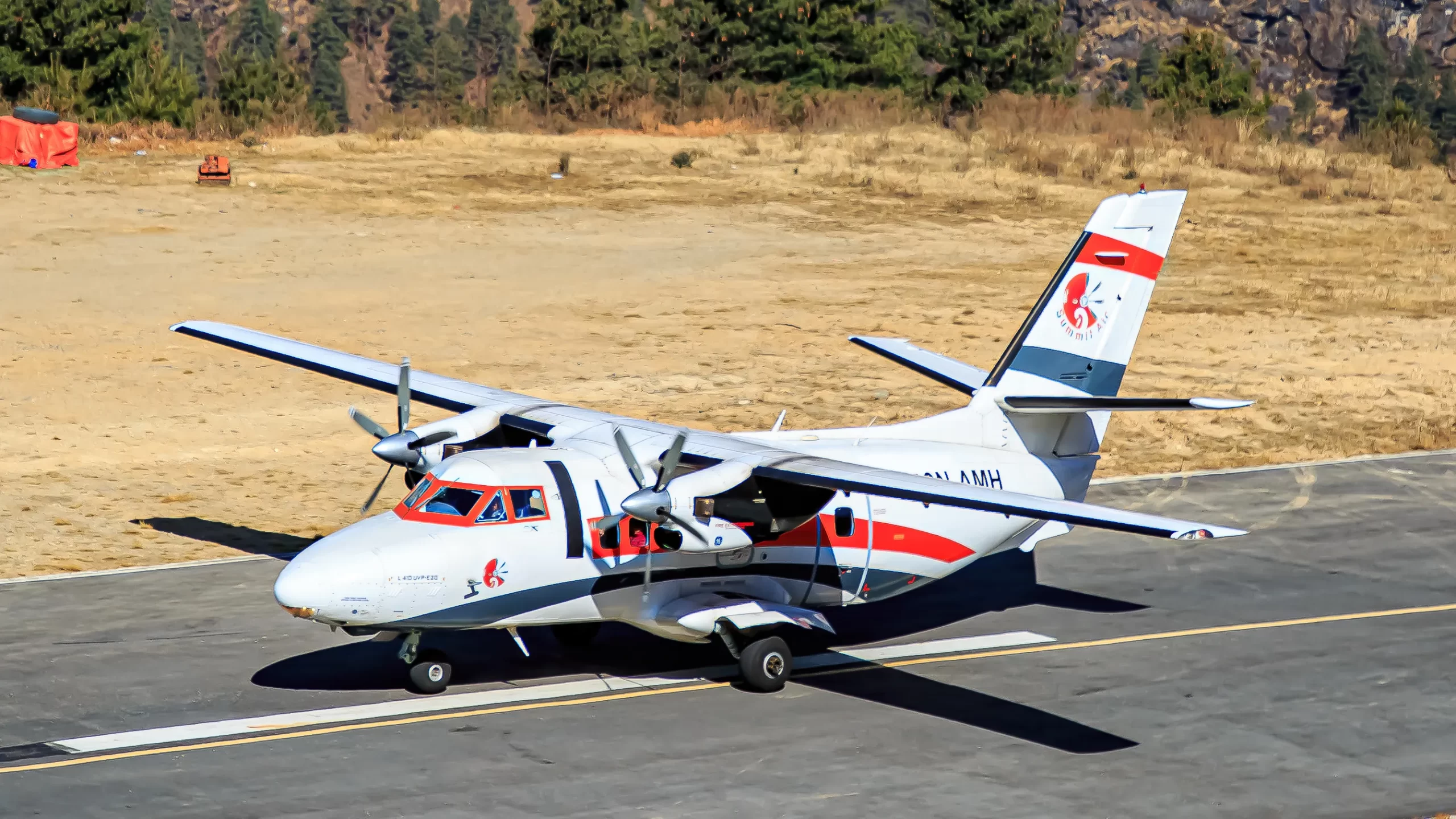
Applicants must meet the applicable minimum-age and licensing requirements established by CAAN. The age requirements differ depending on the licence being sought, while additional age-related restrictions can apply to airline operations.
After the crash of an airliner in Jomsom in 2022, there were considerations to lower the maximum age of pilots, but to around 60. So, if you’re upwards of 18 and not more than 60, you can become an airline pilot in Nepal. A pilot’s retirement age in Nepal might be dictated by the government norms, though pilot’s retirement age gas evolved significantly over the years.
Educational requirements depend on the licence and training pathway. Prospective commercial pilots should check CAAN’s current requirements for the CPL before enrolling, particularly regarding secondary education and the required subjects.
2. Medical requirements for Aspiring Nepali Pilots
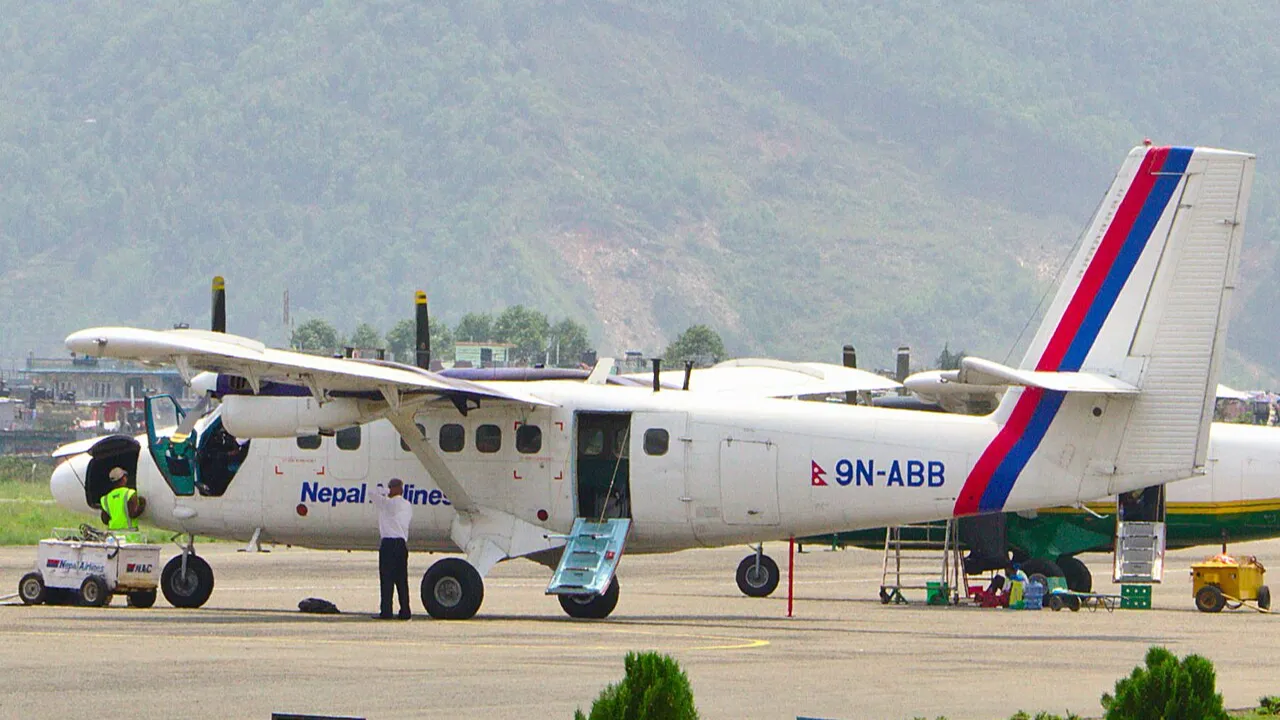
Professional pilots must meet CAAN’s medical requirements and hold the appropriate medical certificate for their licence.
To demonstrate that you’re healthy, you need to clear medical examinations conducted by practitioners who have been approved by the Civil Aviation Authority of Nepal (CAAN).
If you’re looking to obtain a Commercial Pilot License (CPL) or an Airline Transport Pilot License (ATPL), you must possess a Class 1 medical certificate. CPL and ATPL applicants generally require a Class 1 medical certificate. The examination assesses areas including vision, hearing, cardiovascular health and other medical factors relevant to safe flight operations.

Photo: Rucksackschule-dresden | Wikimedia Commons
3. Picking the right Flight schools for your pilot study
Your qualifications and the passing of your medical examinations won’t come into the picture if you don’t sign up for a recognized flight school. Due to an absence of flight schools, ambitious Nepalese pilots are forced to travel abroad for pilot training every year.
Prospective pilots should first check CAAN’s current list of Approved Training Organizations (ATOs). Depending on the type of training available domestically, students may also choose to complete their flight training at an approved school abroad.
Picking the best flying school is not easy, as countries such as the US, Canada, Australia, South Africa, and the Philippines have been the go-to places for pilot training. It is advised to pick flight schools that provide rigorous pilot training at an affordable price, has experienced flight instructors, and have suitable flying weather locations while selecting a foreign country for the pilot study.
4. Cost of the Pilot Study in Nepalese Rupees
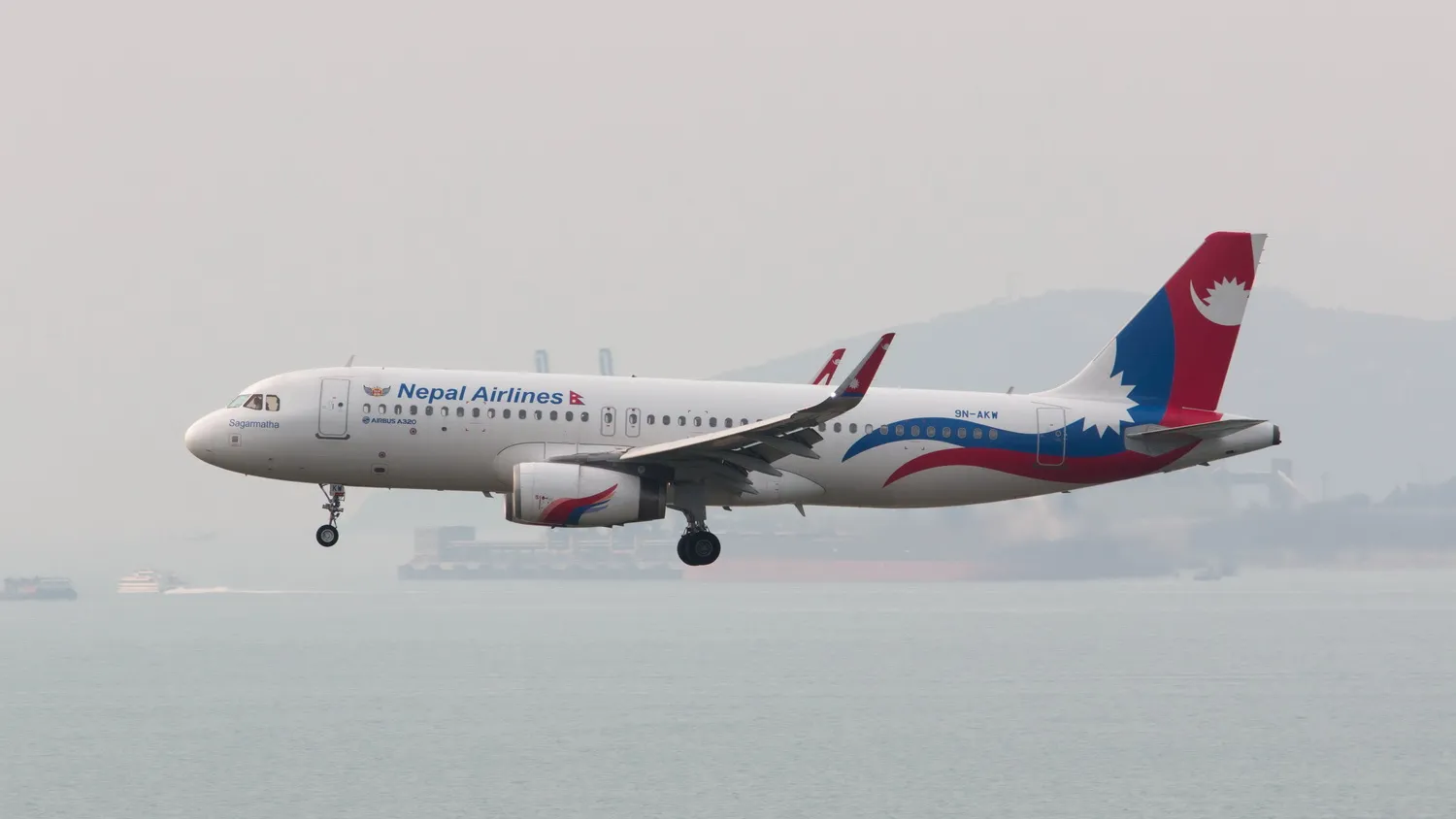
Before enrolling in flight training, you must consider the Cost of enrolling. Being a pilot can cost as much as NPR 10.2 million or as little as NPR 4 million, depending on the flying school and the nation:
| Training location | Approx. training cost | Main consideration |
|---|---|---|
| Philippines | $55,000 USD | Established international training market |
| South Africa | $45,000 USD | Weather and training availability |
| USA | $70,000 USD | Large training infrastructure |
5. Considering the Type of Pilot You Want to Be
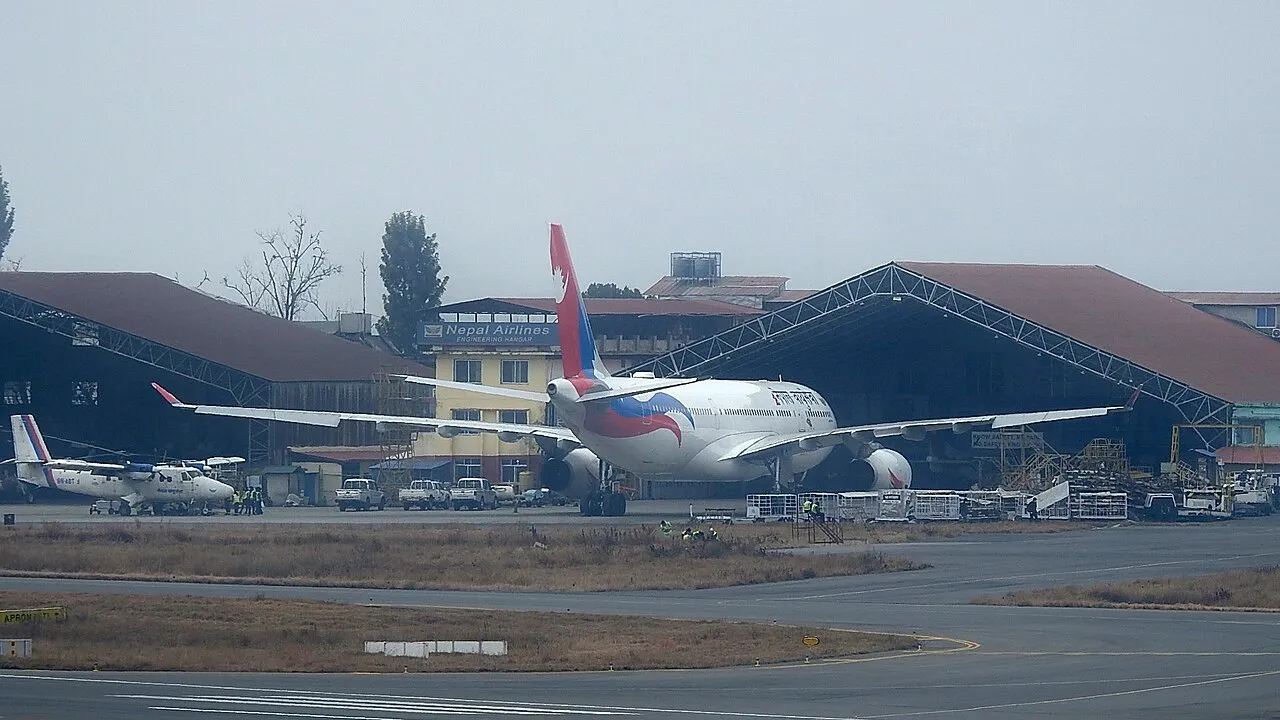
Although flying an aircraft is the same for all pilots, their flying licenses vary in terms of their Scope, character, and intended use. Private, commercial, airline transport, balloon, and glider pilot licenses are among the different kinds of pilot licenses that can be obtained in Nepal.
Let’s say you wish to operate an aircraft for non-commercial activities, such as to fly alone, transport your family to far-off locations, or just for fun. A private pilot license (PPL)would be your best choice in such cases. Given that owning jets privately for recreation has not been fostered in Nepal, a PPL might be redundant for most.
A Commercial Pilot Licence allows a pilot to exercise commercial privileges subject to the applicable ratings, operational requirements and regulations.
An ATPL is the highest level of aeroplane pilot licence and is required for pilots serving as the pilot-in-command of aircraft operated under applicable airline operations. Airline first officers may operate with a CPL and the required additional qualifications while working toward the experience and examination requirements for an ATPL.
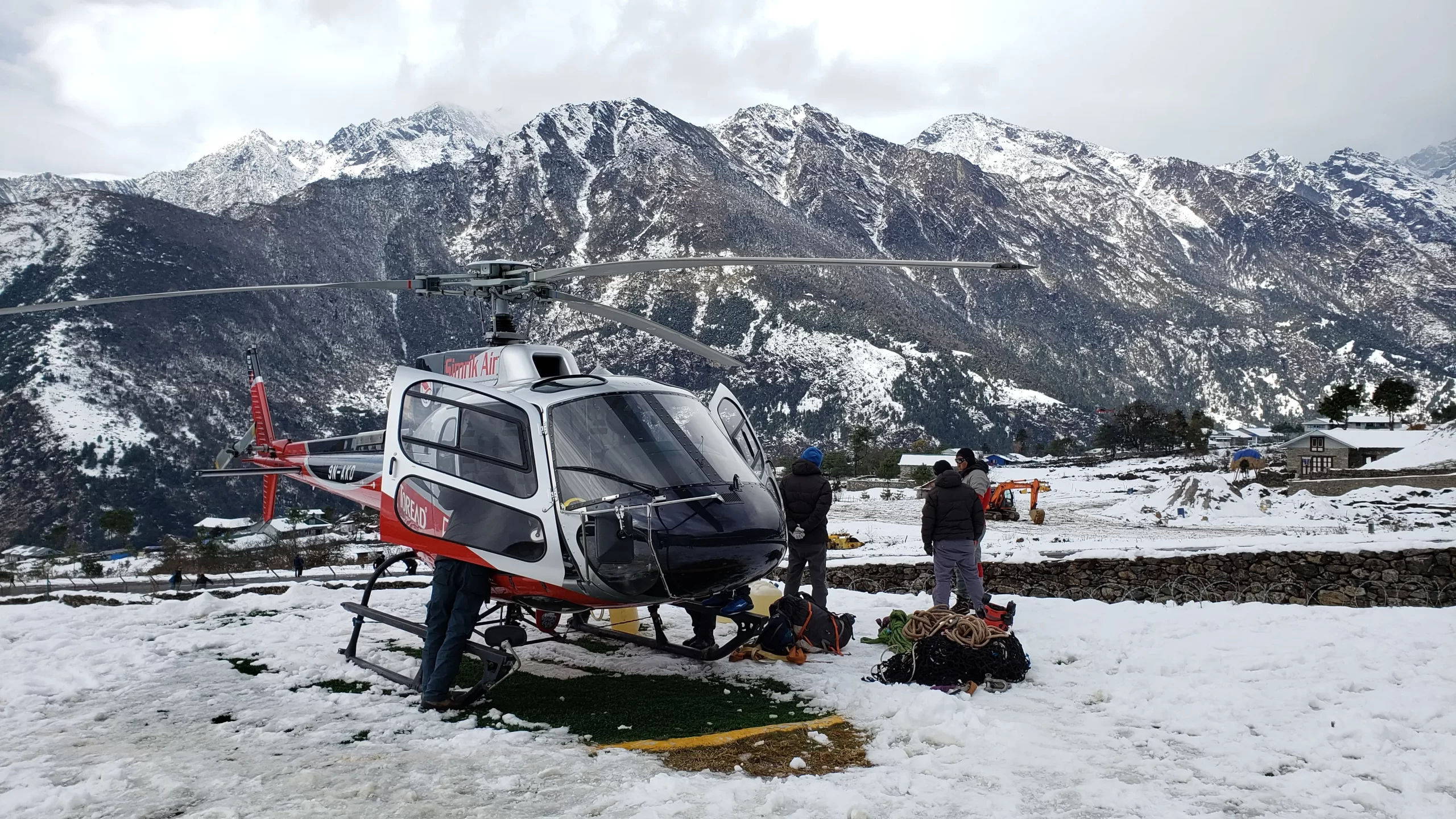
Photo: Surendra Paudel, a helicopter pilot in Simrik Air | Aviospace.org
6. Prepare for Your License Conversion.
The provision of license conversion by the aviation regulatory agency is another matter that you need to consider. Many Nepali students complete flight training overseas and receive a licence from the aviation authority of the country where they train. If they subsequently want to use that licence in Nepal, they may need to complete CAAN’s foreign-licence conversion or validation process.
The applicable process can include document verification, examinations, medical requirements and other conditions depending on the licence and the country that issued it. Students should confirm CAAN’s current requirements before choosing an overseas flight school.

7. Adhering to Flying Rules and Regulations
Even after passing the last test and obtaining a Nepalese license, there are still a number of flying laws and guidelines that you should be aware of and adhere to. The ability to act as a pilot-in-command or co-pilot of an airplane, helicopter, or powered lift requires an appropriate type rating.
The CAAN also stipulates a guideline regarding license validity. The Civil Aviation Authority of Nepal has given a pilot license that complies with all relevant standards, including the validity of the medical certificate, which is good for five years. PPL, CPL, ATPL, balloon, and glider pilot licenses are all covered by these licenses. However, owners of a Microlight/Ultralight Pilot License are required to renew it annually.
Holding a pilot licence does not remove the requirement to maintain current medical certification, ratings and other applicable qualifications. Pilots must also comply with CAAN’s requirements regarding licence privileges, aircraft ratings, recency and operational currency.

8. The Salary of a Pilot in Nepal
Pilots get paid hourly. How much they get paid depends on their experience, the routes they fly, and the airlines they are contracted with. A senior pilot in Nepal who flies on international routes can expect to get a gross monthly income of Rs 600,000.
The co-pilot typically makes Rs 400,000. The senior pilot and co-pilot flying the airliner on domestic networks make up to Rs 400,000 and Rs 190,000, which might be thought of to be modest.
9. What is the Scope of Pilots in Nepal
The good news is that Nepal’s airline fleet capacity and route networks are gradually growing. There are two or three new airlines that are expected to start operating in our country.
As air travel is getting more accessible in Nepal, the number of passengers is expected to rise too. And that will, in turn, put pressure on the airlines to add new aircraft to their fleet. Contrary to the few carriers in the past, the air situation is improving every day as new players enter the airline industry.
10. Flight privileges for Pilots in Nepal
Nepal accords skilled pilots with a specific level of societal esteem alongside other benefits such as the chance to travel, a competitive wage, health and insurance benefits, family flying discounts and freebies, etc.
Pursuing the piloting profession in aviation can make your goal of holding office in the skies a reality.
Pilot training is a significant financial and professional commitment, particularly for Nepali students who choose to train abroad. Checking CAAN’s latest licensing, medical and licence-conversion requirements before enrolling can help students avoid unexpected costs or regulatory complications later in their careers.



.jpg)

.jpg)


