

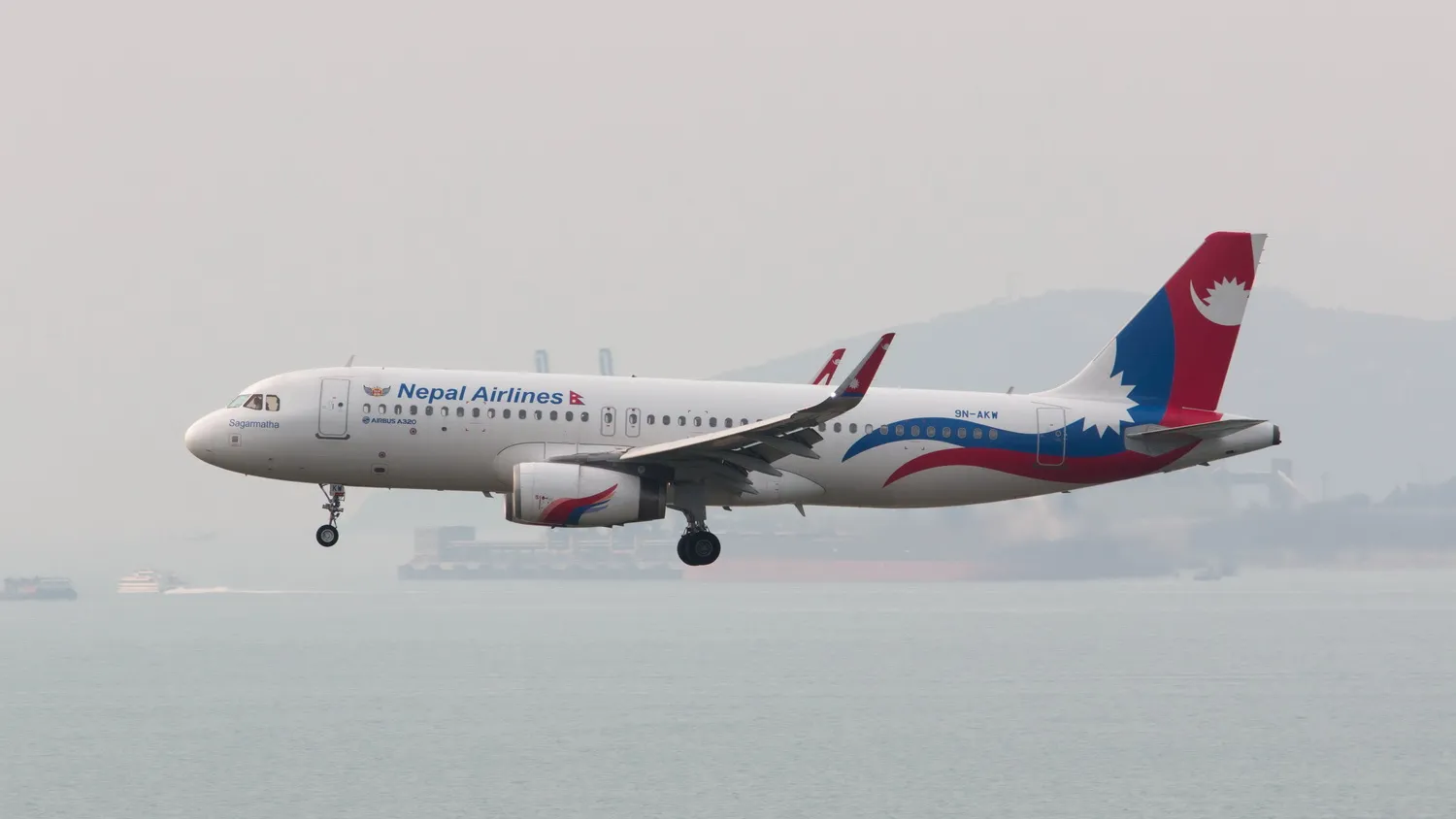
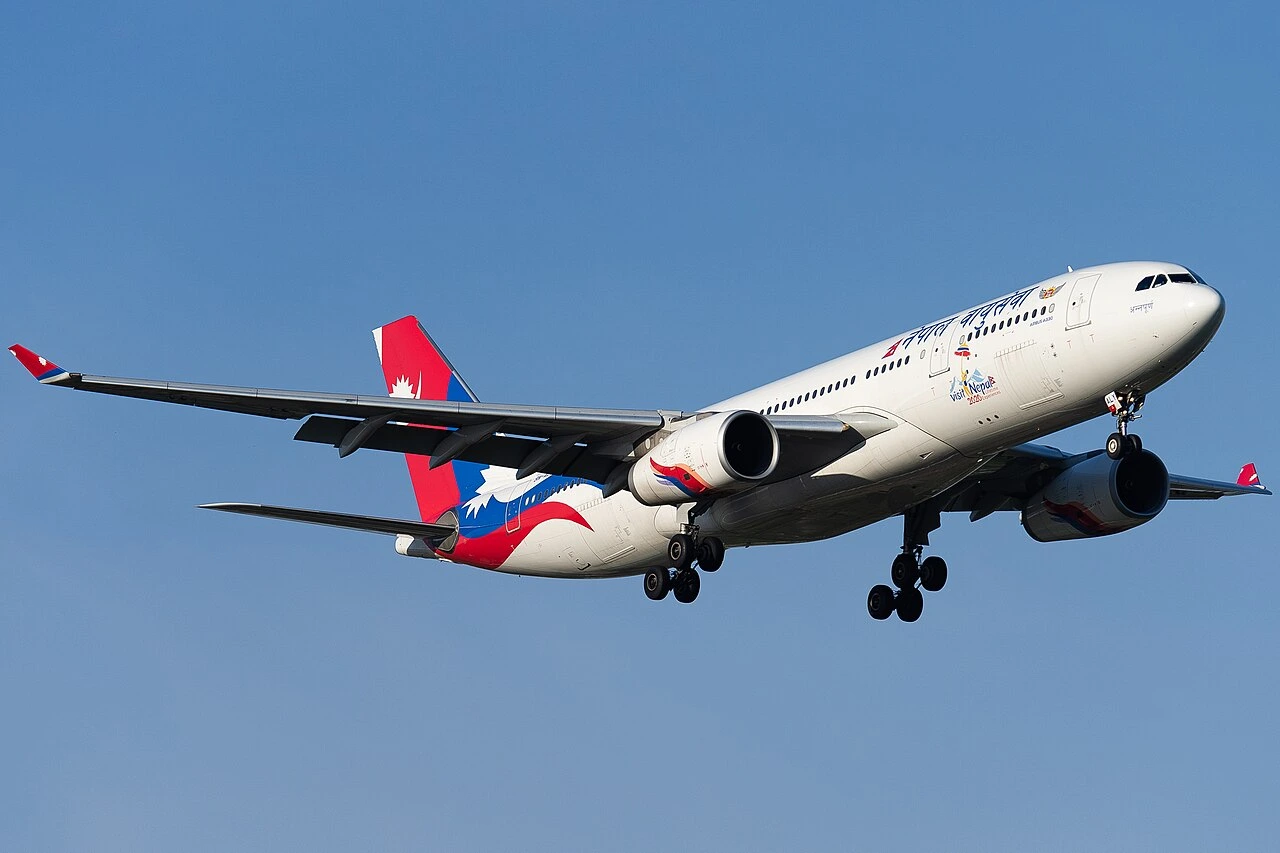
Nepal imported aircraft spare parts worth $28.74 million in the first two months of fiscal year 2025/26, a 357.7 percent increase from $6.13 million in the same period last year, according to NepseTrading. The rise is the highest among all major import categories tracked by Nepal Rastra Bank for the period. Nepal’s aviation sector is small by regional standards. Nepal Airlines, the flag carrier, operates only two widebody and two narrowbody aircraft.
An Overview of Aircraft Spare Parts Imports in 2025/2026 in Nepal
The numbers behind the surge of aircraft spare parts in Nepal for the first two months of the fiscal year 2025/2026 is staggering to say the least: Nepal imported parts worth $28.74 million (Rs. 4.06 billion), compared to the fiscal year 2024/2025 where Nepal imported aircraft spare parts worth $6.135 million (Rs. 886.6 million).
Let’s have a look at the data in the following table to compare the aviation sector with other fields in the nation:
| Category | FY 2024/25 (First Two Months) | FY 2025/26 (First Two Months) | Year-on-Year Change (%) | Remarks |
|---|---|---|---|---|
| Aircraft Spare Parts | Rs. 886.6 million | Rs. 4.06 billion | +357.7% | Highest year-on-year growth among major import categories |
| Chemical Fertilizers | NG | NG | +68.1% | Among fastest-growing import categories |
| Transport Equipment | NG | NG | +31.7% | Significant rise reflecting infrastructure investment |
| Telecommunication Equipment | NG | NG | +29.1% | Driven by digital infrastructure expansion |
| Total Imports (All Categories) | NG | Rs. 305.15 billion | +16.2% | Overall import growth for Nepal in first two months of FY 2025/26 |
The data might just indicate that the aviation sector of Nepal is undergoing some major overhaul. Nepal has a relatively fewer number of planes. Its neighboring country India, for example, has a budget carrier (which is the largest carrier in India) named Indigo, which operates more than 400 aircraft – a number which is almost eight times the total number of aircraft in Nepal. China’s largest carrier, China Southern, on the other hand has nearly 700 aircraft in its fleet.
The surge in aircraft spare-parts imports could be an early indication that Nepal’s aviation sector is entering a broader phase of modernization. Industry observers have linked the increase in demand to airlines investing in maintenance, safety improvements and fleet reliability.
The data does not specify which aircraft types or airlines the imported parts belong to. Nepal’s fleet includes aircraft old enough to require major overhauls, which may explain part of the increase.
Demand is also being supported by preparations for new aircraft acquisitions and plans to restore international routes that had previously been suspended. Together, these developments are increasing the need not only for aircraft components but also for ground-support equipment, potentially signaling a wider shift toward strengthening Nepal’s aviation infrastructure.
Nepal’s Fleet Includes Aircraft Older Than 40 Year
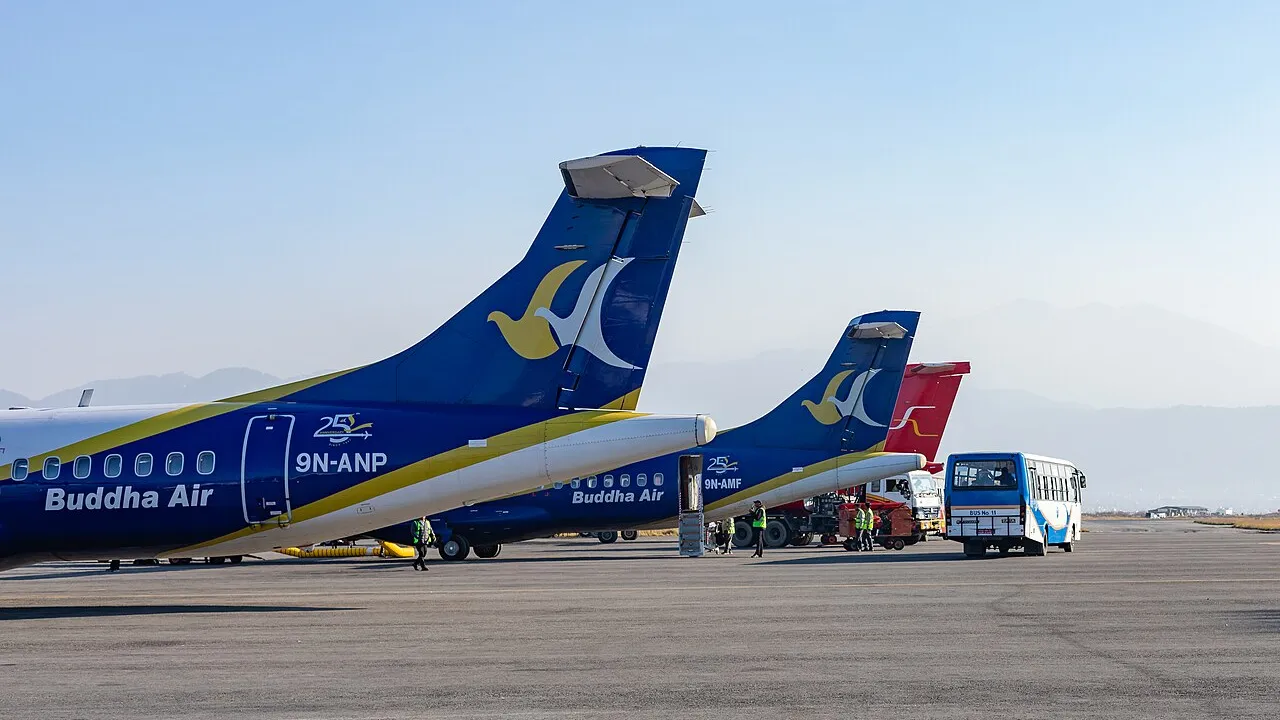
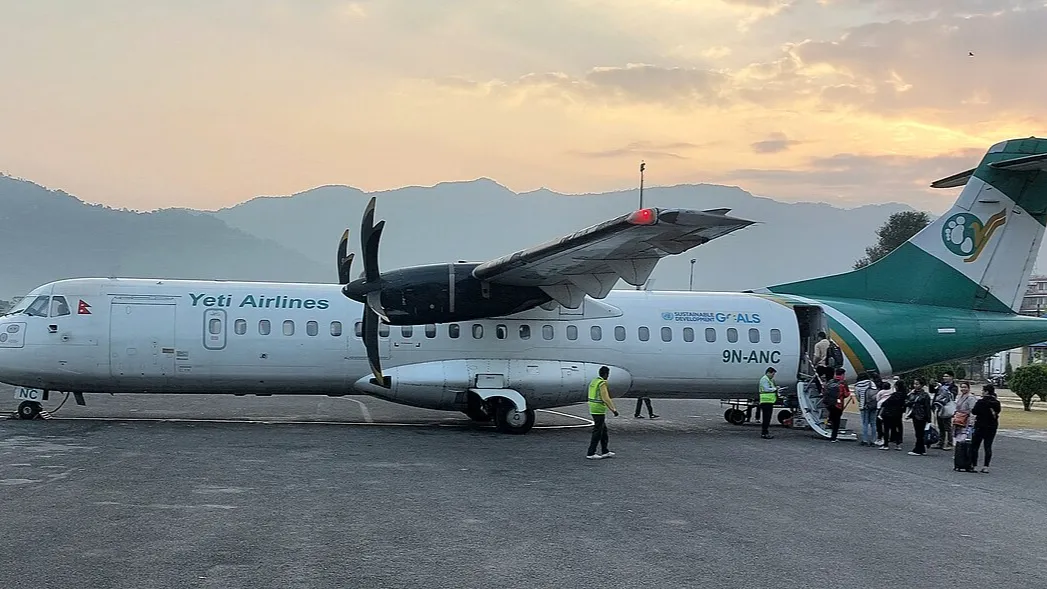
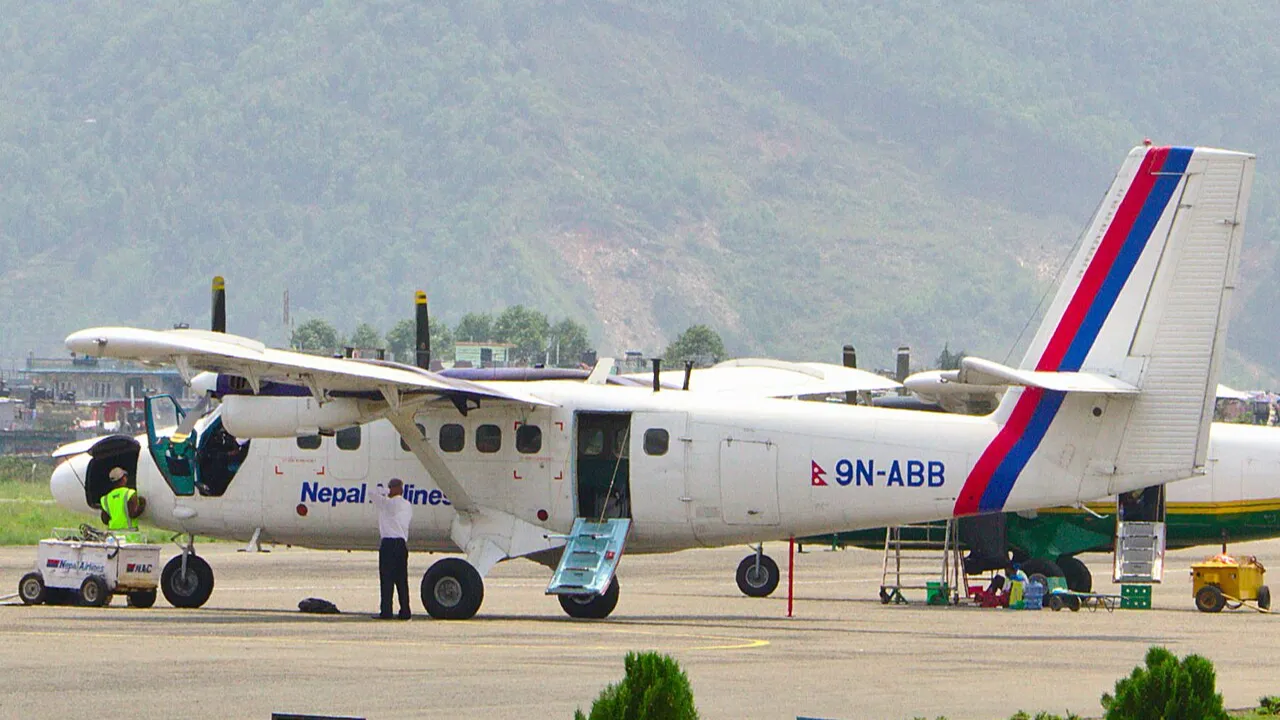
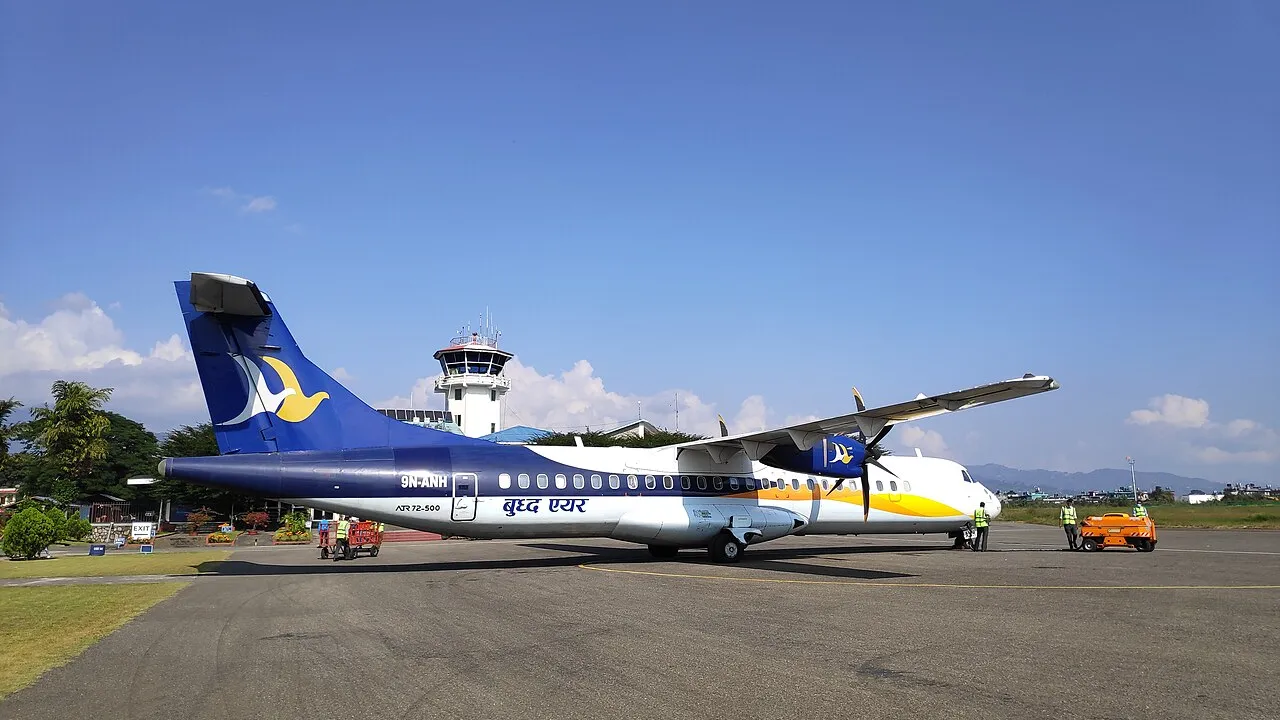
Nepal has always been accused of operating really old aircraft, compromising on the safety of passengers. Nepal Airlines, for example, has two De Havilland Canada DHC-6-300 Twin Otter aircraft that average more than 41 years, reported planespotters.net. Yeti Airlines operates a fleet of ATR 72 and ATR 42 gave an average age of 17 years, while the three ATR 42s operated by Buddha Air are over 30 years old.
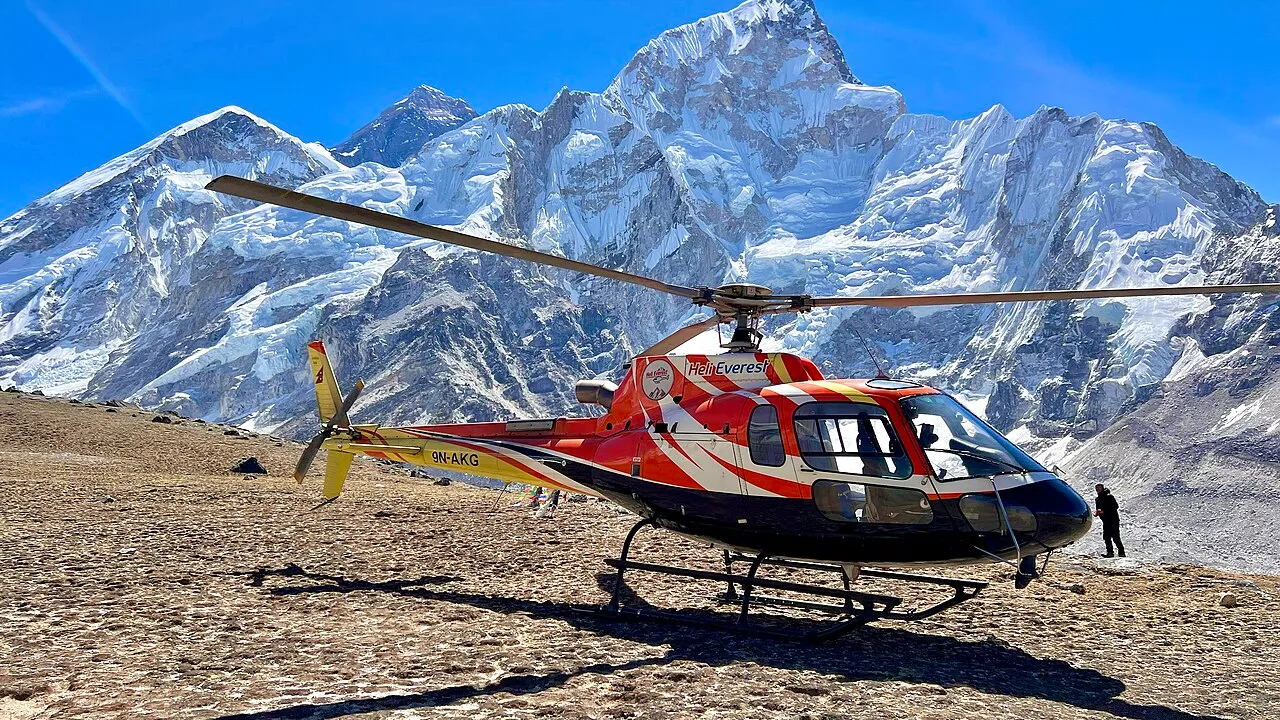
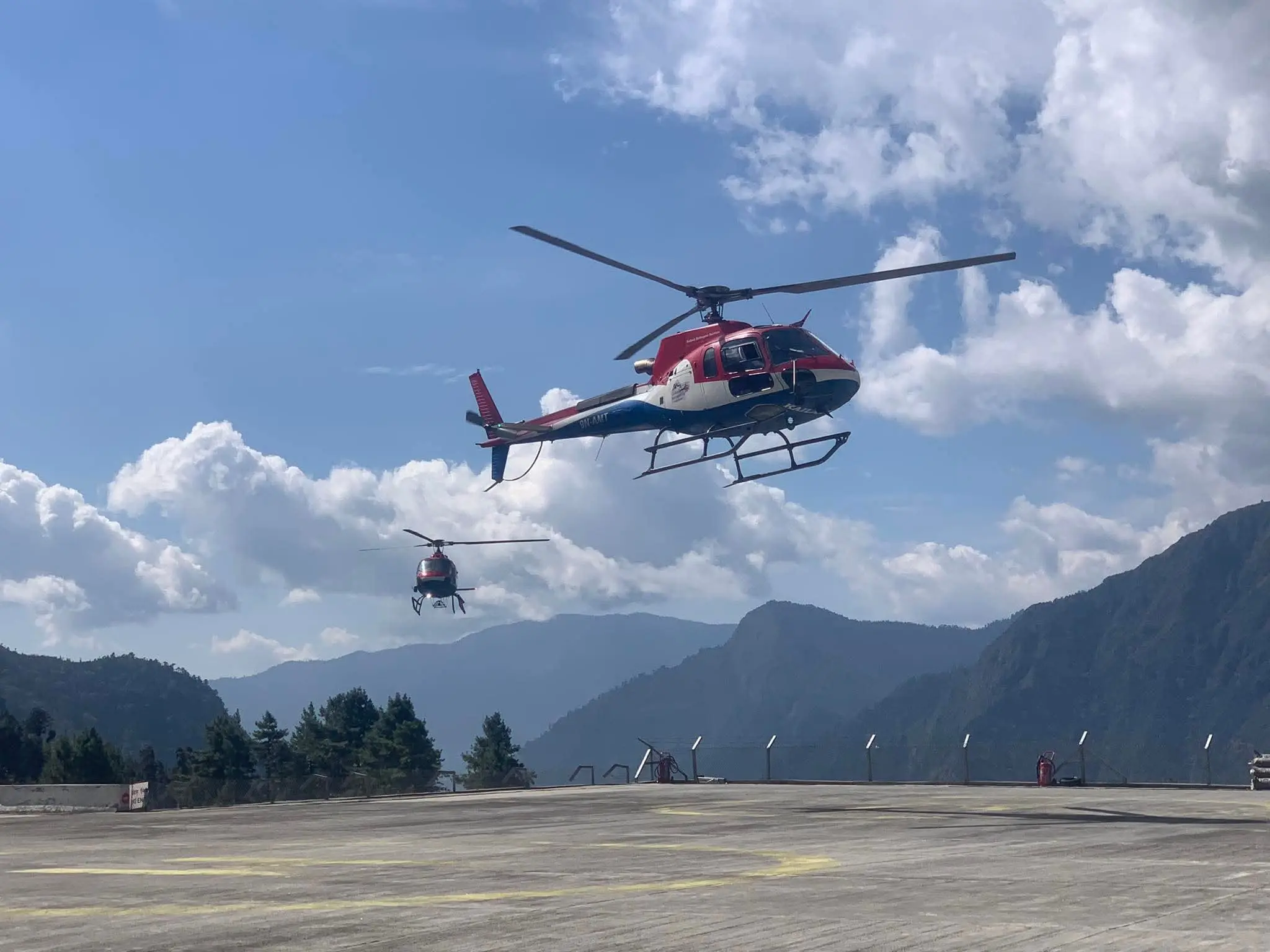
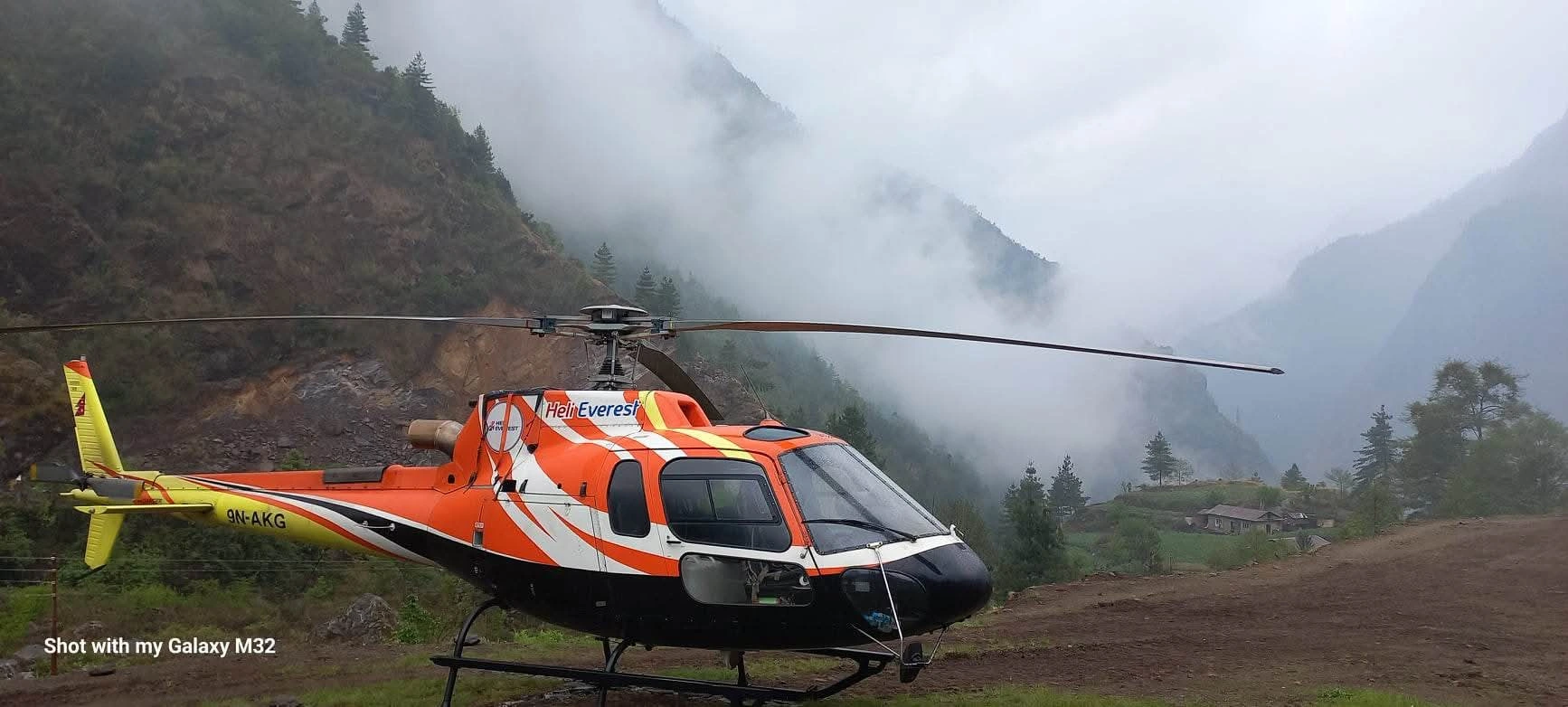
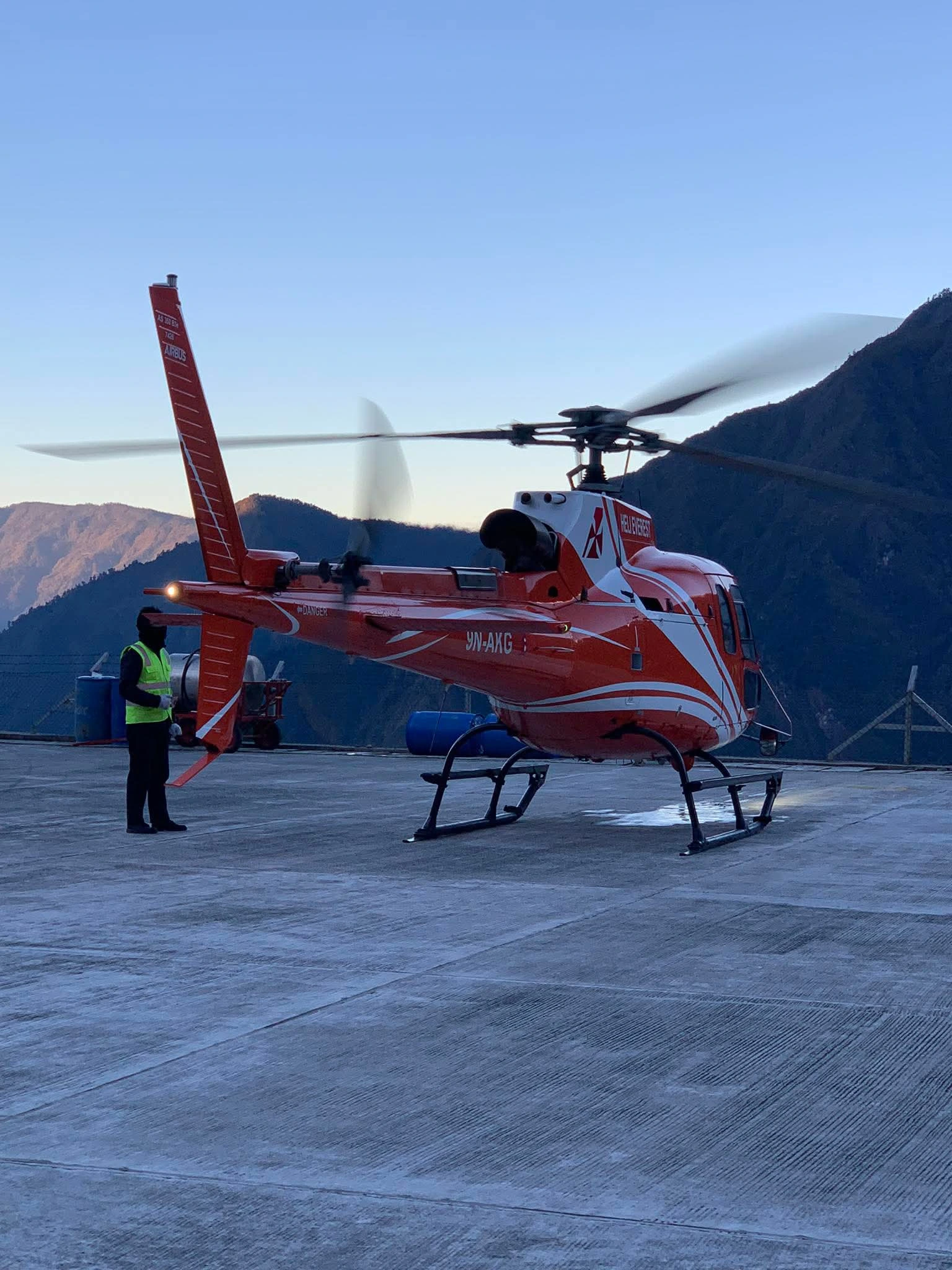
Rotorcraft operators of Nepal primarily operate the Airbus H125 (which was previously known as Airbus A350B3). This is a helicopter that has landed at the top of Everest. While Shree Airlines operates Mil Mi-17s, which used to fly regularly to Syangboche Airport in the Everest region on occasions, and Prabhu operator used to operate Robinson helicopters, the majority of helicopters in Nepal are of the H125 type.
The data that shows that Nepal’s aircraft spare imports have increased fourfold aren’t specific to point to which type of spare (for which aircraft types) parts are being imported.
What are Nepal’s Other Imports in the First Two Months of FY 2025/2026?
This sharp rise in aircraft part import in the first couple of months of 2025 is emblematic of the renewed maintenance and fleet modernization efforts of the domestic fixed-wing and rotorcraft operators of the nation. Due to the pandemic’s impact on aviation operations and reduced international flight operations (such as the stalling of flights from Pokhara and Gautam Buddha Airport), Nepal’s aviation saw a blip.
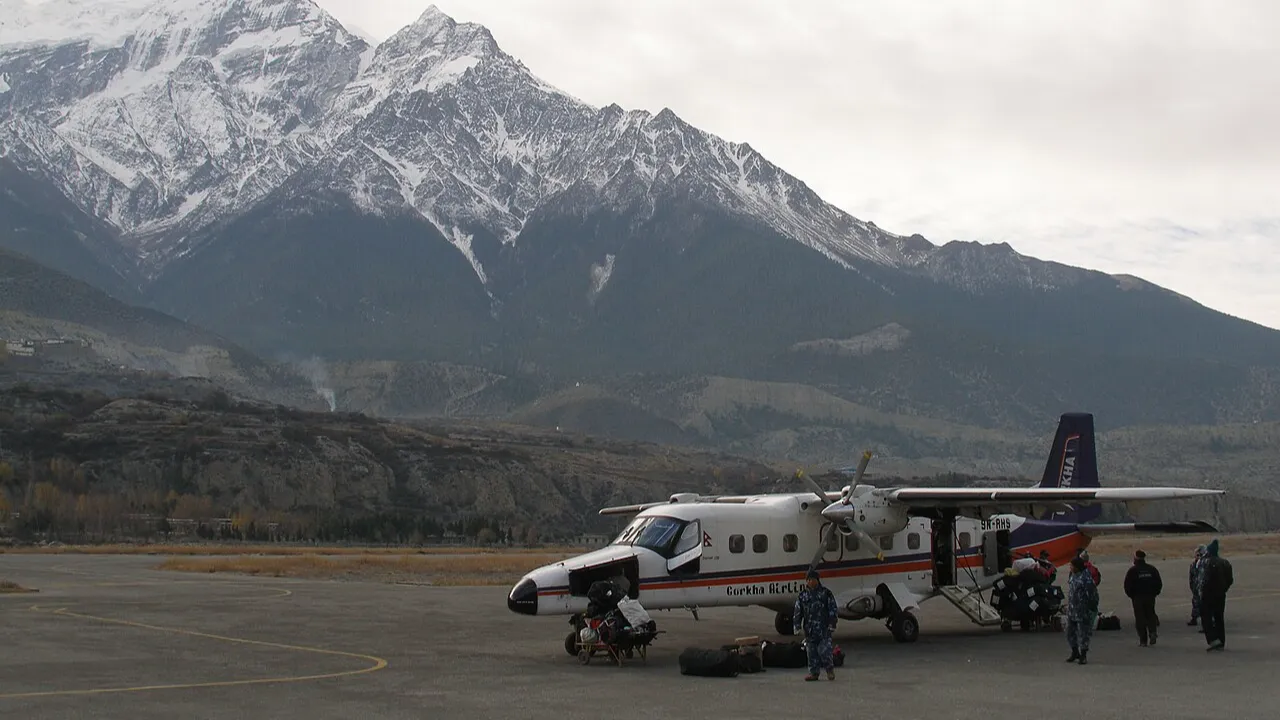
But now that aviation activities rebounding with Nepal Airlines being able to garner slots in Sydney, international flights to Tibet resuming from Pokhara, and international flights to the gulf nations from Lumbini Airport, air traffic returning to pre-COVID levels, and greater interest in helicopter operations to Everest Base Camp and other regions, Nepal’s aviation sector might have a boom.
But it is not only the aviation sector that has seen a rise, reports Nepal Rastra Bank:
“During the two months of 2025/26, mercandise imports increased 16.2 percent to Rs.305.16 billion compared to an increase of 1.1 percent a year ago. Destination-wise, imports from India, China, and other countries increased 8.0 percent, 25.1 percent, and 33.4 percent respectively. Imports of crude soyabean oil, chemical fertilizer, transport equipment, vehicle and spare parts, aircraft
spareparts and telecommunication equipments and parts among others increased…”
The increase in aircraft-related imports could add pressure to Nepal’s trade deficit, since aviation equipment involves high-value foreign purchases. Analysts typically note that such spending is best offset by service exports, such as maintenance, repair, and overhaul facilities based in the country.
.jpg)


Leave a Reply