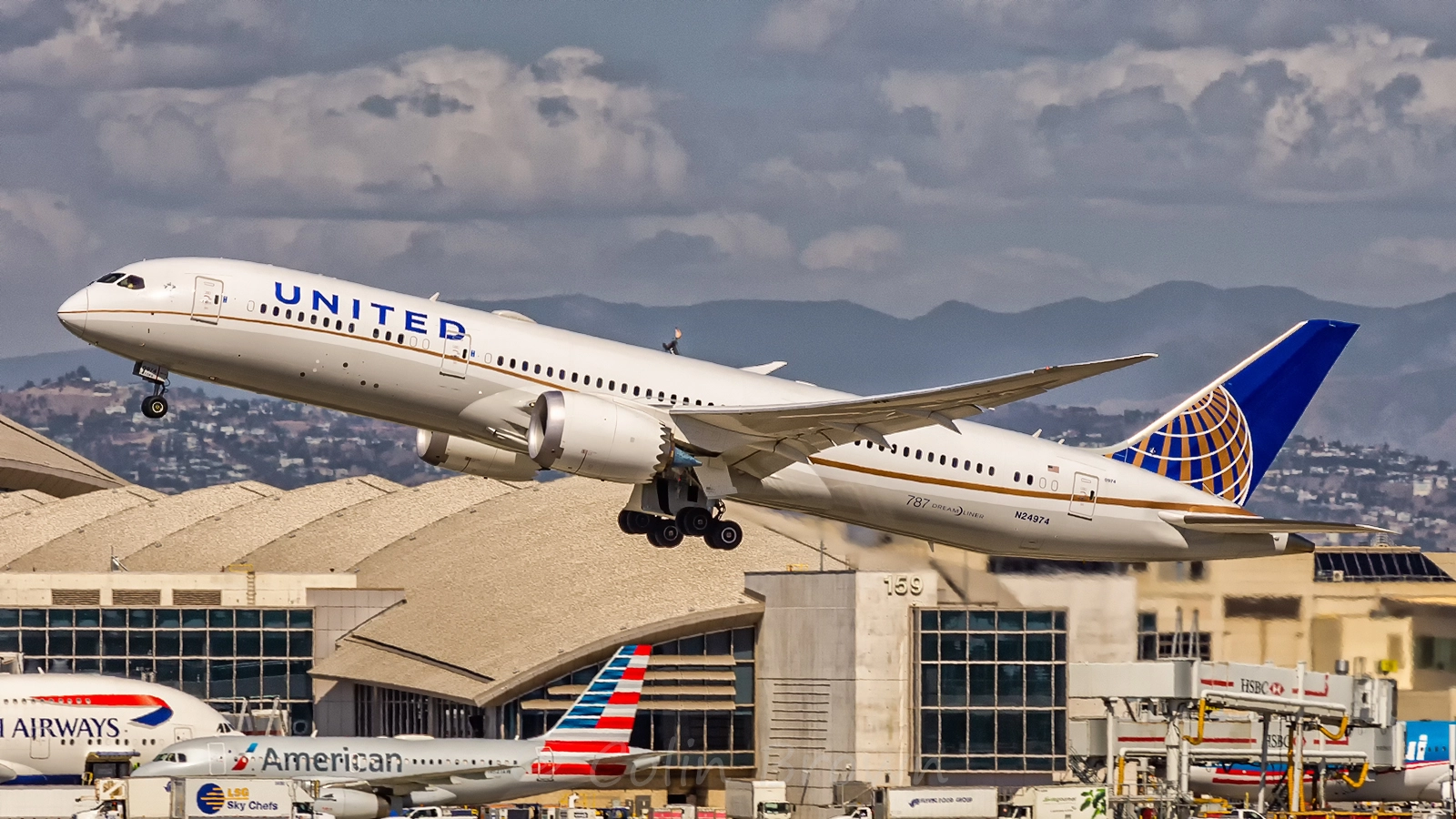
United Airlines (UA) canceled its Boeing 787-9 (N61101) flight from London Heathrow Airport (LHR) to San Francisco International Airport (SFO) on Friday, July 3, 2026. The aircraft’s Traffic Alert and Collision Avoidance System (TCAS) failed again, only days after the plane returned from a Boeing maintenance visit. Aviation insider JonNYC first flagged the issue on X, and the problem was later detailed in a Simple Flying report.
The canceled flight was United’s UA939 service back to San Francisco. Both TCAS antennas on the aircraft had already been replaced once at Boeing’s Moses Lake facility in Washington State. United has not confirmed the exact cause of the repeat failure, and a spokesperson could not be immediately reached for comment.
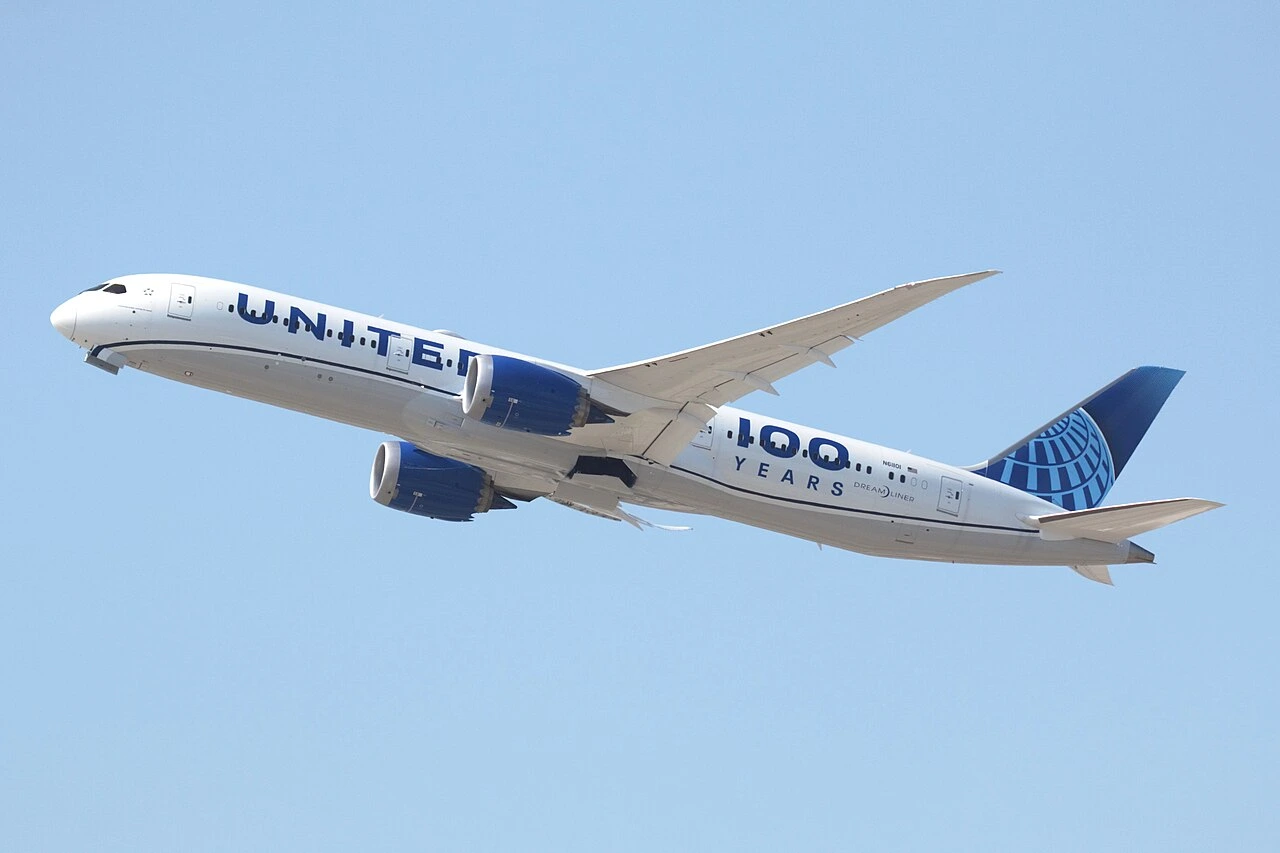
What Happened to N61101 at Heathrow on July 3, 2026
N61101 flew from San Francisco to London on July 2 without major disruption. It departed SFO at 7:54 PM and landed at LHR roughly 10 hours later at 1:55 PM local time. The return leg, scheduled to depart at 6:15 PM, was canceled after ground crews found the TCAS system had failed again.
A forum post on Airliners.net, cited by JonNYC, described the fault directly. “TCAS keeps failing,” one poster wrote, adding that ground teams had replaced both antennas at Moses Lake only for the system to fail again at Heathrow. The aircraft remained parked on the Heathrow apron as of Friday evening, with a new departure targeted for Saturday at 7:00 PM.
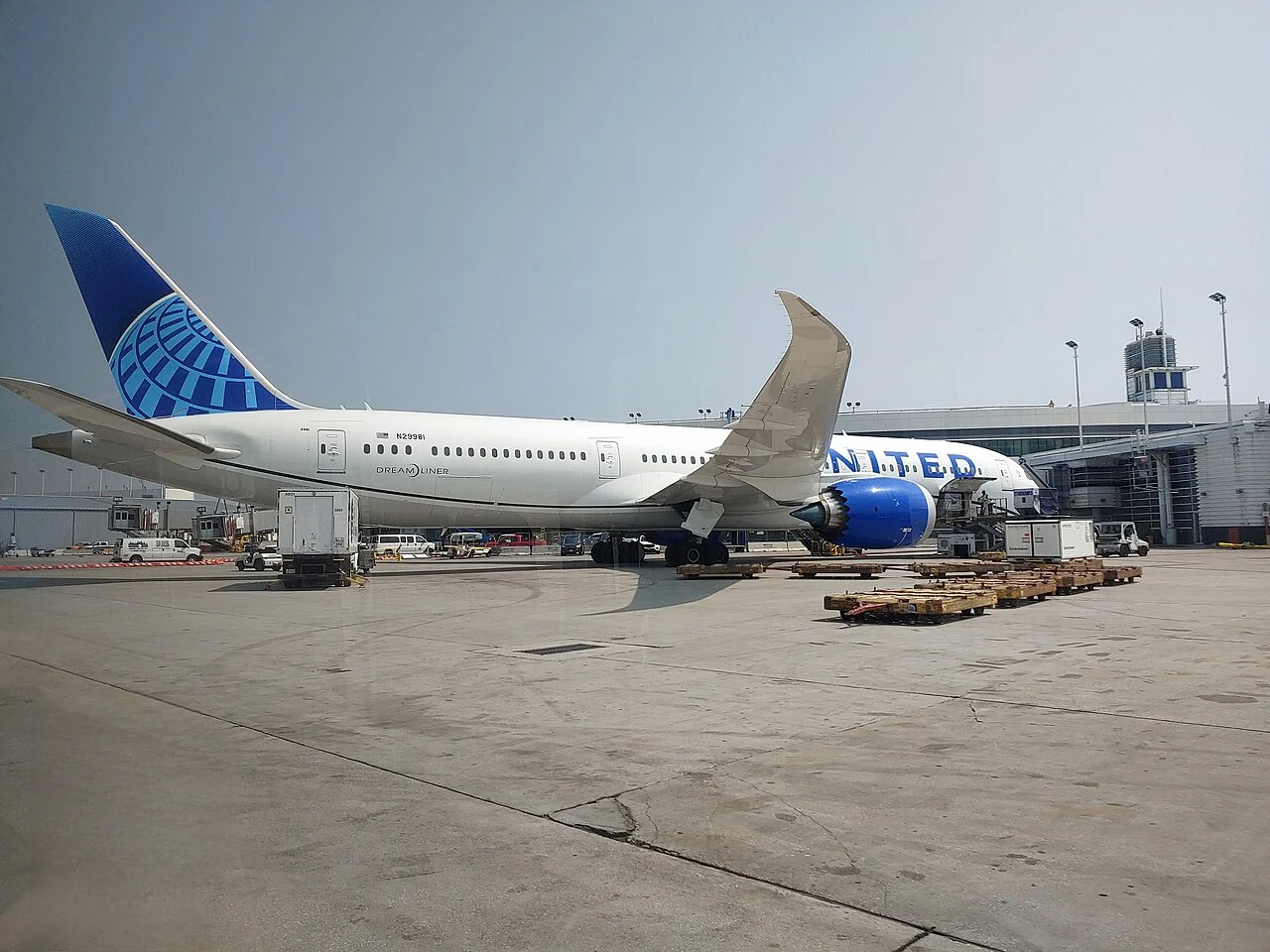
Aircraft’s Troubled History Since its February Delivery
N61101 is not new to unscheduled groundings. Boeing delivered the aircraft to United from its Charleston, South Carolina, assembly line at the end of February 2026. It entered commercial service on March 29, carrying United’s 100th-anniversary decal and its first “Elevated” cabin interior.
The jet diverted back to Singapore on its very first international return flight on April 24 after crew reported an electrical smell onboard, according to One Mile at a Time. It was ferried home empty for repairs, then grounded again in Singapore in early May and a third time after a June 4 departure. A June 13 flight to London triggered a fourth empty ferry flight back to San Francisco.
On June 20, United sent the aircraft to Boeing’s Moses Lake facility for specialized repairs. That is the same site the aircraft returned from just before Friday’s Heathrow cancellation. In total, the jet has logged at least four passenger-free repositioning flights in under three months of commercial service.
According to data from planespotters.net, the aircraft involved is N61101, N61101 has manufacturer serial number 68647, line number 1267, and was built at Boeing’s Charleston, South Carolina production facility. Just around six months old, the jet was delivered to United Airlines in February 2026 after flying from Charleston to Washington Dulles (IAD) on its delivery flight on February 27. Configured with 222 seats—64 in Business Class, 35 in Premium Economy, and 123 in Economy—and powered by two GE engines, the aircraft entered commercial service on March 29, 2026. It also briefly carried a special “100 Years” sticker in March to commemorate United Airlines’ centennial celebrations.
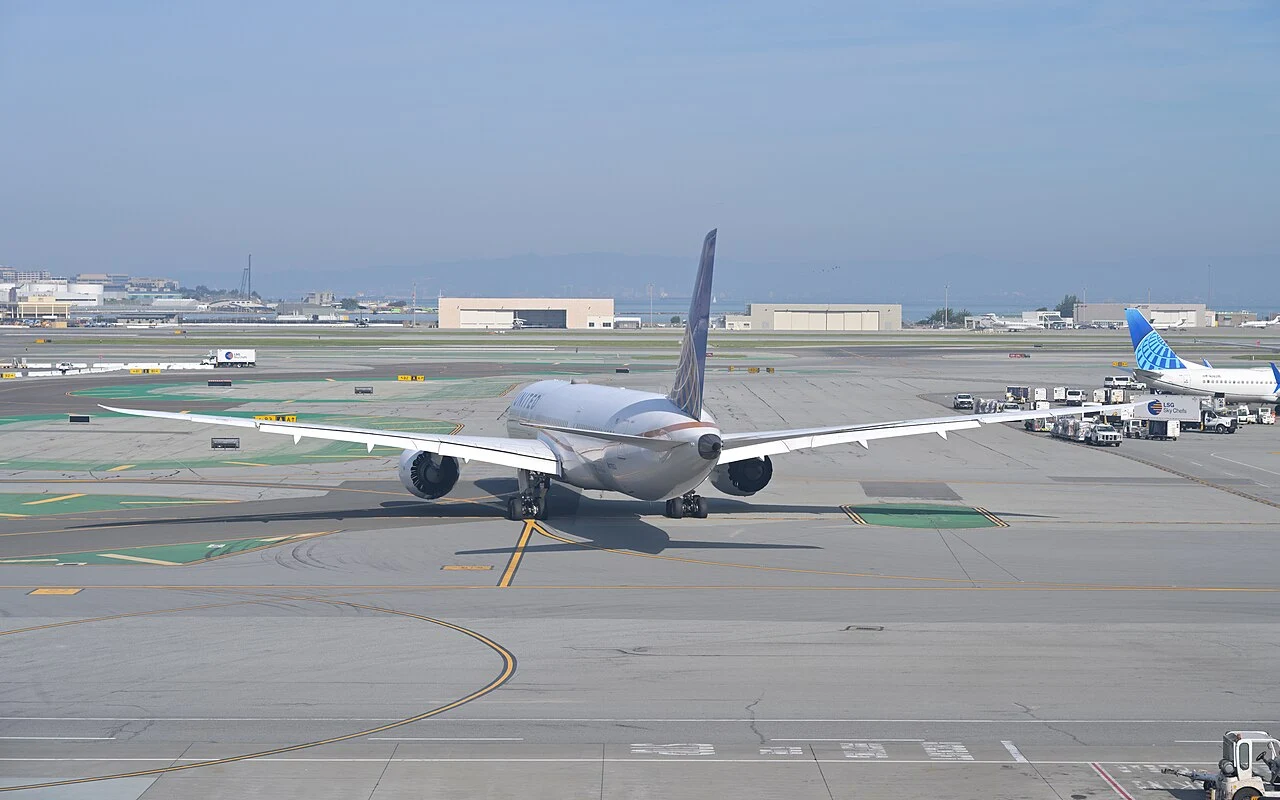
What TCAS Does and Why a Failure Grounds a Flight
TCAS is a safety system fitted to all large commercial aircraft. It uses onboard antennas to detect nearby aircraft and warns pilots of a possible collision. Airlines treat a TCAS fault as a dispatch-critical issue rather than a cosmetic one, since regulators require the system to be functional before a flight can depart.
That explains why United chose to cancel the flight outright rather than delay and troubleshoot the antennas in place. Replacing TCAS antennas is normally a straightforward job. The fact that the same fault reappeared right after a replacement suggests the root cause sits deeper in the aircraft’s wiring or software, rather than in the antennas themselves.
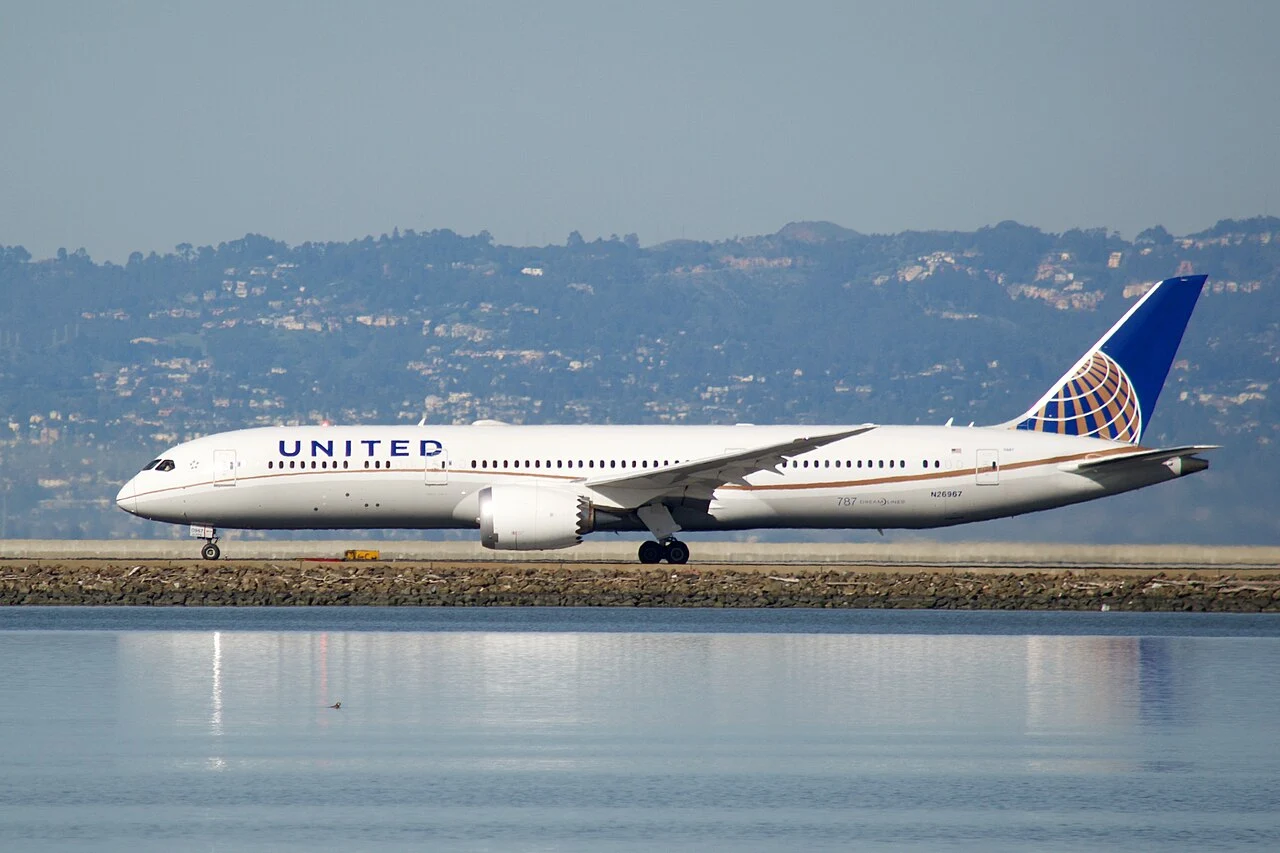
How this Compares with Other New-Aircraft Teething Problems
N61101 is not the only recently delivered widebody to face early reliability issues. Another United “Elevated” 787-9, registered N61104, has logged a notable number of maintenance events of its own, according to Simple Flying’s earlier coverage. United is not alone among US carriers either.
American Airlines faced a similar situation with its own new 787-9, tail number N846AN, which suffered pressurization problems tied to its door seals shortly after entering service in 2025. That aircraft was fixed without being sent back to Boeing and has since returned to normal service. N61101’s repeat fault, by contrast, has already required two separate visits to a Boeing repair facility, which points to a more stubborn problem.
Commentary on the story has also varied by outlet. Frequent-flyer blogger Zach Griff, quoted on X and picked up by Simple Flying, remarked during an earlier grounding that “the jet just went mechanical again.” Other coverage, including from Air Traveler Club, has focused less on the mechanical root cause and more on the operational ripple effect, noting that United’s Singapore and London Heathrow schedules are running with a thinner spare-aircraft buffer during peak summer travel as a result.
What Happens Next for N61101
United has not given a timeline for when N61101 will return to reliable service. The airline continues to work alongside Boeing to identify the root cause of the repeated TCAS failures. Until then, United is expected to keep substituting older 787s or other widebody types on the routes N61101 was built to fly.
That substitution carries a real cost for passengers. The eight Polaris Studio seats exist only on this aircraft within United’s current fleet, so anyone booked into that cabin on an affected flight will not get the same seat on a replacement aircraft. With United’s long-haul schedule already tight for the summer, further disruption to N61101 would leave fewer backup options than usual.

.jpg)


.jpg)
.jpg)