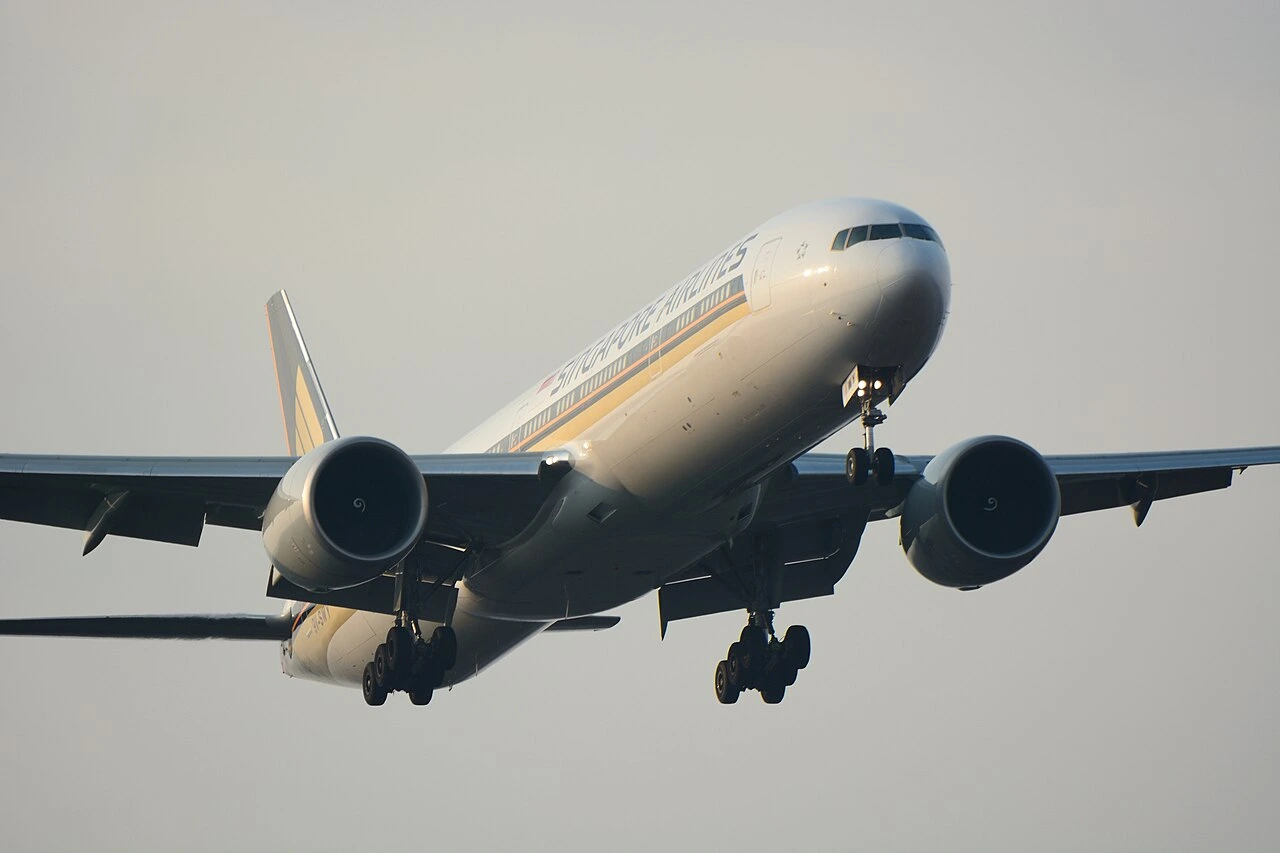
Singapore Airlines (SQ) and its low-cost subsidiary Scoot (TR) both recorded turbulence encounters in June 2025 that Singapore’s aviation safety authorities classified as accidents. One involved a Scoot Boeing 787-8 over the South China Sea on June 9 to 10, and the other involved an SIA Airbus A350-900 descending into Shanghai on June 27. According to a report from The Straits Times, both events resulted in injuries to crew members.
Singapore’s Air Accident Investigation Bureau (AAIB) and the country’s Transport Safety Investigation Bureau (TSIB) handle occurrence classification for Singapore-registered aircraft. An occurrence is labeled an accident once at least one occupant sustains a serious injury, a threshold both June 2025 events met. Neither flight suffered structural damage, and both aircraft completed their journeys without further incident.
What Happened on Scoot Flight TR100 Over the South China Sea
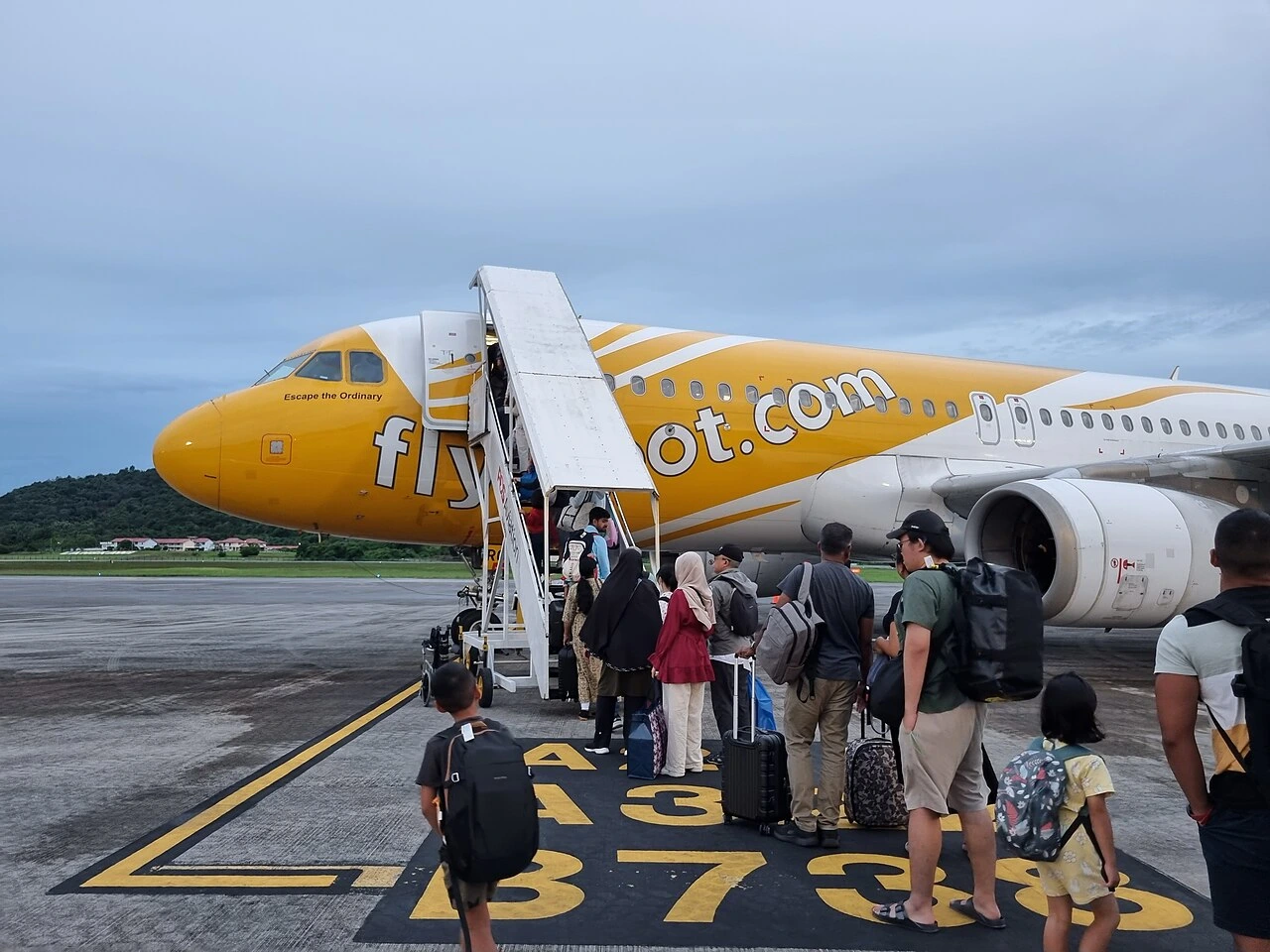
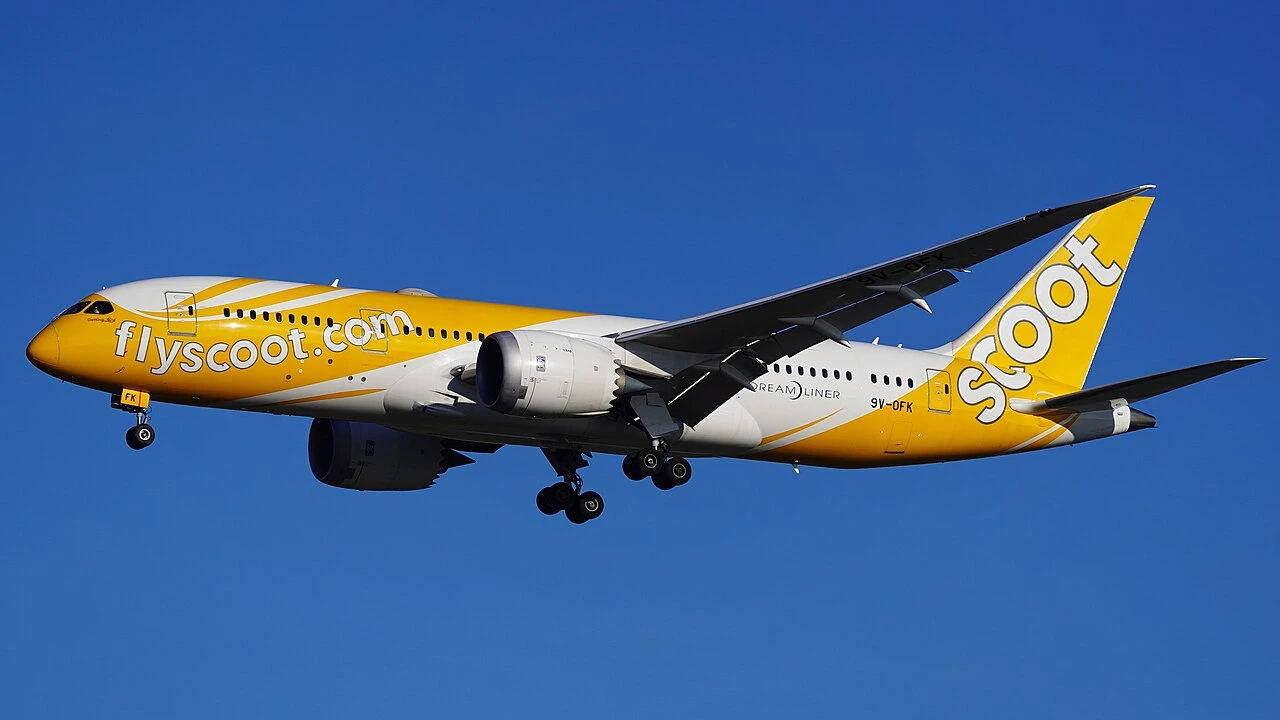
Scoot Flight TR100 encountered a sudden turbulence event while cruising at 39,000 feet en route from Singapore to Guangzhou on June 9, 2025, injuring two cabin crew members. The Boeing 787-8 Dreamliner had departed Singapore Changi Airport (SIN) at 05:37 local time and was flying normally as it entered Vietnam’s Ho Chi Minh Flight Information Region (FIR), where the crew began monitoring scattered weather along the route.
Initially, the weather directly ahead appeared clear, and the fasten seat belt sign remained off in its automatic mode as the aircraft transitioned from visual to instrument meteorological conditions. As the flight continued, the first officer detected green weather returns on the aircraft’s weather radar roughly 8 to 10 nautical miles ahead. After both pilots reduced the radar display range, they confirmed a patch of weather directly along their flight path.
Concerned that turbulence might lie ahead, the crew slowed the aircraft from Mach 0.86 to the recommended turbulence penetration speed of Mach 0.84 and intended to request a deviation from air traffic control. However, heavy radio congestion prevented them from contacting controllers in time. Believing the weather echoes represented a manageable area, the captain elected to continue on course while switching on the seat belt signs as a precaution.
According to Aviation Safety Network, before the captain could make a public announcement instructing the cabin crew to stop service and take their seats, the aircraft was hit by 32 seconds of turbulence. During the encounter, the aircraft briefly climbed about 200 feet above its assigned altitude as the first officer momentarily deployed the speed brakes to reduce airspeed.
At the time, meal service had already concluded, and cabin crew members were either tidying the cabin or eating in the forward and aft galleys. Several crew members were thrown into the air before landing on the cabin floor, with two crew members in the rear galley sustaining injuries serious enough to prevent them from continuing their duties. Despite the incident, the aircraft continued to Guangzhou Baiyun International Airport, where it landed safely and the injured crew members were taken to a local hospital for treatment.
Investigators concluded that the turbulence was most likely associated with areas of medium to dense cloud near the aircraft rather than any mechanical issue. They also found that although the pilots had identified deteriorating weather and illuminated the seat belt signs, there was insufficient time to warn the cabin crew before the turbulence struck.
The investigation highlighted the importance of taking an even more conservative approach when operating near convective weather, recommending that flight crews activate the seat belt signs and alert cabin crew at the earliest opportunity whenever weather conditions become uncertain.
What Happened on SIA Flight SQ832 Near Shanghai
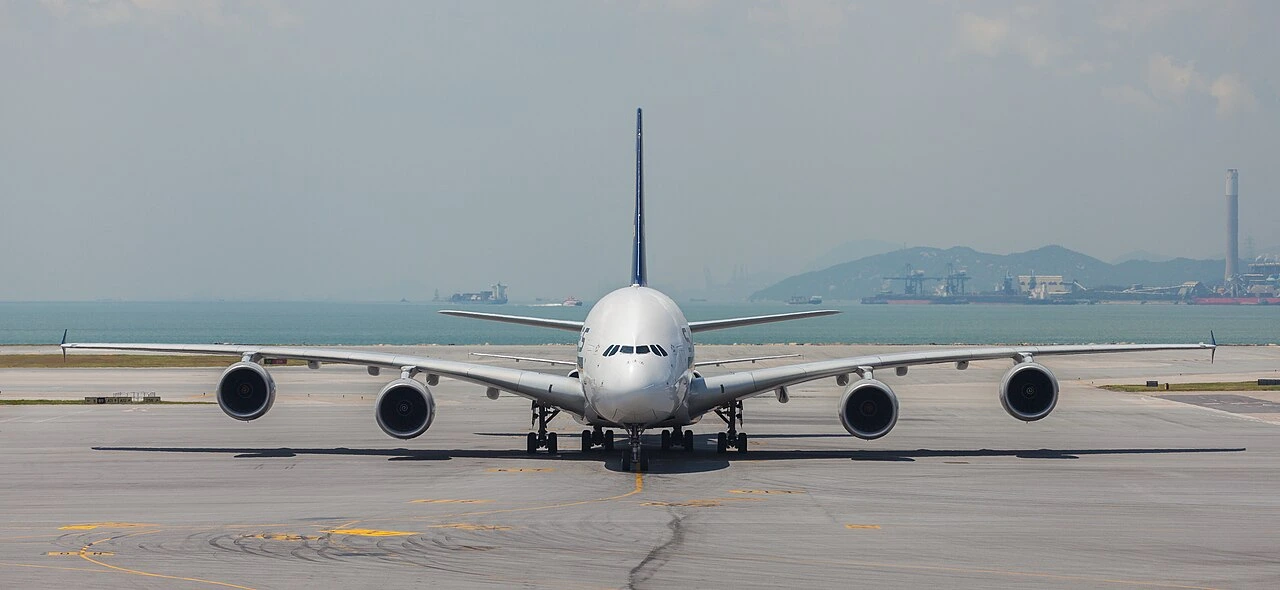
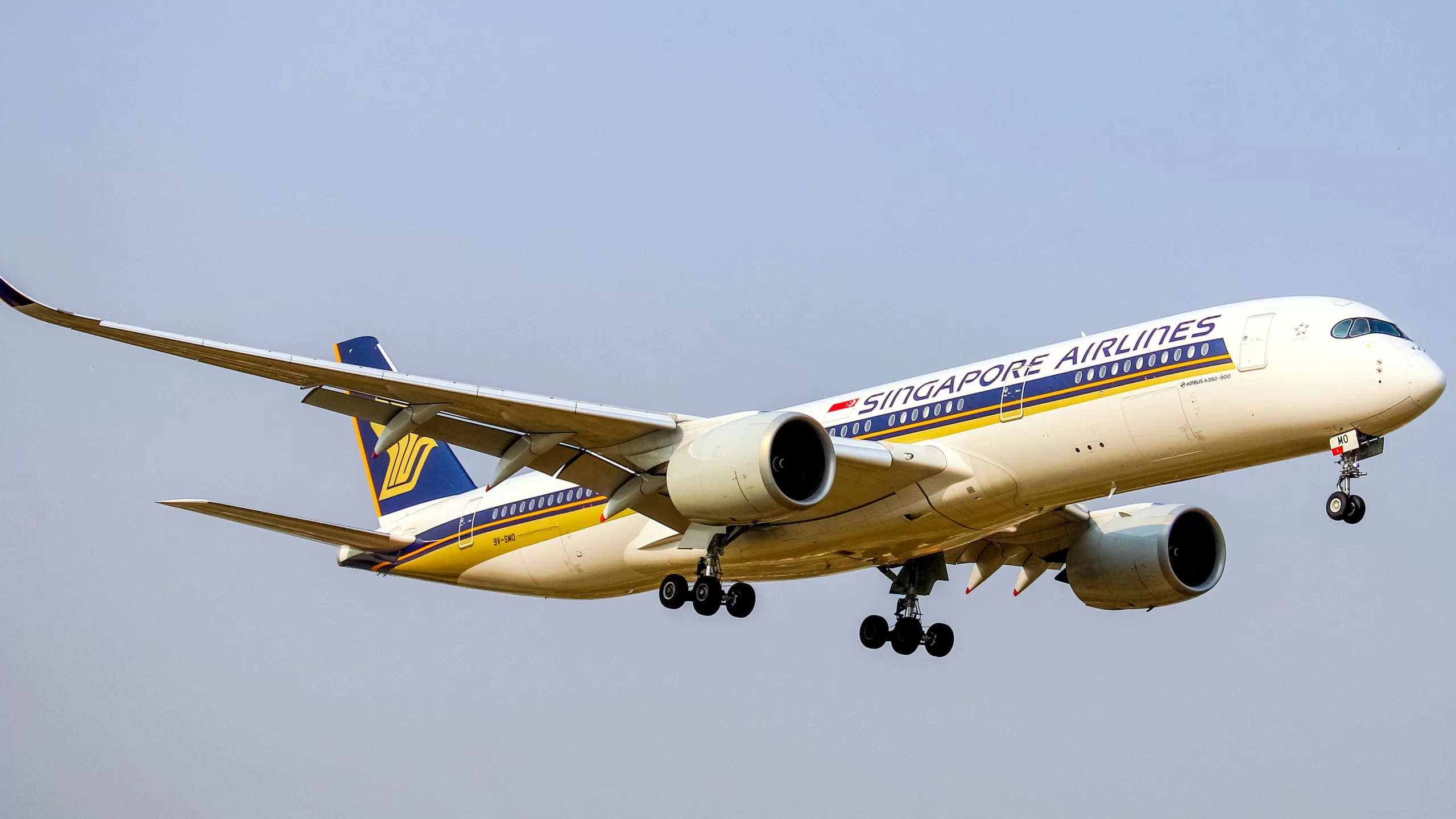
Singapore Airlines Flight SQ832 encountered severe turbulence while descending toward Shanghai Pudong International Airport (PVG) on June 27, 2025, leaving one cabin crew member seriously injured. The Airbus A350-900, registered 9V-SMB, was passing through approximately 27,000 feet during the final stages of its descent when it was struck by the turbulence.
According to Singapore’s transport safety investigators, the aircraft began its descent at about 0911 hrs after receiving clearance from Shanghai radar control. Aware of deteriorating weather conditions, the pilot-in-command kept the fasten seat belt signs illuminated and instructed passengers to remain seated with their seat belts fastened, while cabin crew continued their normal in-flight duties.

As the flight progressed, the crew detected two significant storm cells along the planned arrival route using the aircraft’s weather radar. A 20-nautical-mile-wide gap appeared to offer a safe passage between the cells, and because it was visible both on the radar display and through the cockpit windshield, the crew elected to navigate through it.
Once the aircraft entered cloud, however, the pilots lost visual reference to the weather and relied exclusively on the weather radar. After emerging from the cloud layer, they discovered the aircraft had drifted much closer to the left-hand storm cell than anticipated. The crew immediately initiated a heading change to increase separation from the weather, but moments later, while descending through 27,500 feet, the aircraft encountered severe turbulence that seriously injured a member of the cabin crew.
Singapore’s Air Accident Investigation Bureau (AAIB) classified the event as an accident and launched a formal investigation. Investigators reported no damage to the aircraft, indicating that the injuries resulted solely from the turbulence encounter rather than any mechanical malfunction or flight crew error. The occurrence came just 18 days after a similar turbulence event involving a Scoot flight, reinforcing regulators’ concerns that severe turbulence can cause serious injuries even when an aircraft is operating normally and following established weather-avoidance procedures.
All in All
Singapore’s AAIB continues to investigate the SQ832 accident, and the NTSB-logged Scoot TR100 event remains on record as an accident pending any further review.
Neither investigation has produced a public final report as of this writing. Singapore Airlines and Scoot have not disclosed the exact number of people treated in either June 2025 event.
.jpg)

.jpg)


