China’s domestically built C919 passenger jet completed its first international commercial flight on Wednesday, landing in Ulaanbaatar, the capital of Mongolia. Air China operated the service, which took off from Beijing Capital International Airport (PEK) and touched down at Chinggis Khaan International Airport (UBN) roughly two hours later, according to a report by Global Times.
The flight marks a major milestone for the Commercial Aircraft Corporation of China, known as COMAC, as it pushes the narrowbody jet beyond mainland China for the first time. Air China will now fly the aircraft between Beijing and Ulaanbaatar seven times a week, opening a new chapter for a programme that has spent nearly two decades in development.
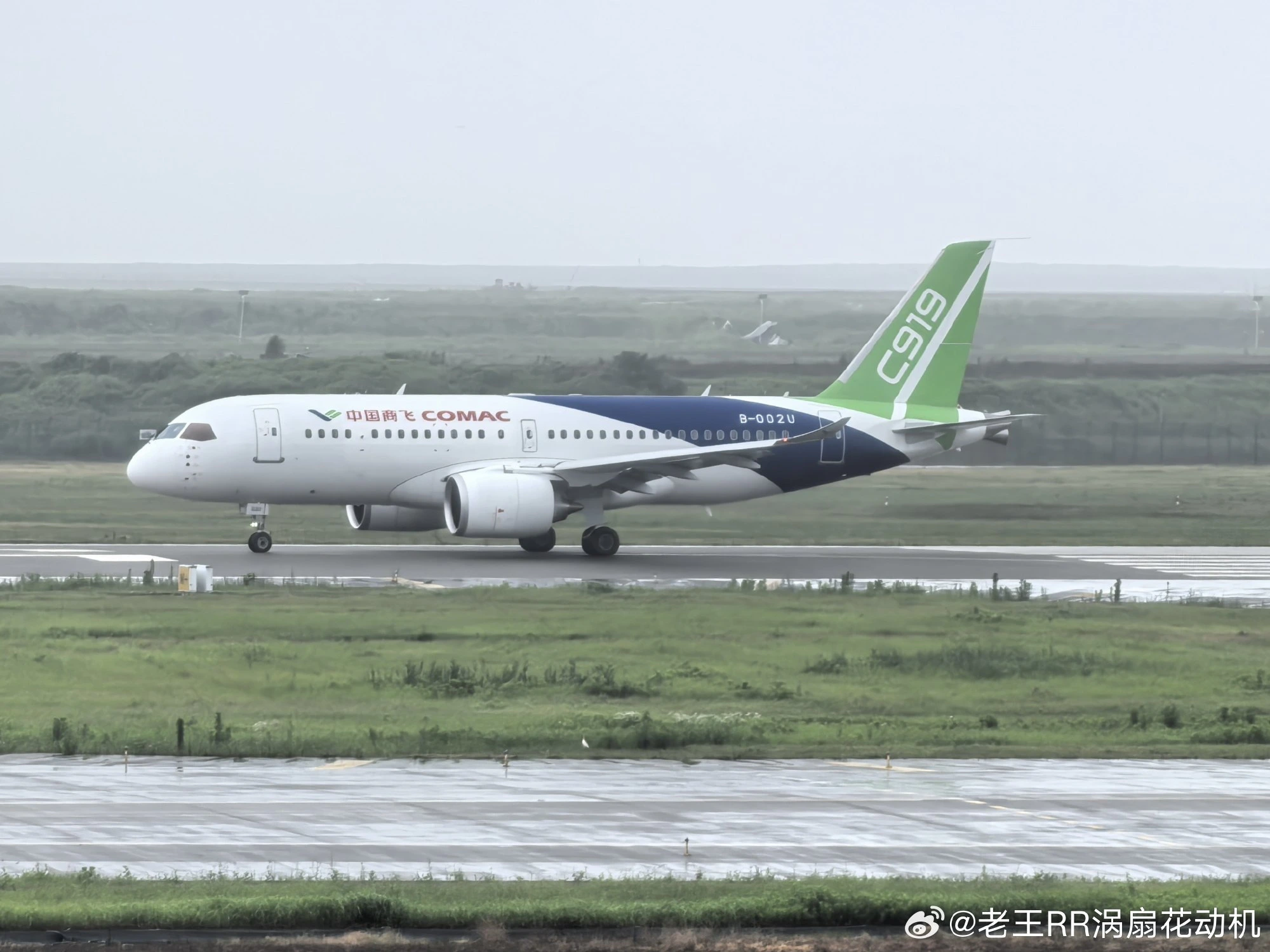
Air China Launches Daily C919 Service on New Beijing-Ulaanbaatar Route
According to Xinhua, flight CA723 departed Beijing at around 3 pm local time and arrived in Ulaanbaatar close to 5 pm. The return leg operates as CA724, giving the route a combined frequency of seven weekly round trips. Air China had previously flown this corridor with a Boeing 737 MAX 8.
The route covers about 724 miles, or 1,166 kilometres, with a flight time close to two hours. The C919 deployed on the service seats up to 158 passengers in a two-class layout. The configuration includes:
- Eight business class seats
- 150 economy class seats
- A twin-aisle-free, single-aisle narrowbody cabin
Upon arrival, the aircraft received a water cannon salute, a ceremonial gesture considered the highest honour in international civil aviation. Global Times described the greeting as marking the formal completion of the C919’s first international commercial flight. The gesture is typically reserved for airlines opening new routes or aircraft achieving landmark firsts.
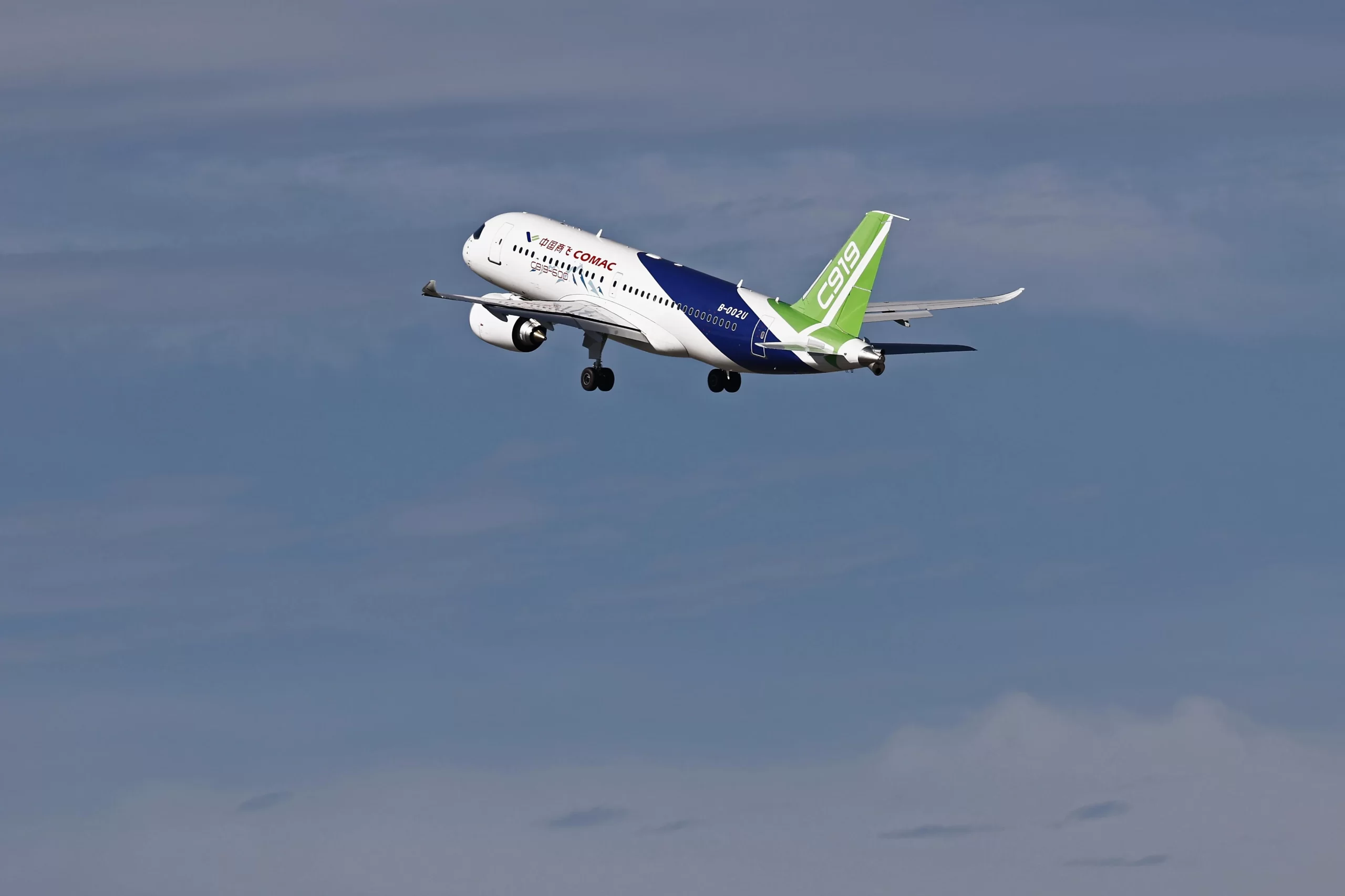
C919 And C909 Now Operate Together at One Overseas Airport
Mongolia already hosted Chinese-built aircraft before Wednesday’s flight. The C909, previously known as the ARJ21, operates regular service on the Hohhot-Ulaanbaatar route. With the C919’s arrival, the two Chinese-made jet types now fly jointly to an airport outside China.
This dual presence gives COMAC a rare data point outside its home market, where both aircraft types can be judged side by side on the same foreign soil. Mongolia’s proximity to China and its existing Chinese air links likely made it a low-risk testing ground for the C919’s international debut.
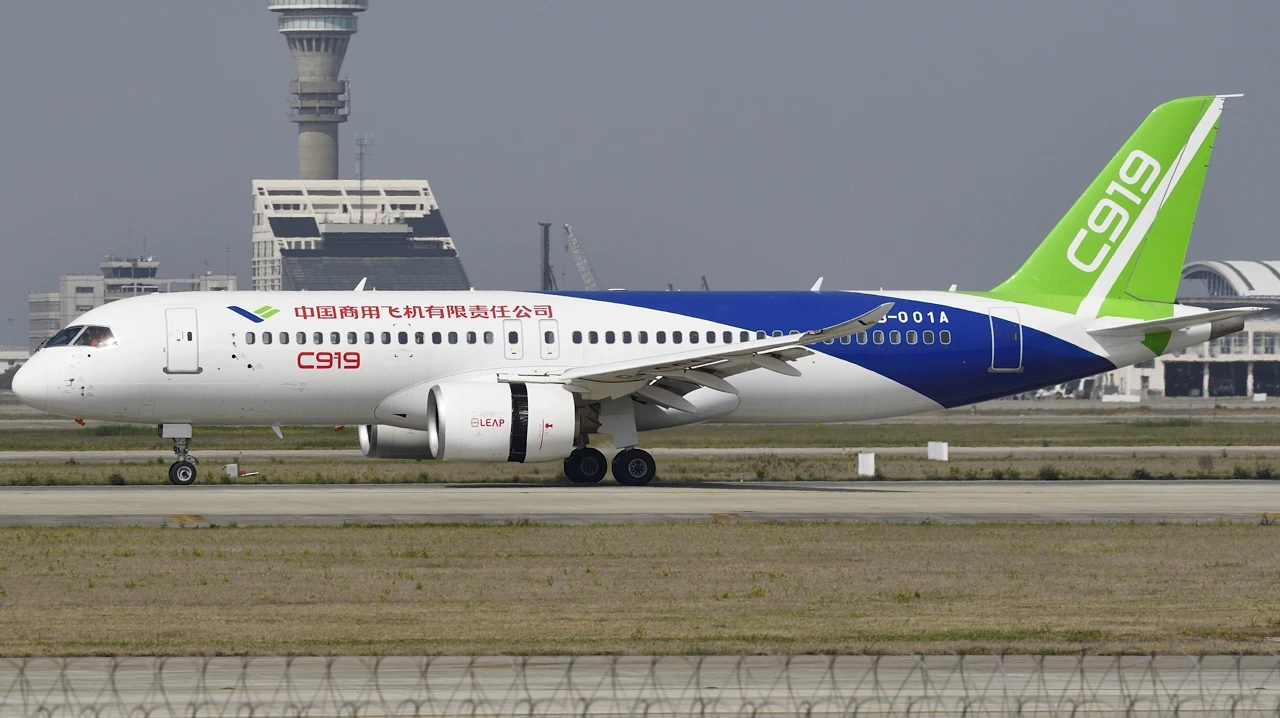
Air China Fleet Grows To 12 Jets After 12,000 Safe Flights
Air China received its first C919 in August 2024, and the fleet has expanded steadily since. As of Wednesday, the carrier operates 12 of the jets, having logged more than 12,000 safe flights and carried over 1.62 million passengers, the airline said, per Global Times. That growth rate reflects a programme still ramping up production rather than one at full industrial scale.
For comparison, China Eastern Airlines remains the largest C919 operator worldwide, with roughly ten aircraft in its fleet. China Southern Airlines also flies the type, having introduced it on Beijing routes last September.
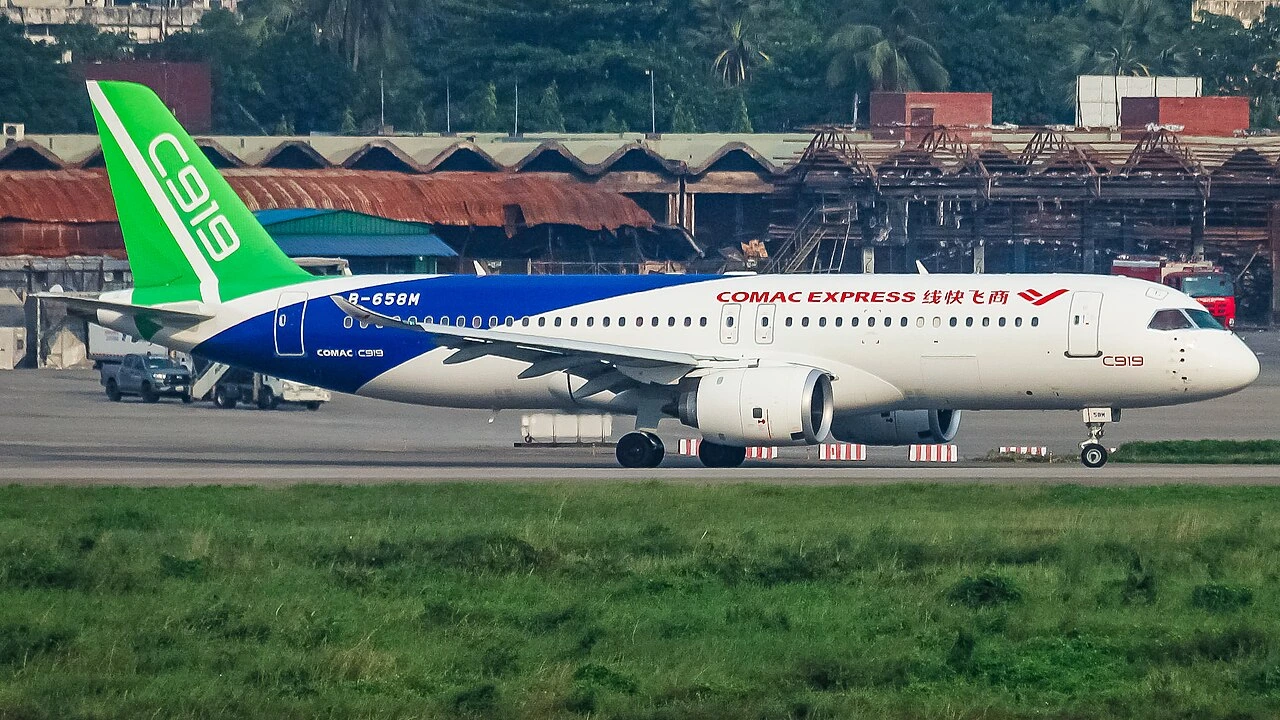
C919 Network Reaches 58 Routes Across 26 Chinese Cities
Combined, the three Chinese carriers flying the C919 have opened 58 routes serving 26 cities, carrying more than 7.5 million passengers to date. Xinhua separately cited figures from COMAC showing 57 routes and 25 cities as of August 10, a count that reflects the network’s rapid week-to-week expansion. Either figure shows an aircraft that has moved well past its early trial phase.
The jet entered commercial service on May 28, 2023, when China Eastern flew it between Shanghai and Beijing. It has since appeared at international airshows twice in Singapore and once in Dubai, giving COMAC direct exposure to potential overseas buyers.
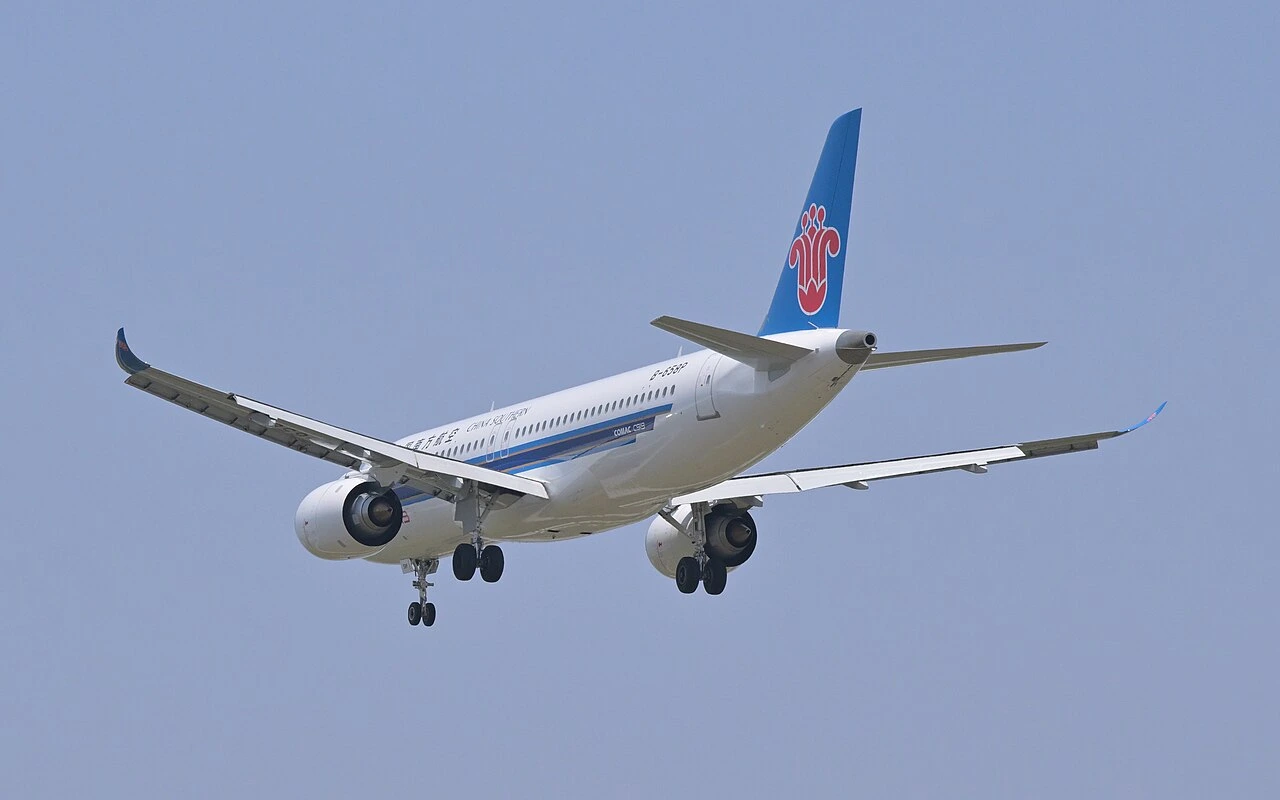
Milestone Comes as COMAC Chases Western Aviation Certification
Wednesday’s flight lands at a moment when COMAC is still working to prove the C919 outside China’s borders. The jet remains reliant on foreign parts, most notably CFM International LEAP engines built through a joint venture between America’s GE Aerospace and France’s Safran, according to CNBC. “Production of COMAC’s C919 narrow-body passenger jet still relies heavily on foreign suppliers,” Andreas Mischer, an analyst at the Mercator Institute for China Studies, told the outlet.
The aircraft has not yet secured certification from Western regulators, which limits where it can legally fly paying passengers. According to the Bangkok Post, the European Union Aviation Safety Agency (EASA) is currently running in-flight evaluations and technical checks in Shanghai, but full European approval is not expected before 2028 at the earliest, and could stretch to 2031. Until that certification comes through, routes like Beijing-Ulaanbaatar offer COMAC one of the few paths to prove the jet internationally.
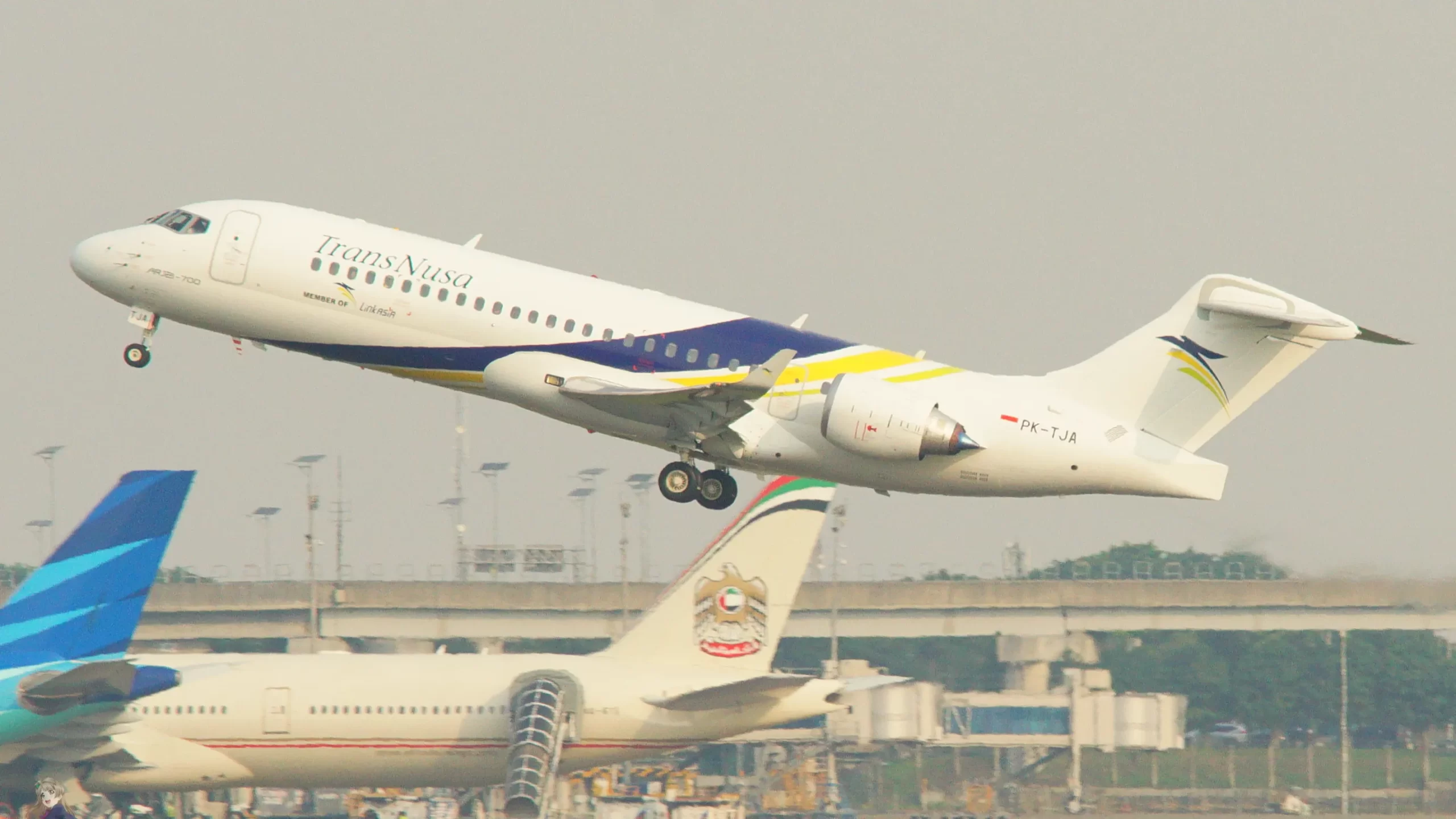
Route Reflects Comac’s Broader Ambitions Beyond China
Mongolia gives COMAC a foothold in an international market without the regulatory hurdles of Europe or the United States. The manufacturer has already opened an Asia-Pacific office in Singapore and is targeting Southeast Asian carriers with its smaller C909 jet, which airlines in Vietnam, Laos, and Cambodia have already ordered, according to the Bangkok Post. The strategy suggests COMAC sees regional and developing markets as its most realistic near-term growth path.
Globally, the C919 programme has amassed more than 1,150 orders, with operators spanning Air China, China Eastern, China Southern, Hainan Airlines, Sichuan Airlines, and several aircraft leasing firms.