Air India (AI) and SIA Engineering Company (SIAEC) signed a Memorandum of Understanding (MoU) in Mumbai on July 3, 2026. The two firms will explore a maintenance, repair and overhaul (MRO) joint venture in India. Air India Chief Executive Officer and Managing Director Campbell Wilson and SIAEC Chief Executive Officer Chin Yau Seng signed the agreement in person.
SIAEC is a subsidiary of the Singapore Airlines (SQ) Group, which owns a 25.1 percent stake in Air India. Both companies want the venture to serve rising maintenance demand from Indian and regional airlines. The MoU is legally non-binding, and the companies plan to develop the plan further as talks progress.
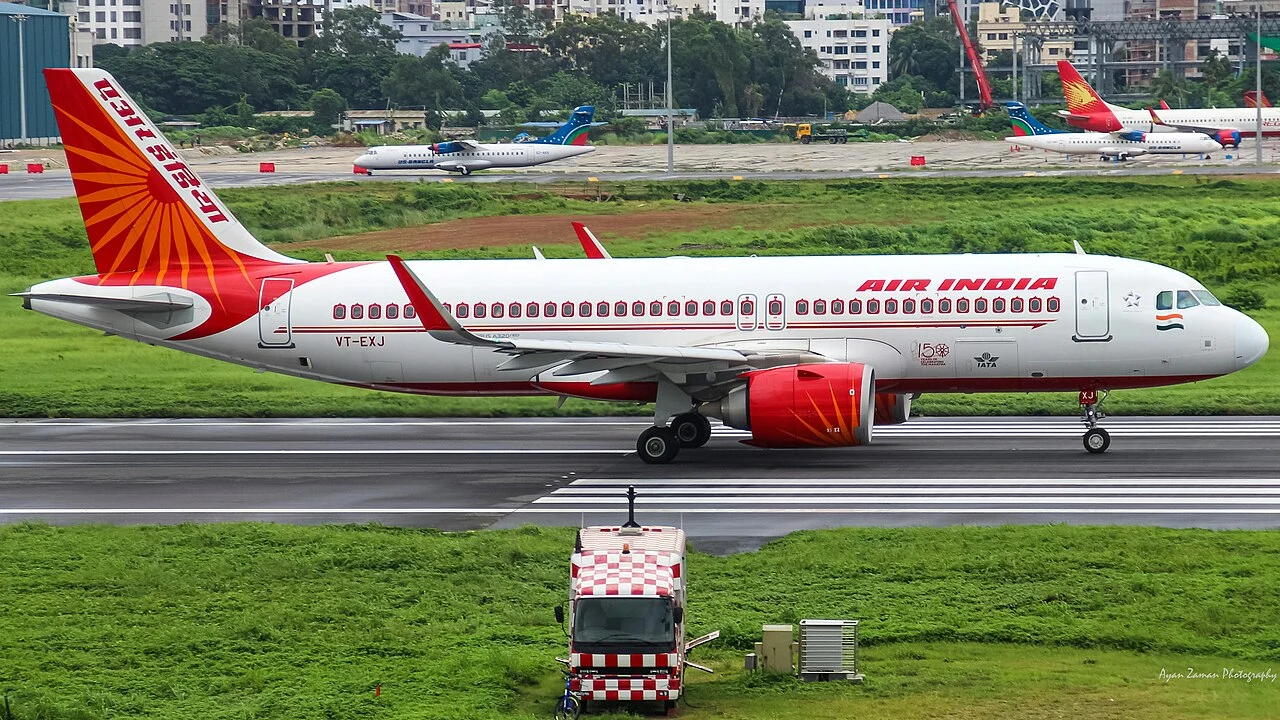
Mou Signed in Mumbai Targets a World-Class MRO Ecosystem
The agreement aims to combine SIAEC’s technical expertise with Air India’s growing fleet and network. Air India described the goal as building a world-class MRO ecosystem inside India. This could eventually include a dedicated joint venture entity, not just a services contract.
The two sides have not disclosed a location, investment figure, or ownership split for the proposed venture. Air India said the plan remains at an early exploratory stage. Further updates are expected as the two companies finalize technical and commercial details, The Tribune reported.
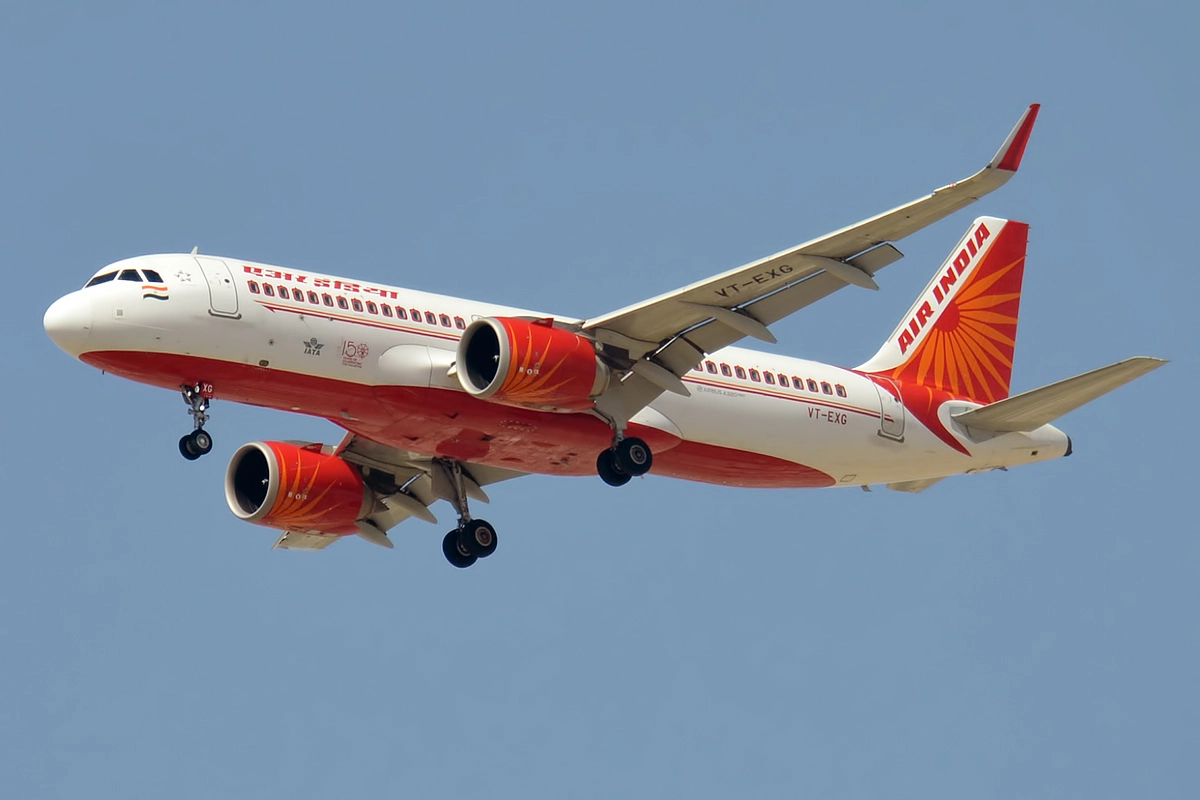
Partnership Builds on Two Agreements Signed in 2024
This MoU is not the first tie-up between the two companies. On February 21, 2024, Air India signed a 12-year Inventory Technical Management (ITM) agreement with SIAEC. That deal covers component support for Air India’s Airbus A320 family fleet.
On May 11, 2024, SIAEC was named Air India’s strategic partner for base maintenance. That role covers new base maintenance facilities the airline is building in Bengaluru, home to Kempegowda International Airport (BLR). Together, these two deals form the technical foundation the new MRO discussions will build on.
The relationship extends beyond engineering too. In January 2026, Air India and Singapore Airlines signed a separate commercial cooperation framework agreement. That pact covers wider areas of collaboration between the two carriers.
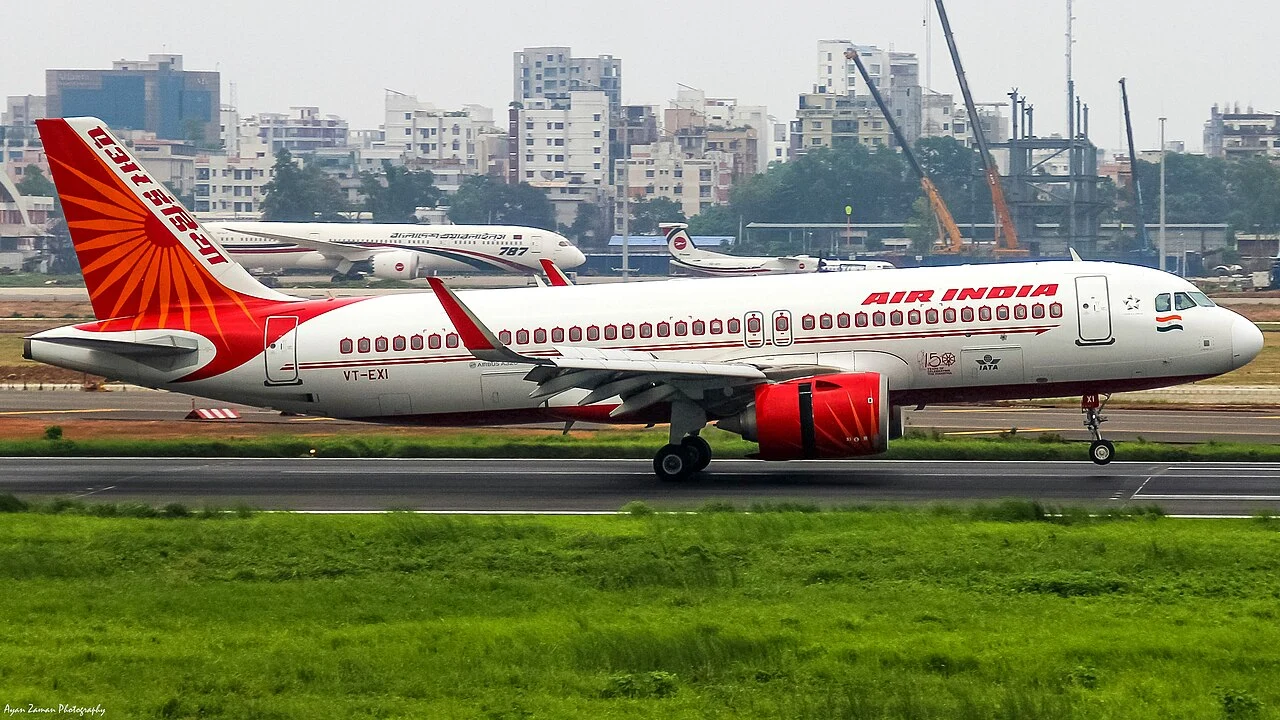
Executives Link the Deal to India’s Self-Reliance Push
Campbell Wilson tied the announcement to India’s expanding fleet and operations. He said fleet growth means the country needs stronger domestic maintenance capacity. Wilson added that “developing local maintenance capacity will be important to support efficiency, resilience and long-term growth,” .
Chin Yau Seng framed the deal around India’s position in global aviation. He called it “one of the world’s fastest-growing aviation markets” in comments carried by APAC Media. Chin said SIAEC wants to support the country’s capability build-up alongside its existing partnership with Air India.
Both executives avoided giving a timeline for converting the MoU into a formal joint venture. Neither company named a target date for a final decision. The statements suggest the deal remains in an evaluation phase rather than an implementation one.
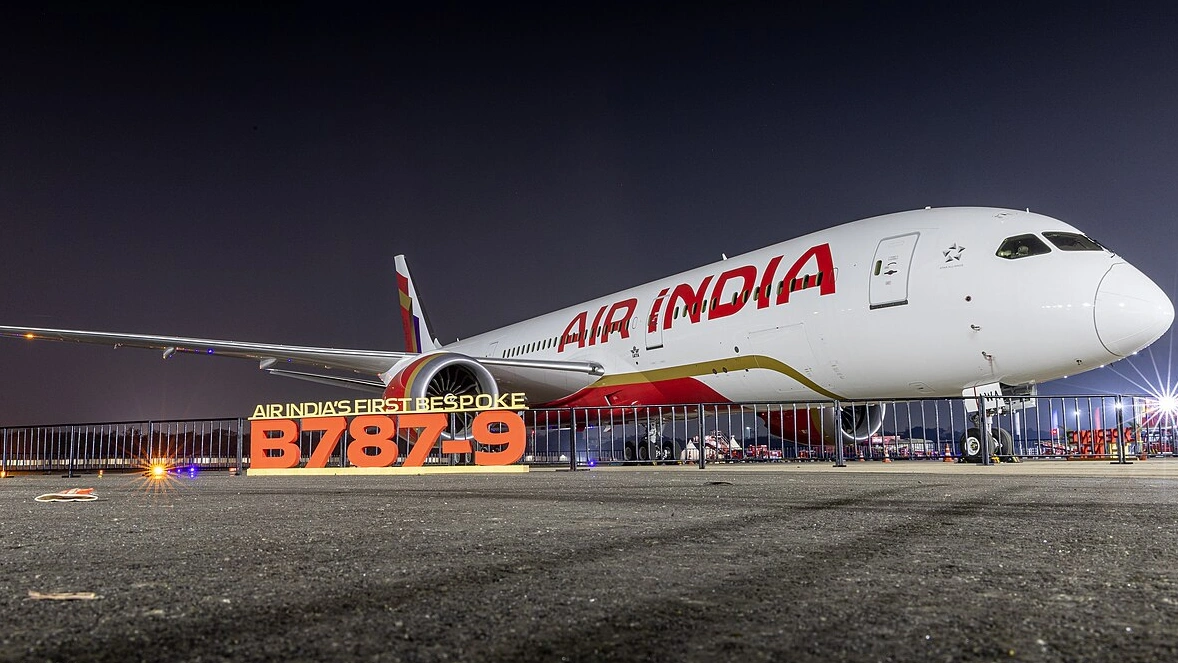
India’s MRO Market is Forecast to Double by 2036
The announcement lands as India’s aviation maintenance sector accelerates. India’s MRO market is projected to grow from $3.1 billion in 2026 to $6.9 billion by 2036. That would make India the fastest-growing MRO market in the world over that period.
Several factors support that growth trajectory:
- Indian carriers hold a combined order book of more than 1,500 aircraft for delivery through 2031, led by IndiGo and Air India.
- India’s domestic fleet has historically relied heavily on overseas facilities for heavy maintenance, which adds cost and downtime.
- Global airlines and MRO providers are increasingly forming partnerships and vertical-integration deals to secure maintenance capacity, the Aviation Jeta report added.
A larger domestic MRO base would let Indian carriers cut turnaround times and reduce dependence on maintenance slots abroad. That pressure explains why multiple companies, not just Air India and SIAEC, are racing to expand capacity inside the country.
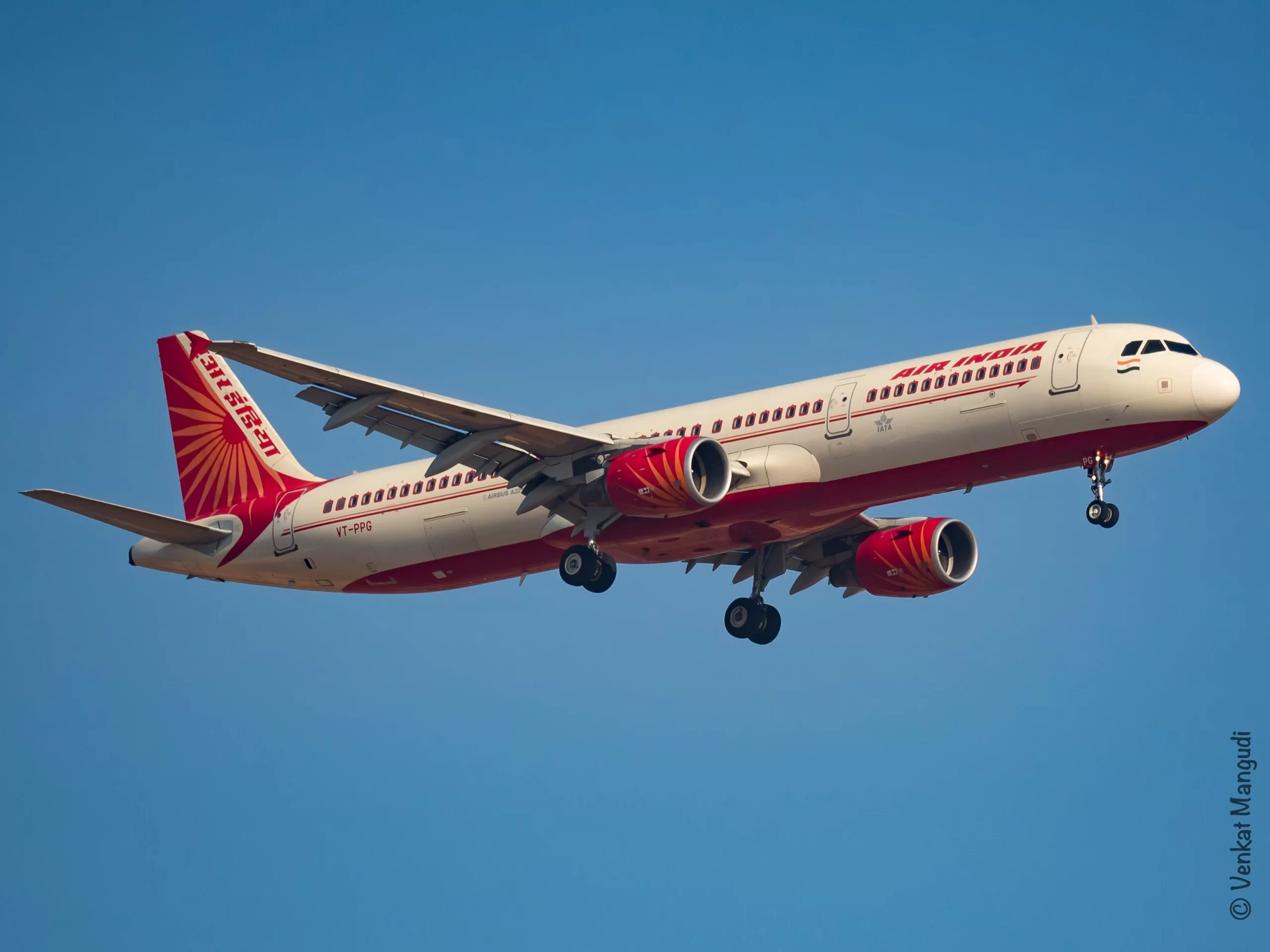
How the Deal Compares with Other MRO Moves in India
Air India and SIAEC are not the only players building MRO capacity in India right now. IndiGo is constructing its own maintenance facility in Bengaluru worth roughly Rs 1,460 crore, while Air India is separately building a Bengaluru facility valued at about Rs 1,100 crore. Both projects run alongside, rather than instead of, the new SIAEC discussions.
Airbus has also pursued Indian MRO partnerships separately from Air India’s engine and airframe work. In 2024, Airbus signed an agreement with GMR Aero Technic to develop Airbus-authorized MRO capabilities in Hyderabad, home to Rajiv Gandhi International Airport (HYD). That deal targets a different customer base than the Air India-SIAEC discussions, which center on Air India’s own widebody and narrowbody fleets.
Air India Engineering Services Limited (AIESL), the airline’s existing in-house maintenance unit, still leads India’s line and heavy maintenance segment by volume. According to a Crisil study cited by Aviation Week, AIESL, along with GMR Aero Technic and Air Works, accounts for close to 90 percent of Indian MRO sector revenue.
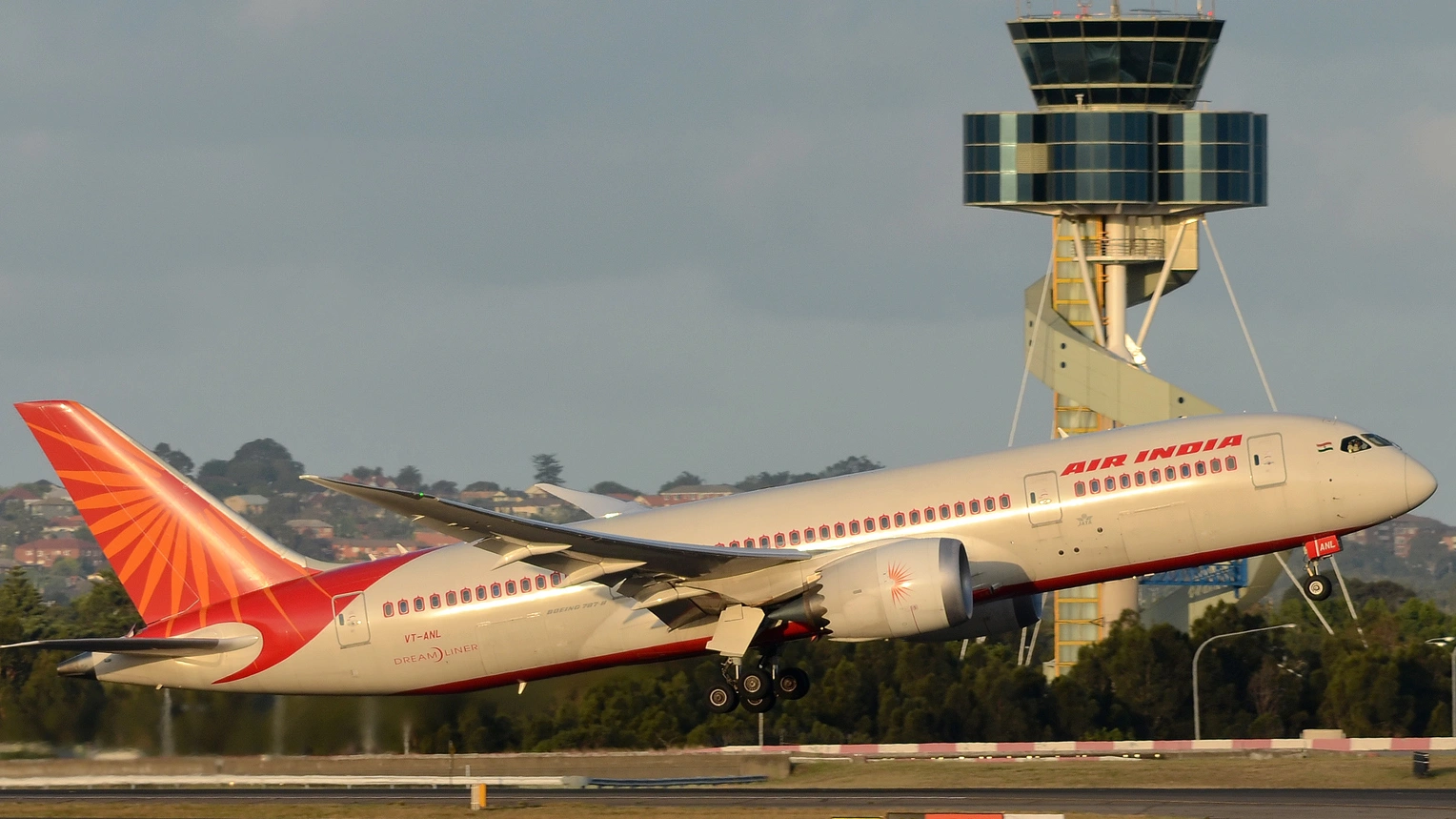
Air India and SIAEC have not set a public deadline for turning the MoU into a binding joint-venture agreement. The companies said material developments will be disclosed as discussions progress.



_@_DXB,_June_2019.jpg)


