A federal judge in the Eastern District of New York ruled on Monday, July 6, 2026, that two customers can proceed with their lawsuit against JetBlue Airways (B6) over unrefunded Transportation Security Administration (TSA) fees. The case, filed in Brooklyn, centers on JetBlue’s practice of issuing an expiring travel credit, instead of a cash refund, when a customer cancels a nonrefundable or award ticket. The judge rejected JetBlue’s argument that federal aviation law bars the suit, allowing the breach-of-contract claim to move forward.
The dispute goes back to December 2021, when passenger Spencer Hahn sued JetBlue in Hahn v. JetBlue Airways Corporation after the airline denied his request for a cash refund of the $5.60 September 11th Security Fee, CourtListener reported. A second plaintiff, James Crist, later joined the case. The lawsuit argues JetBlue’s own contract of carriage, combined with a federal regulation, requires the airline to hand back the fee in cash once a ticket is canceled and never used.
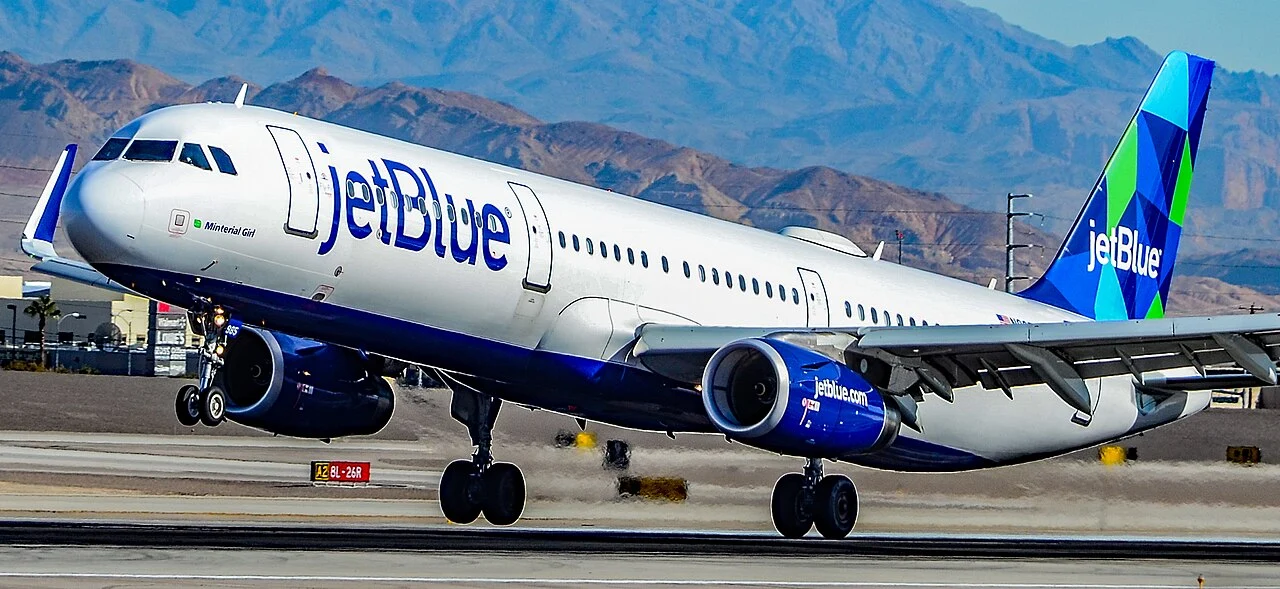
Why JetBlue Keeps The $5.60 TSA Fee After a Cancellation
When a passenger buys a ticket, the airline collects several government-mandated charges up front, and it must remit most of them regardless of whether the trip happens. According to View from the Wing, these include the 7.5% federal excise tax on domestic fares, a $5.20 segment tax, a $22.90 international arrival and departure tax, and airport Passenger Facility Charges of up to $4.50 per segment.
The September 11th Security Fee works differently. Federal rules entitle passengers to a cash refund of this specific charge if they cancel a nonrefundable ticket and never fly. Most large U.S. carriers process this automatically. JetBlue does not. Instead, the airline places the $5.60 into a JetBlue travel credit that expires if unused, and it will only apply that credit toward a future booking’s taxes if the new charge matches the credit amount exactly, according to the same report.
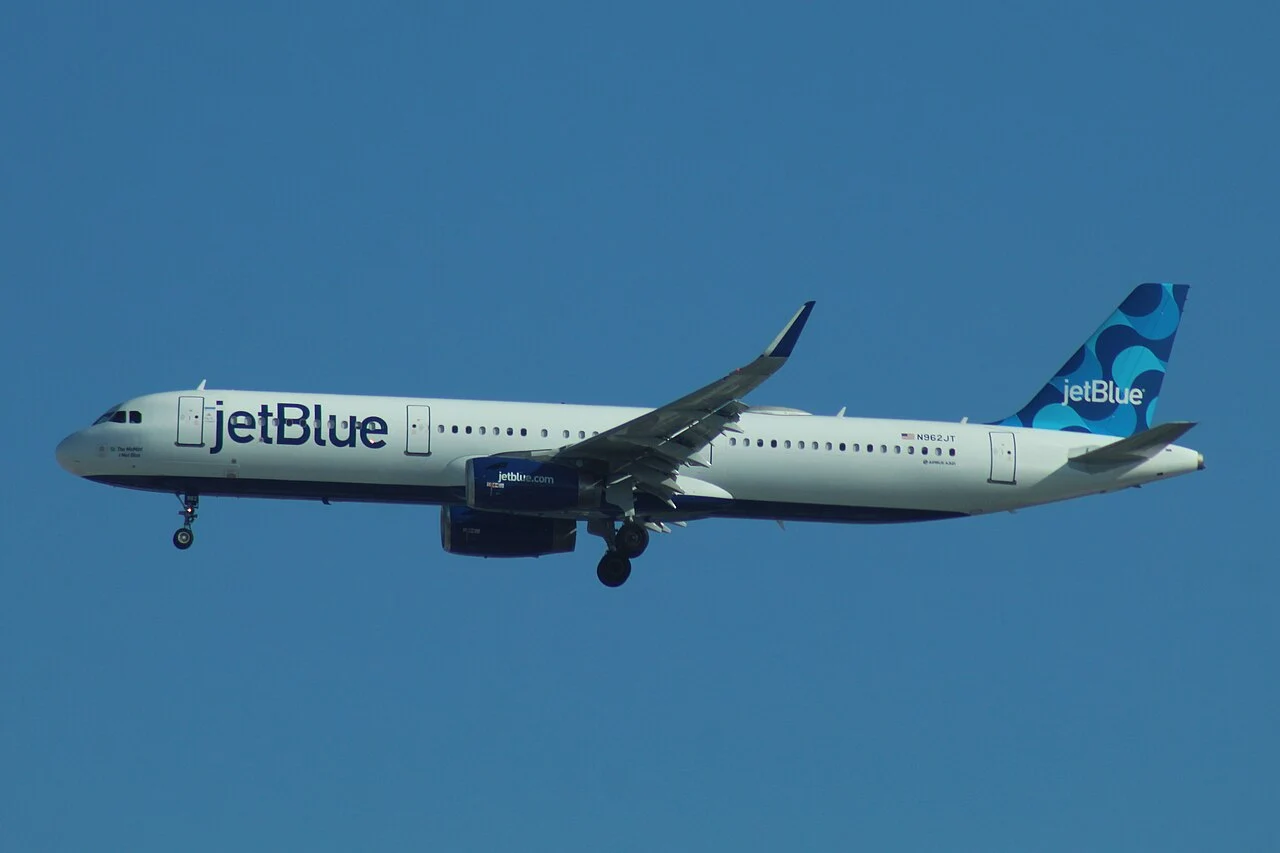
What The Contract of Carriage Actually Promises
JetBlue’s contract of carriage states that taxes and fees “will not be refunded except when required by applicable law“. The plaintiffs argue that applicable law does require a refund here. Federal regulation 49 C.F.R. § 1510.9(b) obligates carriers to refund the security fee once a ticket purchaser’s itinerary is fully canceled and no travel occurs.
That reading is not new. A 2002 guidance letter from the TSA‘s then-Acting Director of Revenue told airline trade groups that when a ticket expires unused, the carrier must provide the requester with a full refund of the fee. A 2006 Department of Homeland Security audit reached a similar conclusion, finding that airlines have no basis to retain fees owed to either the ticket purchaser or the TSA itself, according to the same court filing. Screenshots included in earlier versions of the complaint show JetBlue agents telling customers the tax is simply part of the fare and cannot be refunded, a position the plaintiffs say conflicts with both the regulation and JetBlue’s own contract language.
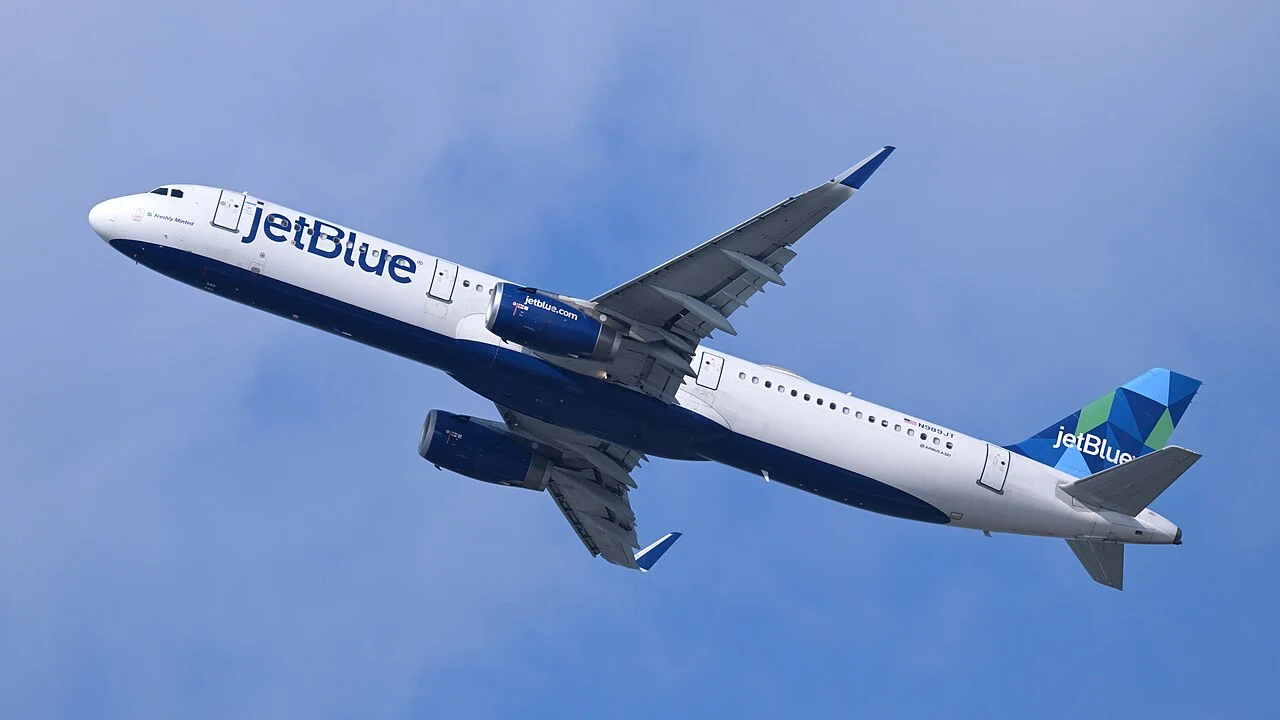
Judge Rejects JetBlue’s Airline Deregulation Act Defense
JetBlue’s central defense was preemption. The airline argued that the Airline Deregulation Act bars state-law claims tied to an air carrier’s prices, routes, or services, and that a refund dispute counts as a claim about price. JetBlue also argued that ruling on the claim would force the court to interpret federal TSA rules that sit outside the four corners of the contract itself.
The court disagreed. Under the Supreme Court’s 1995 decision in American Airlines v. Wolens, the Airline Deregulation Act does not preempt ordinary breach-of-contract suits that merely enforce an airline’s own self-imposed promises.
Because JetBlue’s contract already commits to refunding taxes “when required by applicable law,” the lawsuit only asks the airline to keep a promise it made itself. The judge also noted that a TSA security fee is a uniform federal charge, not a fare, so ordering its refund does not regulate JetBlue’s prices, routes, or services in the way the statute was designed to prevent.
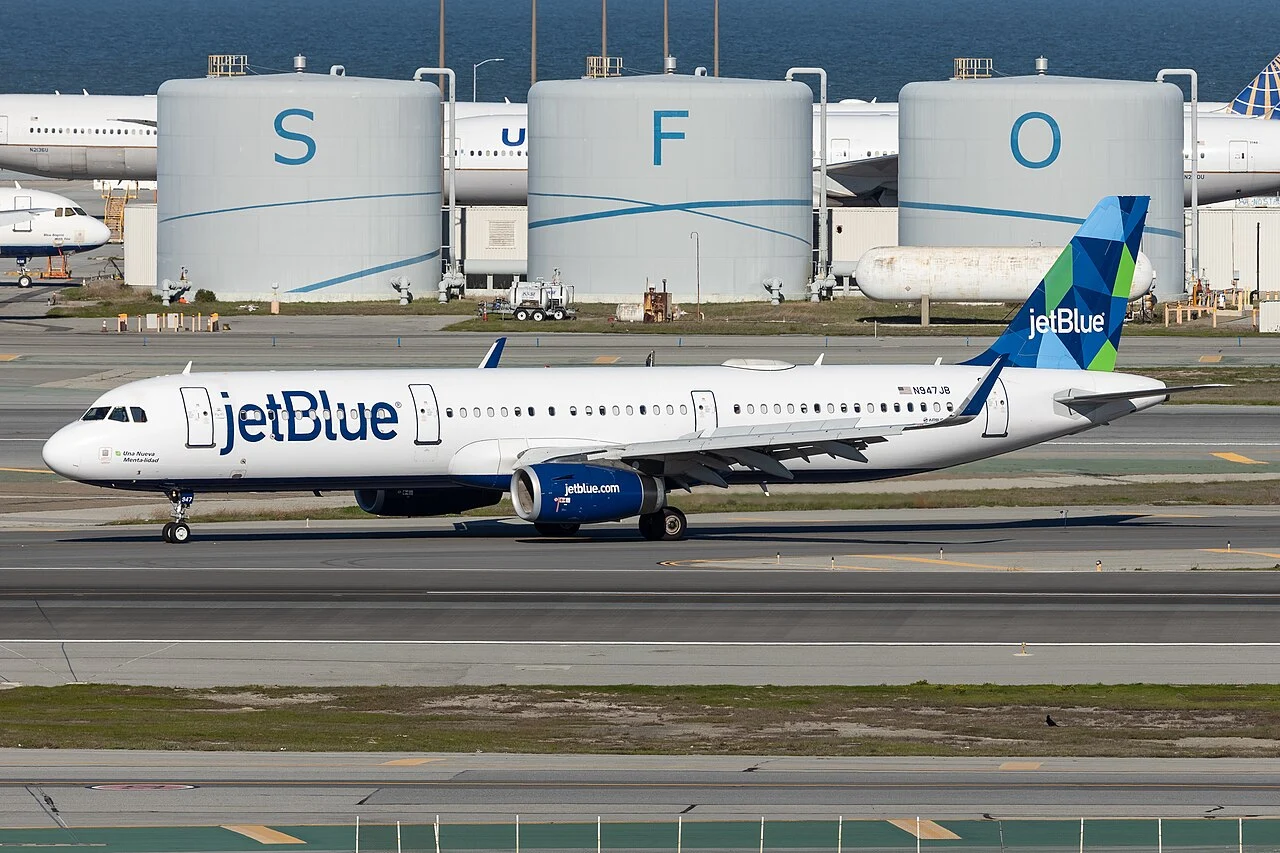
Why Passengers Are Suing Individually For $5.60
The ruling keeps the case alive, but only as an individual claim. JetBlue’s contract of carriage includes a class-action waiver, and the court has enforced it, meaning the plaintiffs cannot represent a broader group of affected passengers, even though the underlying practice may have touched millions of tickets.
That waiver creates a practical problem. A federal court filing fee alone runs several hundred dollars, far more than the $5.60 at stake in a single ticket. Aviation analyst Gary Leff argues this is precisely the kind of harm class actions exist to address: individually small enough that no rational customer sues alone, but large enough in aggregate to matter (View from the Wing).
The 2013 Supreme Court decision in American Express v. Italian Colors previously held that high litigation costs alone do not automatically void a class-action waiver, which is part of why the waiver has survived so far even as the underlying refund claim advances.
All in All
For now, JetBlue customers who cancel nonrefundable or award tickets should expect the $5.60 fee to land as an expiring travel credit rather than cash, unless they successfully press an individual refund request or a future ruling forces a policy change. JetBlue’s own refund help page confirms that nonrefundable fares generally convert to travel credit upon cancellation, with credits valid for 12 months from the original ticketing date.