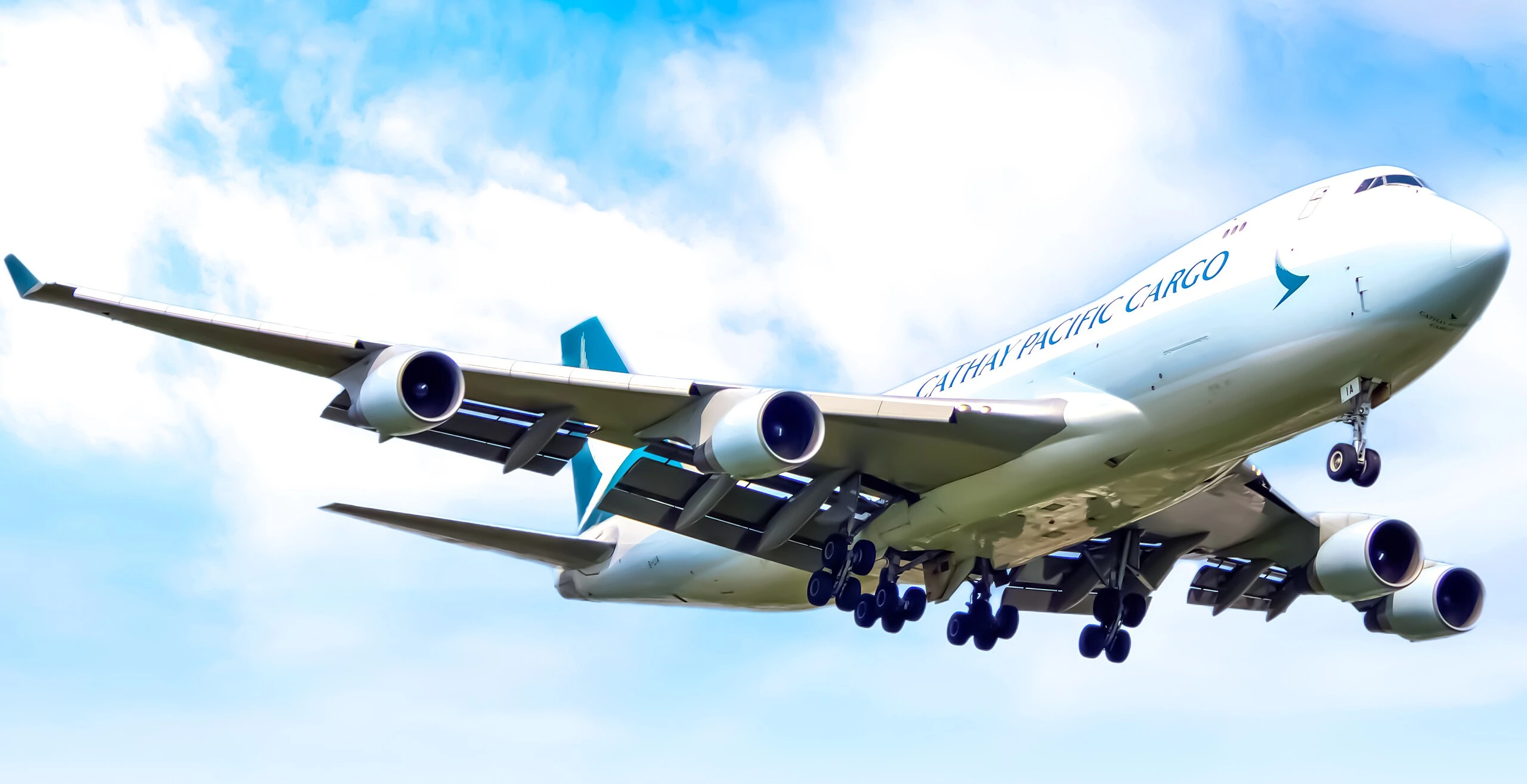
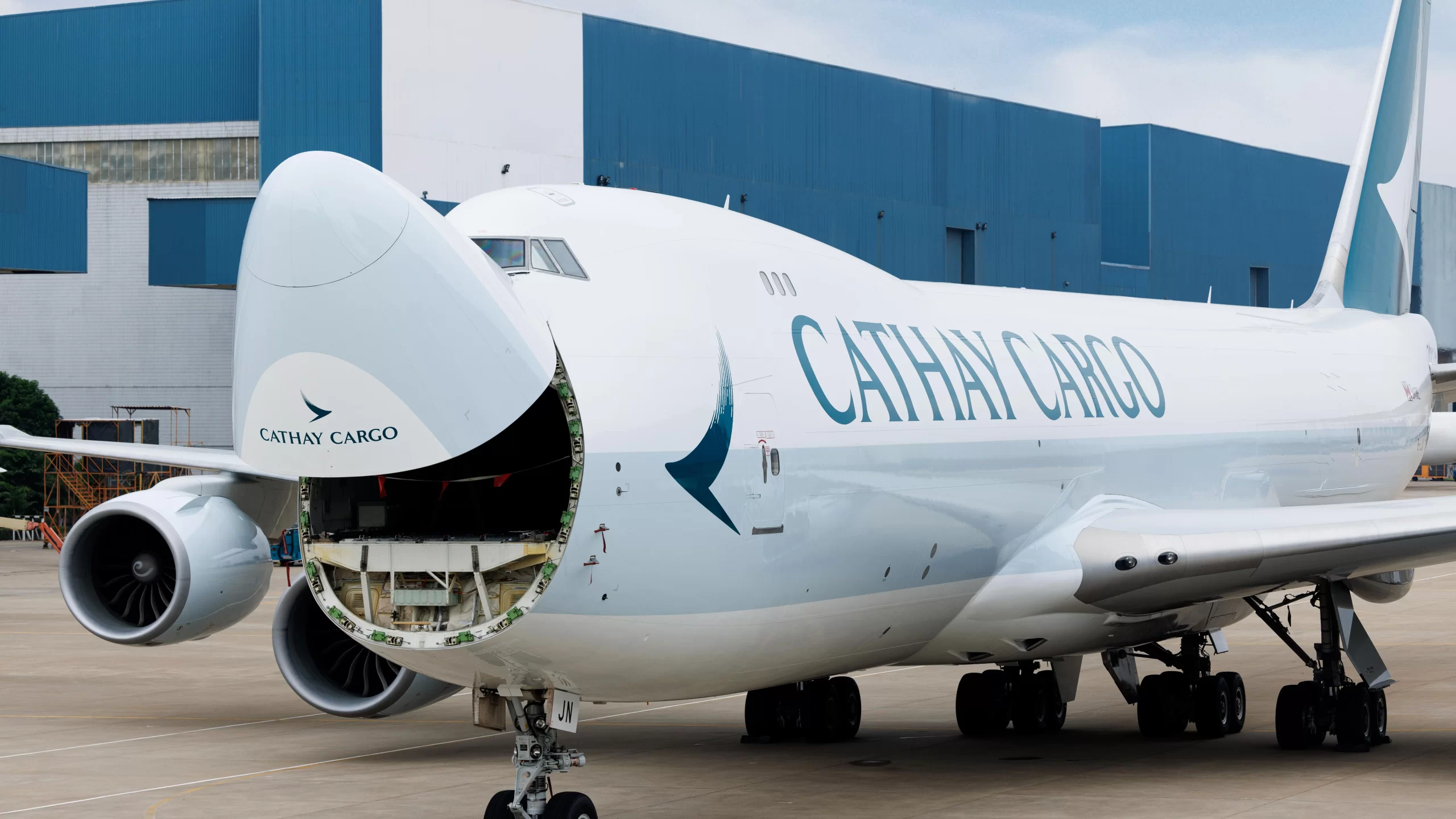
Cathay Cargo, the freight division of Cathay Pacific (CX), has become the first international carrier to formally confirm it will relocate its Mumbai freighter service away from Chhatrapati Shivaji Maharaj International Airport (BOM). The airline told The STAT Trade Times the move will take effect from August 3, shifting operations to the Navi Mumbai International Airport (NMI), also known as NMIA, on a temporary basis while construction work continues at Mumbai’s main gateway.
The relocation follows months of tension between Mumbai’s airport operator and the global cargo industry over plans to suspend dedicated freighter operations at BOM. Cathay Cargo’s tri-weekly summer-season freighter flights to Mumbai will continue on their existing schedule, just from a different airport, and the airline says the shift is planned to last only until further notice.
What Cathay Cargo Confirmed About Its Mumbai Freighter Move
A Cathay Cargo spokesperson told the outlet the airline’s Mumbai freighter service is planned to relocate to NMI, subject to operational requirements. The confirmation makes Cathay Cargo the first carrier on record to publicly commit to a firm date for the switch, even as MIAL, the operator of CSMIA, continues working through the logistics of the broader transition with other airlines.
Cathay Cargo’s move is framed as temporary rather than permanent, which matters for an airline that must weigh the operational cost of splitting ground handling, customs clearance and crew logistics across two airports located roughly 40 kilometers apart. The airline’s existing freighter frequency to Mumbai stays unchanged, meaning cargo customers should see continuity of capacity even as the physical airport changes.

Why CSMIA Needs to Pause Freighter Operations for Runway Work
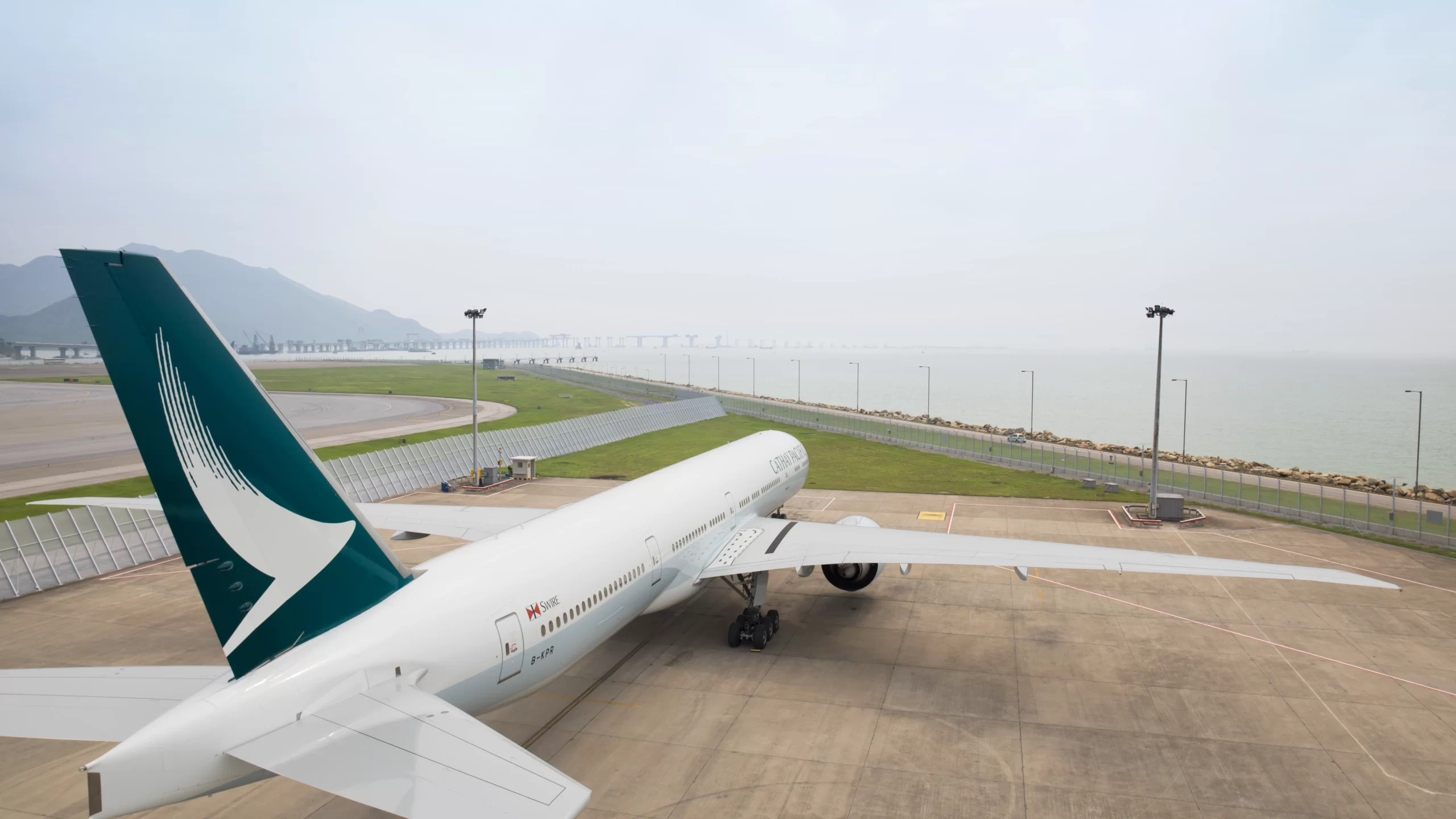
CSMIA’s freighter suspension traces back to an infrastructure problem the airport has been managing for years. Apron “G,” the dedicated space used exclusively for freighter operations at CSMIA, has reached the end of its operational life and requires complete pavement reconstruction, while new taxiways for Runway 14/32 are being built to bring its capacity in line with the airport’s other runway.
That combination of factors leaves dedicated freighter flights with nowhere to go at CSMIA during the works, which are expected to run from August 2026 through May 2027. MIAL first floated the suspension in April 2025, initially targeting a August 16, 2025 start date, before the timeline shifted following pushback from airlines and industry groups.
The IATA Dispute and CSMIA’s Earlier Reversal Over Freighter Slots
MIAL’s first attempt to force freighter operators out of CSMIA in 2025 collapsed under industry pressure. When Adani Airport Holdings Limited (AAHL) issued a notice inviting cargo carriers to shift to NMIA by August 16, 2025, and asked operators to confirm their intent by May 5 of that year, the plan drew immediate criticism from the International Air Transport Association.
John Middleton, IATA’s Head of Worldwide Airport Slots, raised concerns that the shift amounted to a permanent withdrawal of carriers’ historic freighter slots from the next scheduling season onward, rather than a temporary operational accommodation.
MIAL responded that the changes were carried out through a transparent, consultative, regulator-led process tied to the Airports Economic Regulatory Authority of India’s Fourth Control Period review. Facing sustained criticism, CSMIA ultimately reversed course. The airport told The STAT Trade Times that “the matter has been resolved amicably and the slots have been reinstated”.
Washington Objects: The US-India Air Transport Agreement Fight
The freighter relocation has also become a diplomatic flashpoint. The US Department of Transportation wrote to India’s Ministry of Civil Aviation in March 2026, arguing that AAHL’s push to relocate freighters, including those operated by FedEx, could breach the US-India Air Transport Agreement. The DOT warned that compelling American carriers to move might prompt it to consider adverse measures under the treaty.
FedEx is currently the only American cargo airline operating out of Mumbai’s main airport, which gives its objection outsized weight in the dispute even though the broader relocation affects two dozen carriers.
US officials reportedly view the relocation push as an attempt to populate NMIA’s traffic numbers rather than a purely operational necessity, a suspicion sharpened by the fact that Adani Airport Holdings controls both CSMIA and NMIA. Adani has pushed back on that framing, with a spokesperson describing the works as a phased and limited realignment of select international freighter operations rather than a wholesale, permanent shift.

Other Global Carriers Weighing Their Own Shift To NMIA
Cathay Cargo’s announcement arrives as several other international freight operators finalize their own relocation plans. According to Hindu Business Line, airlines have begun negotiating office space and ground-handling arrangements ahead of the broader move to NMIA. Air France, which operates two weekly freighter services between Paris and Mumbai, has indicated its cargo flights could shift as early as August 1, pending approvals, while Lufthansa Cargo says it remains in close coordination with authorities as operational details are worked out.
Other operators, including FedEx Express, Challenge Group, Atlas Air, Teleport, and AeroLogic, were already reported to be preparing freighter operations at NMIA by May 2026, ahead of the CSMIA suspension window.
NMIA itself is positioning to absorb this traffic. The airport is set to open to international passenger flights on July 15, with Air India Express launching the first international route, to Abu Dhabi, the same day. NMIA Chairman Captain BVJK Sharma has said cargo operations will also begin July 15, ramping toward nearly 18 weekly freighter flights as operations scale up.
What Comes Next for Mumbai’s Air Cargo Corridor
Industry figures interviewed by The STAT Trade Times have flagged operational concerns that go beyond simply choosing a new airport, including whether a bonded cargo transfer system exists between CSMIA and NMIA, and whether shippers can complete the Authorised Dealer registration NMIA requires before clearing cargo there.
Freighters accounted for nearly 31% of CSMIA’s total cargo throughput in the most recent reporting period, with DHL, FedEx, Qatar Airways, and Cathay Pacific ranking as the top freighter operators.
The timing also overlaps with NMIA’s own commercial ramp-up, which adds pressure to get the transition right. The airport is simultaneously preparing for its first international passenger flights on July 15, the same week cargo operations are set to scale toward 18 weekly freighter movements.
_-_Cathay_Pacific_Cargo_Airlines.jpg)
