Photo: Wikimedia Commons
Most airliners still look like a tube with wings bolted onto it. That shape has stayed almost unchanged since the Boeing 707 flew in 1957. A double delta blended wing body aircraft breaks that pattern entirely, merging the wing and fuselage into one continuous lifting surface.
The concept has moved from wind tunnels to real hardware. NASA and Boeing flew a scaled demonstrator called the X-48B more than 120 times between 2007 and 2012 to prove the shape could be controlled safely. Today, a California startup called JetZero is building a full-scale version for the US Air Force, with first flight targeted for 2027.
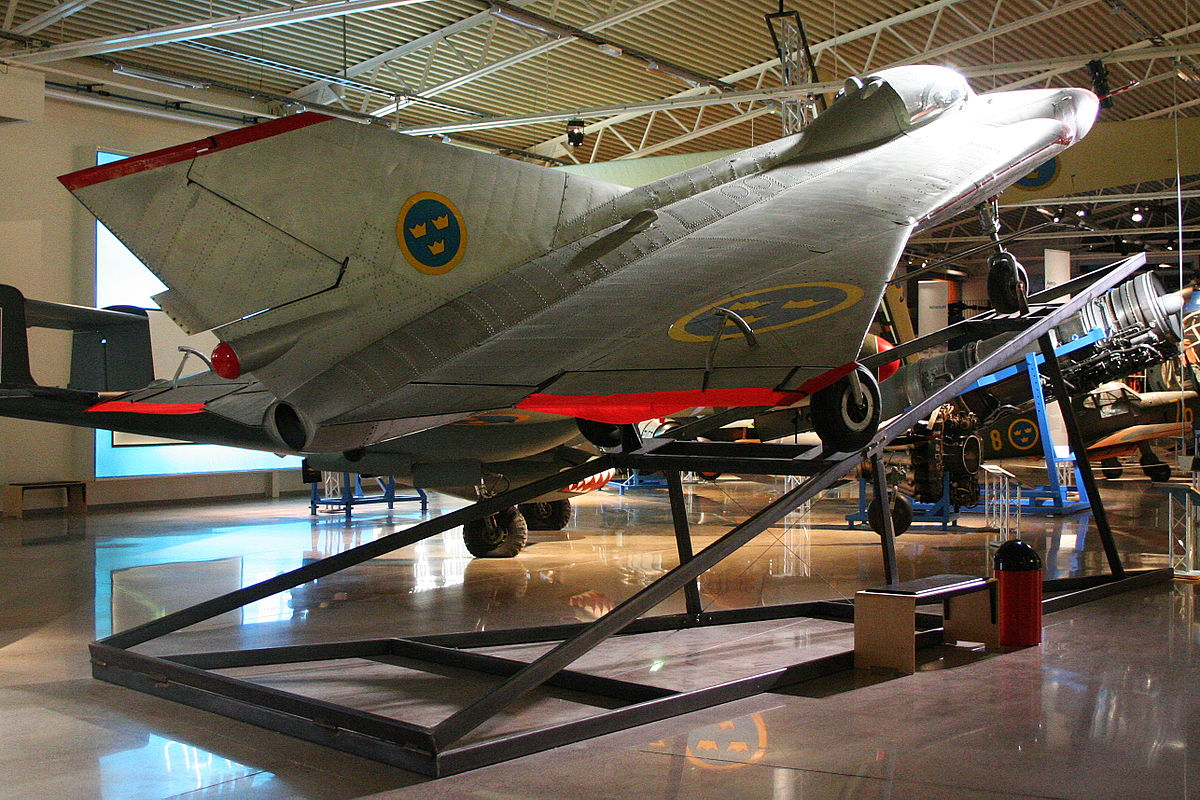
Photo: Alan Wilson | Wikimedia Commons
What Makes a Wing “Double Delta” In ite First Place
A standard delta wing is shaped like a triangle. It gets its name from the Greek letter delta, which looks the same way.
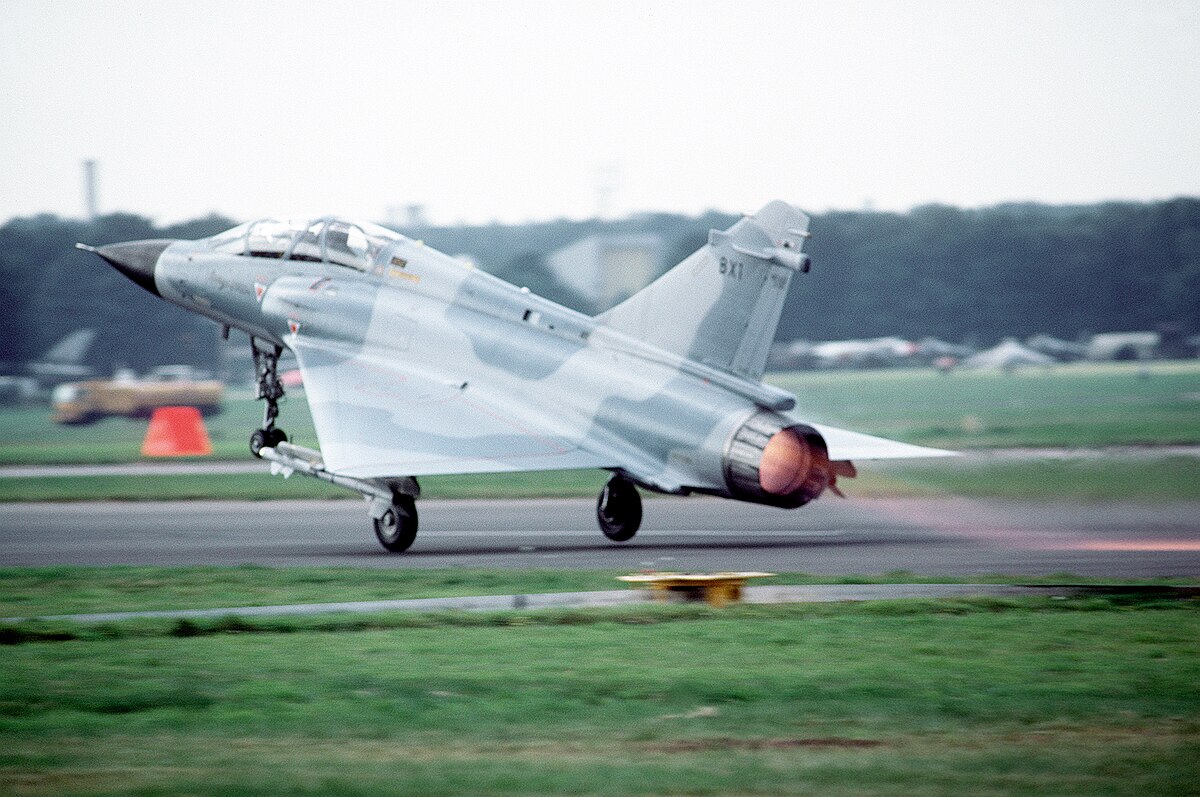
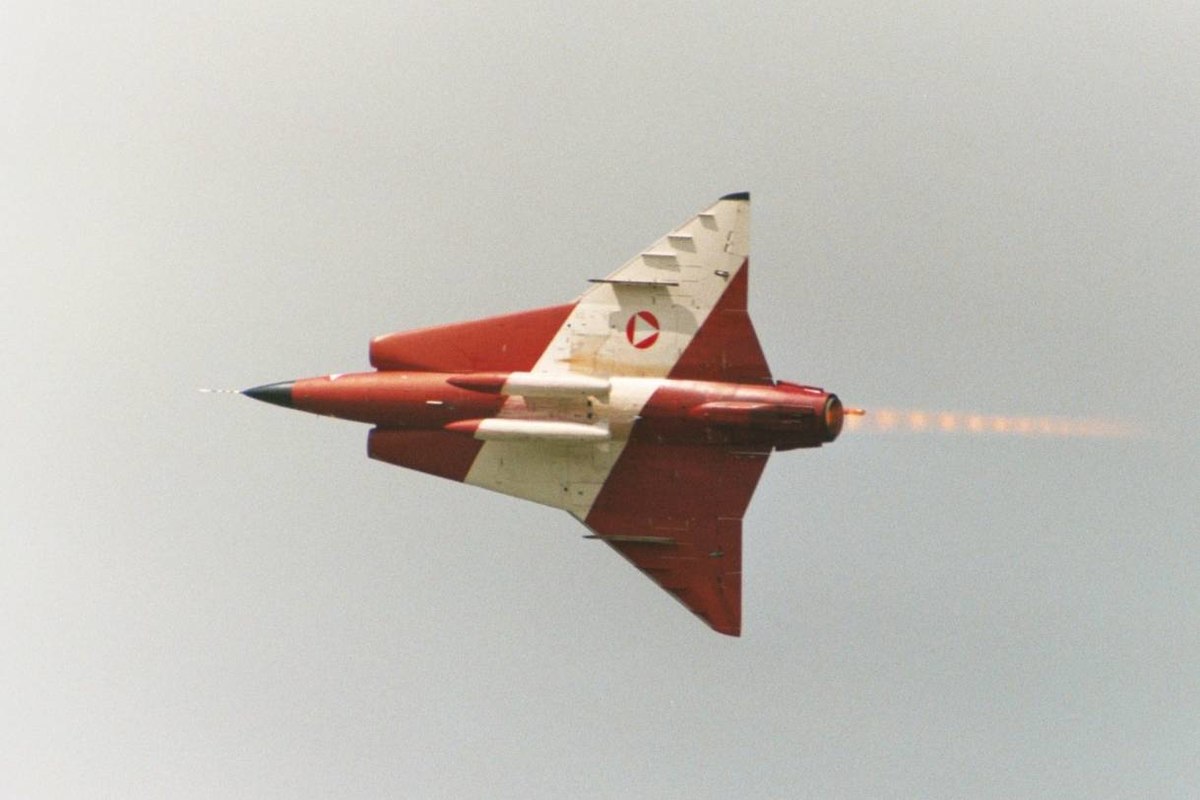
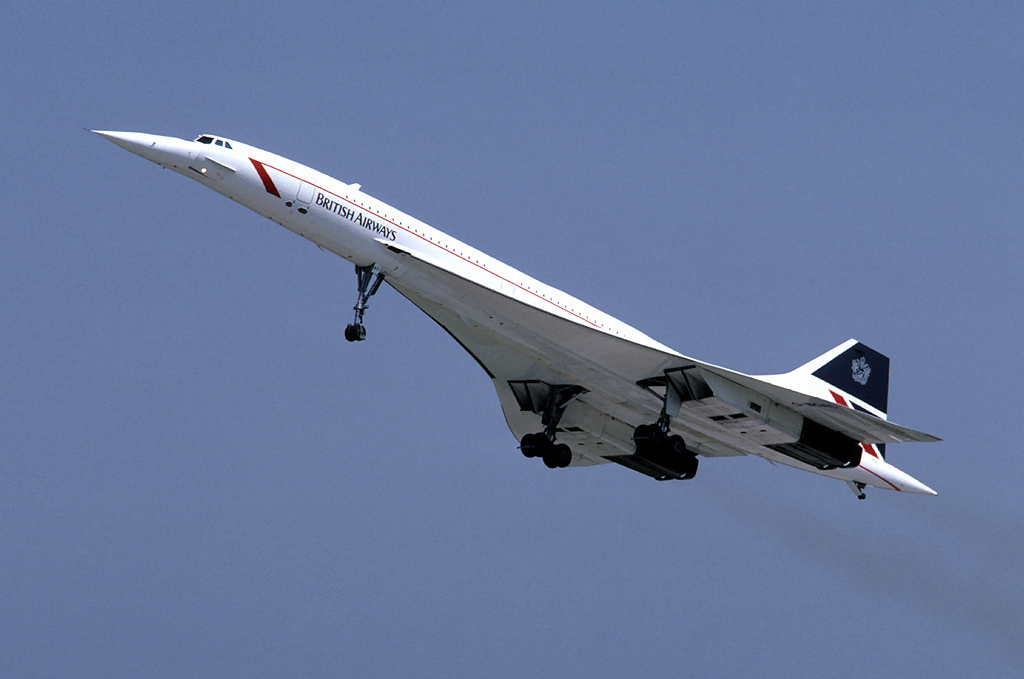
A double delta wing changes the angle partway along the leading edge. The inner section, closest to the fuselage, sweeps back very sharply. The outer section sweeps back less. This two-angle design is also called a compound delta or a cranked arrow, and it appears on aircraft like the Saab Draken and the General Dynamics F-16XL.
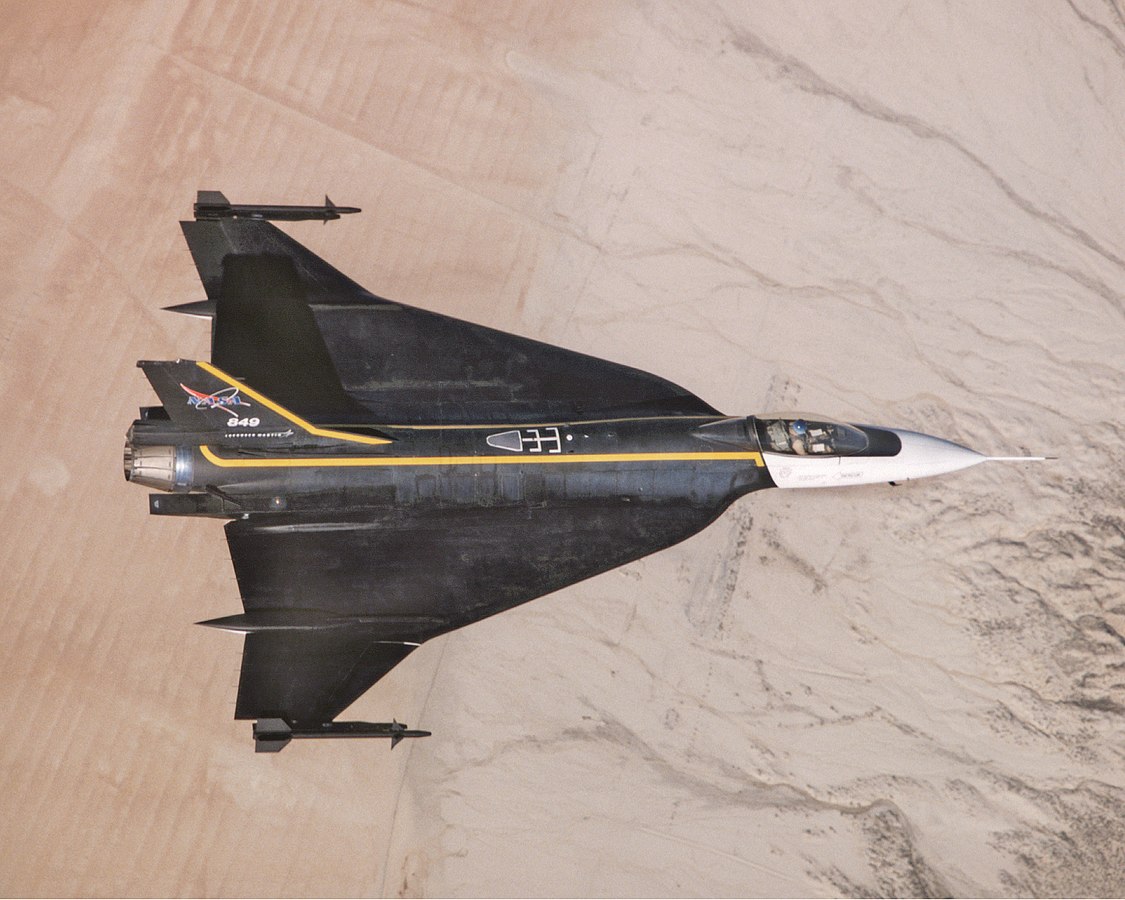
Photo: NASA | Wikimedia Commons
Why Engineers Bend the Wing into Two Angles
A pure delta wing is efficient at high speed but clumsy at low speed. It needs a very steep nose-up angle to generate enough lift for takeoff and landing, which limits visibility and can strain the landing gear.
The double delta fixes this. The sharply swept inner section generates a strong, stable vortex of spinning air above the wing at low speeds. This vortex lift keeps the aircraft controllable during takeoff and landing without needing an extreme angle of attack. NASA research on the shape found that adding fillets between the two wing sections increased the lift coefficient further by broadening this vortex.
The less-swept outer section then takes over at cruising speed, giving the aircraft better efficiency once it is airborne. This split design is why aircraft like the F-16XL earned the “cranked arrow” nickname.
How The Blended Body Part Adds Even More Lift
A blended wing body takes the idea further by reshaping the fuselage itself. Instead of a round tube, the body is flattened into a shape similar to an airfoil.
“Instead of attaching wings to a tube, the aircraft blends the lifting surfaces and central body into a single aerodynamic form,” according to an analysis of the X-48B programme published by Drill and Defense. The result is that the entire aircraft generates lift, not just the wings bolted onto it.
This has three measurable effects, based on NASA and industry figures from the X-48 and JetZero programmes:
- Higher fuel efficiency. Boeing engineers said the X-48B design was roughly 30% more fuel efficient than a conventional aircraft carrying the same payload.
- Lower drag. JetZero says its Pathfinder-based design delivers around 30% less drag than a tube-and-wing aircraft of similar size.
- More usable volume. Because the fuselage itself is a lifting surface, it can be wider and flatter, creating more interior space for the same wingspan.
Why The Aircraft Has No Conventional Tail
A double delta blended wing body aircraft is usually tailless, meaning it has no vertical stabilizer sticking up at the back the way a normal airliner does. This removes drag but creates a control problem, since a conventional tail is what keeps most aircraft stable and steerable.
Engineers solve this with elevons, control surfaces along the trailing edge that combine the pitch function of elevators with the roll function of ailerons. The X-48B also carried small vertical fins at its wingtips for yaw control. “We want to fully understand the aerodynamics of the blended wing body design all the way up to and beyond stall, so that we can learn how to fly a blended wing body aircraft as safely as any other large transport aircraft with a conventional tail,” said Norm Princen, Boeing’s X-48B chief engineer, describing the goal of the flight test programme.
Modern designs rely on digital fly-by-wire systems to manage this constantly. These systems translate a pilot’s stick and pedal inputs into precise electronic commands for dozens of small surface adjustments per second, something a mechanical control system could not achieve on a tailless airframe.
Where Engine Placement Fits into the Design
Most double delta blended wing body concepts mount engines on top of the rear fuselage rather than underneath the wings. NASA has said this placement can produce significant noise reduction on the ground, since the wide fuselage shields the sound from the engines above it.
Top-mounted engines also protect against ground debris and foreign object damage during taxiing. JetZero has said its design is built to use the same engines already certified for existing narrowbody jets, which its founders argue speeds up certification and lowers development risk compared with an entirely new propulsion system.
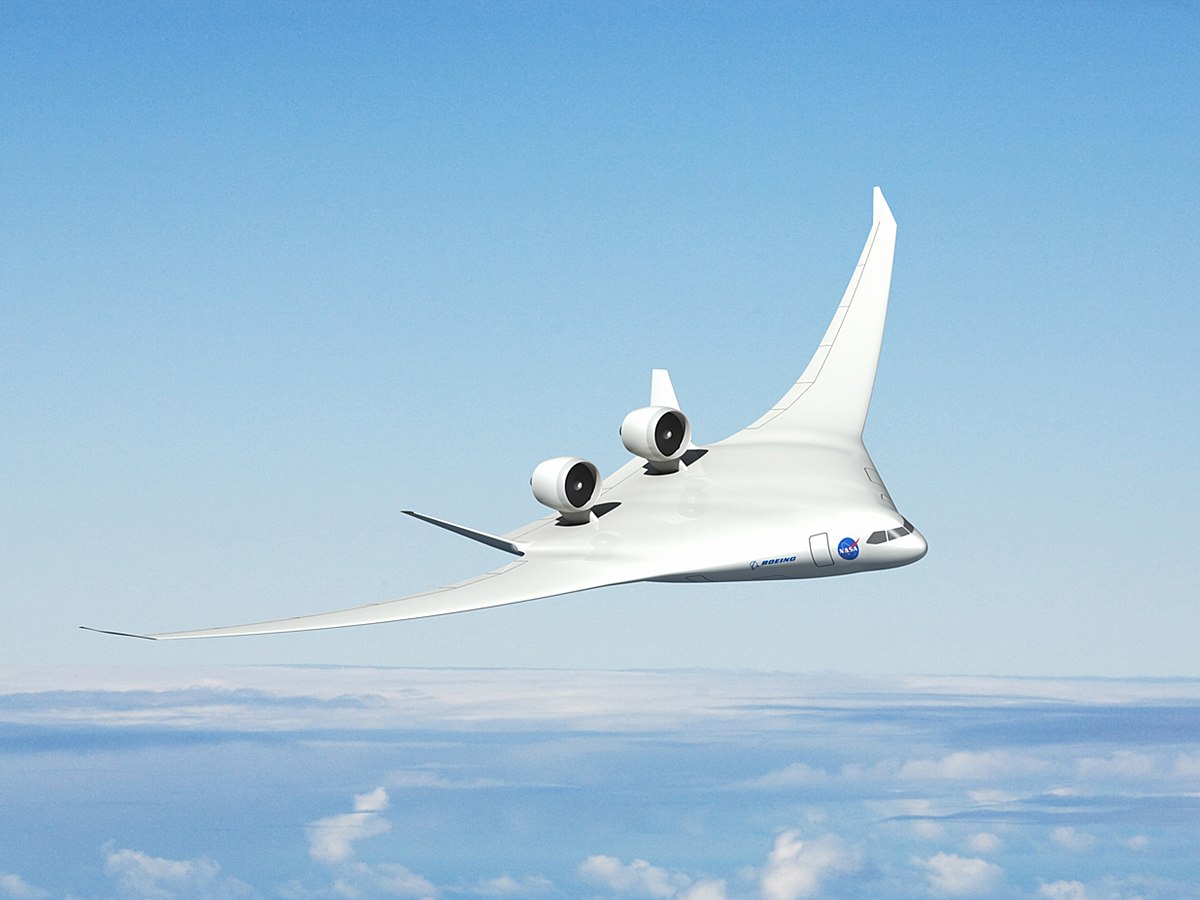
Photo: NASA/The Boeing Company | Wikimedia Commons
Comparing The Approach Against Rival Programmes
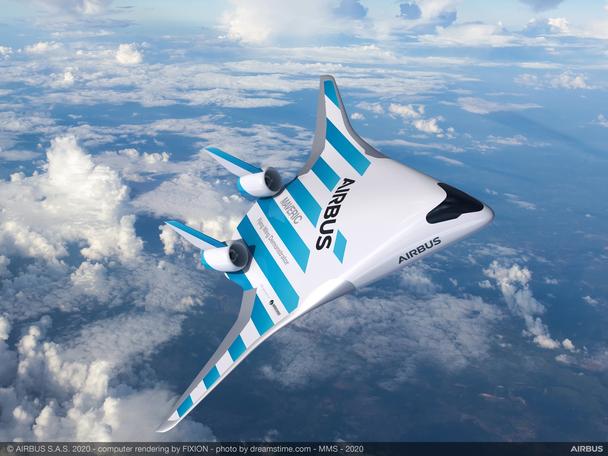
JetZero is not alone in chasing this shape. Airbus built and flew a scaled demonstrator called MAVERIC in June 2019, aiming to cut CO2 emissions by up to 50% relative to 2005 levels. China’s Comac has also tested its own scaled BWB-300 demonstrator.
The difference lies in funding and timeline. JetZero has secured $235 million from the US Air Force alongside roughly $300 million in private investment, with Northrop Grumman helping build a full-scale demonstrator sized to match a Boeing 767’s passenger capacity and an Airbus A330’s wingspan. Airbus, by contrast, has kept MAVERIC at the research stage since its 2020 test flights concluded, without committing to a full passenger-scale prototype on a public timeline.
What Still Stands Between This Design And Commercial Service
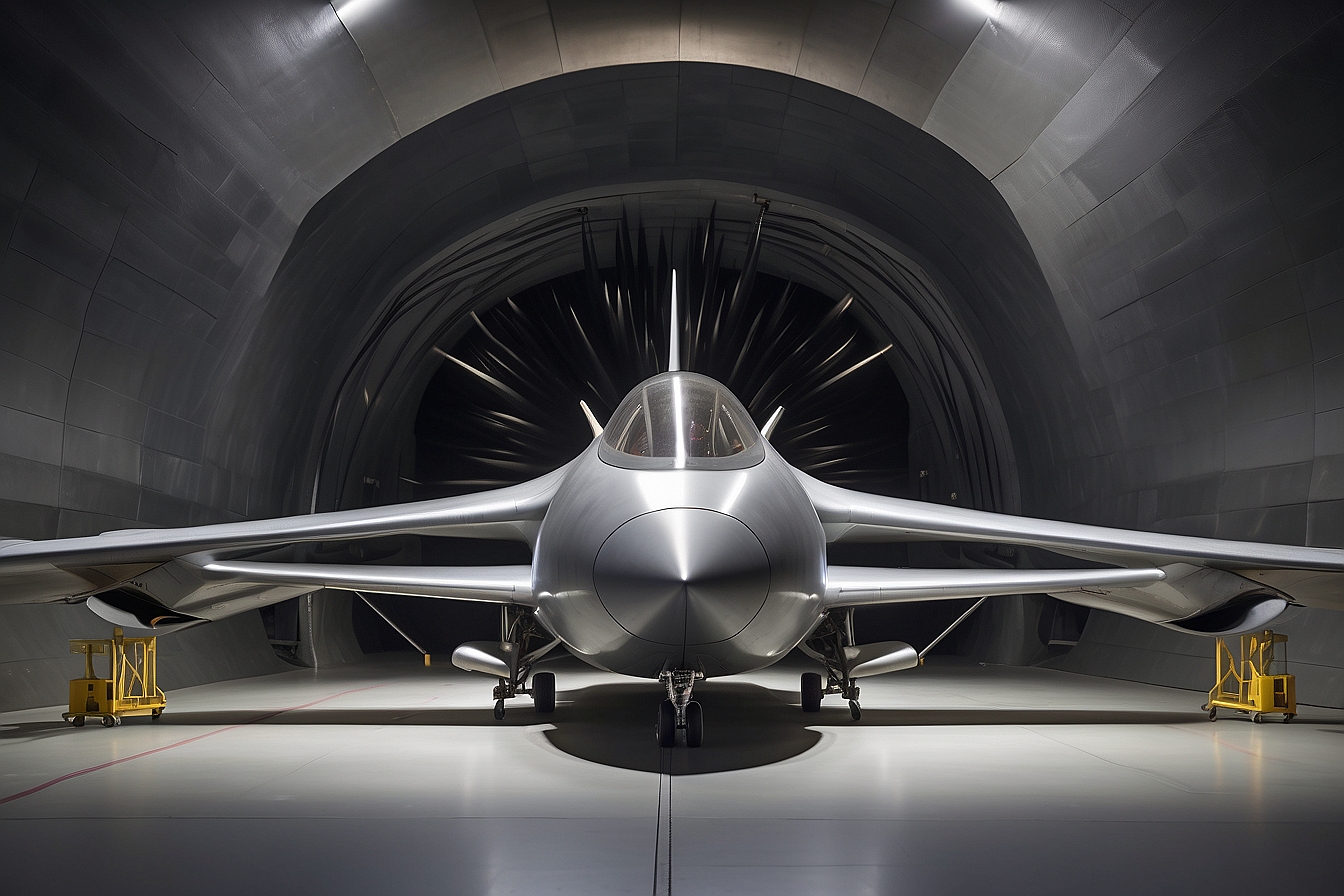
JetZero’s own scale demonstrator, called Pathfinder, received FAA airworthiness certification in March 2024, clearing it for test flights at Edwards Air Force Base. That aircraft is a 12.5% scale model with a 23-foot wingspan, built to be aerodynamically representative of the eventual full-size jet.
The bigger challenge is cabin design, not aerodynamics. A blended wing body’s cross-section changes across its width, meaning passengers seated near the edges sit in a very differently shaped cabin than those near the centerline. Airlines and regulators still need to work out evacuation routes, window placement, and seating comfort inside a shape that was designed by aerodynamicists rather than cabin architects.
Andrew Torvik, an Air Force program spokesperson, said the current subscale flight tests are confirming that the design’s flight dynamics behave the way earlier scale models predicted, keeping the programme on track for a first flight of the full-size XBW-1 demonstrator in 2027.


.jpg)


