
Los Angeles International Airport (LAX) has a rather delightful program called PUPs, or Pets Unstressing Passengers. There were around 93 dogs in this airport to “spread the love at LAX’s gate areas at each terminal’s departures levels“. But these PUPs don’t board the flight. Bark Air’s introduction marked the first airline dedicated solely to the transportation of dogs. This airline catered to the dogs in such a mushy way that these animals were referred to as VIPs- Very Important Pups. Airports also have introduced pet parks where emotional support animals (such as dogs) traveling with passengers can play around real grass. However, dogs are not the only animals that need to be transported by air.
Animals that need to be relocated to a zoo in another country or inside sanctuaries in another part of the world are also transported by air. These animals might be lions, tigers, or other non-mammalian species. But how are such animals transported by air? Let’s find out.

What are the different types of animals that are transported by air?
Apart from the transportation of emotional support animals or pets, the animals that are transported by air fall into three categories:
Livestock transportation
Domestic or industrial livestock are often transported to various parts of the globe for slaughter, auction, breeding, livestock shows, or fairs. Australia alone exports 2.7 million animals from its ports to more than two dozen nations. In 2019 alone, approximately 1.6 billion live animals were transported across the EU.. Animals that are exported live often have to undergo “cruel fate” when they board their ship. But when being transported via airlines, this is a completely different ballgame.
Exotic transportation
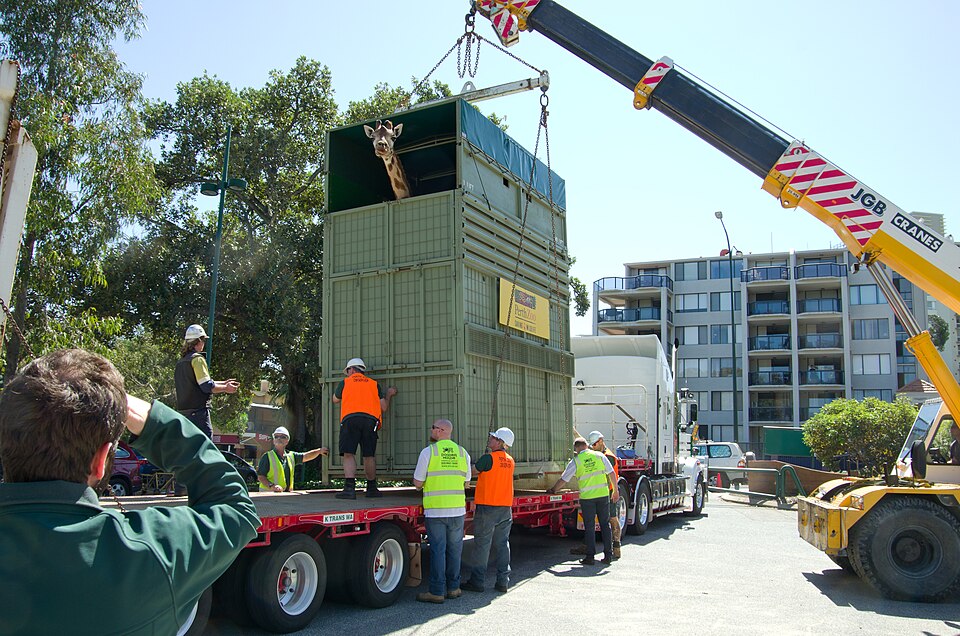
The sheer volume of livestock trading means that they are most transported via ships. A large portion of animals transported by air is made up of exotic animals that either end up in zoos, are a part of greater conservation activities, or are involved in some research.
Animals that are a part of government services
Animals such as sniffer dogs are often deployed in airports to some success: one of the most prominent cases being the deployment of a Labrador to detect 3 kilograms of heroin that a passenger arriving from Kenya was hiding in his luggage. Such dogs are also a part of military units of nations, and might need to be transported by air for operations in jungles, swamps, or mountains.
Companion Animals
Companion animal transport makes up the majority share of the animals transported by air. The way that companion animals are transported is quite different from how livestock or exotic animal transportation takes place.
How Animal Transport Logistics vary from nation to nation
If you are flying into a Short Takeoff and Landing (STOL) airport, such as the Lukla Airport, which is dubbed the most dangerous airport in the world, only small aircraft like the DHC-6 fly in and out.
Lukla: 5 Fast Facts About The World’s Most Dangerous Airport
Livestock (such as goat or chicken for consumption) are generally walked into the region (instead of flying)- after all, the planes are small and it becomes unprofitable to fly livestock. One shouldn’t be surprised if there are no provisions for flying exotic animals into these airports, either.
Nepal’s neighboring country, India, for example, which has a booming aviation sector, has provisions for animal transport via air. Fr instance, on the occassion that a K-9 from the Central Armed Police Force is being transported by a helicopter, it is required for “the dog and handler team to be so seated that the weight is evenly balanced. To avoid even a remote chance of accident the dogs should be muzzled. The handler must sit with head of their dog be kept between the knees.”
While the military units of nations, such as India, transporting animals by air might follow their own protocols, animals being transported via commercial transport fall under the broad umbrella of the IATA, EASA, or other civil aviation authorities. According to Skybrary, the Live Animals Regulations (LAR) by the International Air Transport Association (IATA) followed “has become the worldwide standard for transporting live animals by commercial airlines, and supranational and national regulating bodies reference it”.

Here are glimpses of what the LAR broadly covers:
| Applicability |
|
| Animal behaviour |
|
| Documentation |
|
| Reservations and advance arrangements |
|
| Life science logistics for lab animals |
|
| Container requirements |
|
What are the most popular routes for transporting animals by air?
The following table shows the top 10 routes for transporting animals by air
| Rank | Origin | Destination |
| 10 | United States | Netherlands |
| 9 | Sweden | China |
| 8 | Argentina | Netherlands |
| 7 | Sri Lanka | United States |
| 6 | Egypt | United Arab Emirates |
| 5. | Canada | Canada |
| 4. | Norway | China |
| 3. | Phillipines | Chinese Taipei |
| 2. | Pakistan | China |
| 1. | Netherlands | United States |
Key factors in safely transporting live animals by air
Animals, like humans, might be subjected to a stopover at certain aerodromes before reaching their final destination. Aboard the aircraft, the animals might knaw or kick or claw, necessitating operators to consider whether animal behavior weakens the structure. Other factors that need to be considered are temperature regulation, relative humidity, and carbon dioxide (CO2) concentration in the cabin compartment. Let’s have a look at all these factors in greater detail:
What needs to be considered on the ground
One of the reasons why an aircraft is painted white is to keep the plane cool. But despite such measures, a prolonged exposure to strong sunlight might heat up the cargo compartments. Other factors that determine whether an aircraft is heated include:
- Pre-engine start
- External cooling systems
- Pre-loading
- Performance of an aircraft’s Auxiliary Power Unit (APU)

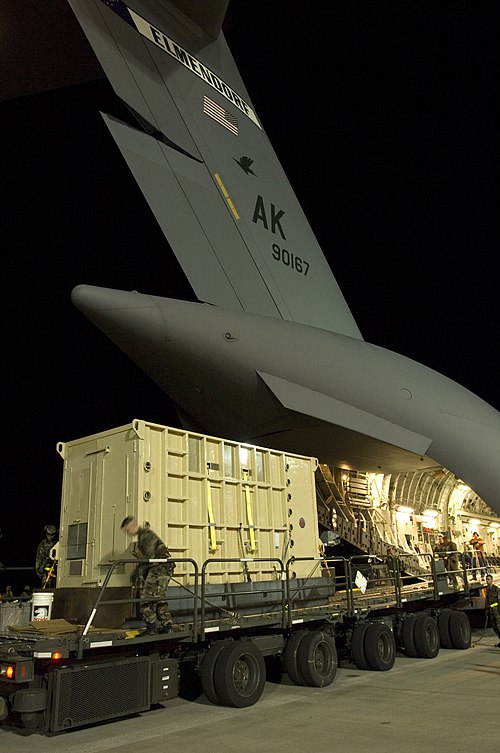
Carriers might close cargo doors last before departure to ensure proper temperature. They might also be opened first for the same reason. In case the aircraft stops over, animals should be given proper food, water, and protection from the climate.
Maintaining a proper environment in the cargo
Temperature Considerations
According to Skybrary, the temperature that the animal ned to be subject to depends upon the type of animals being transported:
| Animals | Temperature | CO2 | Humidity |
| Large farm animals | 4.4 to 26.6 °C | 0 to 3% | 0 to 75% humidity |
| Old poultry require | 32 to 37 °C | 0 to 0.5% | 0 to 80% |
[Note: If, for instance, a pet is being transported in the cargo, there should be a special carrier that is needed, in addition to up-to-date vaccination records (against rabies), a special passport that specifies the breed and sex of the animal, necessary veterinary health certificates, and a microchip].
In 2003, the cost of ventilation and air conditioning (for temperature and humidity regulations for animal transport) on the Airbus A330 was $285,000. The prices have upped significantly in the last two decades. Such cooling systems weigh 500 and 1,000 pounds and add approximately $20,000 per year to fuel costs.
To ensure climate conditions are suitable for animals being transported by air, carriers often consider reducing the number of animals to distribute them better throughout the cargo compartments. Often, the air in the cargo hold is affected by exhalations/ emissions of the animals. So, data pertaining to these factors that have been assembled during in-service experience comes in handy.
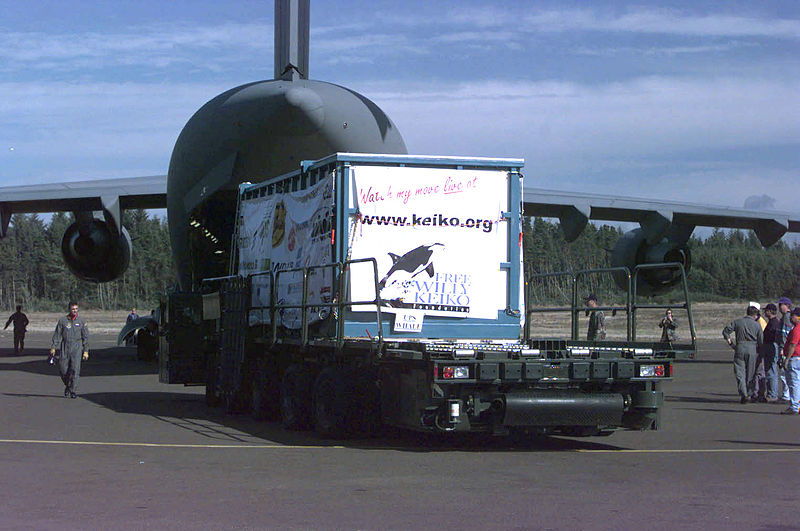
Despite the temperature and humidity considerations mentioned in the table above, new challenges always come about. Such was the case in the air transportation of two Beluga Whales – Little Grey and Little White – that underwent a 6000-mile transatlantic voyage from their former home China to the world’s first open-water beluga sanctuary in Iceland.
Each of these 13-feet-long and almost 12-year-old whales required acclimatizing to the pools inside a Boeing 747 cargo plane. Mark Todd, a marine mammal behavior expert working with the Sea Life Trust Beluga Whale Sanctuary, chimed in about the experience of training these whales to npr.org:
“We have designed a special training programme using a variety of techniques to get them ready for the move..This will include stretcher and platform training, teaching the belugas to hold their breath underwater for longer, increasing their diet to help build up extra blubber, as well as gradually dropping the temperature of their pools to mimic the colder water they will experience in the bay.”
Considerations while loading an animal inside an aircraft
Airlines transporting animals ensure that the containers maintain their structural integrity, even during turbulence. These containers, which “ are designed specifically for different species of animal, and they should have adequate ventilation gaps and holes to allow air flow, and reduce localised temperature and CO2 build-up”, often have enough space between pallets, allowing free circulation of air. Transporters are also careful enough to avoid transporting animals and CO2 in the same compartment. They also ensure that the gradient of the loading ramps, often in line with a species’ ability, are equipped with anti-slip measures.
While transporting K-9s in military transport such as the Ilyushin Il-76, the Central Amred Police Force of India, has the following requirements:
-
The gap between the tailboard and the aircraft should be covered so that the feet of the K9 do not get caught in the gap. This can be done by one of the handlers filling the gap with his forearm. However, if dog is not confident to jump it should be picked up and placed in the aircraft physically.
-
The trainer/handler should sit with the head of the K9 between his knees. If some K9s known to be quarrelsome then it should be muzzled. Before boarding the aircraft/helicopter, the K9 should be defecated and urinated. The K9s can also be transported in portable kennels also.
The nation further warrants that the kneel (portable) should have dimensions of 97 cm x 67 cm x 75 cm.
How are emergencies related to live animal transport handled in the aircraft?
IATA advises the carriers to find a way where commander of an aircraft can heed the advice of a veterinarian about emergency, and consult what necessary actions need to be taken. One might assume that using humane killers or anaesthetic darts might be one of the options to deal with animals that fall ill or are injured during transport but IATA says that the “administration of such devices is intended for experts only, and must be avoided in air transportation”. Here is UKCAA’s take on the issue:
“The requirement concerning animals which fall ill or are injured during transport is that they must be separated from the other animals and receive first-aid treatment as soon as possible, be given appropriate veterinary treatment and if necessary undergo emergency slaughter or killing in a way which does not cause them unnecessary suffering..If safety regulations permit, an aircraft carrying animals on a flight which will exceed 3 hours must have a suitable means of emergency slaughter on board.”
Frequently Asked Questions
How are animals transported by air?
Barring exceptional circumstances, different types of animals transported by air aren’t kept in the same compartment. Animals aren’t also not handled during flight, as this is stressful and poses the risks of transmission of diseases. It would also be extraordinarily iffiuclt for flight attendants to handle any injuries animals might sustain during the flight, so the best possible way to handle such situation is to reach the destination, and call a veterinarian.
The spacing requirement for transport depends on the type of animal being transported by air. Here are the requirements for two different categories of animals:
| Category | Space Requirement |
| Poultry weighing 5 kg and over | 105 cm² per kg |
| Poultry weighing 3 kg to < 5 kg | 115 cm² per kg |
| Poultry weighing 1.6 kg to < 3 kg | 160 cm² per kg |
| Poultry weighing less than 1.6 kg | 180–200 cm² per kg |
| Day-old chicks | 21–25 cm² per chick |
| Horse Weight Range | Space Requirement |
| 0–100 kg | 0.42 m² |
| 100–200 kg | 0.66 m² |
| 200–300 kg | 0.87 m² |
| 300–400 kg | 1.04 m² |
| 400–500 kg | 1.19 m² |
| 500–600 kg | 1.34 m² |
| 600–700 kg | 1.51 m² |
| 700–800 kg | 1.73 m² |
What documents are required for transporting animals by air?
One of the things that needs to be noted is that not all animals might be transported by air. For example, Air India doesn’t allow a pregnant pet to travel by air. The airlines further states that the “pet must be at least eight weeks old to travel in the cabin and 3 months or older to travel in the cargo hold as checked baggage”. In addition to validated vaccination and health certificates that demonstrate that the pet has been in good health 72 hours prior to the flight, the carrier also advises people traveling with pets to have entry permits and other documents that might be required in the nations they are destined to.

Are there any specific regulations for transporting animals by air?
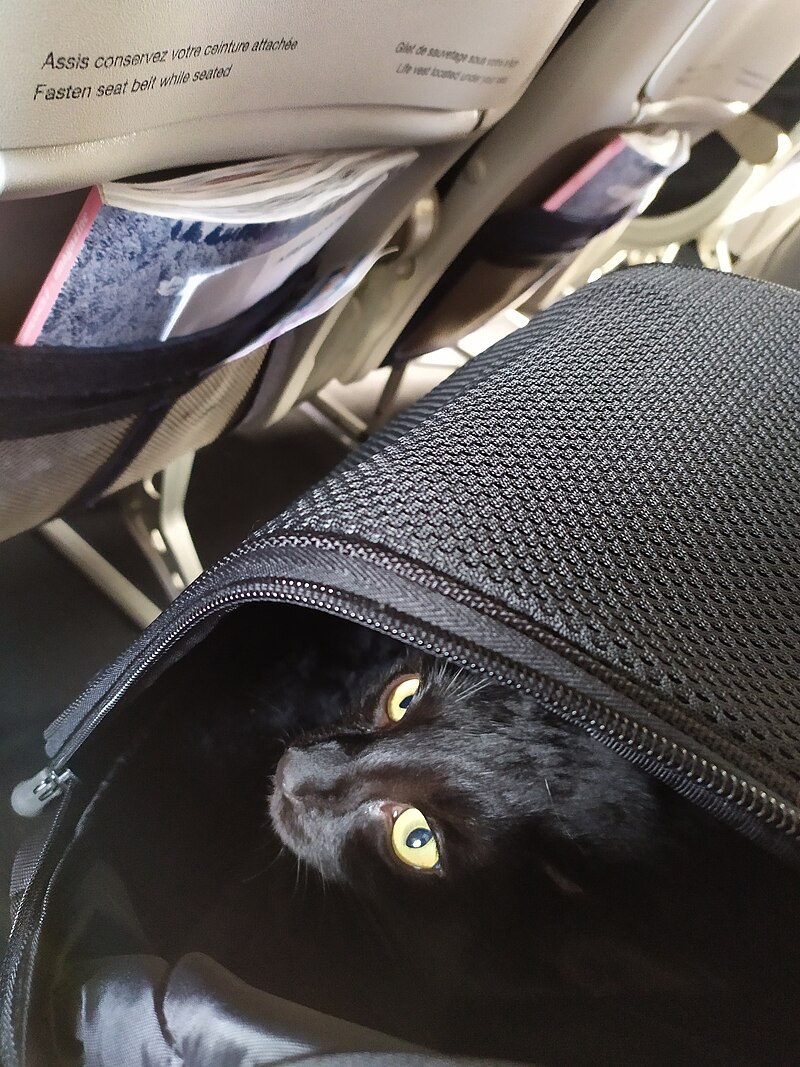
With an increase in air travel, we’ve seen animals board the aircraft as well. After Sherpa Bag was introduced by Gayle Martin in 1989, pets such as dogs have been able to board planes with safety. Airlines have different pet policies, though the overarching goals might be the same. For example, a few of the pet policies of Frontier Airlines include:
- A pet container should have a maximum dimension of 18″x 14″ x 8″ in
- should fit underneath the seat of the passenger bringing the pet onboard
- The pet should be inside a soft-sided container
The US Department of Agriculture posits that traveling pets need to be a minimum of eight weeks or older to travel by air and “brachycephalic, snub-nosed, or mixed breeds of snub-nosed animals are typically not allowed to fly due to health concerns”.
The IATA Live Animals Regulations (LAR) was first published in 1969, marking a benchmark for the transportation of animals by air. In the same year, the Live Animals and Perishables Board (LAPB) came into effect and it “considers all aspects for safely transporting live animals worldwide, including, but not limited to, classification, labelling, marking, packing, handling, loading, documentary requirements, and any other necessary control and animal welfare procedures”.
Can pet owners accompany their animals during air travel?
As previously stated, not all pets can travel via air. When people insited bringing their horses, and other pets as emotional support animals, US put an ouright ban on this practice. Puppies or kittens can make it onboard, though. Frontier Airines, for example, charges $99 for bringing pets onboard.
If pets are traveling in some really long flights, they need to be provided food and water. In case the pets are in transit for 12 hours, they need to be served food and water. The USDOT also says that “Older animals must have food at least every 24 hours and water at least every 12 hours”.

In Pictures: The World’s 10 Longest One-Stop Flights in 2025
American Airlines, for example, allows only “active-duty US military members or a US State Department Foreign Service employee to transport a pet via cargo”.
Conclusion
There are numerous considerations for transporting animals by air, and as we learn more about animal behavior, the regulations will change as well. From February 2021 to February 2022 alone, there was an increase of 600% demand for pet transport, with JetBlue Airlines and Alaska Airlines being “the highest-ranked airlines for transporting animals”. In 2021, the USDOT recorded an incident rate of 0.82 per 10,000 animals transported. Much like such statistics, how animals are transported by air will vary wth time.