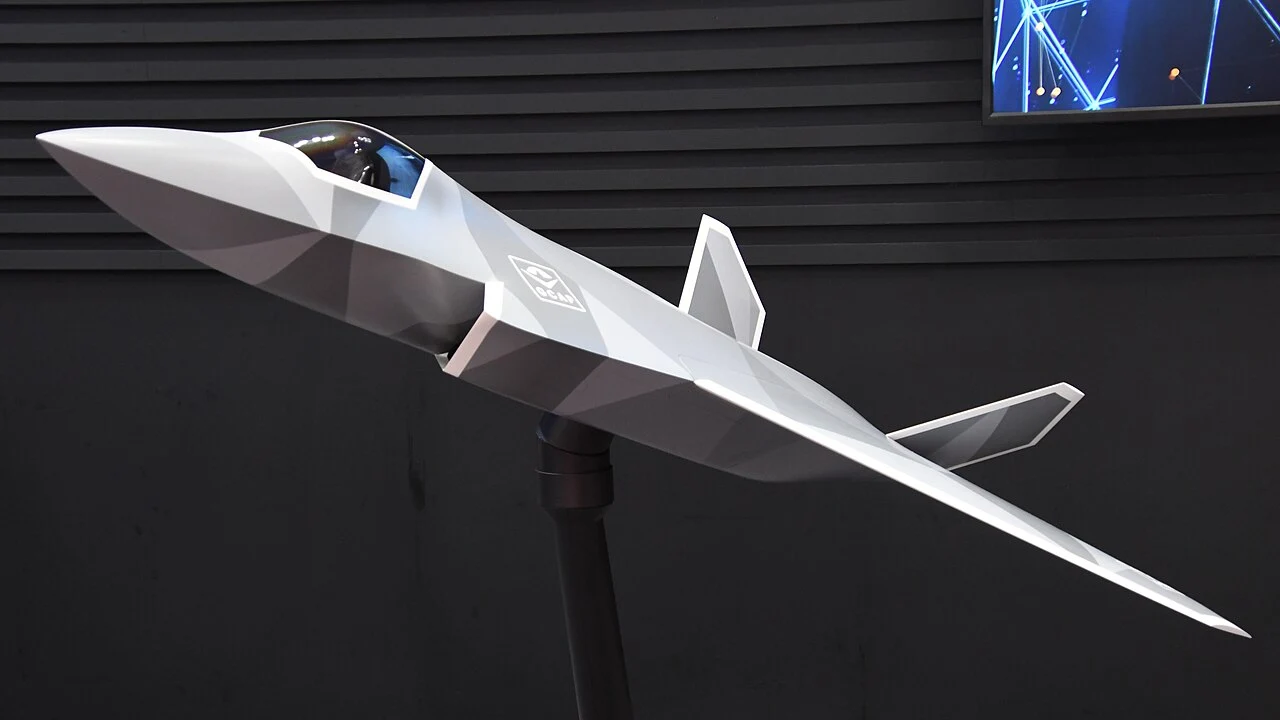
Leonardo chief executive Lorenzo Mariani said on July 21 that German membership of the Global Combat Air Programme (GCAP) “is not an option” at the moment, even though he still sees industrial benefits in Berlin joining. He made the comments on the sidelines of the Farnborough International Airshow, southwest of London, where GCAP’s three founding partners displayed a full-scale prototype of the jet, AFP reported. GCAP is the trilateral programme led by the United Kingdom, Italy and Japan to build a sixth-generation stealth fighter.
Mariani’s remarks came weeks after Germany’s own fighter jet project with France, the Future Combat Air System (FCAS), formally collapsed. He listed Germany’s industrial expertise, its state funding capacity and its experience on past European fighter projects as reasons why German entry would be “beneficial” in the long run. The comments mark a cooling from his earlier position in June, when he called Germany a “particularly valid partner” for GCAP.
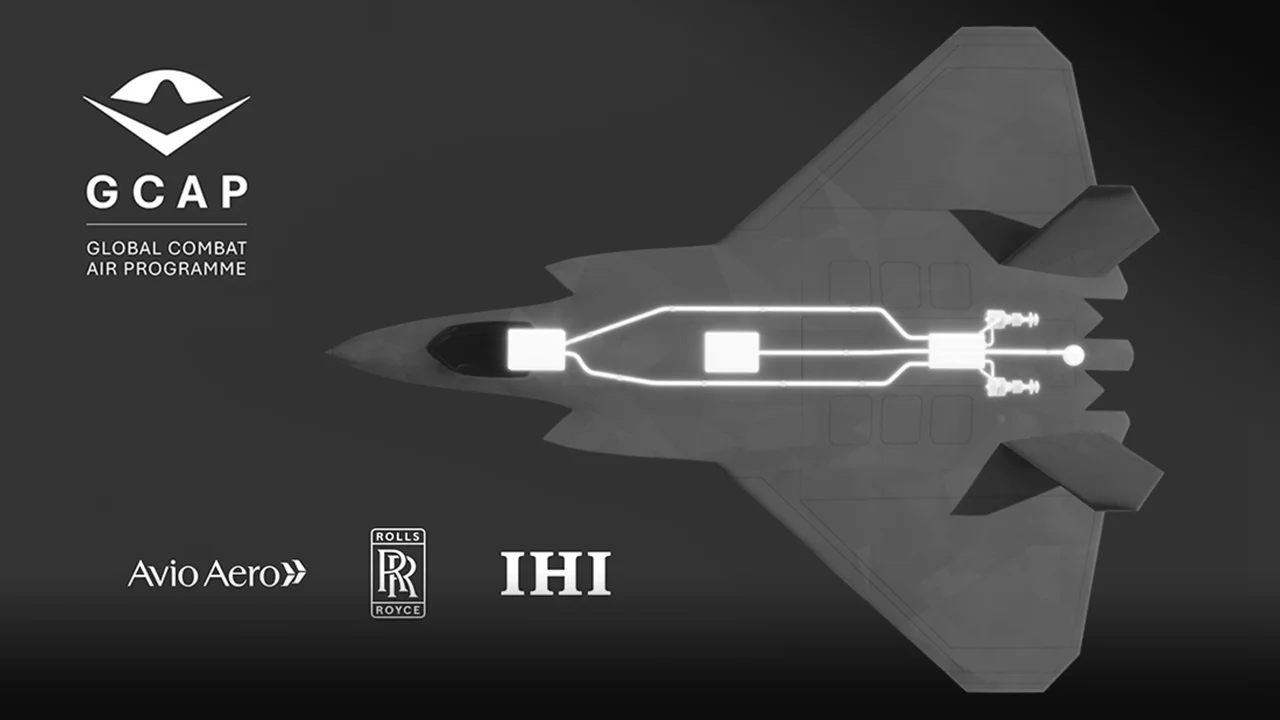
Mariani Softens Earlier Optimism on German Entry
Mariani’s Farnborough comments were more cautious than the position he set out to Reuters in Rome six weeks earlier. In June, he said Berlin would “certainly be a particularly valid partner” for GCAP, pointing to German industrial expertise as a clear asset. At Farnborough, he kept the door open in principle but ruled out any near-term move.
The shift reflects growing sensitivity around timing. Adding a fourth full member to GCAP would require renegotiating the programme’s industrial workshare and governance structure among the UK, Italy and Japan. Mariani said this could disrupt a programme that has already locked in its partnership terms and funding commitments.

Why FCAS Collapse Reopened Germany’s Fighter Jet Options
Germany’s options narrowed sharply after France and Germany terminated the crewed fighter component of FCAS on June 8. The roughly €100 billion programme fell apart after Airbus and Dassault Aviation could not agree on workshare, patent rights and programme leadership, ending nine years of negotiations. German Chancellor Friedrich Merz confirmed the decision at the ILA Berlin Air Show, the same venue where the FCAS partnership was unveiled in 2018.
Airbus has since kept its options open rather than committing to GCAP. Airbus defence and space chief Michael Schoellhorn said the company would join or build a project “where we have a significant portion of the work and the leadership.” Airbus has also held talks with Sweden’s Saab about a joint fighter, without ruling out GCAP entirely.
Germany has publicly signalled interest in exploring GCAP membership since the FCAS collapse. Any move would need unanimous approval from the UK, Italy and Japan, since GCAP’s governing treaty currently recognises only three full partner nations.

What Germany Would Bring to the Global Combat Air Programme
Mariani has repeatedly pointed to three specific advantages Germany could offer GCAP. These match the case he made privately in June and repeated publicly in July.
Analysts note that Germany’s financial firepower is significant. Germany’s parliament has already committed to sharply higher defence spending as part of NATO-wide rearmament, giving Berlin more capacity than most European states to fund a large industrial programme.
Japan’s Caution and the Cost of Adding a Fourth Partner
Not every GCAP partner shares Mariani’s openness. Japan has been notably more cautious about expanding the programme, according to reporting from the Financial Times cited by Caliber.Az. Tokyo is concerned that adding partners could delay the aircraft’s targeted 2035 delivery.
Mariani acknowledged this trade-off directly. Speaking to Defense News in June, he said extra partners would bring “more competences and financial support” but added that GCAP would need to “find the right balance” between growth and schedule discipline. Bringing in a new nation with equal rights to the founding three would be, in his words, “a little bit disruptive” in the near term.
GCAP
@GCAP_int – X (formerly Twitter)
Canada’s Observer Status Shows How GCAP Is Already Expanding
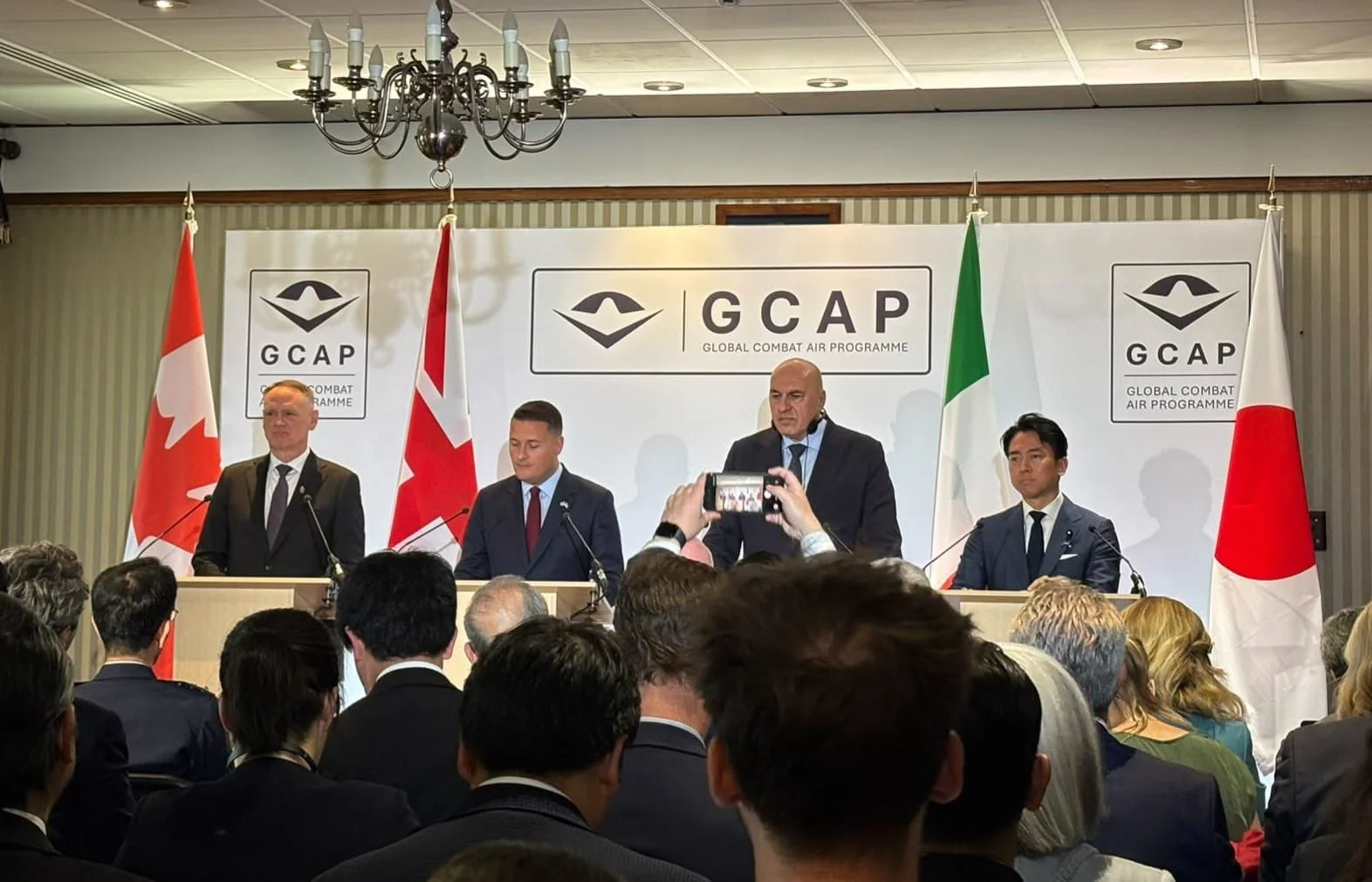
GCAP has already grown once this month, though not through full membership. Canada joined the programme as an observer nation on July 21, the same week as Mariani’s Farnborough remarks. Defence ministers from the UK, Italy, Japan and Canada announced the move jointly in London.
Observer status is a much lighter arrangement than full membership. It gives Canada access to programme discussions and technical data without any financial contribution, workshare commitment or voting role. The four countries said in a joint statement that observer status would let Canada “deepen its understanding” of the sixth-generation fighter’s development.
Mariani called Canada’s arrival a step forward that could open the door to further growth. He suggested it might encourage other countries to explore similar arrangements, though he did not name Germany specifically in that context. Any path from observer status to full partnership would still require unanimous approval from the three founding nations.
UK Funding and Momentum Behind the GCAP Programme
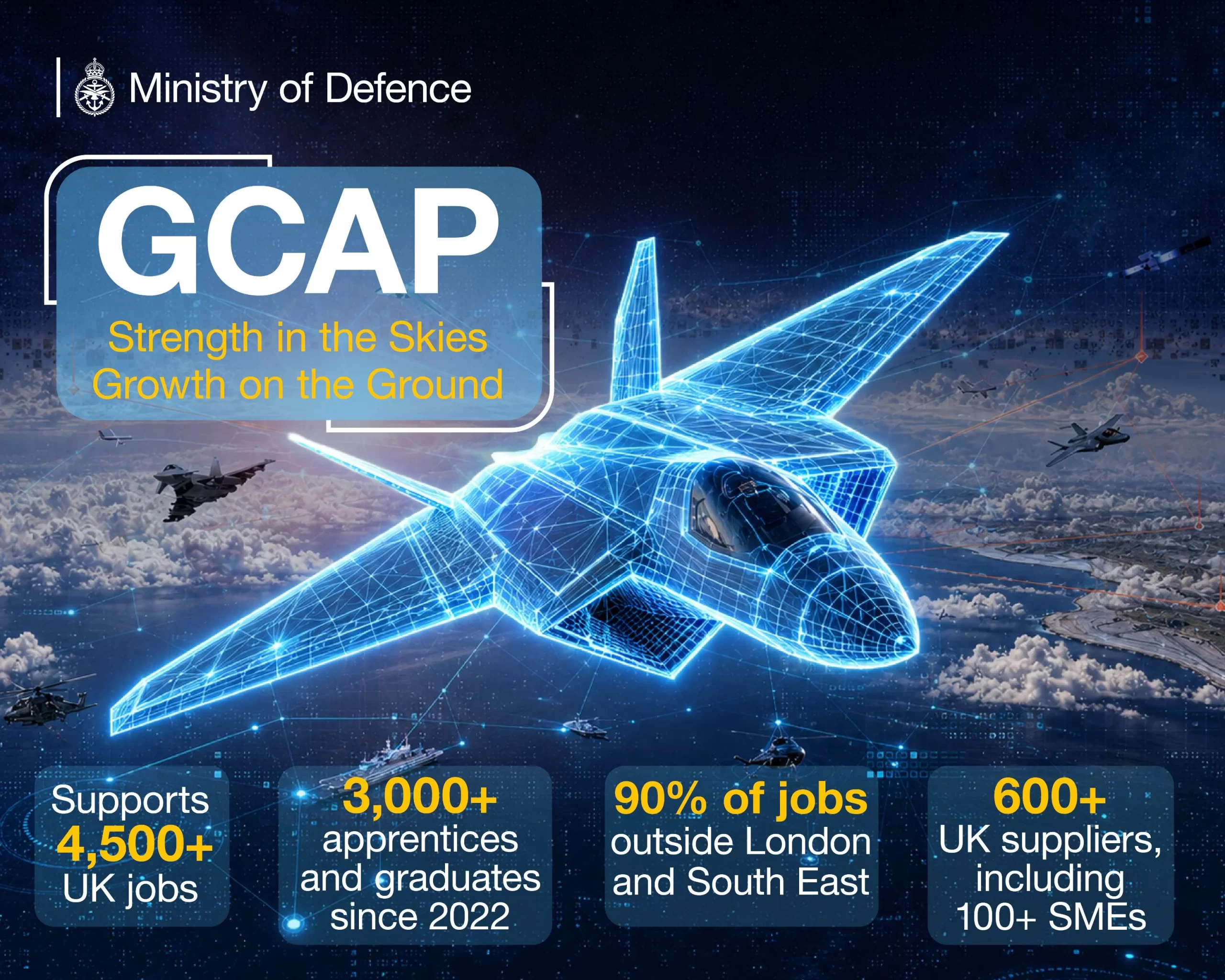
GCAP has also gained financial momentum this month, separate from the membership question. The three founding governments allocated £4.6 billion in July to continue development work, building on an earlier £686 million bridge-funding contract awarded to industrial partner Edgewing in April. That earlier contract kept engineering work moving while the UK finalised its wider defence investment plan.
Edgewing is the joint venture formed by BAE Systems, Leonardo and Japan Aircraft Industrial Enhancement Co. that leads GCAP’s industrial delivery. The programme has already secured a governing treaty, signed in December 2023, and a flight-test aircraft is expected later this year. A combat air demonstrator is targeted for 2027, ahead of the planned 2035 service entry.

All in All
Germany has not made a formal application to join GCAP, and no timetable exists for one. Italian Defence Minister Guido Crosetto said last year that other nations would be welcome to help share GCAP’s development costs, but the decision on new members rests with governments rather than industry. Mariani made clear that picking new partners is not his call to make.
_left_front_view_in_GCAP_booth_of_JA2024_at_Tokyo_Big_Sight_October_19,_2024_01.jpg)
_right_rear_view_in_GCAP_booth_of_JA2024_at_Tokyo_Big_Sight_October_19,_2024.jpg)