The Lockheed Martin F-22 Raptor holds the title of the world’s most capable dedicated air superiority fighter. Yet for nearly two decades of operational service, it has flown without one of the most critical pieces of technology carried by the pilots of its fifth-generation sibling, the F-35 Lightning II — a helmet-mounted display (HMD). The F-35’s Gen III Helmet-Mounted Display System (HMDS), jointly produced by Rockwell Collins and Elbit Systems of America, carries a price tag of $400,000 per unit, allowing its pilots to see battlefield data, target threats, and even look through the aircraft’s skin using integrated cameras. F-22 pilots, by contrast, have relied on a conventional fixed head-up display (HUD) and a decades-old helmet design.
The reasons behind this disparity trace directly to the F-22’s stealth-first cockpit design, the magnetic incompatibility of existing helmet systems with its low-observable (LO) materials, the slashing of the F-22 procurement from 750 to just 187 production aircraft, and the resulting budget rationing that left one of aviation’s most formidable aircraft without a capability considered standard on lesser fighters. This article examines every dimension of that capability gap — and the long-overdue fix now underway.
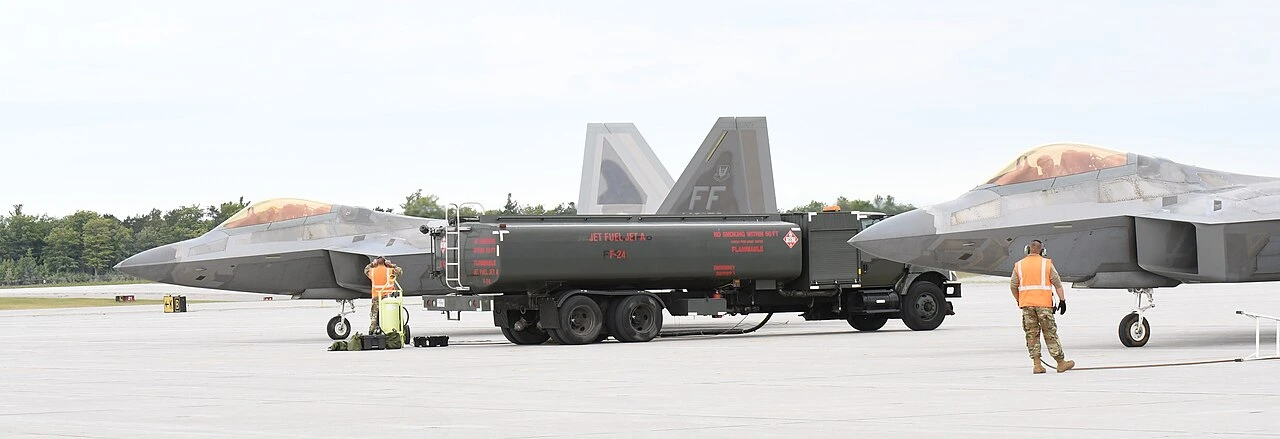
The F-35’s $400,000 Helmet
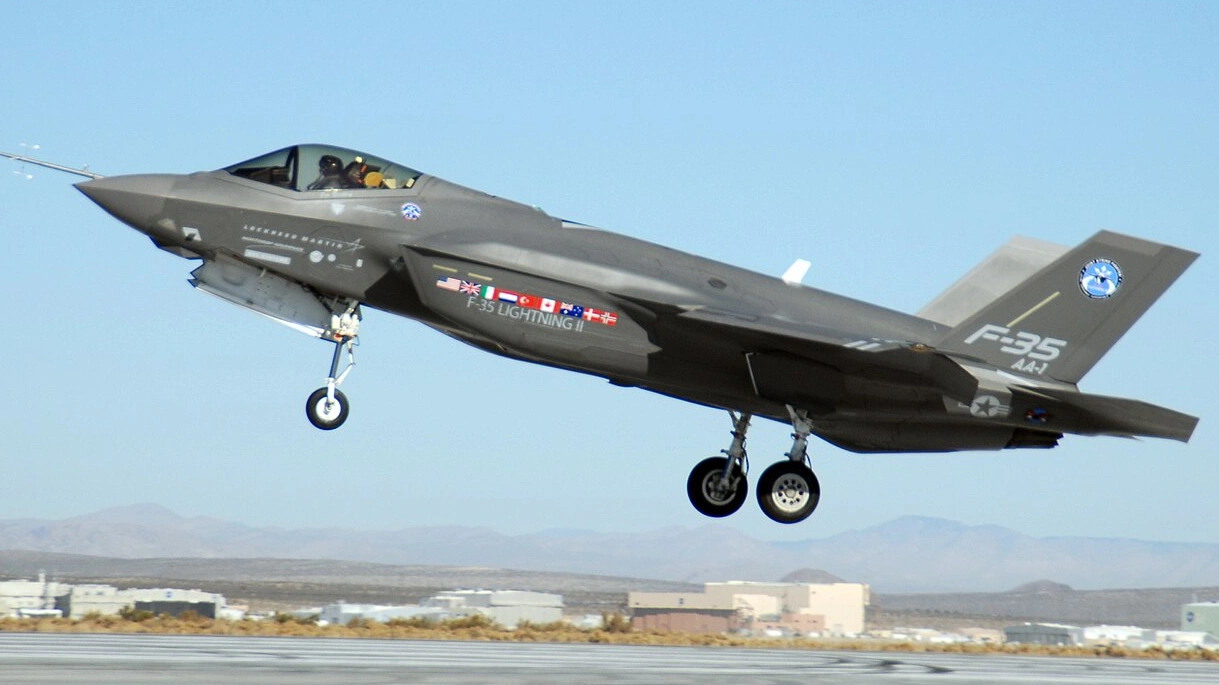
The F-35 Gen III Helmet-Mounted Display System is described as a “wearable cockpit,” and at a price of $400,000 each, it deserves to be known as more than a mere helmet. Some estimates, accounting for research and international conversions, range as high as $700,000 per unit. As the first tactical fighter in 50 years to fly without a traditional fixed HUD, the F-35 projects all critical flight parameters — including airspeed, altitude, and heading — alongside targeting alerts directly onto the visor.
The HMDS is manufactured by a joint venture between Rockwell Collins and Elbit Systems of America. The $400,000 helmet doesn’t do the HMDS justice. The system consists of a number of components — including a virtual HUD — that go beyond just the helmet to help save weight by replacing analogous systems on other jets. Rockwell Collins fellow and mastermind behind the HMDS, Bob Foote, noted it is the first aircraft primary flight display that is worn by the pilot.
The key features of the F-35 Gen III HMDS include:
- 360-degree battlefield awareness via the aircraft’s Distributed Aperture System (DAS), allowing pilots to “see through” the fuselage in any direction
- Integrated night vision, built directly into the visor and eliminating the need for separate goggles
- Weapons cueing by line of sight, allowing pilots to designate targets simply by looking at them
- Virtual HUD data projection, covering airspeed, altitude, heading, and threat alerts
- Custom 3D-scanned fit, requiring a two-day fitting process for each individual pilot
- OLED display technology, replacing earlier LCD panels that produced a distracting green glow during night operations
Despite packing this extensive technology, the helmet weighs only four to five pounds — comparable to a football helmet — and is finely balanced to reduce pilot fatigue during high-G maneuvers. These helmets undergo routine inspections every 105 days and require fit re-checks every 120 days.
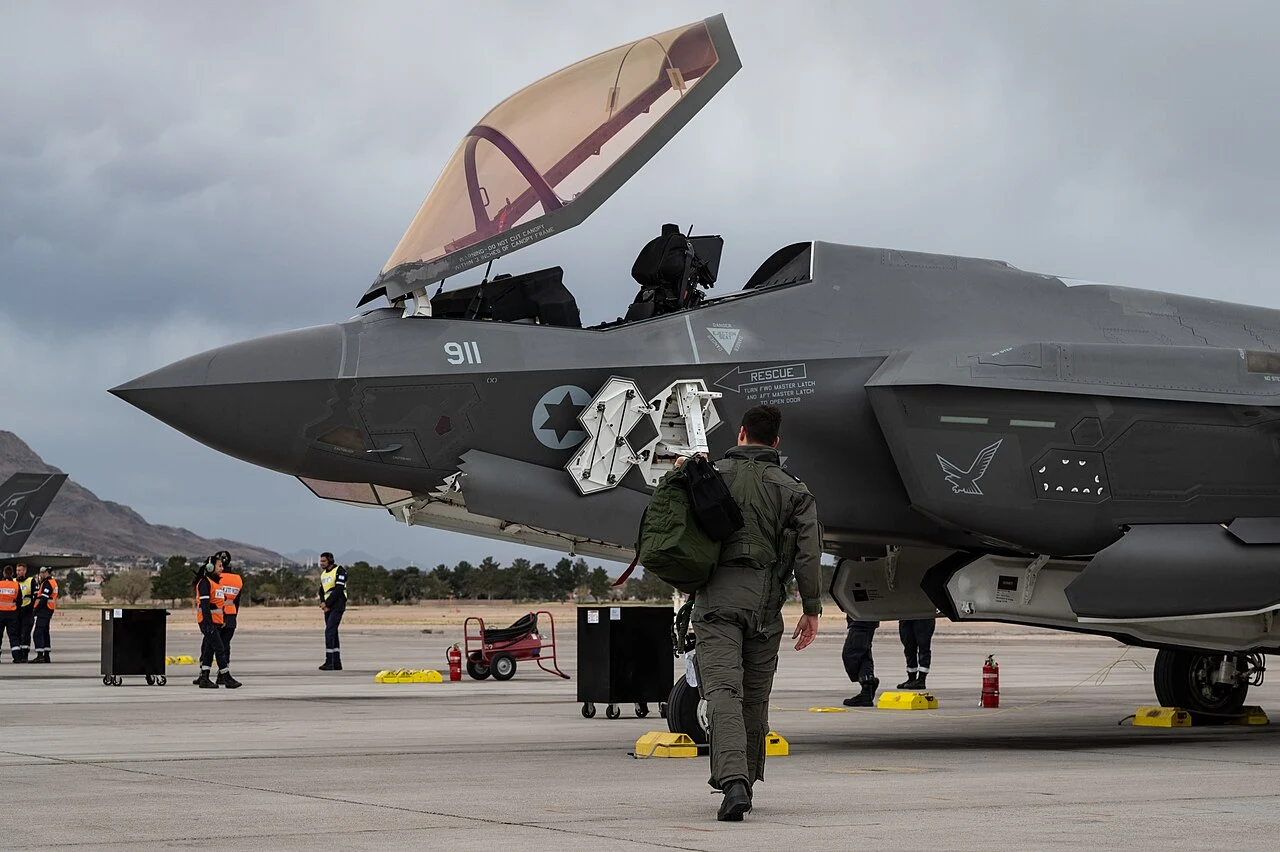
Why The F-22 Never Got a Helmet-Mounted Display in the First Place
The absence of an HMD on the F-22 is not a technological oversight. The Raptor was always intended to carry one. The fact that the F-22, the world’s most capable air-to-air fighter, does not have an HMD has always been a point of contention. It was originally planned that Raptor pilots would get one, but it was cut during development.
The first obstacle was the incompatibility between existing HMD systems and the F-22’s stealth cockpit. The Joint Helmet Mounted Cueing System (JHMCS) used by American F-15, F-16, and F/A-18s is not an option for the Raptor because its magnetic tracking concept is incompatible with the stealthy cockpit features of the F-22. The JHMCS relies on magnetic field mapping of the cockpit interior to track the pilot’s head position. The F-22’s low-observable coatings and electronic shielding disrupt this process fundamentally.
Attempts to magnetically “map” the F-22’s cockpit for JHMCS proved problematic, with low-observable treatments and other cockpit design elements hampering its integration. No workaround was found, and budget pressure prevented the development of a purpose-built alternative for the small Raptor fleet.
The physical shape of the F-22 canopy compounded the problem. The F-22 canopy is wide at the cockpit rails, then gradually narrows as it reaches the top, limiting the pilot’s headspace. Inevitably, there would be damage caused to the canopy by the HMD coming in contact with the material during air-to-air engagements, particularly defensive basic fighter maneuvers (BFM), when the pilot would be all over the cockpit looking for threats behind him.
The shape of the Raptor’s canopy, optimized to preserve low observability, doesn’t allow enough range of motion and minimum visibility to a pilot wearing the JHMCS or the Scorpion HMD. The canopy measures approximately 140 inches long, 45 inches wide, and 27 inches tall — a geometry optimized for stealth, not helmet clearance.
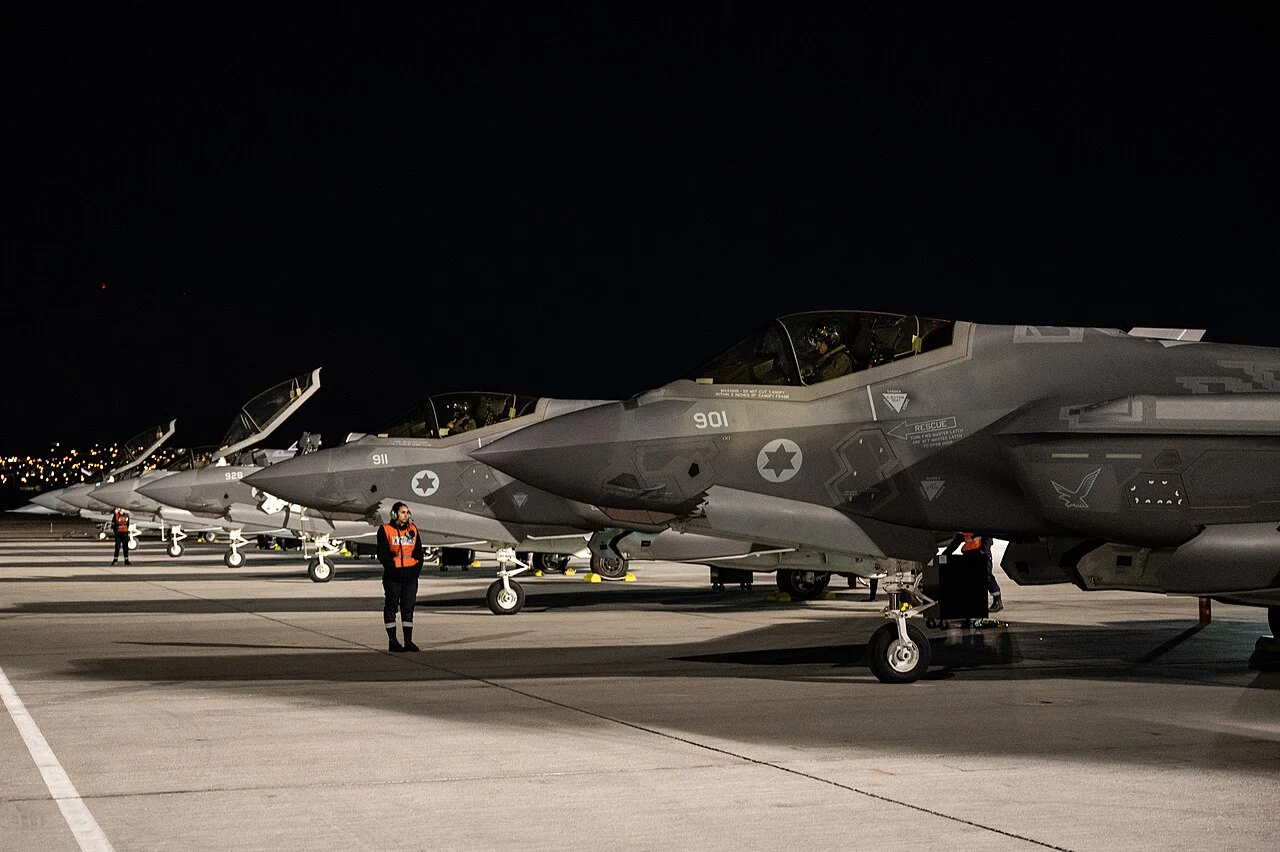
How The F-22 Lost Its Upgrade Priority
The procurement collapse of the F-22 program directly starved the Raptor of upgrades, including its planned HMD. Although the U.S. Air Force originally planned to buy a total of 750 ATFs, it later scaled down to 381 and the program was ultimately cut to 187 operational models in 2009 due to political opposition from high costs, a perceived lack of air-to-air threats at the time, and the development of the more affordable and versatile F-35 Lightning II.
As F-22 procurement was slashed from 750 aircraft to just 187 production Raptors, the fighter became a lower priority for the Pentagon, especially as the larger and export-capable F-35 program grew in stature. Despite the Raptor exhibiting blistering performance in aerial engagements during exercises, funding for upgrades had to be rationed.
The result was a systematic deferral of enhancements. The helmet system has been consistently deleted from planned F-22 upgrades over the years for various reasons — mostly budgetary, but also due to the size of the helmet hampering pilot movements under the F-22 canopy.
The HMD concept was originally made a “program requirement” as far back as 2007, years after the JHMCS capability had been fielded in legacy U.S. fighters, as well as the Eurofighter Typhoon. The Raptor had already entered service in December 2005 without it, and budget sequestration stalled every subsequent effort to correct the omission.
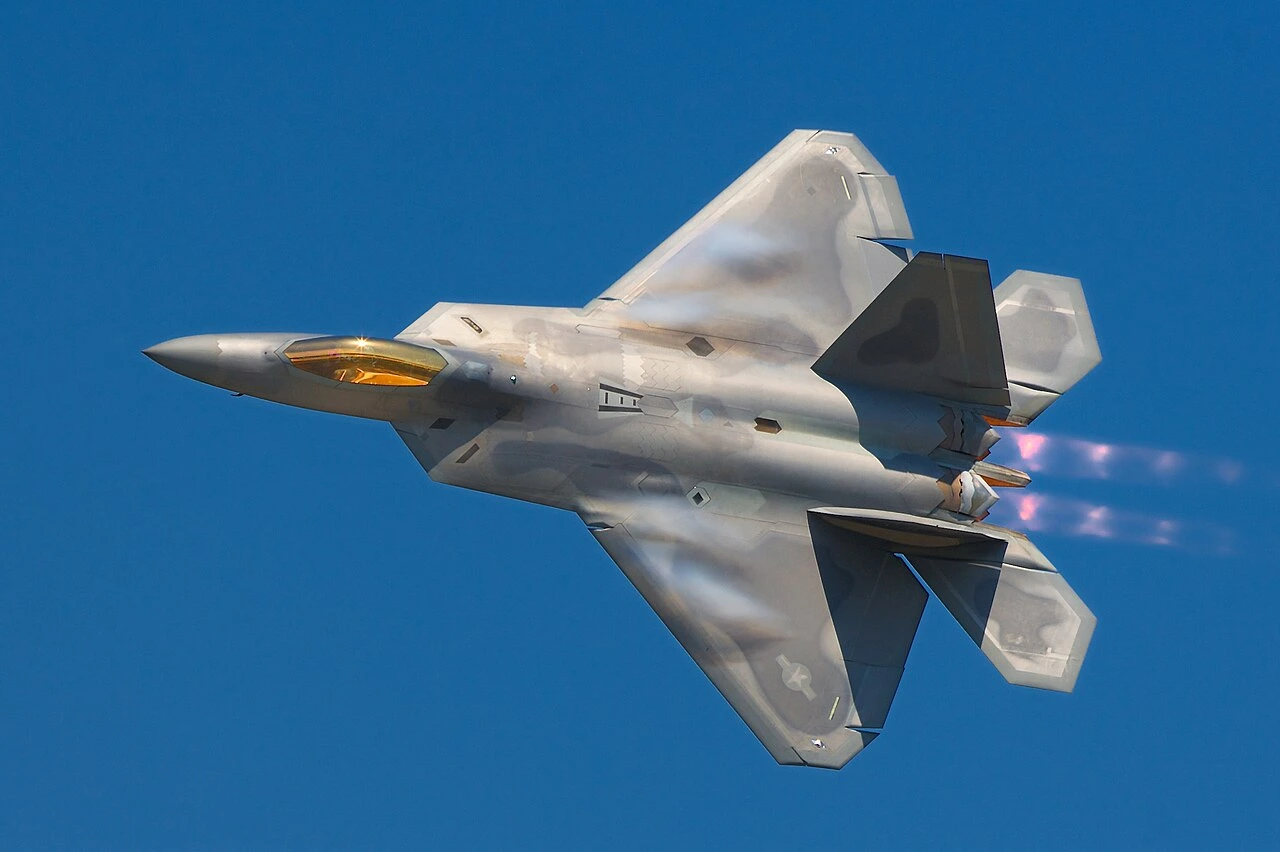
What The F-22 Lost Without An HMD
The absence of a helmet-mounted display has created a genuine operational gap for the Raptor, particularly in close-range engagements. Even as the Raptor gained the AIM-9X missile capable of hitting targets far off the centreline of the jet during a dogfight, F-22 pilots still lacked the ability to target it dynamically via its primary method — an HMD.
The AIM-9X Sidewinder is designed to track targets up to 90 degrees off the aircraft’s boresight. Without an HMD to cue the missile seeker to a pilot’s line of sight, F-22 pilots could not take full advantage of this capability.
Before the Scorpion HMD, F-22 pilots used the Helmetless High Off-Boresight (HHOBS) targeting system for AIM-9X Sidewinder missiles. This method relied on radar-cued targeting, which was effective but lacked the real-time visual interface found in modern HMD-equipped fighters such as the F-35 and F-16 Block 50.
The Raptor’s stealth, high situational awareness, and blistering performance are a clear advantage. Theoretically, an adept F-22 pilot should be able to sneak up on an enemy aircraft and deliver a knockout punch without the opponent ever knowing it was there.
However, modern combat complicates this. Modern aerial engagements often require visual identification of the target before firing due to rules of engagement to mitigate the chance of killing a friendly asset. Moreover, an F-22 only carries six long-range AIM-120s, and therefore could easily be overwhelmed by enemy mass.

The Scorpion HMD is A Different Helmet Than The F-35’s $400,000 System
The F-22 is not receiving the F-35’s expensive HMDS. Instead, it is receiving Thales’ Scorpion Helmet-Mounted Display — a monocular near-eye system that clips onto the pilot’s existing helmet, rather than replacing it entirely.
The Scorpion HMD system fits onto the Raptor pilot’s existing helmet, adding a “monocle” in front of one eye to display high-definition color symbology. Unlike early iterations of the JHMCS, it is adaptable to night vision goggles.
The Scorpion brings meaningful improvements without the complexity of a full HMDS replacement. Most notably, the new helmet is not limited to black-and-white depictions and can project to the pilot full-color scenes. In a stressful combat environment with multiple visual and audio cues, such a small change can make a big difference and increase a pilot’s reaction time.
The Scorpion HMD will provide F-22 pilots with state-of-the-art HMD capability and will allow the pilot to receive situational awareness (SA) information while maintaining visual awareness of their surroundings. Scorpion provides enhanced SA with full colour symbology and a single display for both day and night operations at a substantially reduced life cycle cost.
Thales’ Vice President of Visionix, Jim Geraghty, told Aerospace Global News that Scorpion HMDs are “highly customizable, allowing each platform to maximize capabilities to its unique system architecture”
The Scorpion is also compatible with the F-22’s digital architecture. Unlike previous attempts to equip the F-22 with an HMD, the Scorpion is fully compatible with the aircraft’s Ethernet and MIL-STD-1553 data interfaces, allowing for efficient data transmission without extensive modifications.
Hawaii Air National Guard Leads the Way for the Fix
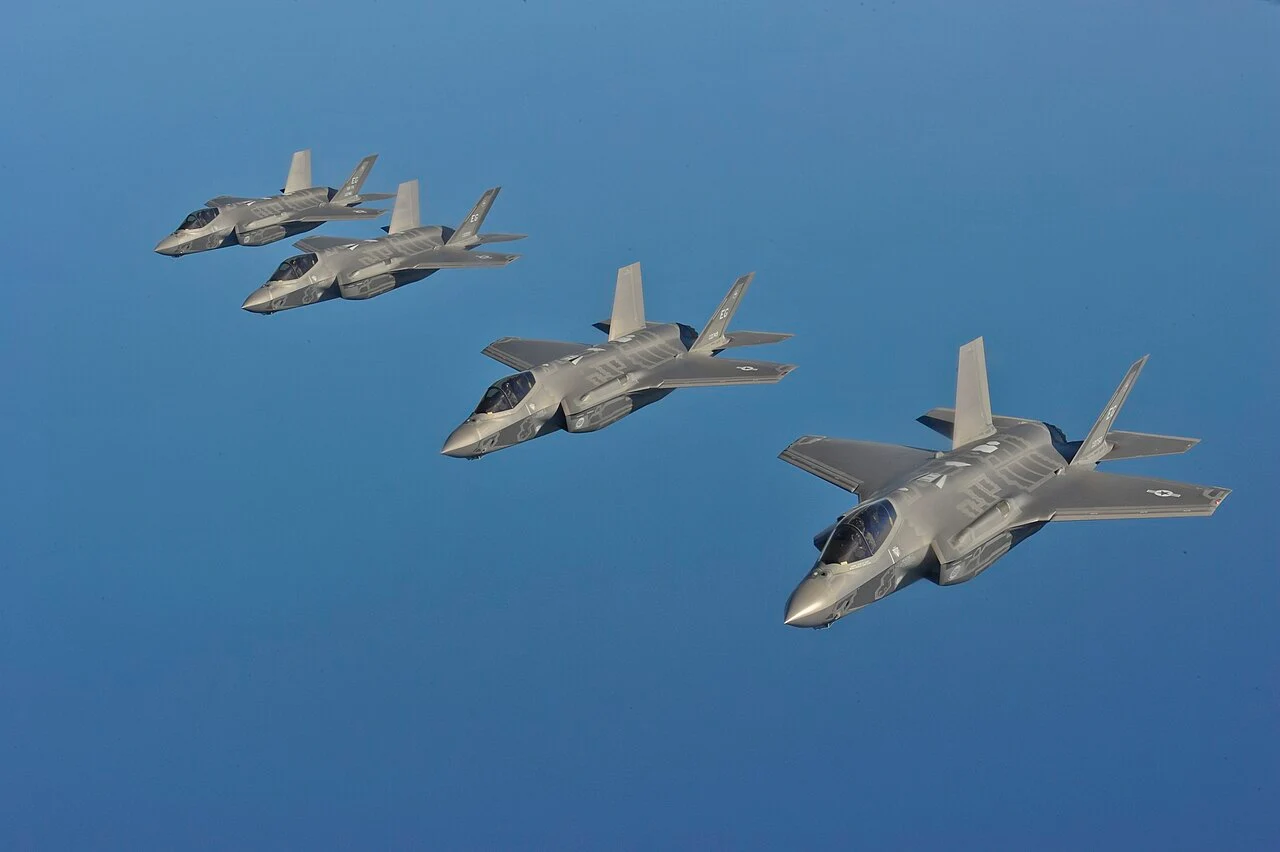
After over three decades of delays, deferrals, and cancelled programmes, the F-22 is receiving a helmet-mounted display. The F-22 Raptor is finally getting a Helmet-Mounted Display — Thales’ popular Scorpion system — with the Hawaii Air National Guard’s F-22s being slated to receive it. The rest of the F-22 community could follow their lead.
In September 2024, the Defense Innovation Unit (DIU) placed an initial $1.6 million Other Transaction Authority (OTA) contract with Thales Defense & Security Inc. (TDSI) for integration and development testing of F-22-specific upgrades for its Scorpion Helmet-Mounted Display. The contract was placed under the DIU’s Raptor Open System Tactical-Helmet Display (ROST-HD) programme, in partnership with the National Guard Bureau.
The Hawaii Air National Guard’s 199th Fighter Squadron is the first unit to receive the Scorpion HMD under the ROST-HD programme. The programme aims to standardize HMD capabilities across all operational F-22 units.
The contract represents the first truly operational deployment of an HMD on the F-22 — more than 18 years after the aircraft entered service and nearly three decades after the requirement was first formally established.
The practical impact of this upgrade is significant. With the Scorpion HMD, F-22 pilots can now lock onto and fire AIM-9X Block II missiles simply by looking at a target. This instantaneous targeting advantage provides a crucial edge in close-quarters air combat, ensuring the F-22 remains lethal in dogfights.