Emirates (EK) unveiled the U-Dream Headrest on July 20, 2026, a new multi-way adjustable headrest for Economy Class passengers that the Dubai-based carrier calls a world first. The airline announced the launch through its own newsroom, describing the product as a “game-changing” addition designed to give long-haul economy travelers full neck and head support while sleeping or relaxing.
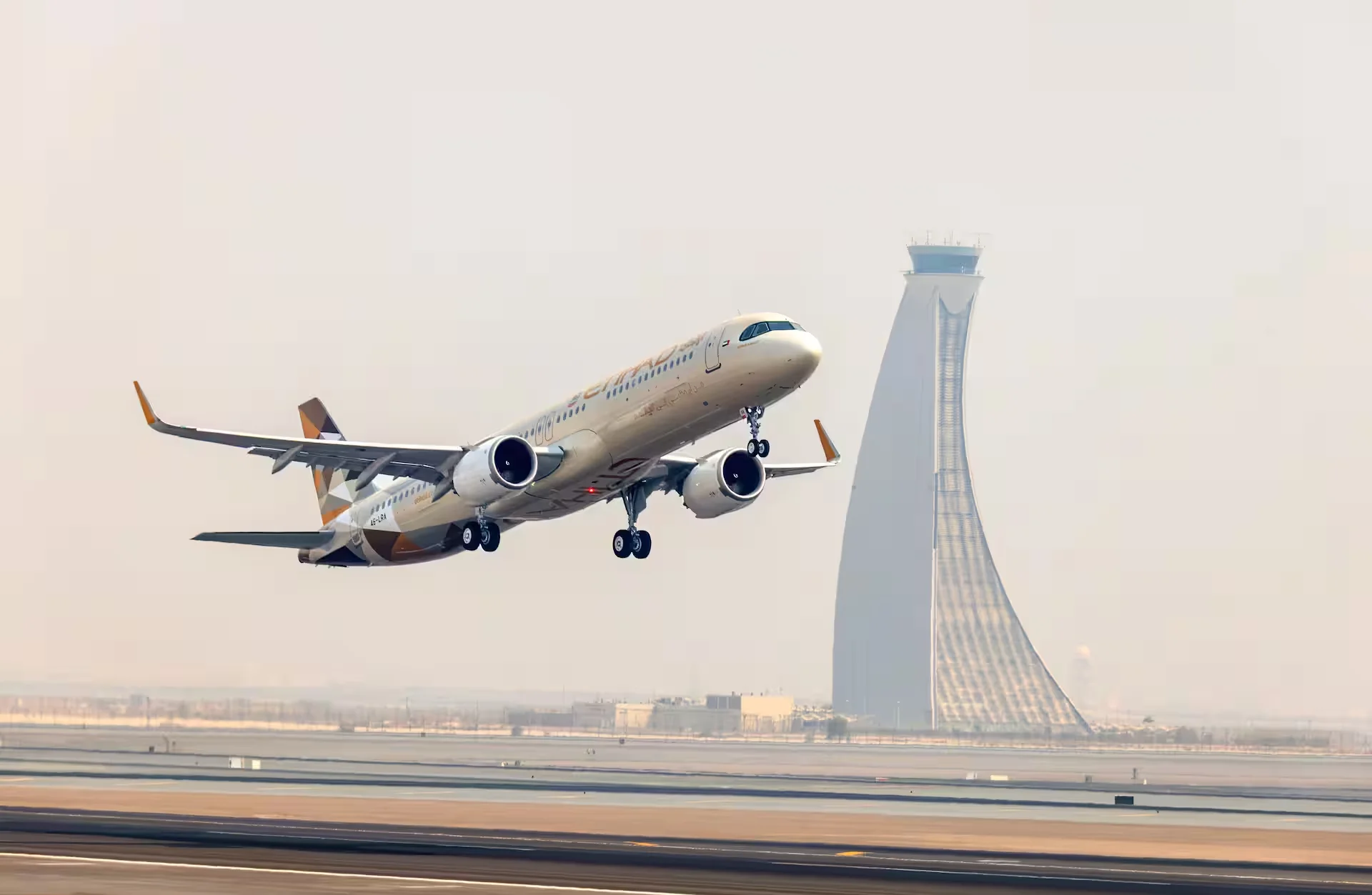
The headrest is already flying on three Emirates Airbus A350 aircraft (an aircraft type deployed on the longest non-stop routes in the world), with installation continuing across the rest of that fleet through the end of 2026. Emirates says the goal is to bring premium-cabin-level ergonomic support to Economy Class, a cabin where airlines rarely invest in meaningful comfort upgrades. The announcement comes about a year after Emirates President Sir Tim Clark first teased a separate “game changer” economy seat concept still in development.
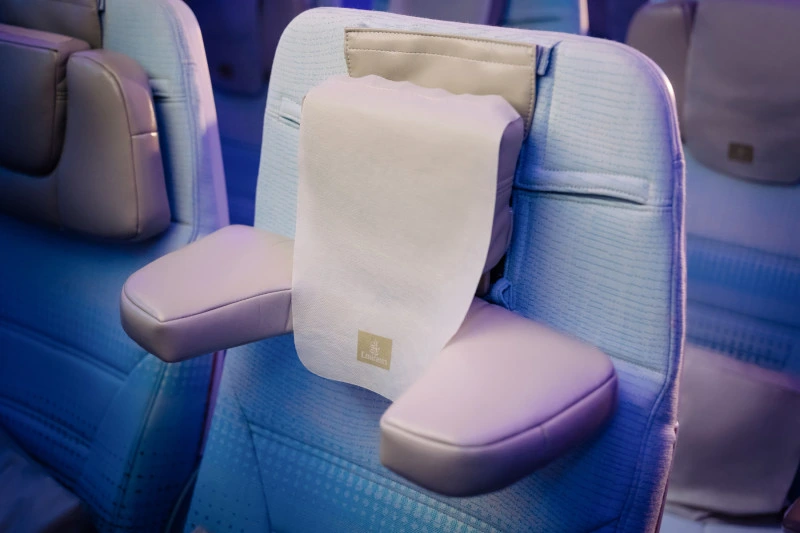
What the U-Dream Headrest Actually Does
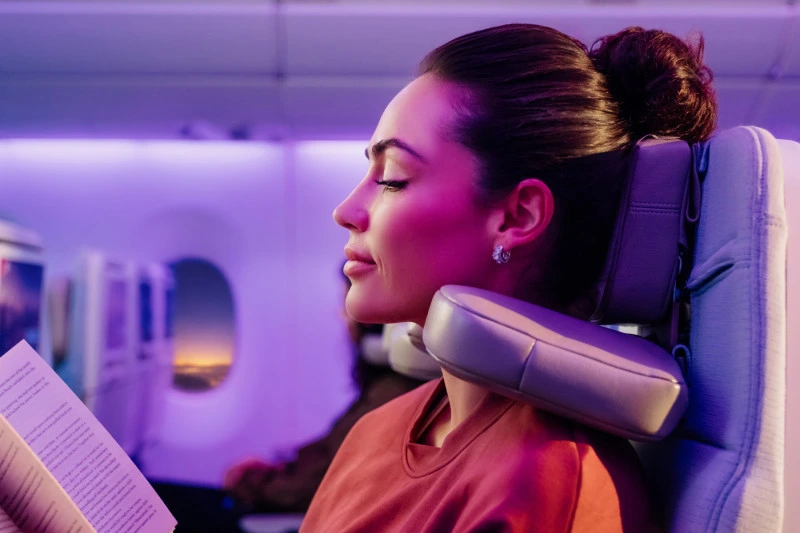
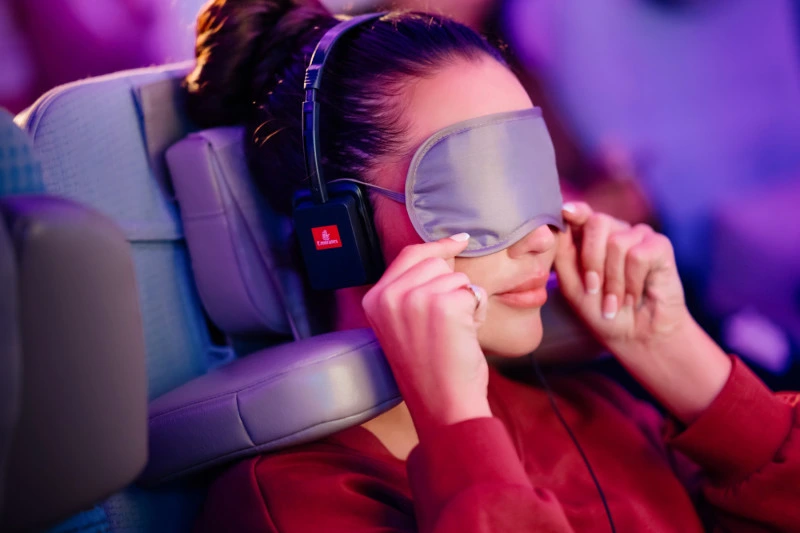
The U-Dream is part of Emirates’ Z400 seat, built in partnership with French manufacturer Safran Seats. The padded, leather headrest features flexible side wings that fold inward to cradle a passenger’s head and neck, keeping it from falling forward or sideways during sleep. The design also adjusts vertically and tilts to suit passengers of different heights and body types.
Key features of the U-Dream headrest include:
- Flexible leather side wings that fold inward to cradle the head and neck
- Vertical adjustment and tilt to fit different passenger heights
- Independent testing and certification to European Union Aviation Safety Agency (EASA) safety standards
- A wipeable leather surface that Emirates says is cleaned after every flight
- Cabin crew trained to help passengers adjust the headrest if needed
Emirates says the U-Dream headrest is already flying on three A350 aircraft, and the airline plans to have it installed across its entire A350 fleet by the end of 2026. The headrest will also come pre-installed on all 270 Boeing 777X aircraft Emirates has on order. Installation on the airline’s existing Airbus A380 and Boeing 777 fleets, which make up the bulk of its current aircraft, will begin in 2027 as part of a broader retrofit program.
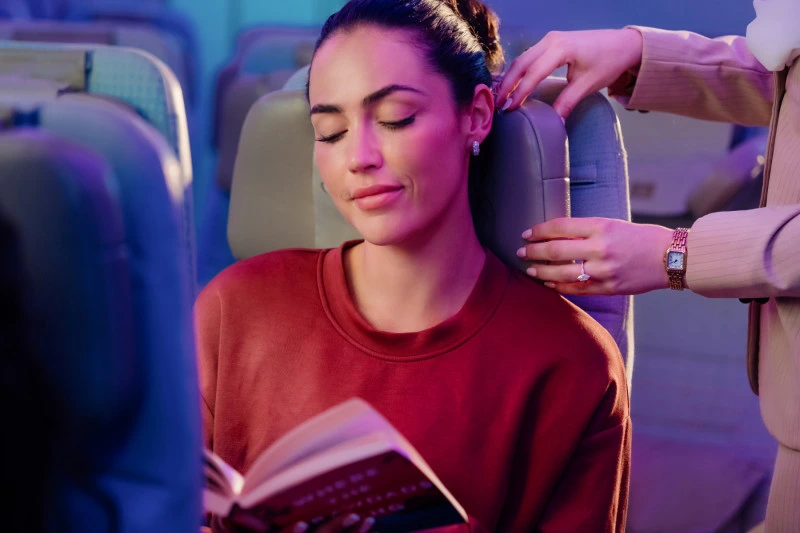
Why Tim Clark is Calling this a Game Changer
Sir Tim Clark, Emirates’ president, framed the headrest as a direct answer to one of economy travel’s most persistent complaints. He said: “The U-Dream changes the game if the person wants to sleep – by supporting the neck in full. No more neck pillows needed.” Clark added that the airline never rests on its laurels when it comes to customer experience, and that the headrest reinforces Emirates’ commitment to making its Economy Class the best in the industry.
Emirates also says the headrest is drawing strong early feedback from customers who have already flown with it, and that passengers have found it easy to adjust without help from cabin crew. The airline positions the launch as part of a broader Economy Class push that includes Starlink Wi-Fi, an entertainment library exceeding 6,500 channels, and complimentary multi-course meals on every flight regardless of route length.
How this Compares to Other Airlines’ Headrest Designs
Emirates is not the first carrier to experiment with a folding, wing-style headrest in economy class. Cathay Pacific has flown flexible, fold-out headrest wings on its Airbus A350 economy seats for several years, a feature reviewers have consistently singled out as a standout comfort touch even without a fully flat seat.
That design, like the U-Dream, lets a wing fold outward to form a cradle passengers can rest their head against, though reviewers note the wings only cover part of the head unless the passenger has a smaller frame.
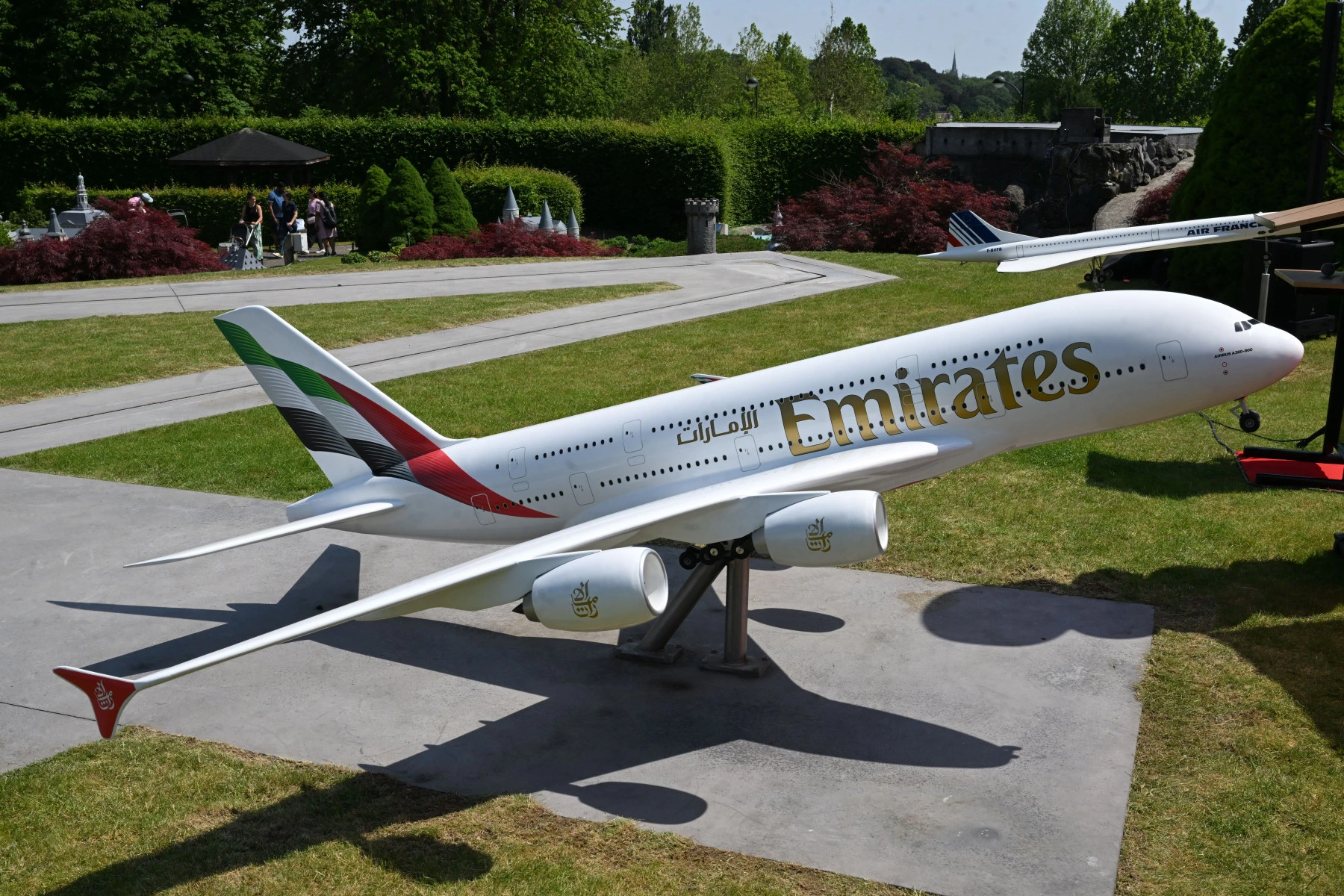
The U-Dream launch also follows an earlier Emirates tease that has not yet materialized. Roughly a year before this announcement, Clark said Emirates was developing a separate, more ambitious “game changer” economy seat, one that would use “modern technology” and “learnings in geometry and load” to reshape how economy seats mold to the body.
Clark suggested at the time that adding four or five inches to seat height could unlock new design possibilities, but he also acknowledged regulatory approval was uncertain and gave no firm timeline. The U-Dream headrest does not appear to be that project. It is a narrower, faster-to-deploy upgrade that Emirates can retrofit onto its existing Z400 seats, rather than the seat redesign Clark described previously.
What this Means for Passengers Booking Emirates Economy
For now, only passengers on the three currently equipped A350 aircraft will experience the U-Dream headrest, though that number will grow quickly as Emirates works through its stated year-end deadline for the rest of the A350 fleet. Passengers on the airline’s much larger A380 and 777 fleets, which form the bulk of Emirates’ network, will not see the headrest until retrofit work begins in 2027.
Because the U-Dream is built into the existing seat rather than requiring a cabin redesign, it does not affect seat pitch, width, or overall economy density, the kind of trade-off that typically limits how much comfort airlines are willing to add to their cheapest cabin.
That distinction matters commercially. Airlines rarely sacrifice seat count for comfort upgrades in economy, since every extra inch of pitch or width usually means fewer seats and less revenue per flight. A headrest retrofit sidesteps that calculation entirely, which is likely why Emirates was able to move from concept to installed hardware on three aircraft well before any announcement of a wider seat redesign.
Whether the design proves as effective as Emirates claims will likely become clearer once more passengers have flown with it and shared independent reviews, rather than airline-supplied demonstrations. Early passenger reaction, based on public comments following the announcement, has been mixed: some travelers welcome the idea of retiring their personal neck pillows, while others have raised practical questions about hygiene between flights and whether the folding wings will hold up to repeated use in the way padded headrest wings on other aircraft sometimes have not.
