Riyadh Air (RX), the new national carrier of Saudi Arabia, confirmed two separate widebody agreements on July 20, 2026, the opening day of the Farnborough International Airshow, which runs through 24 July at Farnborough International Exhibition and Conference Centre in Hampshire, United Kingdom. Boeing announced that Riyadh Air is exercising options for 28 more 787 Dreamliner jets, while Airbus announced separately that the airline has firmed up an order for six additional Airbus A350-1000 aircraft, increasing its total firm commitment for the type to 31 aircraft.
The two deals, released within hours of each other, show Riyadh Air building out its long-haul fleet with both of the world’s major aircraft manufacturers rather than favoring one. The Boeing order raises the carrier’s firm Dreamliner count to 67 jets and introduces the 787-10 variant for the first time. The Airbus order deepens a commitment first announced in 2025 and makes Riyadh Air the first airline in Saudi Arabia to operate the A350-1000.
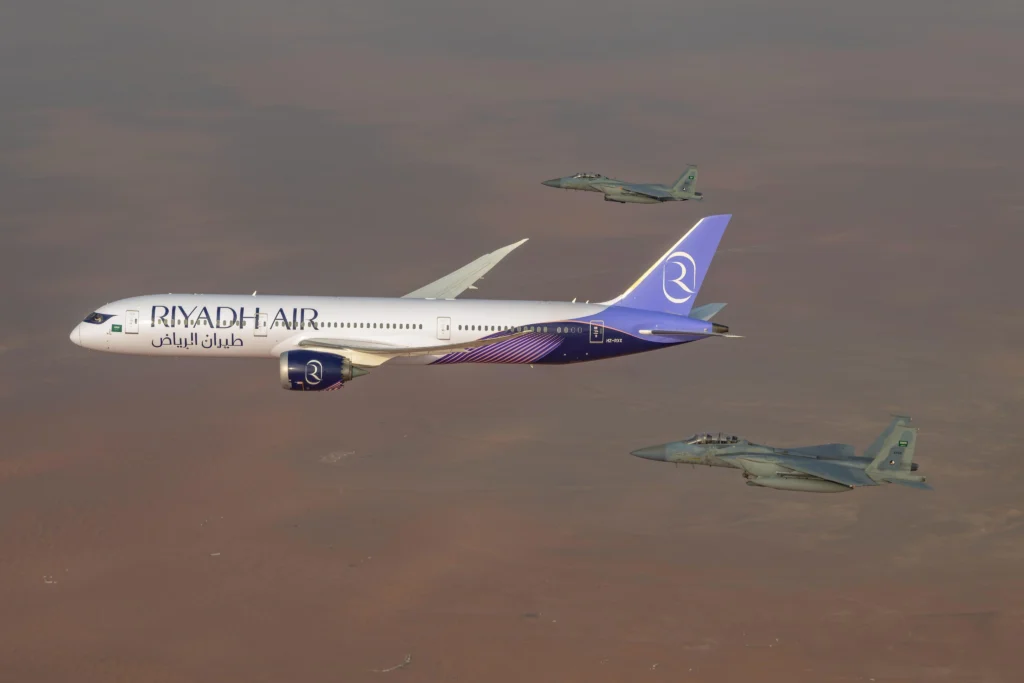
The Boeing Side: 28 Dreamliners, 20 Of Them 787-10s
Riyadh Air’s agreement with Boeing converts most of the options left over from its original March 2023 order, which covered 39 firm 787-9s plus options for 33 more. Exercising 28 of those options leaves only a handful still open. Twenty of the 28 jets will arrive as the larger 787-10, and the package includes a previously unidentified purchase of 11 additional widebody aircraft that had not been counted in earlier option totals.
Key figures from the Boeing agreement:
- Riyadh Air exercises options for 28 more 787 Dreamliners.
- 20 of the 28 convert to the larger 787-10 variant, a type new to the airline.
- The package includes 11 previously undisclosed jets.
- Riyadh Air’s firm Dreamliner order rises to 67 aircraft, with 17 more still to be finalized.
- The carrier has taken delivery of six 787-9 jets and currently serves six cities.
The 787-10 matters for capacity. It carries 50 more seats than the 787-9 while cutting fuel use and emissions by 25% compared with the aircraft it replaces. Running both variants together also keeps operations simple, since the 787-9 and 787-10 share flight deck systems, maintenance procedures and pilot training.
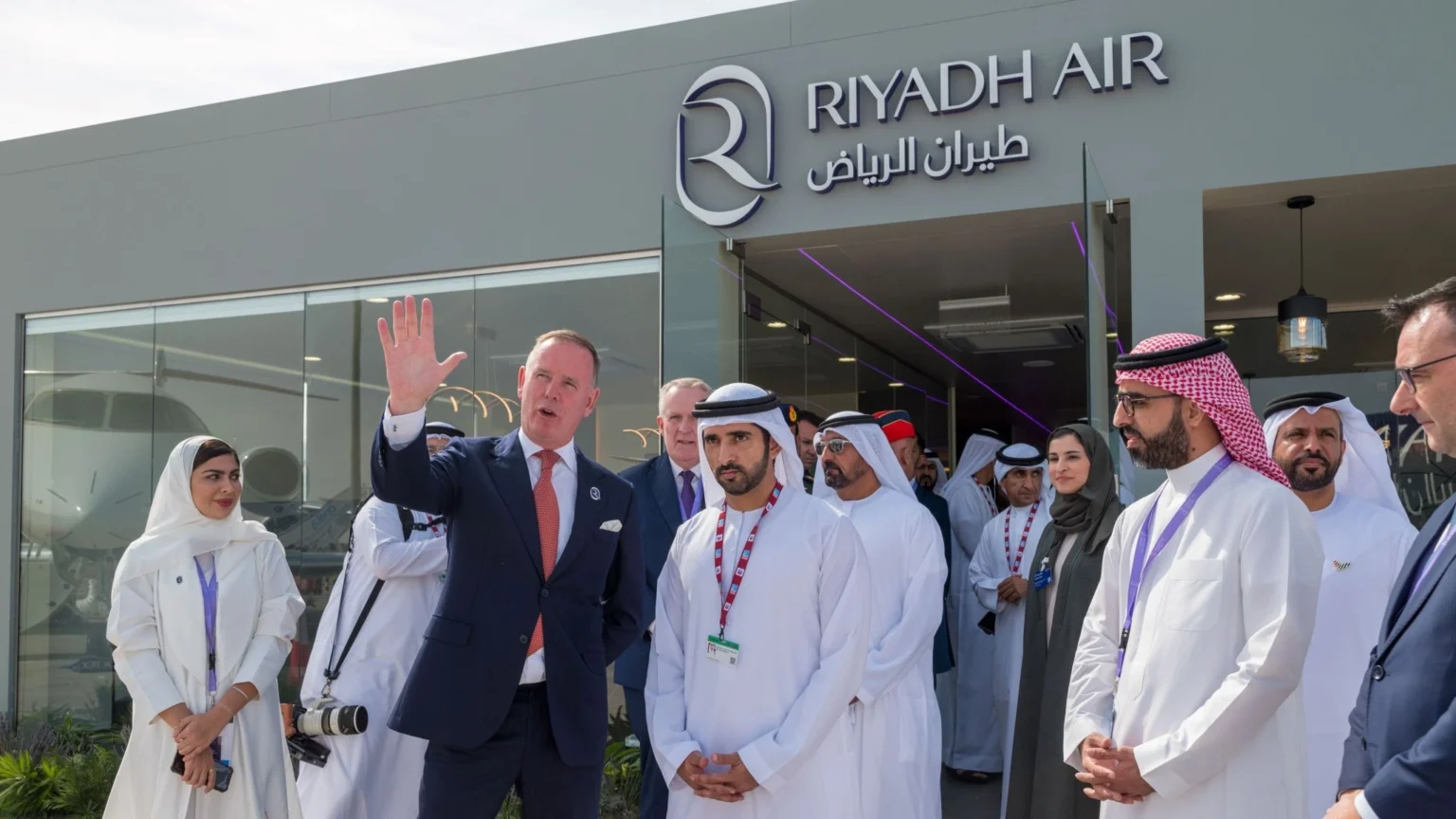
The Airbus Side: A350-1000 Commitment Grows To 31 Jets
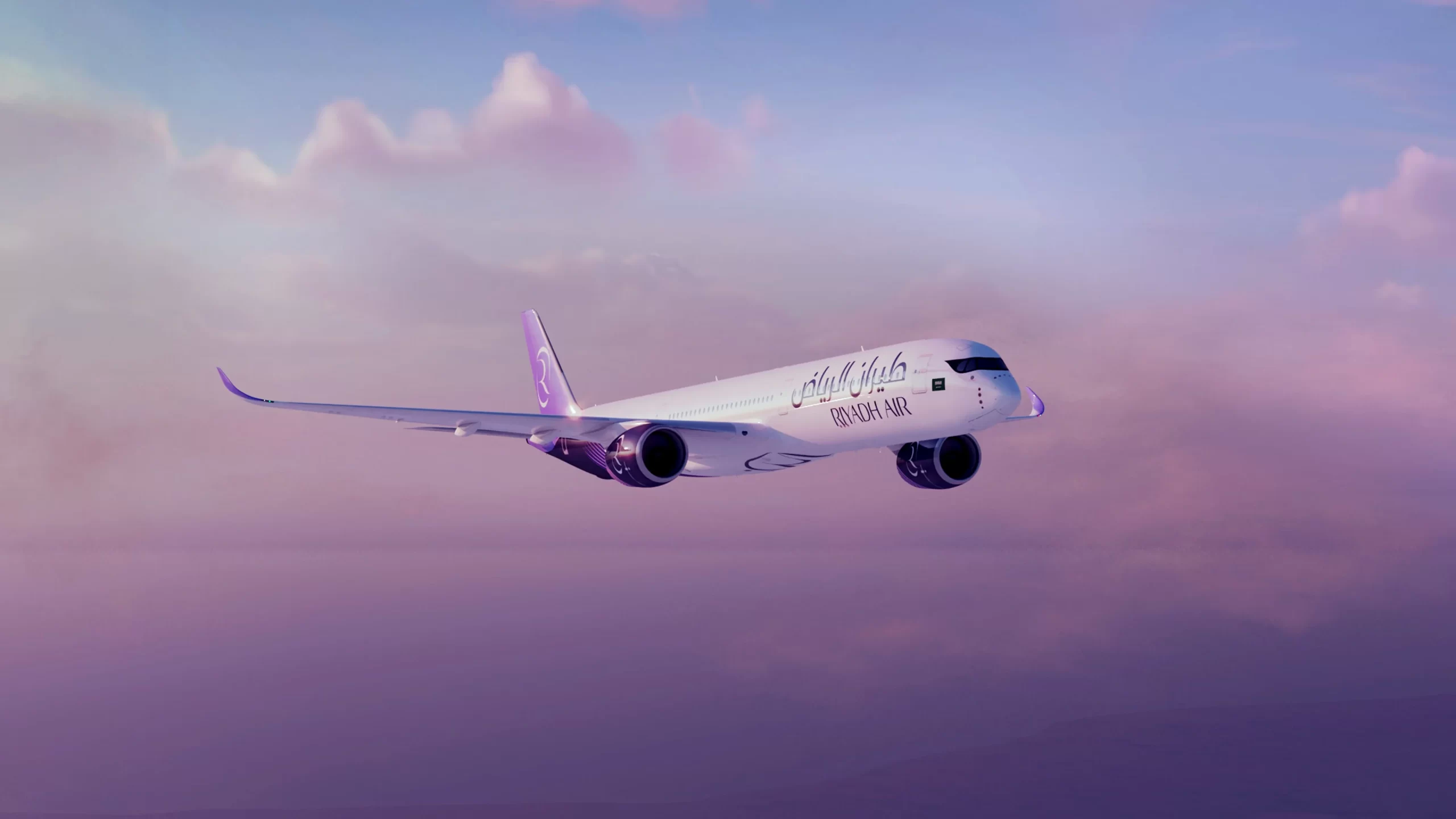
Riyadh Air’s Airbus order moves faster on paper. The airline had already committed to up to 50 A350-1000s in 2025, and the new agreement firms up six more of those aircraft, bringing the total firm commitment for the type to 31 aircraft. Airbus describes the deal as part of the original 2025 framework rather than a new negotiation.
The A350-1000 is Airbus’s largest widebody. It is designed to fly up to 9,700 nautical miles, or roughly 18,000 kilometres, non-stop, and its latest-generation Rolls-Royce engines and lightweight materials bring a 25% advantage in fuel burn, operating costs and carbon dioxide emissions compared with previous-generation competitor aircraft.
Airbus said the A350 Family overall had won 1,595 firm orders from 68 customers worldwide by the end of June 2026, underlining how competitive the widebody market has become around the same aircraft category Riyadh Air is now doubling down on with both manufacturers.

What Leaders at Boeing, Airbus, And Riyadh Air Said
Riyadh Air’s chief executive tied the Boeing order to the airline’s long-term destination target. Tony Douglas said the commitment to add 28 Dreamliners and introduce the 787-10 was “another significant milestone in Riyadh Air’s journey towards over 100 international destinations by 2030.” He added that passengers flying the carrier’s current fleet had responded well to the onboard product, and that the larger jet would help handle rising demand.
Boeing’s commercial airplanes chief welcomed the order as proof of a growing relationship. Stephanie Pope, president and chief executive of Boeing Commercial Airplanes, said she was “deeply honored” that Riyadh Air was placing further orders, calling the 787-10 “a great complement to Riyadh Air’s growing fleet.”
On the Airbus side, Riyadh Air’s finance chief framed the A350 firm-up in similar terms. Adam Boukadida, Chief Financial Officer of Riyadh Air, said increasing the A350-1000 commitment to 31 aircraft “strengthens the foundation of our future network and supports our ambition to serve more than 100 global destinations by 2030.” Airbus sales chief Benoît de Saint-Exupéry echoed the sentiment from the manufacturer’s side, saying the order “reflects the airline’s confidence in the aircraft’s exceptional efficiency, range and passenger appeal.”
How This Compares with Riyadh Air’s Other Developments
Neither deal came as a total surprise. In the days before the show, Reuters had reported that Riyadh Air was studying an order for between 25 and 30 additional Boeing 787-9 aircraft, with sources cautioning that talks were still ongoing.
The final Boeing agreement matches that range but goes further by adding the 787-10, a variant the earlier reports had not flagged. The Airbus order, by contrast, drew less pre-show speculation and reads as a quieter follow-through on the airline’s existing 2025 A350-1000 framework rather than a headline-grabbing new campaign.
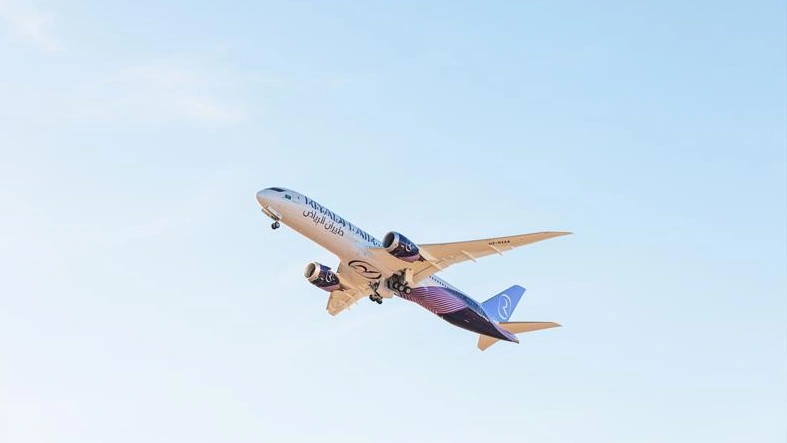
Both deals also extend a run of fleet and network milestones for the young carrier. Riyadh Air only began flying its first custom-built Dreamliners in June 2026, when it welcomed its first two 787s and prepared to launch commercial service.
It has since built out cargo operations through its Riyadh Cargo division and signed a connectivity partnership for its incoming Airbus narrowbody fleet. Placing firm orders with both of its widebody suppliers on the same day suggests Riyadh Air is now treating fleet growth as routine business rather than a series of standalone announcements.
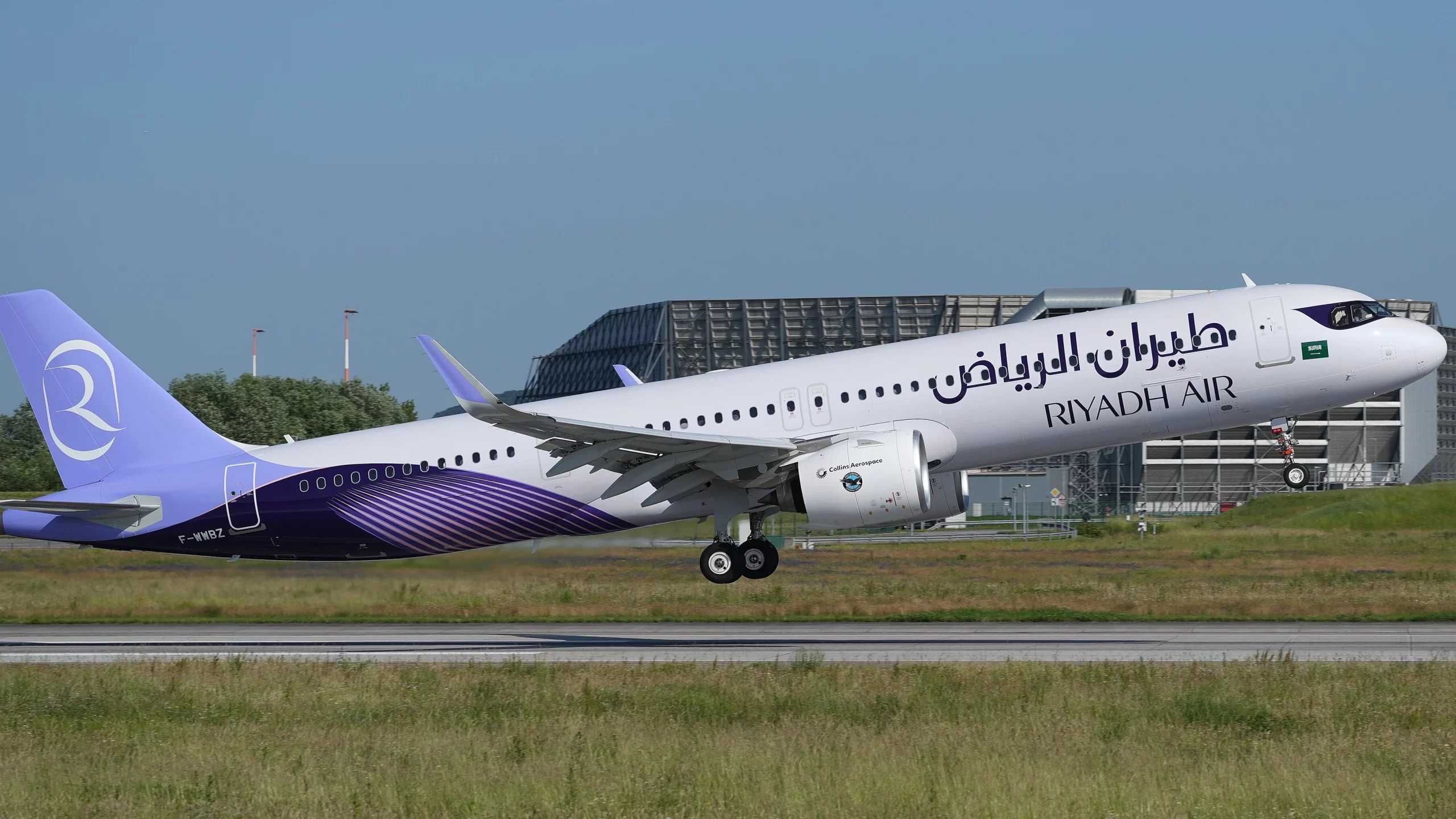
Riyadh Air’s Combined Fleet and Route Plans
Riyadh Air is a wholly owned company of Saudi Arabia’s Public Investment Fund, established in March 2023 as the kingdom’s second national airline alongside Saudia (SV). The carrier operates out of King Khalid International Airport (RUH) in Riyadh and plans to connect the Saudi capital to more than 100 destinations worldwide by 2030.
With the Farnborough announcements, Riyadh Air’s firm order book spans three aircraft families: 60 Airbus A321neo-family jets ordered in 2024 for shorter routes, 31 Airbus A350-1000 widebodies, and 67 Boeing 787 Dreamliners across the 787-9 and 787-10 variants. That puts the carrier’s combined widebody commitment, A350-1000s and 787s together, at 98 aircraft, before counting the 17 Dreamliner options still to be finalized.
The expansion carries an economic goal beyond aviation. Riyadh Air expects to generate more than 200,000 direct and indirect jobs and contribute over $20 billion, or roughly SAR 75 billion, to Saudi Arabia’s non-oil GDP growth by 2030. Boeing said the added Dreamliner capacity will help ensure Riyadh, described as a G20 capital city, is fully connected to its target network under Vision 2030, a goal Airbus’s order echoes for the A350 side of the fleet.
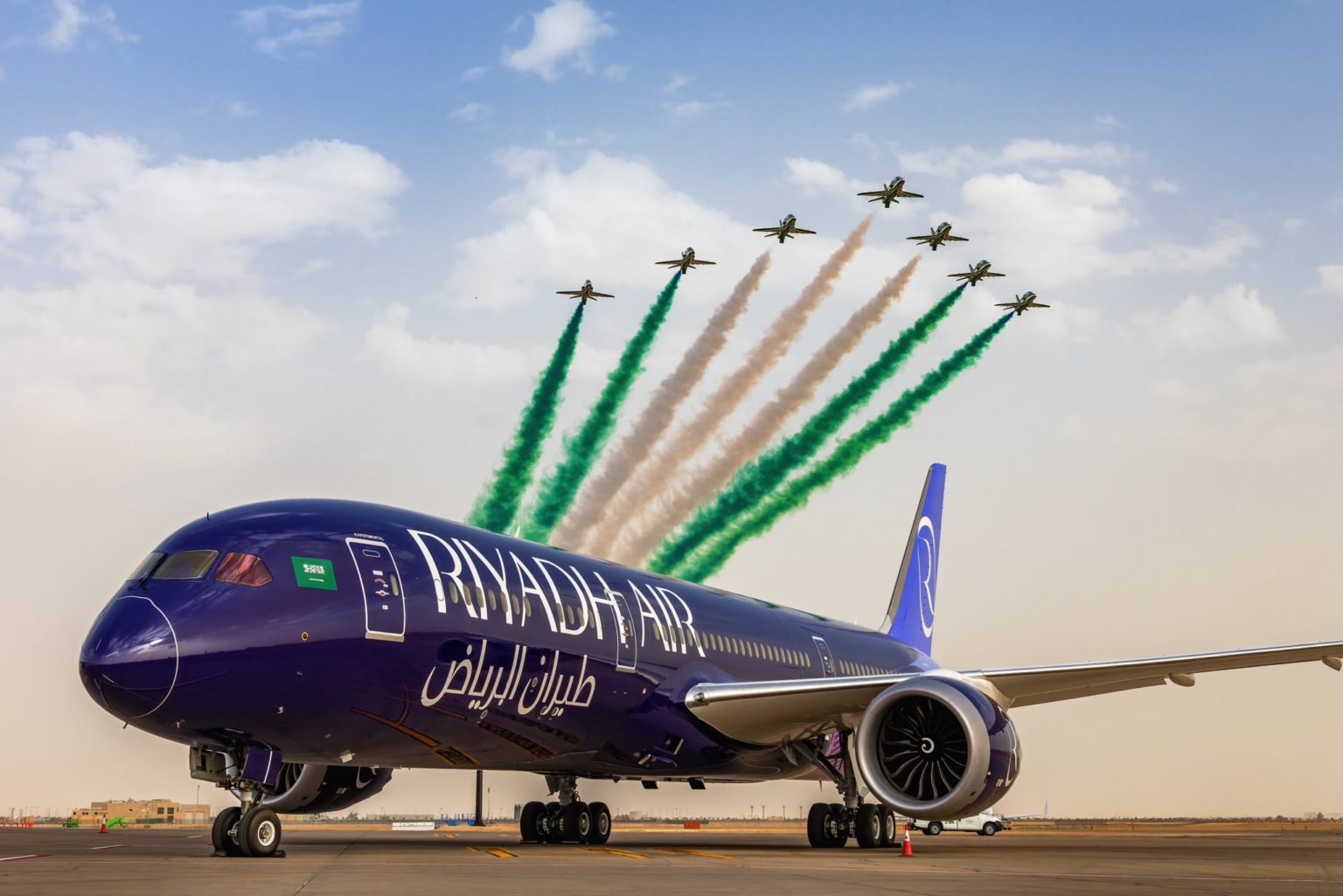
Where This Fits into a Busy Farnborough for Both Manufacturers
Riyadh Air’s twin announcements landed inside a show that analysts expected to be unusually active. IBA had forecast that Farnborough 2026 could produce commitments for up to 875 aircraft in total, with roughly 280 widebodies among them.
Reuters had separately reported that Etihad Airways was close to finalizing an order for 10 Boeing 787 Dreamliners, while Philippine Airlines was reported to be nearing a deal for 15 Boeing 787-10s alongside nine Airbus A350-1000 aircraft, a rare case of another carrier splitting its own widebody order across the same two aircraft types on the same day. Riyadh Air’s combined 34-aircraft commitment, 28 Dreamliners and six A350-1000s, ranks among the largest single-airline widebody announcements confirmed on the show’s opening day.

.jpg)