This article originally previewed the January 18 retirement ceremony and has since been updated with confirmed details.
The Royal Danish Air Force (RDAF) held a farewell ceremony at Fighter Wing Skrydstrup in southern Jutland, Denmark, on 18 January 2026, marking the end of the Lockheed Martin F-16 Fighting Falcon’s run in Danish service, according to a report by FlightGlobal. The event closed a chapter that began on 18 January 1980, when Denmark took delivery of its first F-16, exactly 46 years to the day before the type’s retirement.
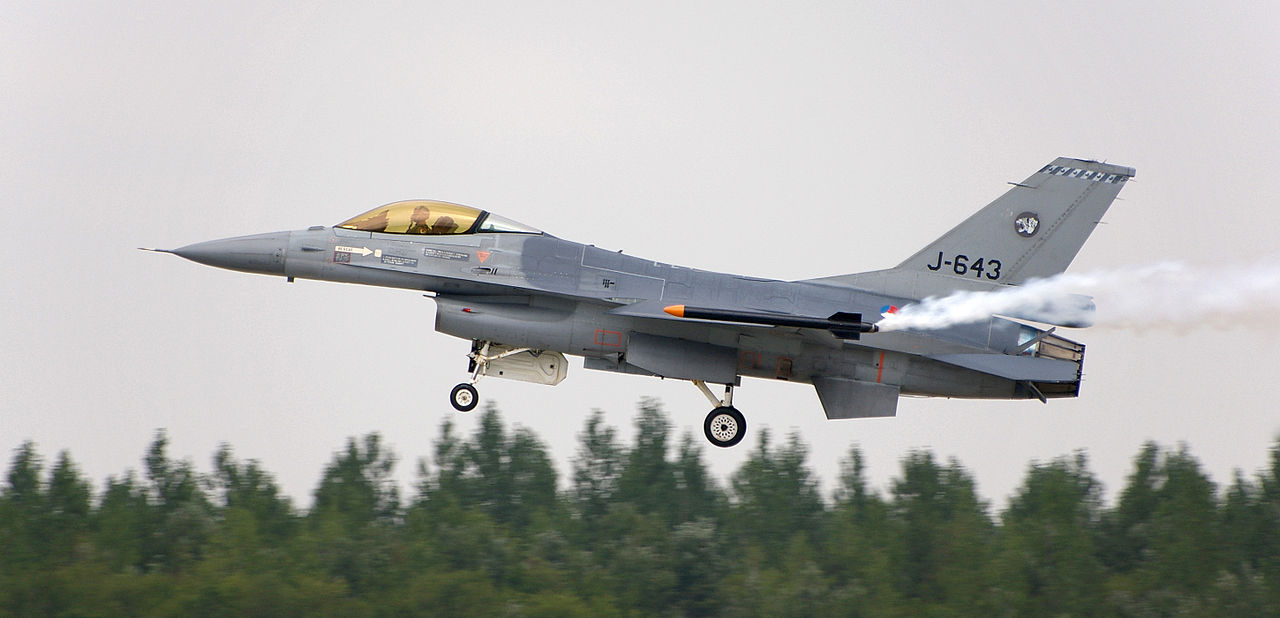
Four F-16s took off from Skrydstrup at around 12:20 local time for a final formation flight, lighting their afterburners shortly after departure. F-16AM E-008, painted in the jet’s original light grey camouflage, touched down at 13:57 local time to complete the last official F-16 landing in Danish military service. The RDAF now flies the F-35A Lightning II exclusively, with the older jets already reassigned to Ukraine and Argentina.
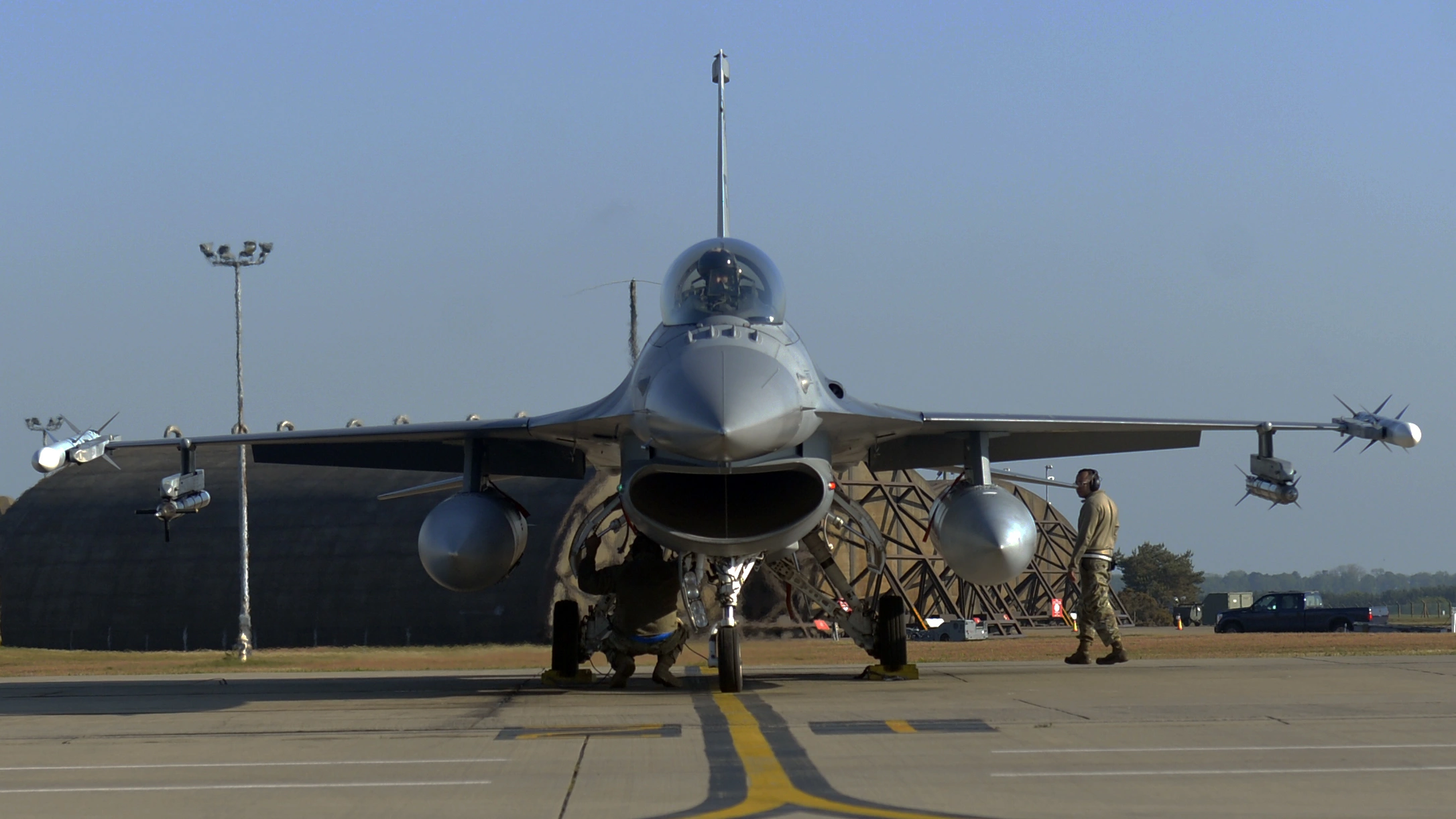
Final Formation Flight Closes 46 Years of Service at Skrydstrup
The four aircraft that flew the farewell sortie were E-008, E-018, E-605, and two-seat F-16BM ET-612, with three of the four wearing the newer Have Glass V camouflage scheme. A ceremony followed in one of Skrydstrup’s hangars, where retired and serving pilots, technicians, and support staff gathered to mark the occasion.
Denmark’s former Chief of Defence, General Christian Hvidt, addressed the gathering. He had personally flown the country’s first F-16 into Skrydstrup 46 years earlier as a young pilot with 727 Squadron. The base’s final F-16 operator was also 727 Squadron, closing the loop on the type’s Danish story.
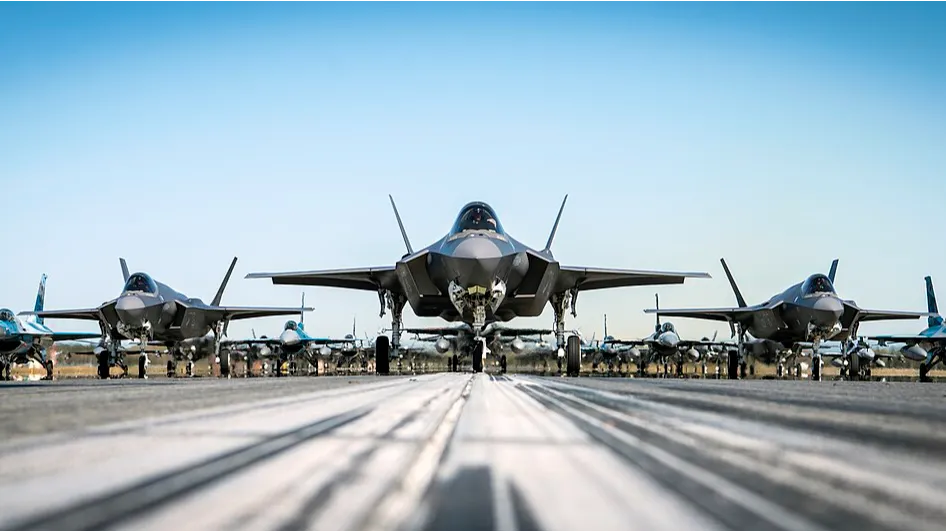
Sale Of the Century: How Denmark’s F-16 Fleet Grew Over Four Decades
Denmark joined Belgium, the Netherlands, and Norway as founding members of the European Participating Air Forces (EPAF) programme in the late 1970s, jointly selecting the F-16 to replace their ageing F-104 Starfighters. The initial Danish order covered 46 single-seat F-16A and 12 two-seat F-16B jets, with later batches taking the total fleet above 70 airframes over the following decades.
Danish F-16s operated from two bases and four squadrons: 723 and 726 Squadrons at Aalborg in northern Jutland, and 727 and 730 Squadrons at Skrydstrup. As part of the EPAF Mid-Life Update programme, 61 of the jets were upgraded to F-16AM/BM standard, work that was carried out locally in Aalborg.
The jets saw combat over the former Yugoslavia during Operation Allied Force in 1999, then flew missions over Afghanistan, Libya, and, on two separate occasions, the Middle East as part of the campaign against Islamic State. Danish F-16s also flew NATO Baltic Air Policing rotations over Estonia and Lithuania and helped patrol the airspace of Greenland and Iceland.
F-35A Lightning II Fleet to Grow To 43 Jets by End Of 2026
Denmark has ordered 43 Lockheed Martin F-35A Lightning II fighters to replace the F-16, expanding an earlier plan for 27 jets. Twenty F-35As are already in active service, with the remaining aircraft due for delivery by the end of 2026, keeping Skrydstrup as the RDAF’s main fighter hub.
The F-35A offers a considerable capability jump over the fourth-generation F-16. Its stealth airframe, sensor fusion, and internal weapons bays give Danish pilots low-observable strike and air superiority options the F-16 never had, though the F-16 retains a higher top speed and a lighter maximum take-off weight.
Retired Jets Move on to Ukraine and Argentina Rather Than Storage
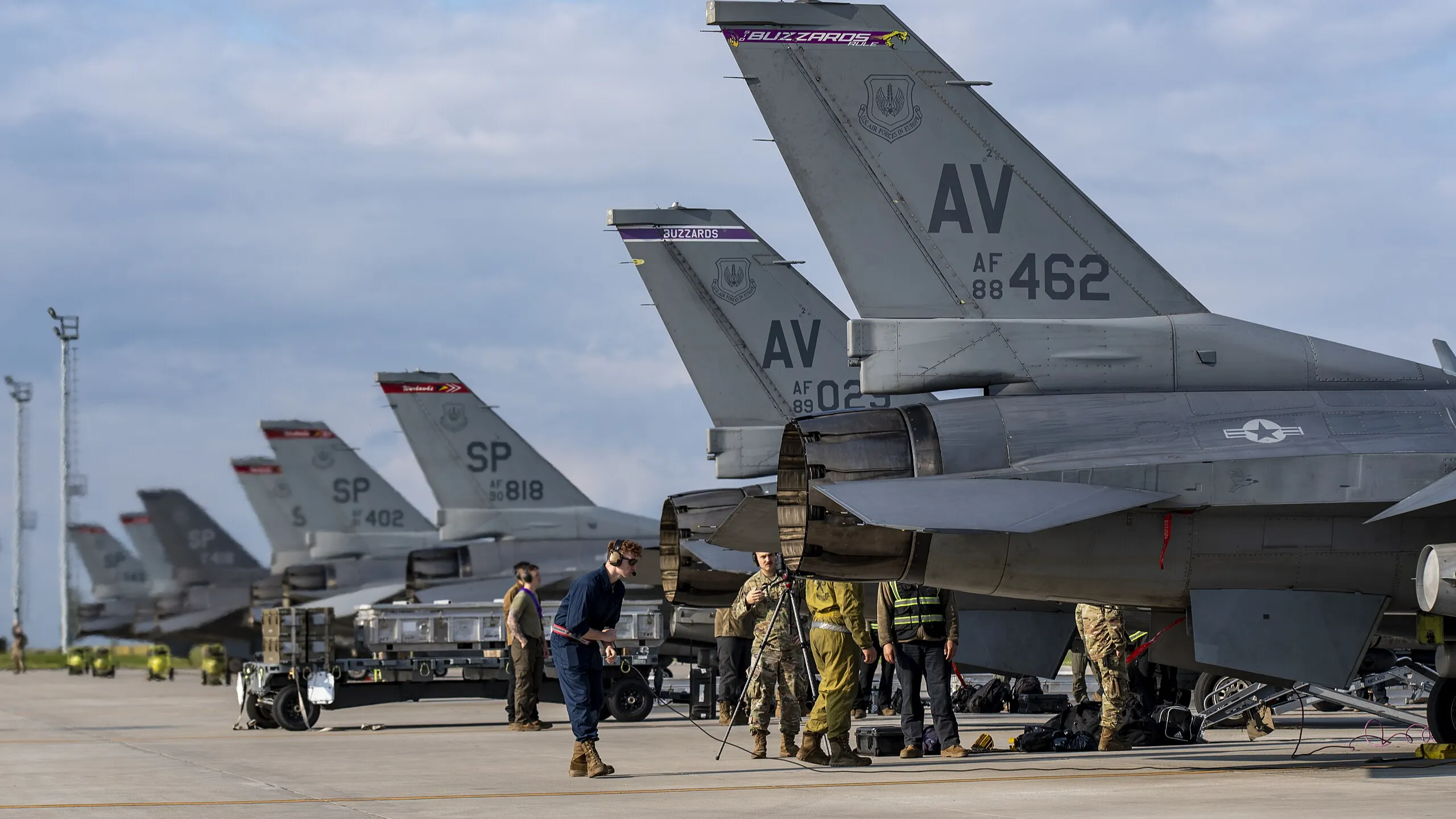
Rather than scrapping its F-16s, Denmark has spent the past two years redistributing them to two very different destinations. Copenhagen has committed 19 F-16s to Ukraine to support its air defence against Russia’s invasion, with deliveries arriving in phases and at least two batches already in Ukrainian service.
Separately, Denmark agreed in 2024 to sell 24 F-16A/B MLU jets to Argentina’s Fuerza Aérea Argentina for around $300 million, restoring the South American country’s supersonic fighter capability for the first time since it retired its Mirage fleet in 2015. The first six jets, comprising four two-seat F-16Bs and two single-seat F-16As, landed at Río Cuarto in December 2025 after a ferry flight supported by a US Air Force tanker.
Argentine president Javier Milei welcomed the delivery on the tarmac, saying “after a long wait, I finally have behind me the first six F-16 fighter jets.” The remaining Argentine jets are scheduled to arrive in batches through 2028, though some reporting suggests the full delivery could be completed as early as 2027 if the programme continues to run ahead of its original schedule.
Denmark has also redirected the proceeds of the Argentine sale toward Ukraine. Around 600 million Danish kroner, roughly $86 million, is being transferred to Copenhagen’s Ukraine support fund in 2026, adding to the 3.8 billion kroner already committed.