On January 16, 2026, the United States Federal Aviation Administration (FAA) issued a formal cautionary flight advisory urging carriers — especially U.S. operators — to exercise heightened vigilance when flying over parts of Mexico, Central America, Ecuador, Colombia, and adjacent eastern Pacific Ocean airspace, reported Reuters. The advisory, effective immediately and lasting 60 days, was triggered by concerns over ongoing military activity and potential interference with satellite navigation systems in those regions.

The notices, disseminated through a series of FAA Notices to Airmen (NOTAMs), emphasize that these risks “exist for aircraft at all altitudes, including during overflight and the arrival and departure phases of flight” (as quoted in Anadolu Agency). While the FAA frames the advisory as preventative, the guidance follows heightened geopolitical tensions, including U.S. military operations in the southern Caribbean and geopolitical friction with regional actors.
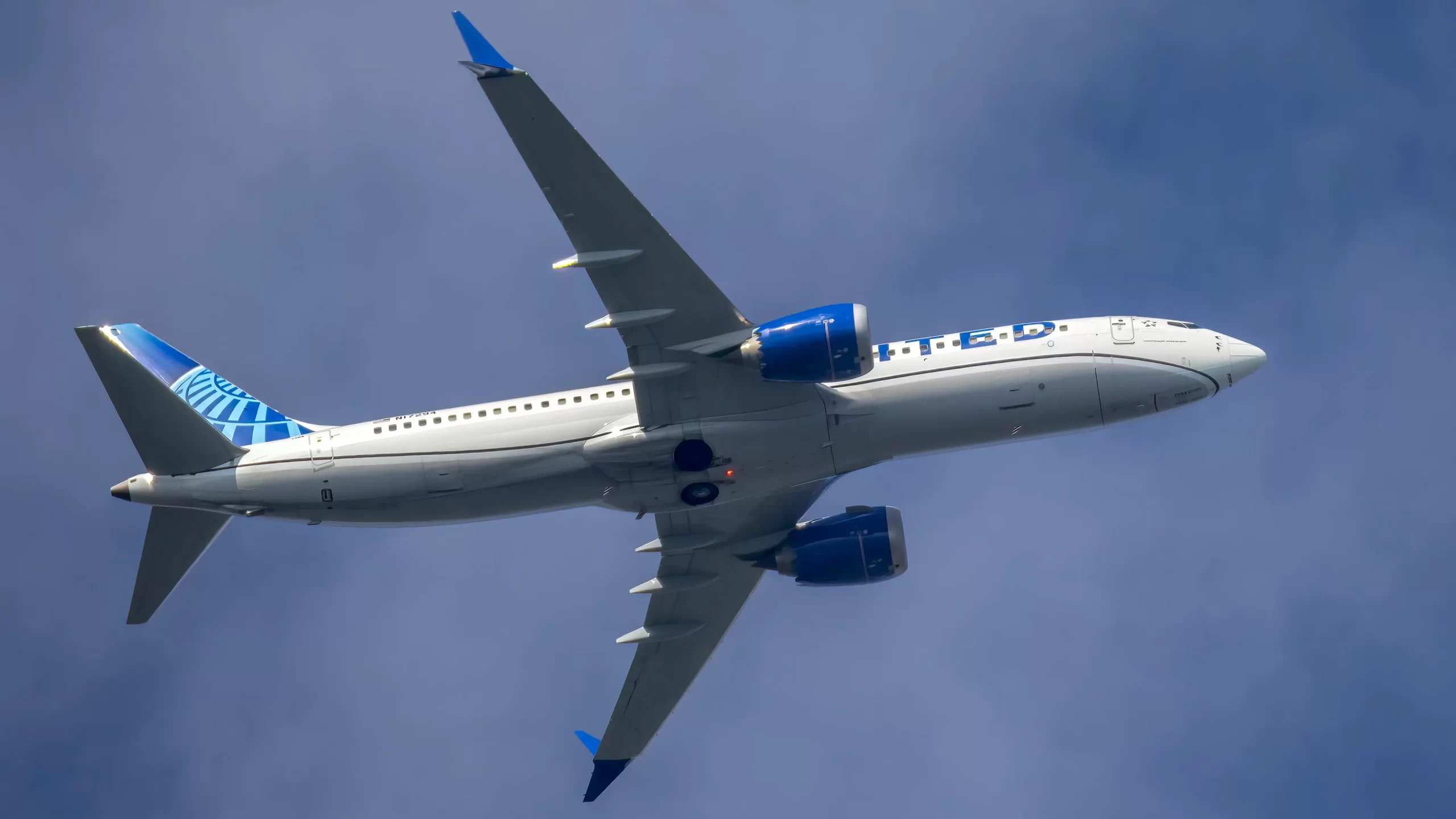
Details of FAA Flight Advisory
The FAA issued multiple NOTAMs affecting airspace over Mexico, Panama, Costa Rica, Colombia, Ecuador and the eastern Pacific adjacent to these countries. These notices apply primarily to U.S. airlines and U.S. civil aircraft operators but serve as an important industry safety signal given the potential effects on GPS navigation and airspace safety.
The FAA issued multiple NOTAMs covering airspace over Mexico, Panama, Costa Rica, Colombia, Ecuador and parts of the eastern Pacific, warning of potential military activity and navigation interference. The advisories primarily apply to U.S. airlines, commercial operators, FAA-certified pilots and operators of U.S.-registered civil aircraft.
The notices do not represent a general closure of the affected airspace. Instead, they require the covered U.S. aviation operators to take the identified risks into account when conducting flights through the relevant regions.
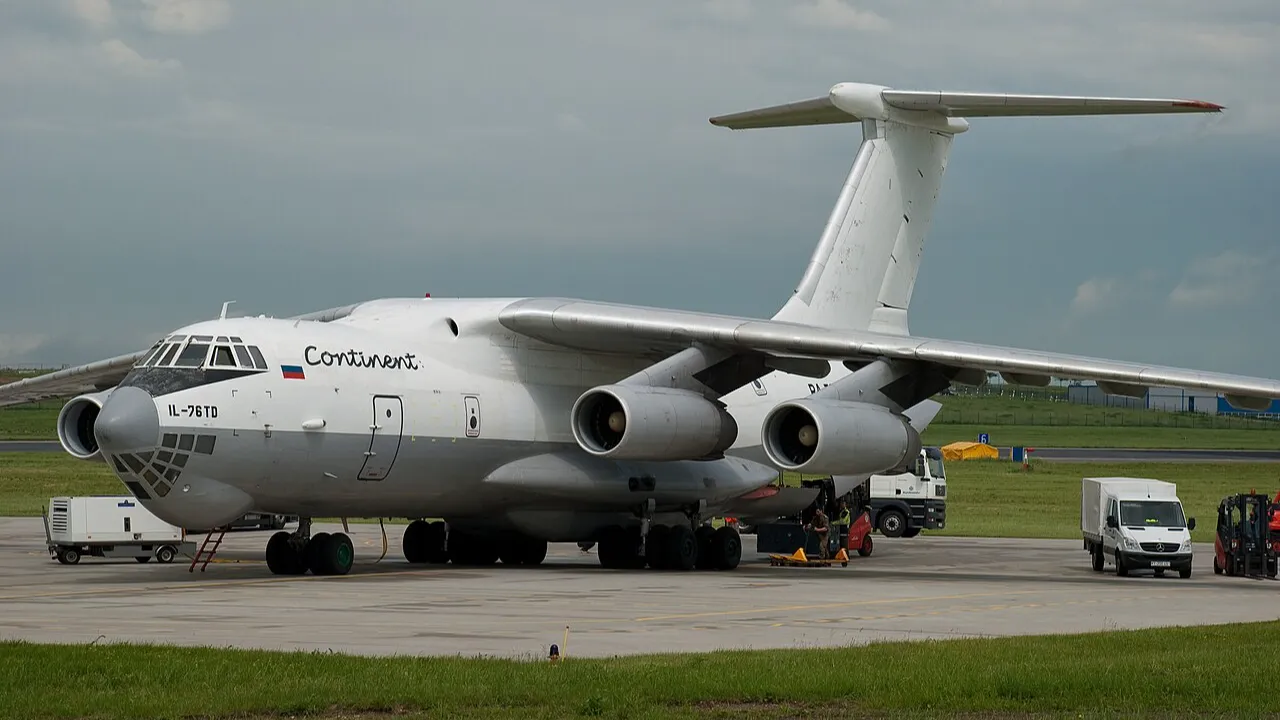
There has been heightened tension in the geopolitical arena after the United States intervened in Venezuela. A couple of months prior to Maduro being captured, a Soviet transport aircraft Ilyushin Il-76 landed in the nation. The United States has talked about the possibility of intervening in other nations in the region, such as Columbia.
Mexico’s civil aviation authorities responded by emphasizing that Mexican airspace remains fully open and unchanged, describing the FAA’s advisory as exclusively preventive in nature and not imposing restrictions on domestic or international carriers operating within Mexico.
This clarification is crucial because the FAA advisory — while broadly publicized — does not equate to formal airspace closures or internationally recognized restrictions unless specific sovereign airspace directives are issued by local civil aviation authorities.
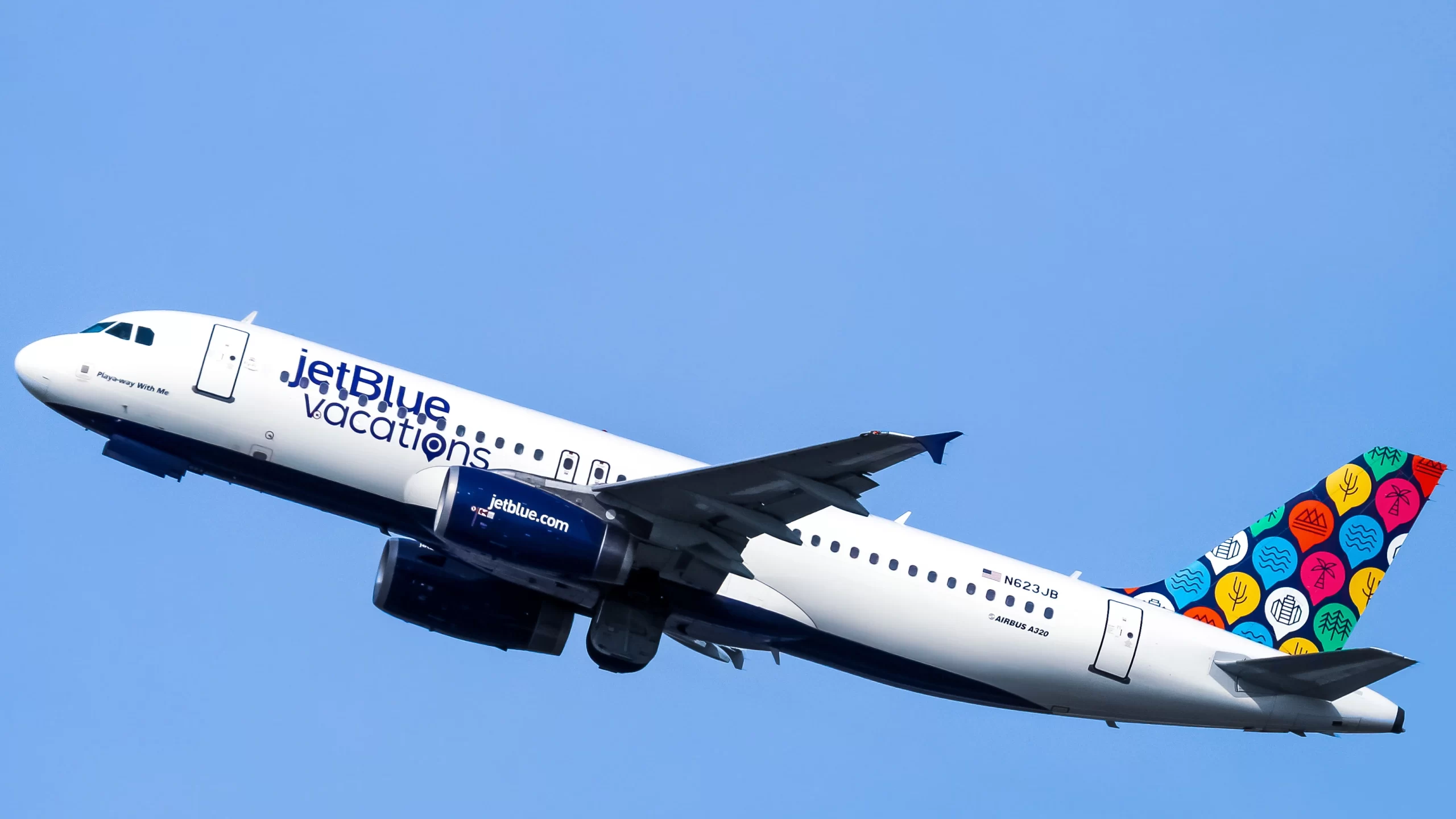
JetBlue Flight 112: Triggering the FAA Response
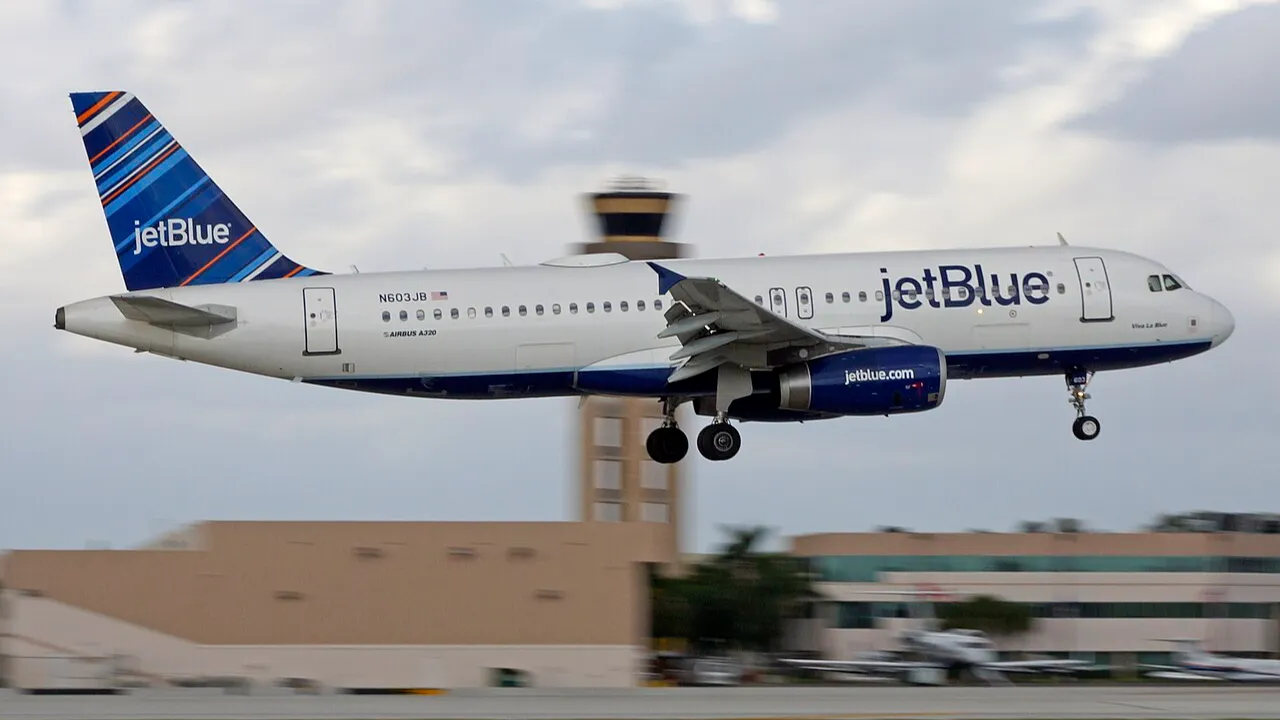
Only a month ago, a JetBlue Airways (B6) Airbus A320 operating a scheduled transcontinental service from the southern Caribbean to the United States was involved in a serious air safety incident after encountering a U.S. military aerial refueling tanker flying without an active transponder over the Caribbean Sea.
Timeline of the JetBlue Flight 112 Near-Miss
| Time (Local) | Event |
|---|---|
| 4:38 PM | JetBlue Flight 112 departs Hato International Airport (CUR), Curaçao, en route to John F. Kennedy International Airport (JFK), New York. |
| +25 minutes | While climbing over the Caribbean Sea, the A320 crew visually detects a large military aircraft crossing their projected flight path. |
| Immediate | The flight crew observes the aircraft at a similar altitude and estimates lateral separation at approximately two to three miles. |
| Seconds later | Pilots halt the aircraft’s climb and level off to avoid a potential mid-air collision. |
| ATC contact | Curaçao air traffic control confirms that the military aircraft is not visible on radar due to an inactive transponder. |
| Post-encounter | The tanker continues northeast toward Venezuelan airspace while JetBlue later resumes its climb to cruise altitude. |
| After landing | JetBlue files a formal safety report with U.S. authorities, triggering regulatory review. |
Curaçao air traffic controllers corroborated that the military aircraft did not appear on their radar displays, confirming that neither civilian ATC nor the aircraft’s Traffic Collision Avoidance System could provide advance warning. In a statement to media, JetBlue said its crew “followed established procedures and took appropriate action to ensure the safety of the flight”.
What Triggered the FAA Flight Caution?
The FAA’s move follows a period of increased military operations and strategic maneuvers in the broader region. The United States military has been engaged in Operation Southern Spear, a sustained campaign of maritime strikes in the Caribbean Sea and eastern Pacific Ocean aimed at disrupting vessels the U.S. government alleges are linked to drug trafficking. This campaign reportedly involved dozens of strikes and operational engagements since September 2025.
In early January 2026, a large-scale strike near Caracas, Venezuela resulted in the capture and extradition of Venezuelan President Nicolás Maduro and his wife to the United States on federal charges, a development that significantly elevated geopolitical tensions in the region.

All in All
The FAA advisories issued follow almost four months of U.S. military operations targeting vessels in the Caribbean Sea and the eastern Pacific that Washington said were involved in drug trafficking.
According to Trump administration, the campaign comprised at least 35 confirmed strikes and resulted in a minimum of 115 fatalities. The Associated Press has also reported that a couple of months ago, the FAA warned all pilots to exercise caution when flying over the Venezuelan airspace “due to the worsening security situation and heightened military activity.”



.jpg)
.jpg)