On 30 October 2025, China Eastern Airlines (MU) announced that it will inaugurate a new route by year-end connecting Shanghai Pudong International Airport (PVG) with Argentina via New Zealand, becoming the first airline based in mainland China to provide passenger services on all six inhabited continents. This historic announcement was made at the 2025 North Bund International Aviation Forum in Shanghai.
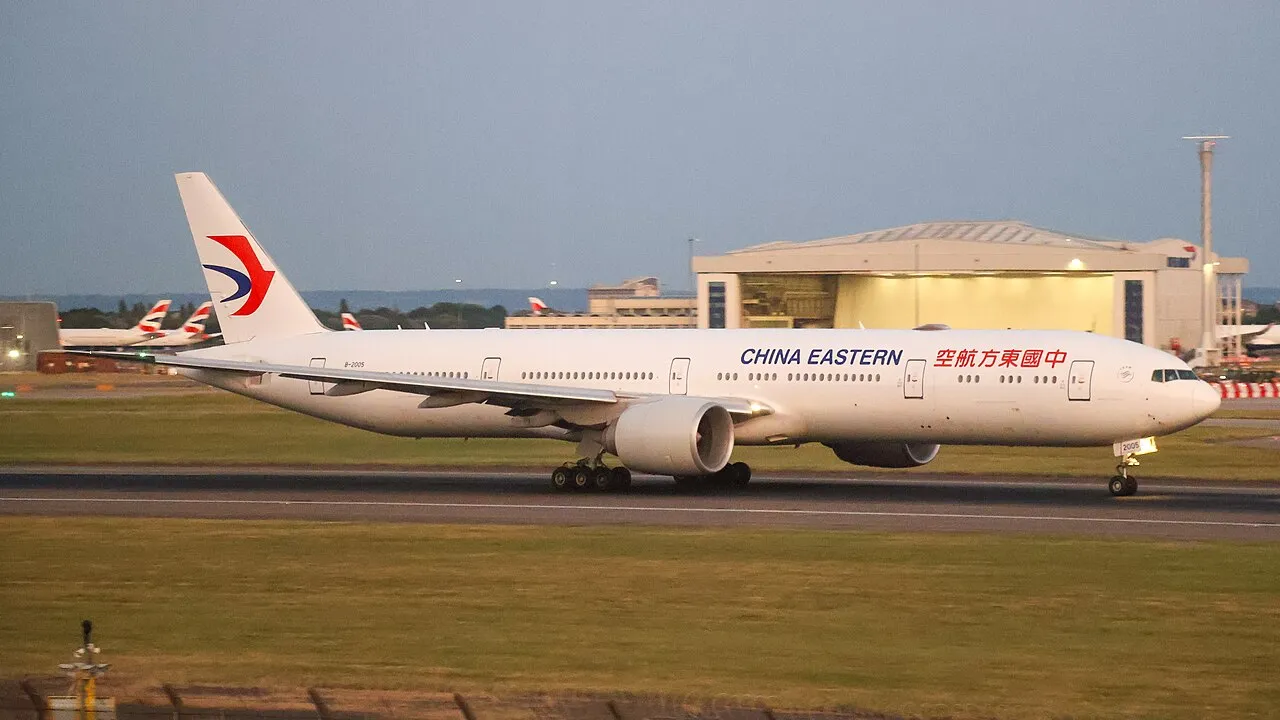
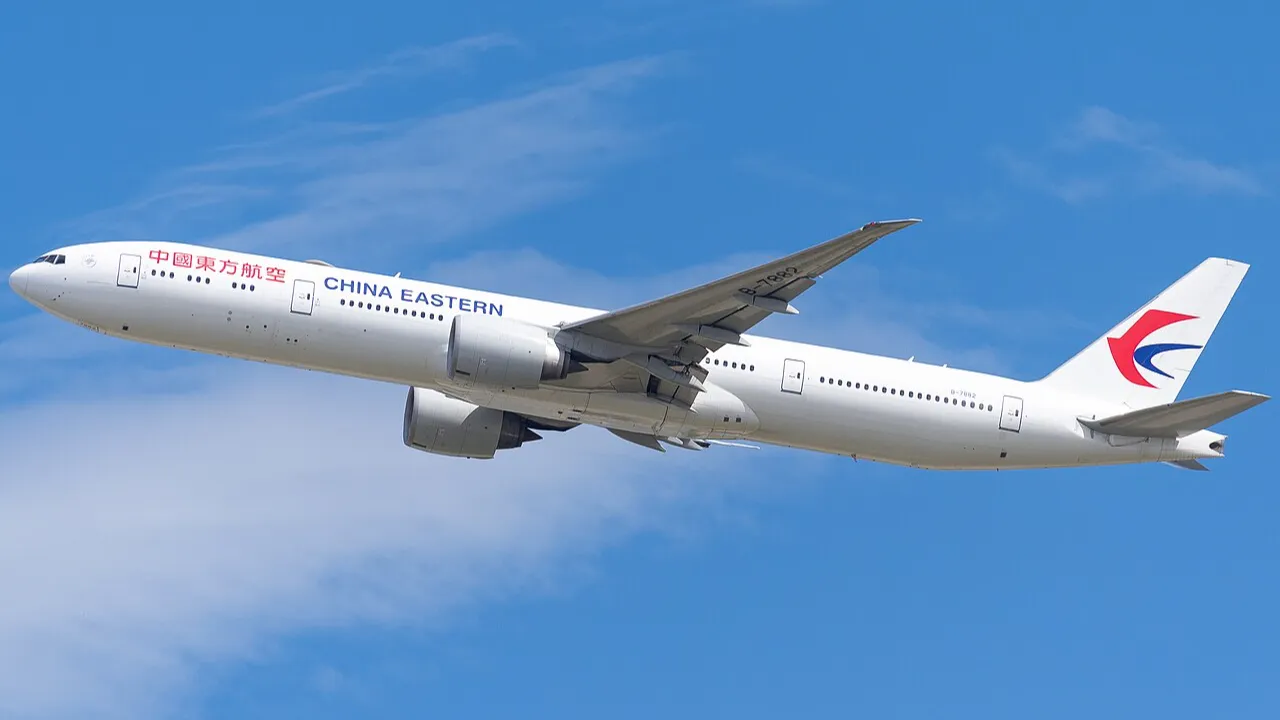
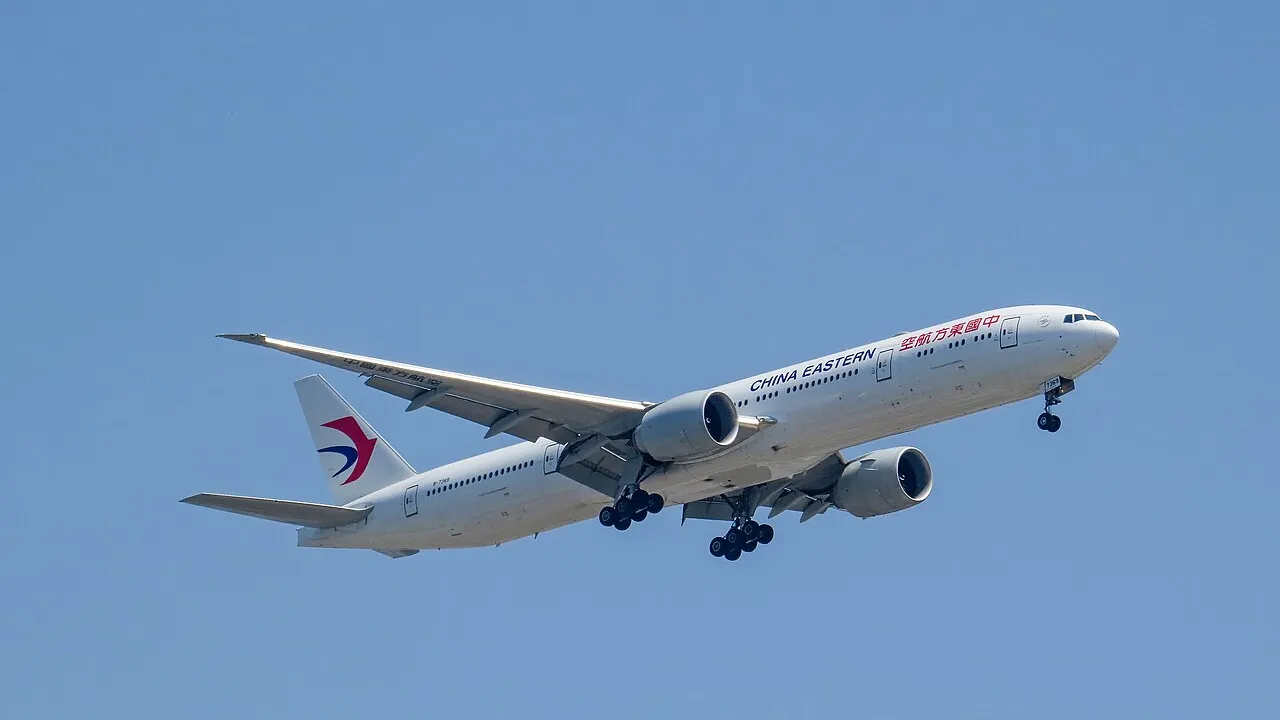
Scheduled to commence in December 2025, the service will operate twice weekly, using a Boeing 777‑300ER and covering approximately 19,700 km with a single transit stop in Auckland. It is a 29-hour flight.
| Route | Day(s) | Flight No. | From (Airport Code) | Departure Time | Arrival Time | To (Airport Code) |
|---|---|---|---|---|---|---|
| Shanghai – Auckland – Buenos Aires | Monday | MU 745 | Shanghai (PVG) | 02:00 | 18:30 | Auckland (AKL) |
| Monday | MU 745 | Auckland (AKL) | 20:30 | 16:30 | Buenos Aires (EZE) | |
| Shanghai – Auckland – Buenos Aires | Thursday | MU 745 | Shanghai (PVG) | 02:00 | 18:30 | Auckland (AKL) |
| Thursday | MU 745 | Auckland (AKL) | 20:55 | 16:55 | Buenos Aires (EZE) | |
| Buenos Aires – Auckland – Shanghai | Tuesday, Friday | MU 746 | Buenos Aires (EZE) | 02:00 | 08:40+1 | Auckland (AKL) |
| Tuesday, Friday | MU 746 | Auckland (AKL) | 10:40+1 | 18:00+1 | Shanghai (PVG) |
Data: Flightradar24
Argentina is set to restore its air link with Oceania after nearly six years, marking the first connection since Air New Zealand (which has some of the most dazzling aircraft painting) last operated the Auckland–Buenos Aires route in March 2020. With the commencement of China Eastern’s service from Buenos Aires, the capital of Argentina will once again stand as the sole Latin American city connected to all five continents.
Aviation analyst Jason Zheng told the South China Morning Post that the new Shanghai-Buenos Aires service could attract passengers who would otherwise travel between China and Argentina through the United States.
He argued that the route reflects China’s growing economic and infrastructure involvement in Latin America, as well as the expansion of Chinese state-owned airlines into markets traditionally served through U.S. hubs. Beyond the operational advantages, Zheng suggested that the route also carries a geopolitical significance by strengthening direct connectivity between China and Argentina.
The new service could offer travelers a more convenient alternative to connecting through major U.S. gateways such as Atlanta, Miami or New York’s JFK Airport. According to Zheng, passengers could save around four hours while also avoiding U.S. transit visa requirements.
With this launch, China Eastern will extend its network to all inhabited continents. The following figures are a representative of the airline’s growth:

China Eastern has twenty Boeing 777-300ER aircraft. These have an average age of 9.8 years. According to planespotters.net, The youngest of these is registered B-7882 and is 8.3 years old. The oldest of these is registered B-2001 and was delivered to the carrier in September 2014.
What implications does the Shanghai– Buenos Aires flight have for Argentina-China relations?
Last year, roughly 60,000 people traveled between China and Argentina. UN Comtrade reported that trade between China and Latin America has grown substantially: from about US$12 billion in 2000 to US$515 billion in 2024. The following table gives us an evolution of the relationship between the two nations:
| Year/Period | Event/Development | Details |
|---|---|---|
| 2002 | Argentina–China trade baseline | Imports from China valued at approximately US$330 million |
| 2022 | Growth in imports | Imports from China increased to nearly US$17.5 billion |
| 2024 | Total bilateral trade | Bilateral trade between Argentina and China reached US$16.35 billion |
| Late 2023 | Currency swap suspension | Beijing suspended part of a multibillion-dollar currency swap agreement |
| 2024–2026 | Deal renegotiation and renewal | Argentina renegotiated and renewed the currency swap through 2026 |
| 2023–2024 | Shift in Argentina’s foreign policy | President Javier Milei initially sought distance from China and blocked BRICS entry, later adjusted stance following financial negotiations |
All in all
When the route was announced, New Zealand Prime Minister Christopher Luxon said the new connection would link three dynamic economies and help build a more resilient and diversified aviation network. The service is expected to benefit passengers while supporting trade and tourism between the three markets.
The new routing through Auckland also offers a faster alternative to itineraries connecting through Europe or North America. The route can reduce overall travel time by around four to five hours, while the smaller time-zone difference through Auckland may help limit jet lag compared with traditional Western connections.
China Eastern Airlines also planned to seek fifth-freedom traffic rights for the route, which would allow it to carry passengers and cargo between Auckland and the other destinations served as part of the new international connection.
It is also likely that China Eastern will increase Auckland–Shanghai flights from 7 to 9 weekly. The announcement of Shanghai-Buenos Aeris flights came at a forum that:
-
Emphasized the “Aviation+” initiative, which promotes integration of air travel with culture, tourism, and MICE (meetings, incentives, conferences, and exhibitions).
-
Unveiled China Eastern’s AI-powered digital assistant “Dongdong” and a physical service robot “Xiaodong.”
-
designed a “China Pass” card to provide discounts and special services for inbound travelers for China Eastern travelers.
It seems as if there’s a lot at store for travelers in the Shanghai-Buenos Aeris route and beyond.


_China_Eastern_Airlines_Boeing_777-39PER_B-2005_@_EGLL_2025-06-17.jpg)
.jpg)
_-_China_Eastern_Airlines_panorama_LGW_120225.jpg)
_@_PEK,_May_2017_(03).jpg)