The Income Tax Appellate Tribunal (ITAT), Delhi Bench, ruled on July 16, 2026, that ground handling receipts earned by British Airways (BA) in India are taxable, siding with the country’s revenue department in a case numbered TS-1061-ITAT-2026(DEL). The tribunal found that BA’s pooling services with other carriers do not qualify for exemption under the India-UK Double Taxation Avoidance Agreement (DTAA), reversing hopes the airline held after a separate, partial win earlier in 2026, the Hindu Business Line reported.
The dispute traces back to how India taxes foreign airlines that provide ground services, such as baggage handling and aircraft turnaround support, to other carriers at Indian airports. BA, a UK tax resident and the flag carrier of the United Kingdom, argued this income should sit outside India’s tax net under treaty protections for airline operations. The tribunal disagreed, applying a narrow reading of the treaty’s pooling clause that has shaped Indian aviation tax law for over two decades.

Why The ITAT Rejected British Airways’ Pooling Argument
The core issue was whether BA’s ground handling income falls under Article 8 of the India-UK DTAA, which exempts profits from operating aircraft in international traffic, including income from participation in pools. Indian tax treaties with the UK define pooling narrowly, and past tribunals have read the word “pools” using its dictionary meaning rather than a broad commercial sense, a standard set in the original British Airways litigation from the early 2000s.
Revenue authorities argued that ground handling is a distinct commercial activity, separate from flying aircraft, and therefore taxable as regular business profit under Article 7 of the treaty. The Delhi bench agreed, holding that BA’s arrangements with other airlines for shared ground services do not meet the treaty’s pooling threshold. This keeps the ruling consistent with earlier decisions against BA on the same question.
How The 2002 British Airways Case Still Shapes This Ruling
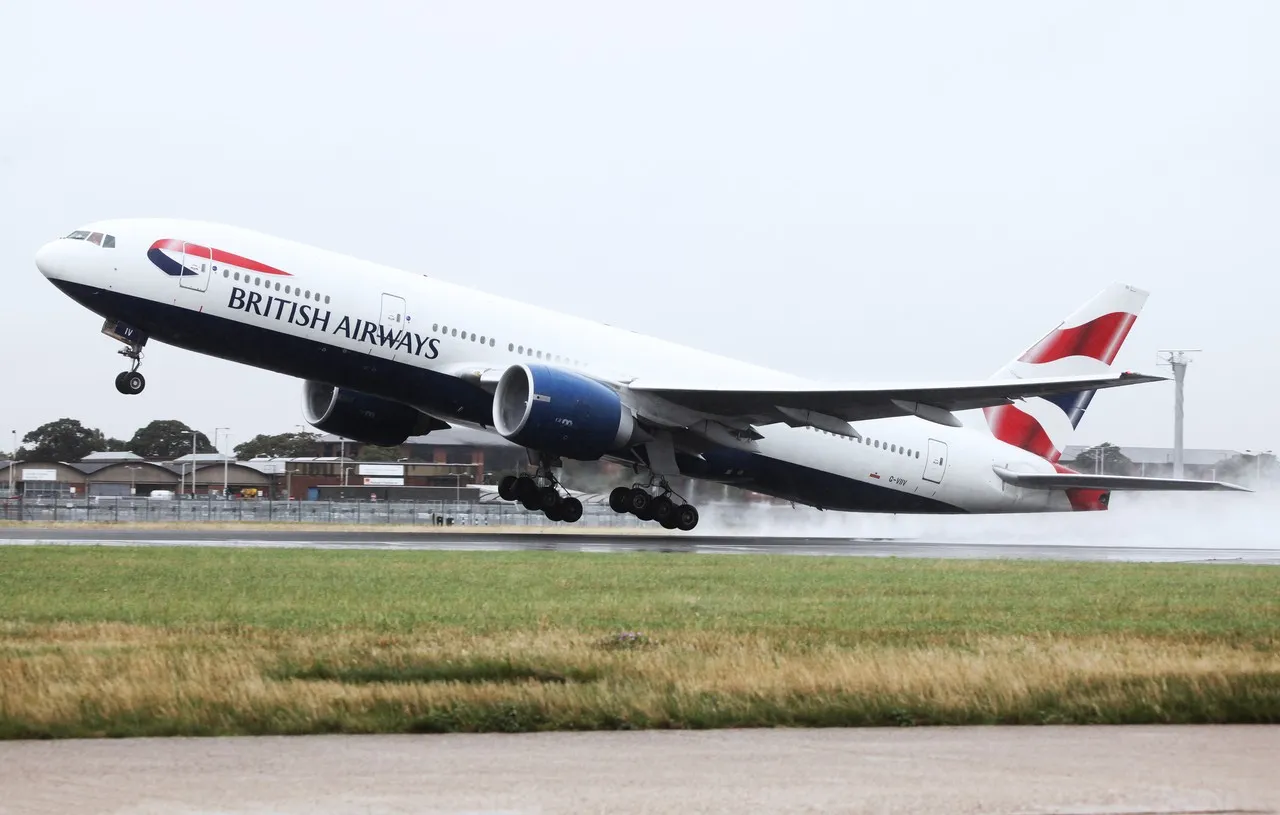
This is not new territory for BA in India. A 2002 ITAT ruling, British Airways Plc vs Deputy Commissioner of Income Tax, first held that the airline’s receipt from engineering and ground handling services was taxable in India, a decision still cited in nearly every subsequent airline tax dispute before Indian tribunals.
That precedent became the benchmark against which India-Germany and India-Netherlands treaty cases are compared, since the UK treaty’s language on pooling was found to be tighter than those agreements. Courts have repeatedly noted that BA’s case is factually distinguishable from carriers whose treaties define pool participation more broadly, which is why the July 2026 ruling extends rather than departs from settled law.
Comparing British Airways with KLM, Lufthansa and Air France
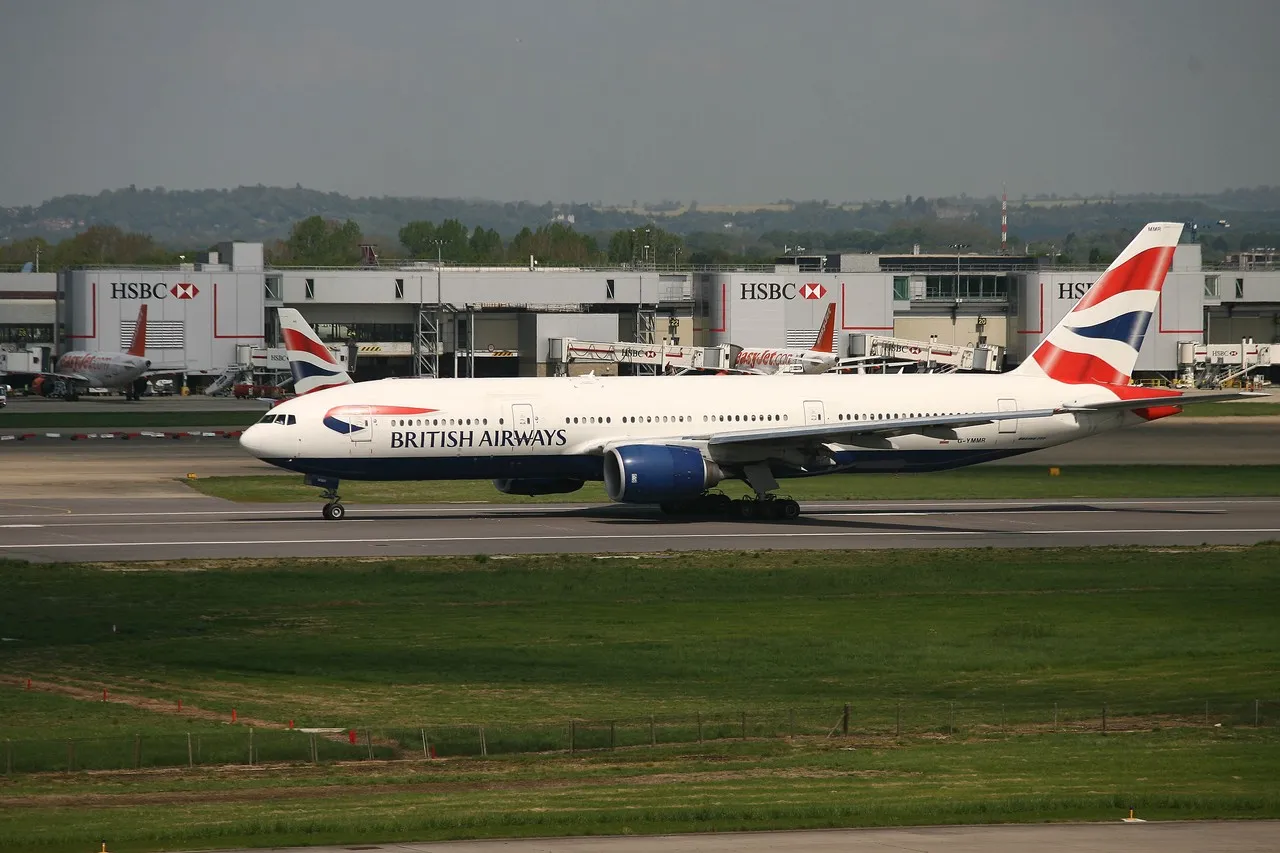
Foreign carriers operating in India face sharply different tax outcomes on identical ground handling income, depending entirely on which country’s treaty applies. Just months before the BA ruling, the Delhi tribunal reached the opposite conclusion for a European rival on nearly the same facts.
- KLM Royal Dutch Airlines: Indian tribunals have repeatedly held that KLM’s technical and ground handling income is exempt, because the India-Netherlands DTAA covers profits from International Airlines Technical Pool (IATP) participation more broadly than the UK treaty.
- Lufthansa German Airlines: The Delhi High Court found the India-Germany DTAA similarly exempts pooled ground and technical handling receipts, again distinguishing the facts from the BA precedent.
- Air France: In a March 2026 ruling, the ITAT deleted a tax addition on Air France’s technical handling income, holding that the ratio laid down in British Airways will not be applicable because Air France’s IATP membership fell squarely within the India-France DTAA’s pooling exemption.
What The February 2026 Delhi High Court Order Changed
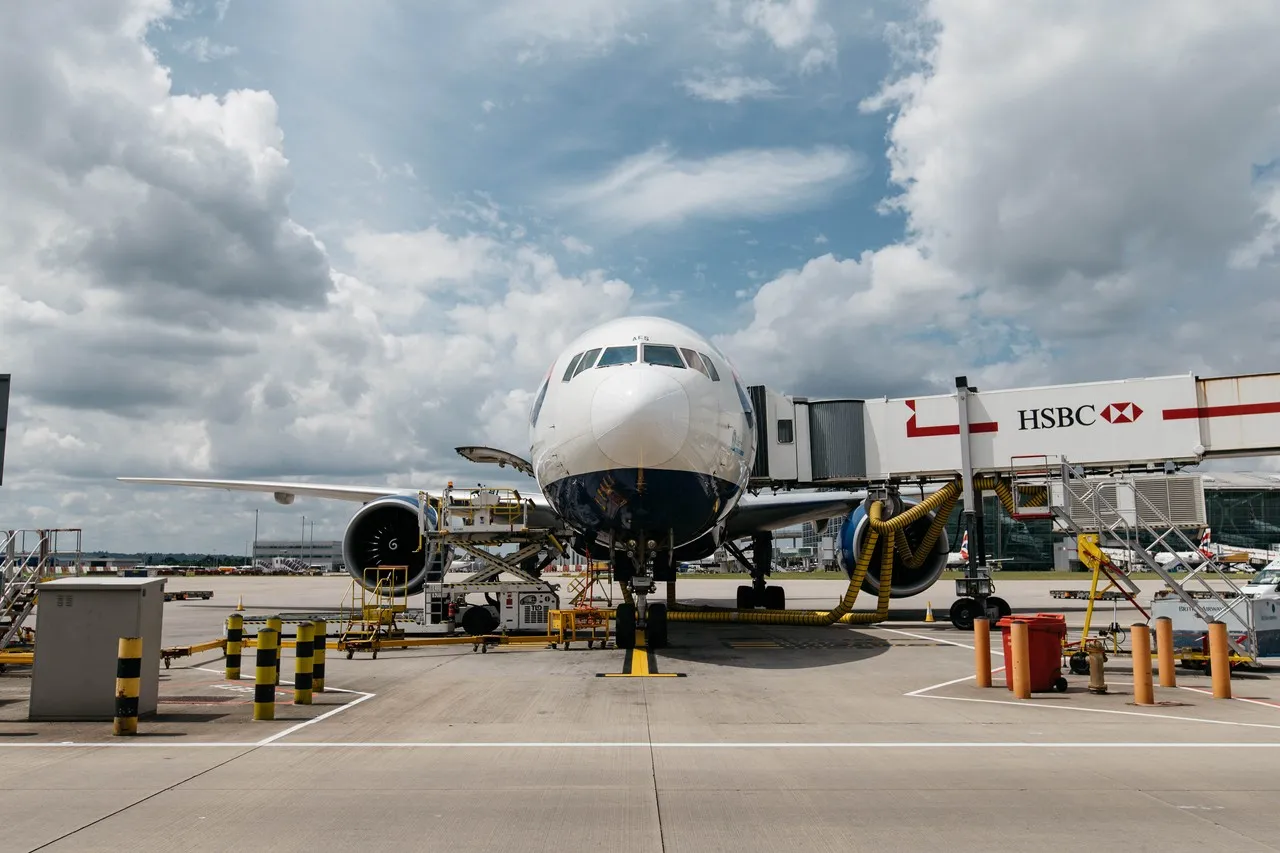
Earlier in 2026, BA had secured a partial victory at the Delhi High Court, which directed tax authorities to issue a NIL tax deduction at source (TDS) certificate for the airline’s core airline-operation income. The court accepted that BA’s income from operation of airline and cargo services is covered by Article 8 of the India–UK DTAA and is therefore not taxable in India.
Crucially, that ruling did not extend to ground handling and engineering income. The court found BA was obliged to pay tax for its Ground Handling and Engineering services, and confirmed the airline was already doing so. The July ITAT decision reinforces exactly that boundary, keeping ground handling outside the treaty exemption even as BA’s core flying income remains protected.
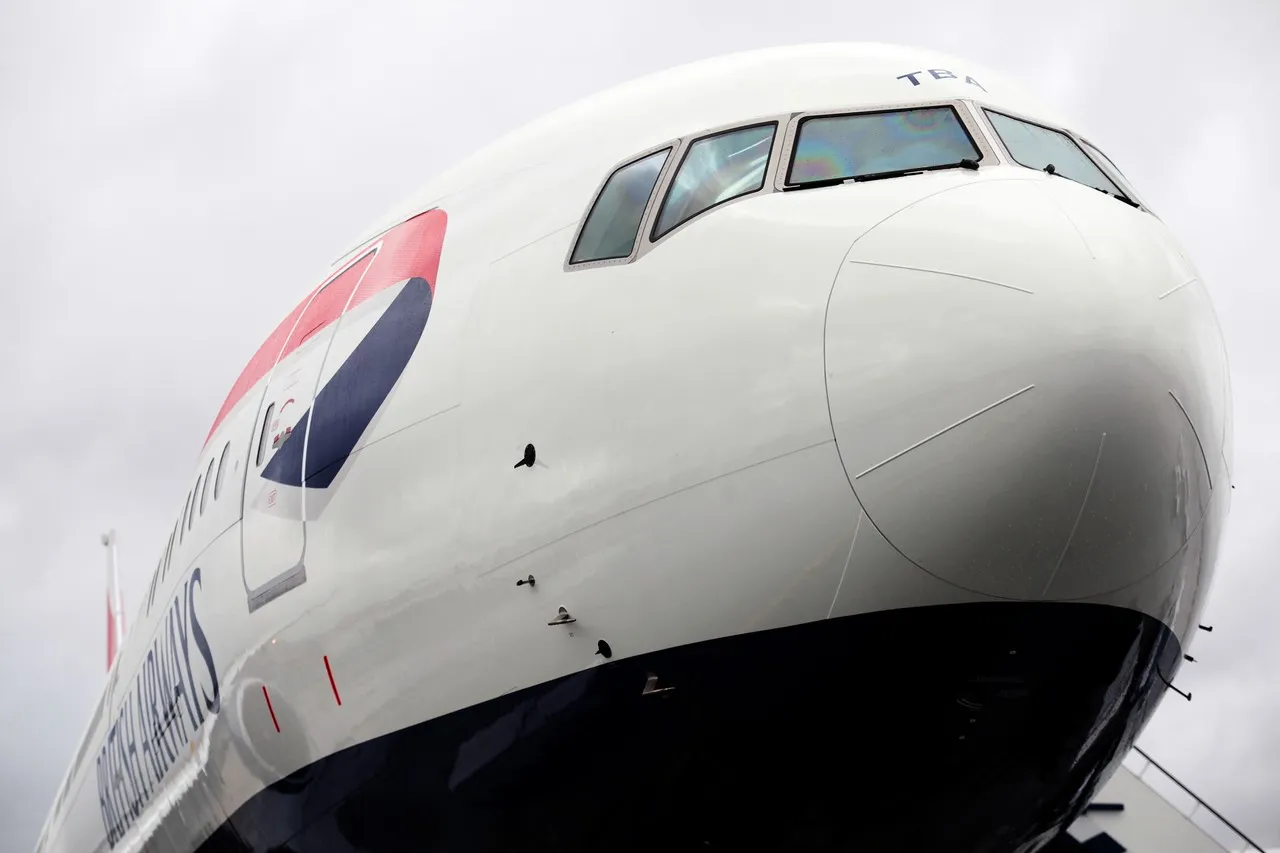
The ruling has direct consequences for BA’s Indian tax exposure and for how other foreign carriers structure ground service arrangements in the country:
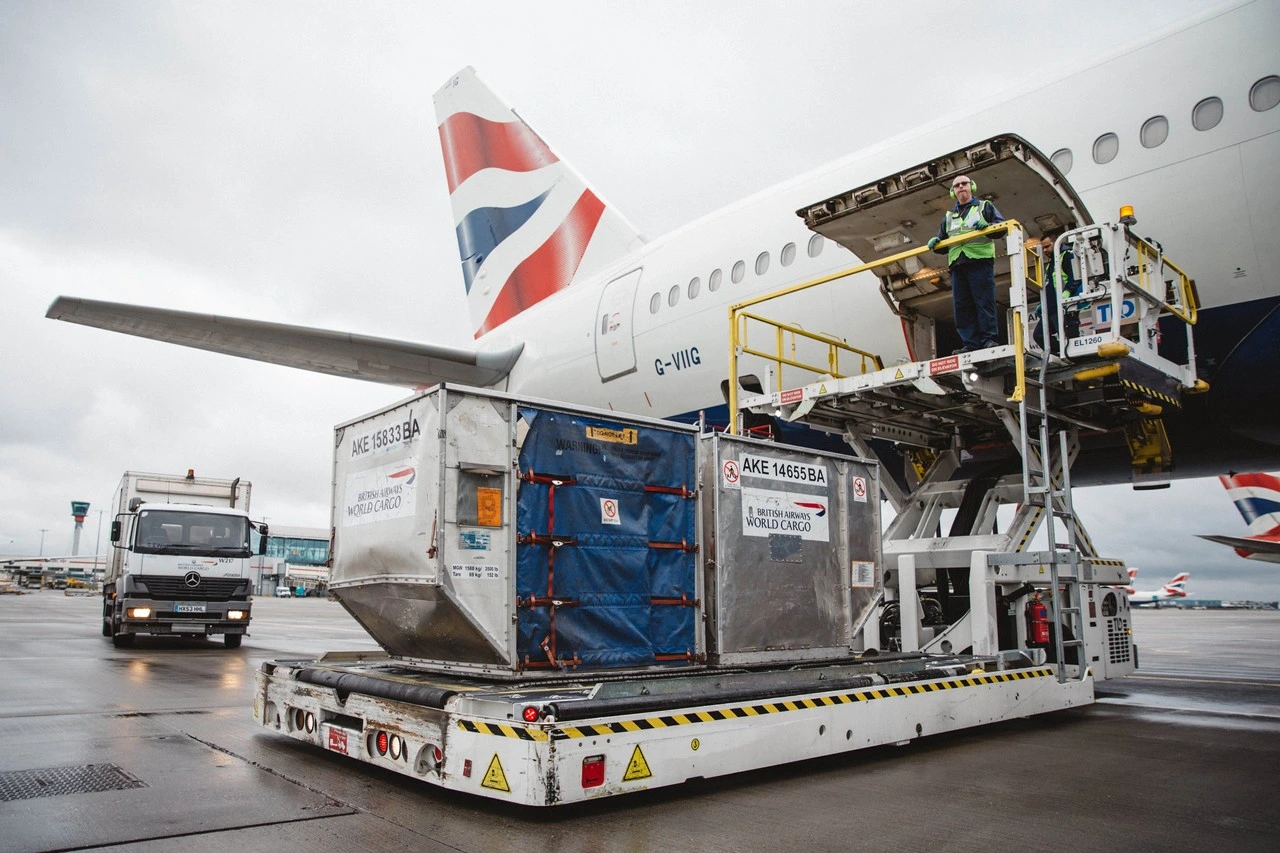
- BA must continue paying tax in India on receipts from handling other airlines’ aircraft, baggage and cargo, a business worth crores of rupees annually across major Indian gateways.
- Airlines from countries with broader pooling language in their Indian tax treaties, including Germany, the Netherlands and France, retain a comparative tax advantage on identical ground service income.
- The decision adds to a growing body of Delhi tribunal case law that treats treaty wording, not commercial substance, as decisive in aviation tax disputes.
Ground handling itself remains a routine but high-stakes part of daily airport operations. At Indira Gandhi International Airport (DEL) in Delhi, for instance, ground equipment mishaps involving Air India aircraft earlier in 2026 underscored how central these services are to airline operations, even when the tax treatment of the income they generate is anything but routine.
All in All
British Airways can appeal the ITAT’s decision to the Delhi High Court, following the same path that shaped the 2002 precedent and the airline’s partial win in February 2026. Given the consistency of Indian tribunal rulings on this specific treaty language, any reversal would likely require a higher court to revisit how pools of any kind is defined under Article 8 of the India-UK DTAA. Until then, ground handling income for BA in India stays firmly on the taxable side of the line.