Three narrowbody aircraft operated by Air India (AI) sustained structural damage at Indira Gandhi International Airport (DEL), New Delhi, on Saturday, June 7, 2026, after a sudden and intense storm dislodged ground support equipment (GSE) parked near Terminal 2, sending it crashing into the jets. Delhi International Airport Limited (DIAL), the private airport operator, confirmed the incident and disclosed that all three aircraft were subsequently withdrawn from service for inspection and repair. No passengers or crew were aboard the affected aircraft at the time, and no injuries were reported.
The storm struck at approximately 4:40 p.m. local time, with strong winds and heavy rainfall creating conditions that precipitously displaced GSE from adjacent stands. According to AeroTime, the equipment involved included a step ladder and trestles. Crucially, DIAL stated that Air Traffic Control (ATC) issued no advance weather warning to either the airport operator or the airlines — a disclosure that has drawn immediate scrutiny from aviation observers.
What Happened at Delhi Airport’s Terminal 2
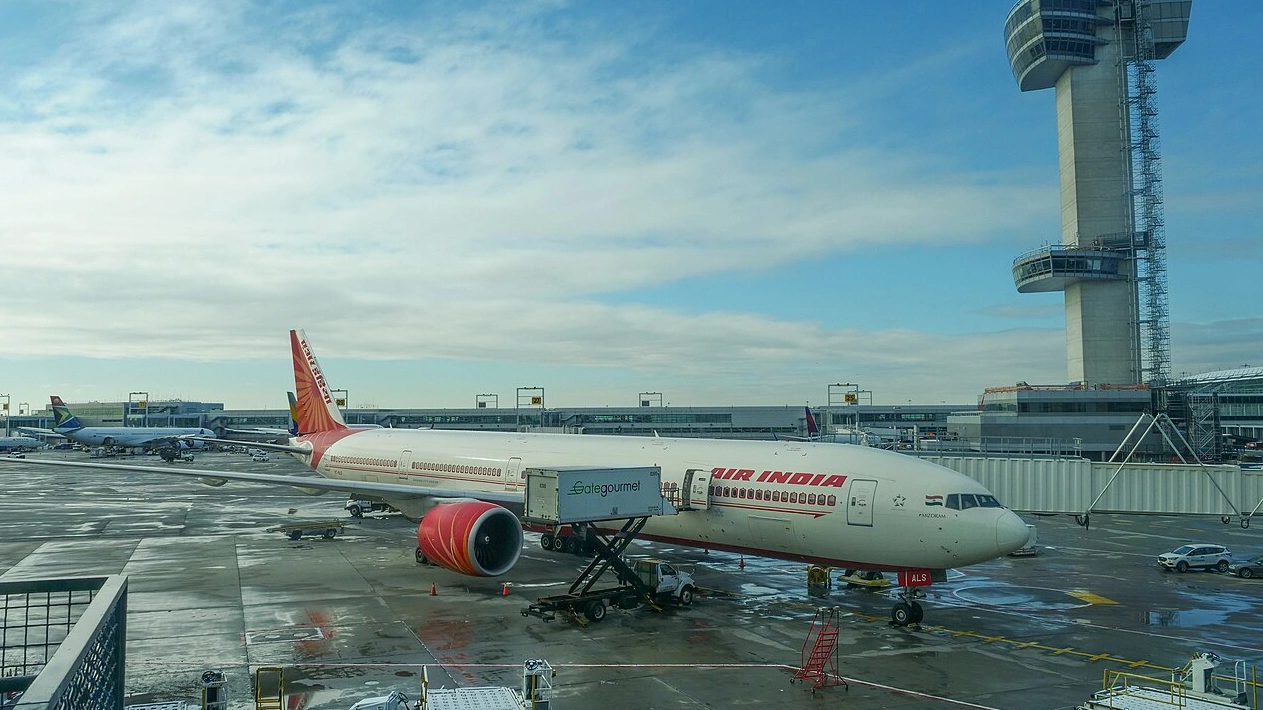
The three aircraft were parked at Terminal 2 of Indira Gandhi International Airport (DEL) when the storm descended with little notice. DIAL confirmed that weather conditions deteriorated rapidly, with strong winds and intense rainfall combining to displace ground equipment from its positions.
A video circulating on X (formerly Twitter) captured the ferocity of the storm, showing near-zero visibility and horizontal rain sweeping across the apron. The footage underscored how quickly, and catastrophically, the meteorological situation on the ground changed.
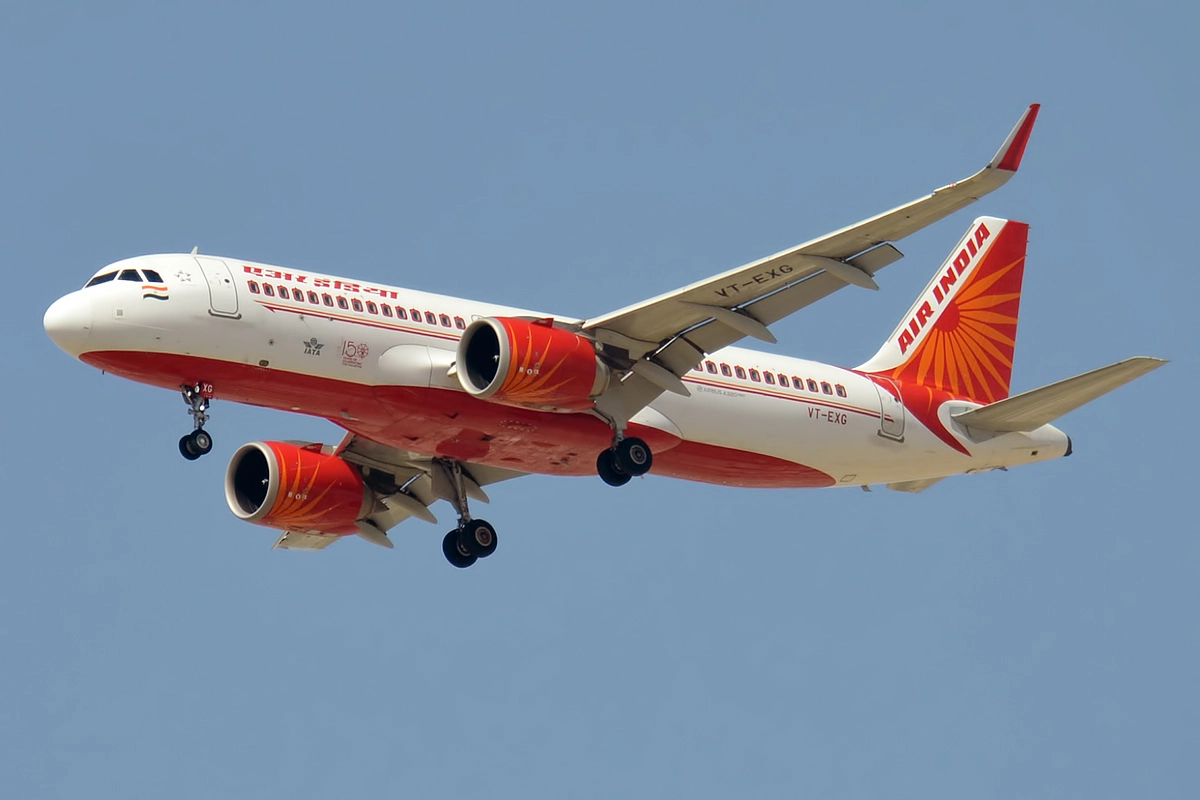
AeroTime reported that the three aircraft involved were Airbus A320-family jets. All three were removed from service immediately after the collision, pending damage assessments.
Ground Equipment, Ownership Disputes, And the ATC Warning Gap
DIAL attributed the displaced equipment to Air India Engineering Services and IndiGo’s (6E) ground handling operations. IndiGo, however, reportedly disputed that its equipment struck any of the aircraft, adding a layer of contention to the incident’s post-event narrative.
National Herald India reported that airport authorities have initiated a formal investigation to determine the sequence of events and assess whether additional safety protocols are warranted for extreme weather scenarios. The central question for investigators will be whether adequate GSE securing procedures were in place and enforced before the storm.
An unnamed airline source told PTI that aircraft belonging to operators other than Air India were also affected by the hostile weather, suggesting the damage may have been broader than initial reports indicated. Air India itself declined to issue an official comment on the incident.
Two Aircraft May Return Quickly, One Faces Longer Grounding
The three affected A320-family jets face disparate repair timelines. Sources cited by National Herald India indicated that two of the three aircraft are expected to return to service relatively quickly, after inspections confirm the extent of the damage and minor repairs are completed. The third aircraft, however, may require a more protracted grounding, depending on the severity of structural damage assessed during maintenance.
The nature of GSE impact damage varies considerably based on the point of contact. Equipment striking an aircraft’s fuselage, wing leading edge, or control surface can necessitate extensive non-destructive testing (NDT) before the aircraft is cleared for return to service. The regulatory framework governing such returns requires sign-off from India’s Directorate General of Civil Aviation (DGCA).
Air India has not publicly disclosed the specific registrations of the three aircraft or the routes affected by their grounding. The carrier’s silence is consistent with its response to the incident as a whole, having declined all press comment.
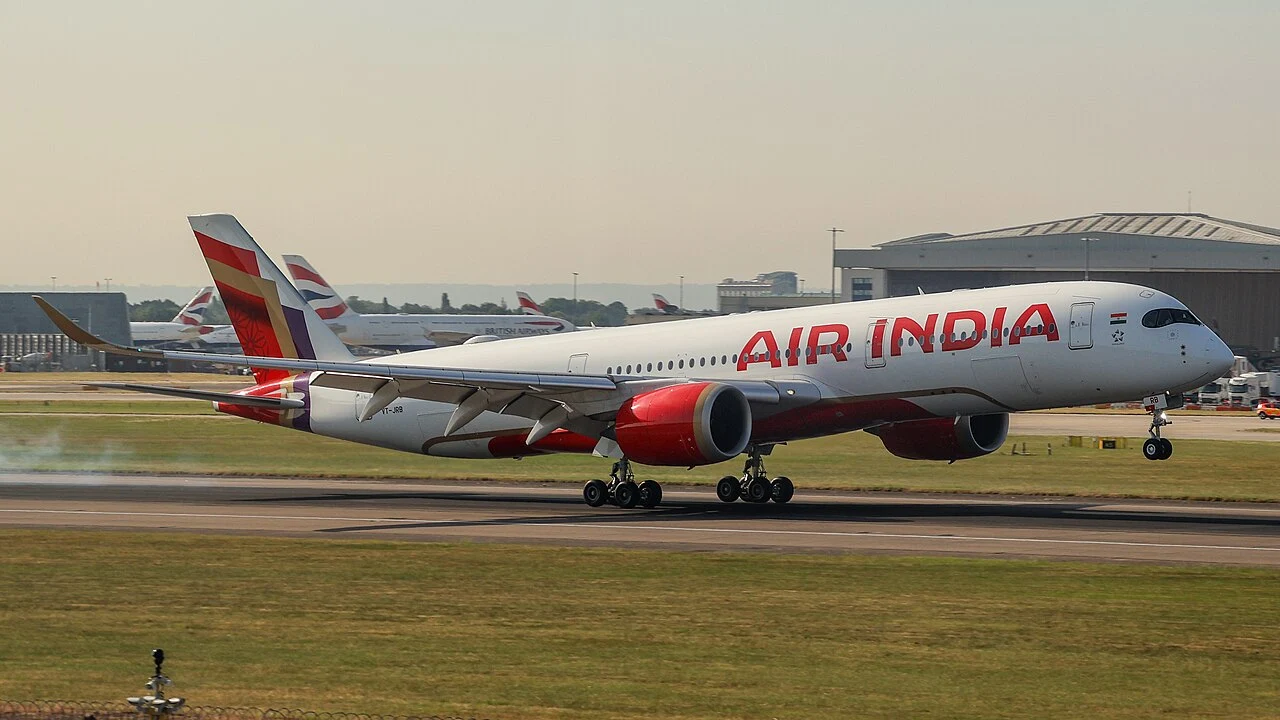
On January 15, 2026, an Air India Airbus A350-900 (registered VT-JRB), operating flight AI-101 from DEL to New York John F. Kennedy International Airport (JFK), was forced to divert back to Delhi following the temporary closure of Iranian airspace.
According to Reuters, upon landing and during taxiing to the apron in dense fog, the aircraft’s right-hand Rolls-Royce Trent XWB engine ingested a stray cargo container that had fallen from a ground-handling tug operated by Bird Worldwide Flight Services (BWFS). FlightGlobal reported that the container caused “substantial damage” to the powerplant.
What Investigators Will Focus On
The investigation that DIAL has initiated will likely centre on several interconnected questions. First, whether the GSE positioned near the Terminal 2 stands was properly secured in accordance with existing adverse weather protocols. Second, why ATC did not issue a weather advisory in advance of a storm severe enough to physically dislodge heavy ground equipment. Third, whether IndiGo’s equipment contributed to the damage, as DIAL initially stated but IndiGo disputed.
AeroTime noted that this particular aspect — the absence of any ATC weather warning — has not yet been independently confirmed by aviation authorities, and the DGCA has not publicly commented on the meteorological failure. Regulatory investigators will also examine whether current GSE stowage and tie-down standards at DEL are adequate for the intensity of convective weather events that have become increasingly common in north India during the pre-monsoon period.


_@_DXB,_June_2019.jpg)
.jpg)

_Air_India_Airbus_A350-941_VT-JRB_@_EGLL_2025-06-18.jpg)