The Federal Aviation Administration (FAA) proposed a new rule on June 30, 2026, that would end the United States’ 53-year-old ban on civil supersonic flight over land. The Notice of Proposed Rulemaking, titled “Enabling Supersonic Overland Flight,” would replace the outright speed ban with a noise-based standard, according to View from the Wing. Aircraft could legally exceed Mach 1 over the continental US if they do not produce a sonic boom that reaches the ground.
The proposal follows an executive order signed by President Trump on June 6, 2025, directing the FAA to repeal the ban. US Transportation Secretary Sean Duffy framed the move as the return of a “Golden Age of Travel,” while acknowledging the rule mainly benefits companies developing so-called boomless jets, chiefly Colorado-based Boom Supersonic, rather than reviving Concorde-style travel.
What the FAA Proposed on June 30, 2026
The draft rule would repeal 14 CFR 91.817, the regulation that has banned civil aircraft from exceeding Mach 1 over US land since 1973. In its place, the FAA will allow supersonic flight if an aircraft meets three conditions, according to the FAA’s own proposed rule text:
- The aircraft meets a performance-based noise standard of no sonic boom overpressure greater than 0.11 pounds per square foot (psf) reaching the surface.
- The operator demonstrates this to the FAA and receives a formal finding from the Administrator.
- The aircraft is then operated within FAA-issued conditions and limitations.
Once an operator receives that finding, it would not need special approval for every individual flight, unlike the current system. According to The Lynnwood Times, second rulemaking covering landing and takeoff noise standards is expected later this year.
Why Supersonic Flight Over Land Has Been Illegal Since 1973
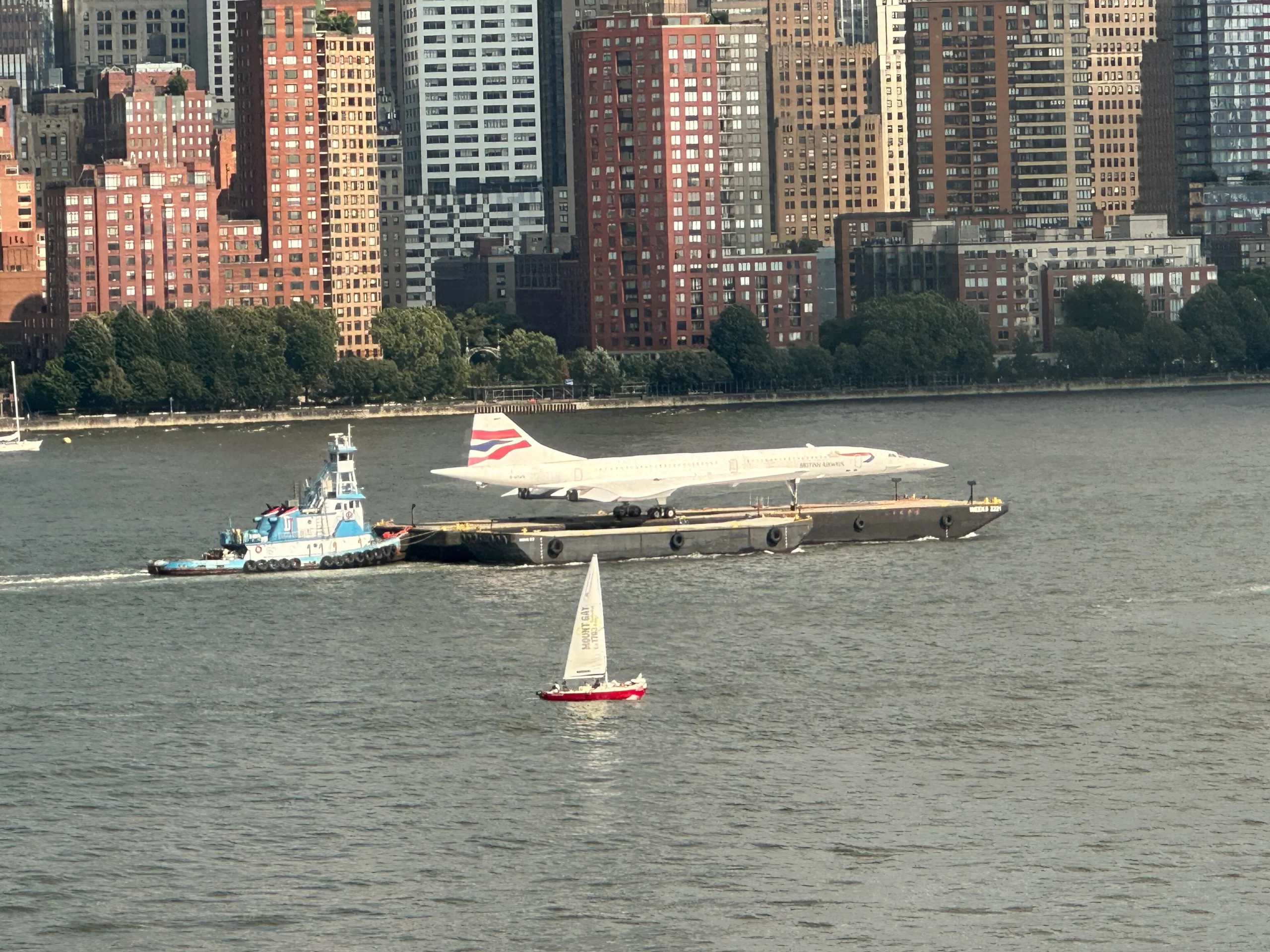
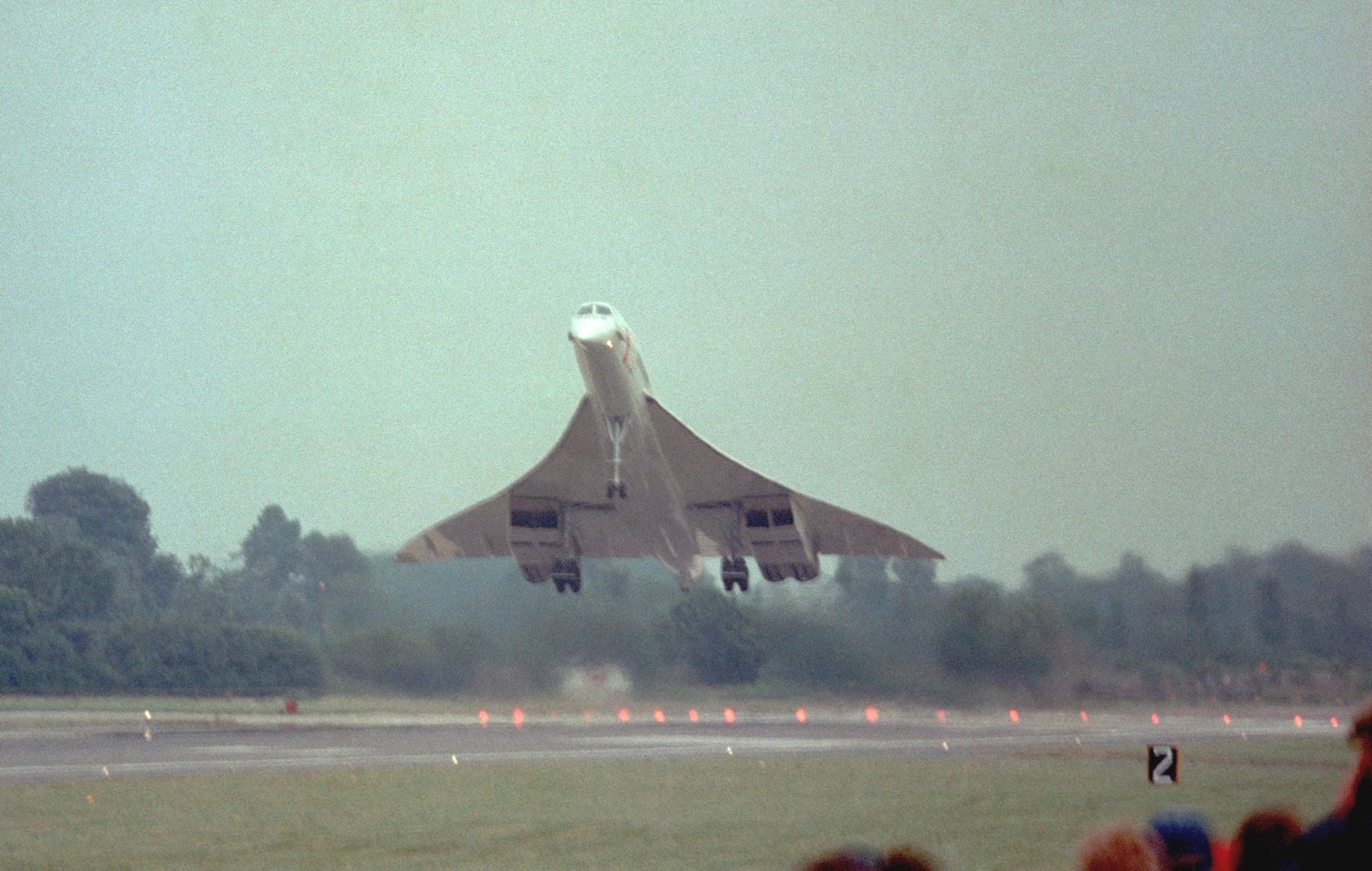
The US banned civil supersonic flight over land in 1973 to protect people on the ground from sonic booms, at a time when the safe exposure level was not well understood. The FAA tightened the rule again in 1978, barring even aircraft flying supersonic outside US airspace from creating booms that reached US territory during arrival or departure.
Public backlash against the Boeing and Lockheed supersonic transport programs, and against Concorde, drove much of the original policy. The FAA has now determined that the general ban is “outdated and no longer appropriate due to advancements in technology,” the agency said in its own announcement.
How the New 0.11 PSF Noise Standard Works
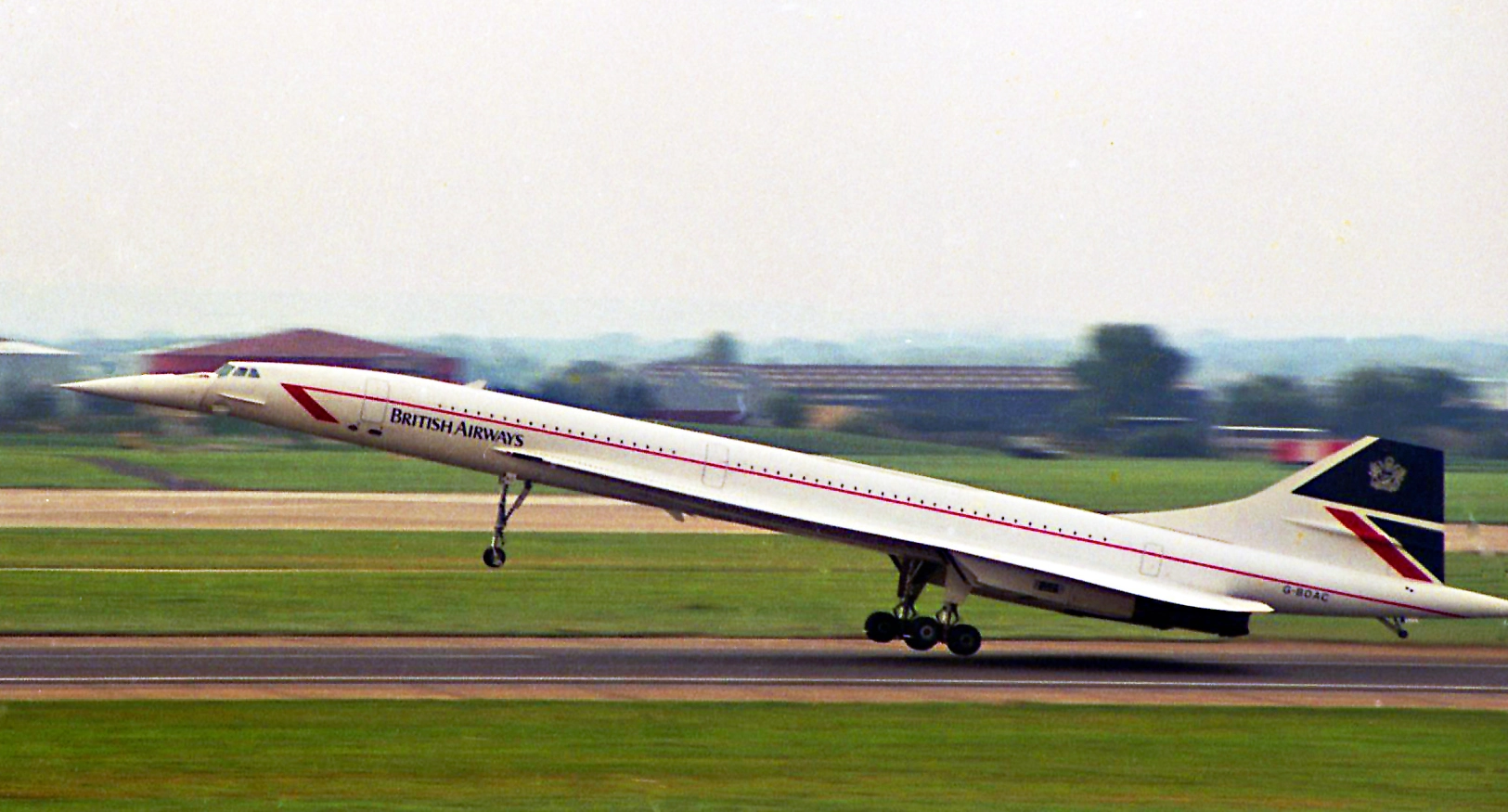
The new rule centers on a phenomenon called Mach cutoff, in which atmospheric conditions, altitude and aircraft speed combine to bend a sonic boom’s shockwave back into the atmosphere before it reaches the ground. The FAA describes the resulting ground-level sound as a low rumble, similar to background street noise.
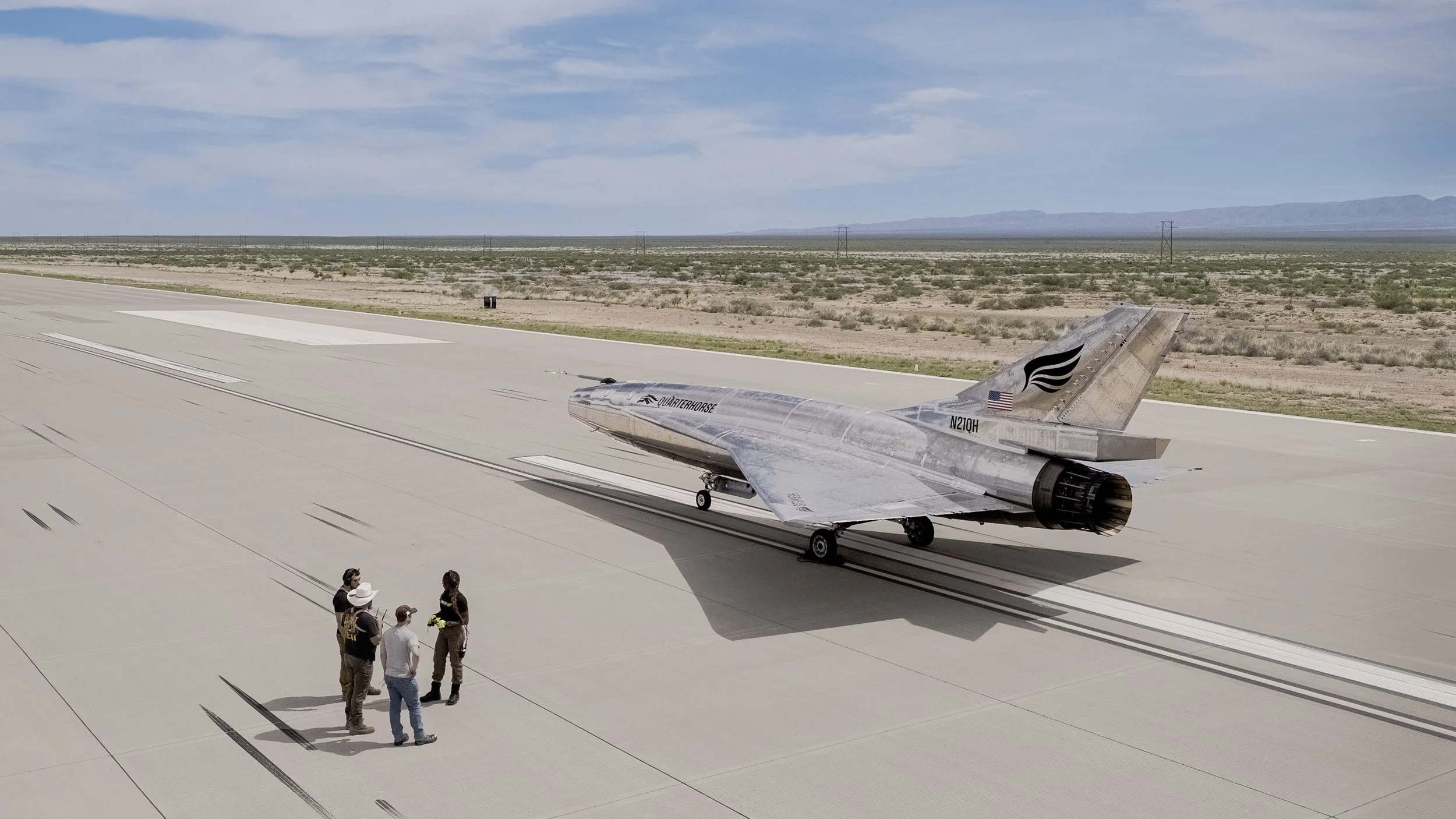
Boom Supersonic demonstrated this technique in February 2025 using its XB-1 test aircraft, breaking the sound barrier over the Mojave Desert without an audible boom reaching the ground, according to the FAA. Separately, NASA’s X-59 research aircraft, developed with Lockheed Martin, is designed to produce a quieter “thump” rather than a boom, using a slender, elongated airframe shape.
What This Means for Boom Supersonic’s Overture Jet
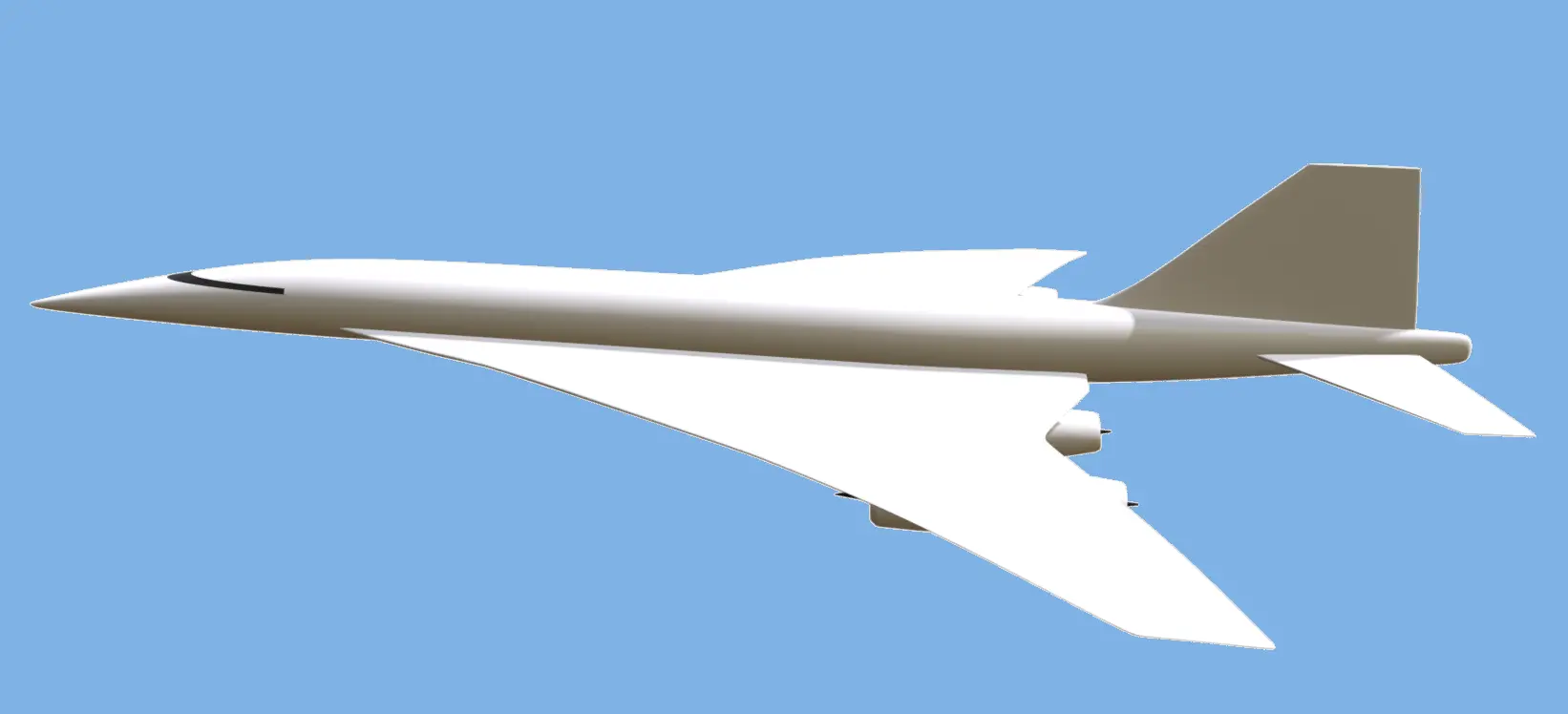
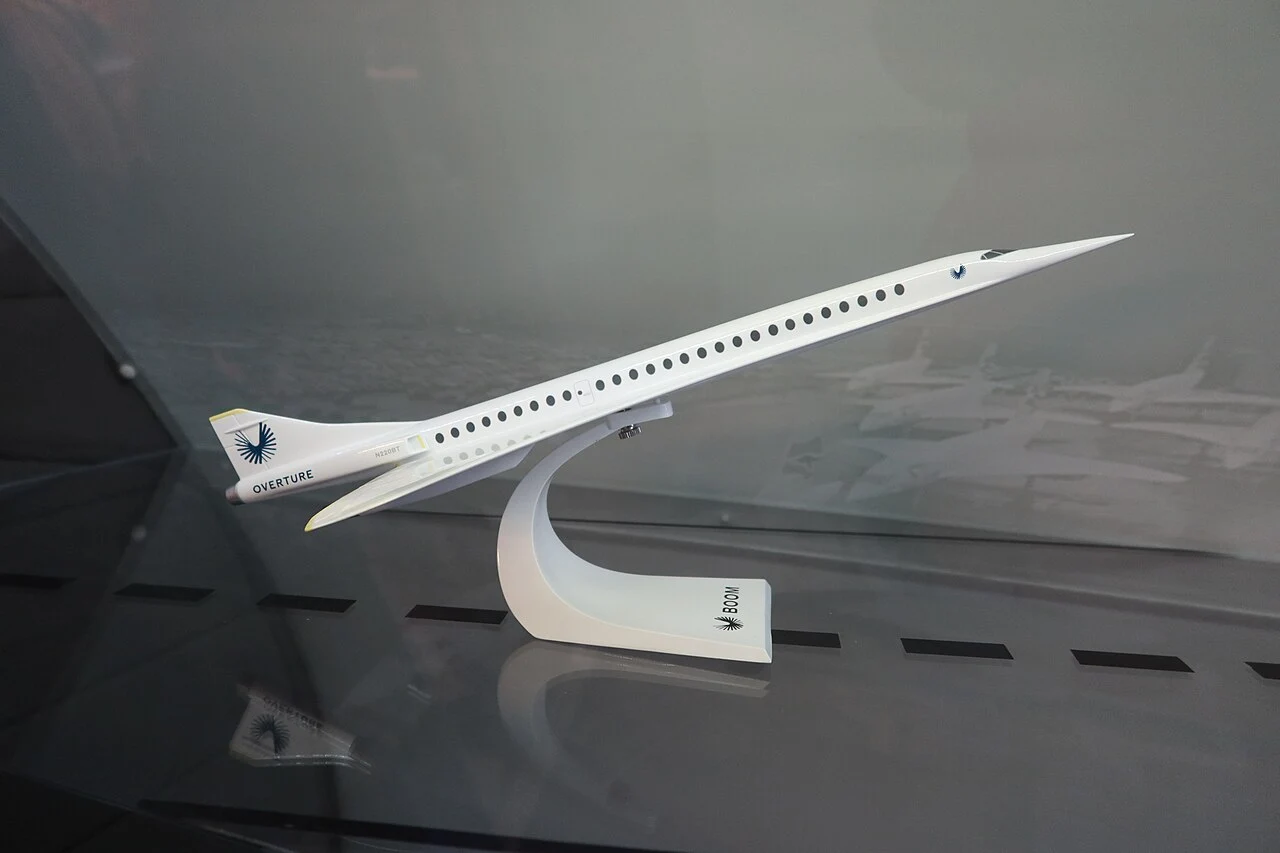
Boom Supersonic is the company most directly positioned to benefit from the rule change. Its Overture jet is designed to carry 60 to 80 passengers at up to Mach 1.7, with Boom projecting more than 600 viable routes and entry into service by 2029. The company holds orders and pre-orders from United Airlines, American Airlines and Japan Airlines.
Removing the blanket ban does not resolve Boom’s hardest problems, however. View from the Wing outlined three remaining obstacles:
- Engines: Developing a new supersonic engine costs billions of dollars, and the major engine manufacturers have so far declined to invest. Boom is developing its own engine, called Symphony, in partnership with StandardAero.
- Market size: Without overland rights, supersonic jets are limited to ocean routes, ruling out city pairs such as Los Angeles to London. Overland clearance expands, but does not solve, this constraint.
- Route economics: A small fleet with premium-heavy cabins, engine reserves, and continued noise limits still restricts how many city pairs could support supersonic service profitably.
Boom’s CEO, Blake Scholl, has separately said the company is using revenue from a stationary turbine business, powering AI data centers, to help fund Overture’s development.
Comparing This Proposal with The House-Passed SAM Act
This NPRM is not the only supersonic legislation moving through Washington this year. In March 2026, the US House of Representatives passed the Supersonic Aviation Modernization Act, or SAM Act (H.R. 3410), by voice vote. That bill would require the FAA to revise its rules within 12 months and finalize noise standards by April 1, 2027.
The two tracks are related but distinct. The SAM Act is a congressional mandate that would force FAA action on a deadline, while the June 30 proposal is the FAA’s own rulemaking, initiated under Trump’s 2025 executive order rather than waiting on Congress. The National Business Aviation Association has supported both efforts, arguing that advances in low-boom technology justify a new regulatory approach regardless of which route gets there first.
What Hurdles Remain Beyond the FAA’s Rule
A Notice of Proposed Rulemaking is not a final rule. The FAA must first collect and consider public comments before deciding whether to proceed, and the agency’s position that the rule is excluded from National Environmental Policy Act review could face legal challenges.
Independent analysis has also questioned how much the rule actually changes in the near term. The Deep Dive estimated the rule change would save industry roughly $1.57 million and the FAA about $852,135 in flight-authorization processing costs, a modest figure that underscores the proposal’s main value is regulatory clarity rather than an immediate cost windfall. Full commercial supersonic service over the continental US remains unlikely before the early 2030s, given the additional time needed for certification, engine development and fleet deployment.
All in All
Transportation Secretary Sean Duffy called the move a step toward “unleashing American innovation and ushering in a Golden Age of Travel”. White House Office of Science and Technology Policy Director Michael Kratsios added that the effort reflects how “America wins, by moving at the speed of our innovators,” the outlet reported.
Airline commitments remain preliminary. Japan Airlines has invested in Boom and holds a notional order, while both United Airlines (UA) and American Airlines (AA) have signed on in theory without finalizing binding commitments. The FAA itself acknowledged that Boeing met with the agency during the current rulemaking process, a detail that echoes the incumbent-protection dynamics of the original 1973 ban.