The Concorde, the second supersonic airliner, established aviation benchmarks such as the speed of Mach 2.34 that remain unmatched for a commercial aircraft decades after its retirement. The debate over the longest Concorde flight encompasses two distinct milestones: the farthest regular commercial routing the aircraft ever completed and a unique scientific mission in 1973 that leveraged its supersonic pace to extend the observation of a total solar eclipse to 74 minutes — a record that still stands in aerospace and astronomy circles.

Operational between 1976 and 2003, Concorde was renowned for getting across the pond in less than three hours. But what are some of the longest flights of this delta-winged aircraft whose name comes from the French word Concorde that symbolizes the cooperation and harmony between the United Kingdom and France – the two nations whose flag carriers British Airways (BA) and Air France (AF) were the standout customers.
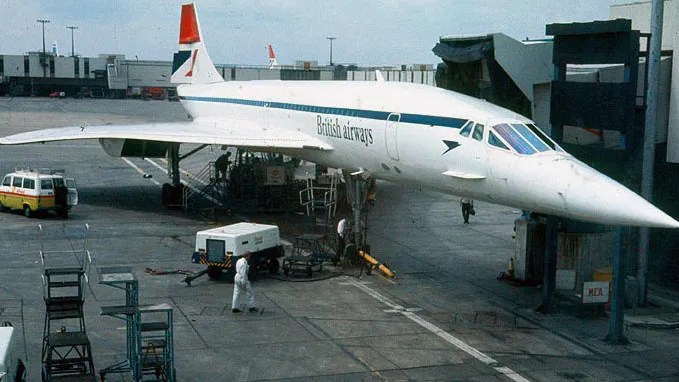
The Longest Scheduled Non-Stop Segment: Singapore to Bahrain
Singapore Airlines (SQ) marketed a supersonic service between Singapore and London that included a scheduled refueling stop in Bahrain. According to Simple Flying, the Concorde used for this flight was registered G-BOAD and was adorned with Singapore Airlines’ livery on one half while the other half had the colors of British Airways. It departed from Singapore International Airport at Paya Lebar as this flight:
- Operated as SQ301 operated a four-hour-and-25-minute sector to Manama
- Refuel at Manama
- Continue its journey under the British Airways flight number BA301, flying a further four hours and 15 minutes before arriving at London Heathrow Airport (LHR).
Here are the flight numbers as reported by Simple Flying:
| Leg | Flight number | Frequency |
|---|---|---|
| Singapore – Bahrain | SQ 301 / SQ 17 | 3× weekly |
| Bahrain – London Heathrow | BA 301 / BA 17 | 3× weekly |
| London Heathrow – Bahrain | BA 300 / BA 16 | 3× weekly |
| Bahrain – Singapore | SQ 300 / SQ 16 | 3× weekly |
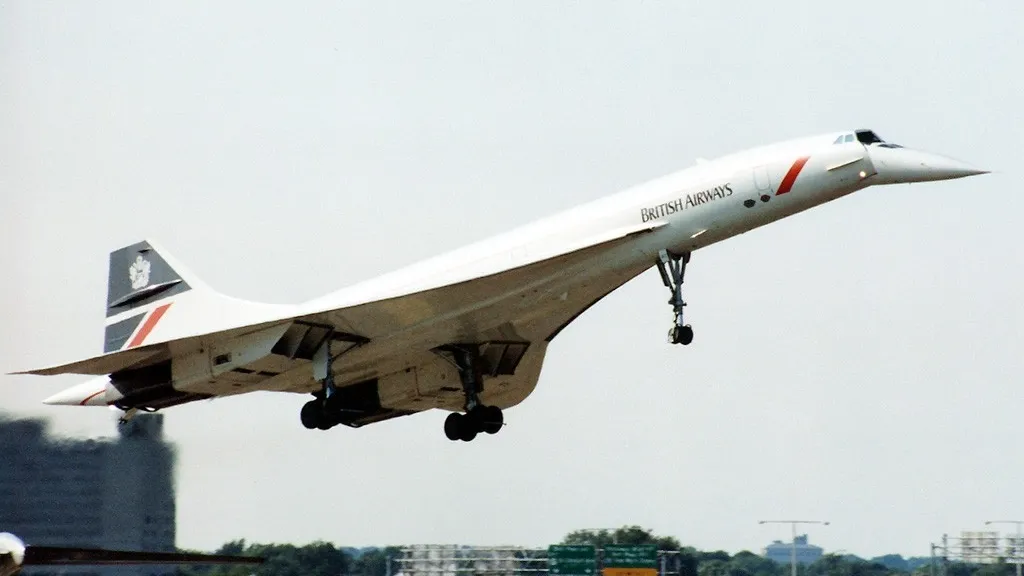
Some Other Notes on Concorde’s Longest Regularly Scheduled Non-Stop Flight
Cabin service on the route was provided entirely by either Singapore Airlines or British Airways personnel. As a result, British Airways cabin crews would operate into Singapore, while Singapore Airlines crews would work flights into London.
This flight, however, ran into some issues after completing merely 3 flights. One of the biggest issues was related to the environmental consideration that led Concorde to never be successful in the US- the Sonic Boom. The other problem was the fact that Malaysians were “trying to use the Concorde operation to help them negotiate a 5th freedom right out of London Heathrow“, reported Concorde Heritage:
“The service was withdrawn on 13 December 1977 after only 3 return flights, because of these complaints from the Malaysian government about the supersonic boom over the Straits of Malacca, which is on the West coast of Malaysia. But in the summer of the same year, Malaysia Airlines plans of further capacity increase on the London route were denied in order to protect British Airways and Cathy Pacific, which caused a clash between the Malaysian and British governments. In addition to these difficult relations, Singapore Airlines was a tough Malaysian competitor”.
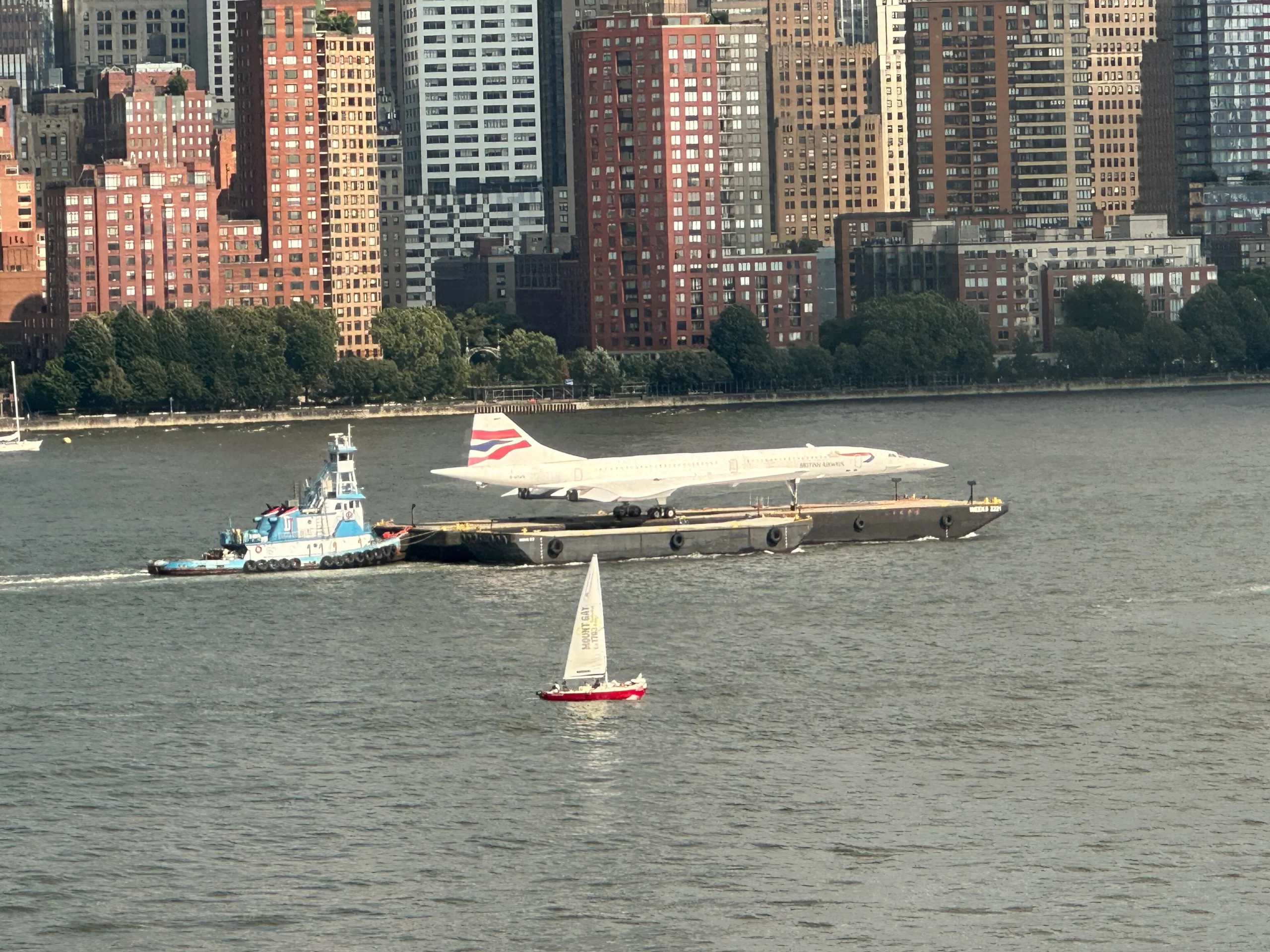
After the dispute settled, services resumed on 24 January 1979- a time by which British Airways thought the operations commercially unjustifiable and was discontinued on 1 November 1980. G-BOAD is currently on display at the Intrepid Air and Space Museum in New York.
It’s worth distinguishing this record from the Caracas–Paris flight discussed later: the Singapore–Bahrain leg holds the record for the longest scheduled non-stop segment Concorde ever flew, while Caracas–Paris — flown only under exceptional, unscheduled conditions — remains the longest non-stop flight of any kind in Concorde’s history.
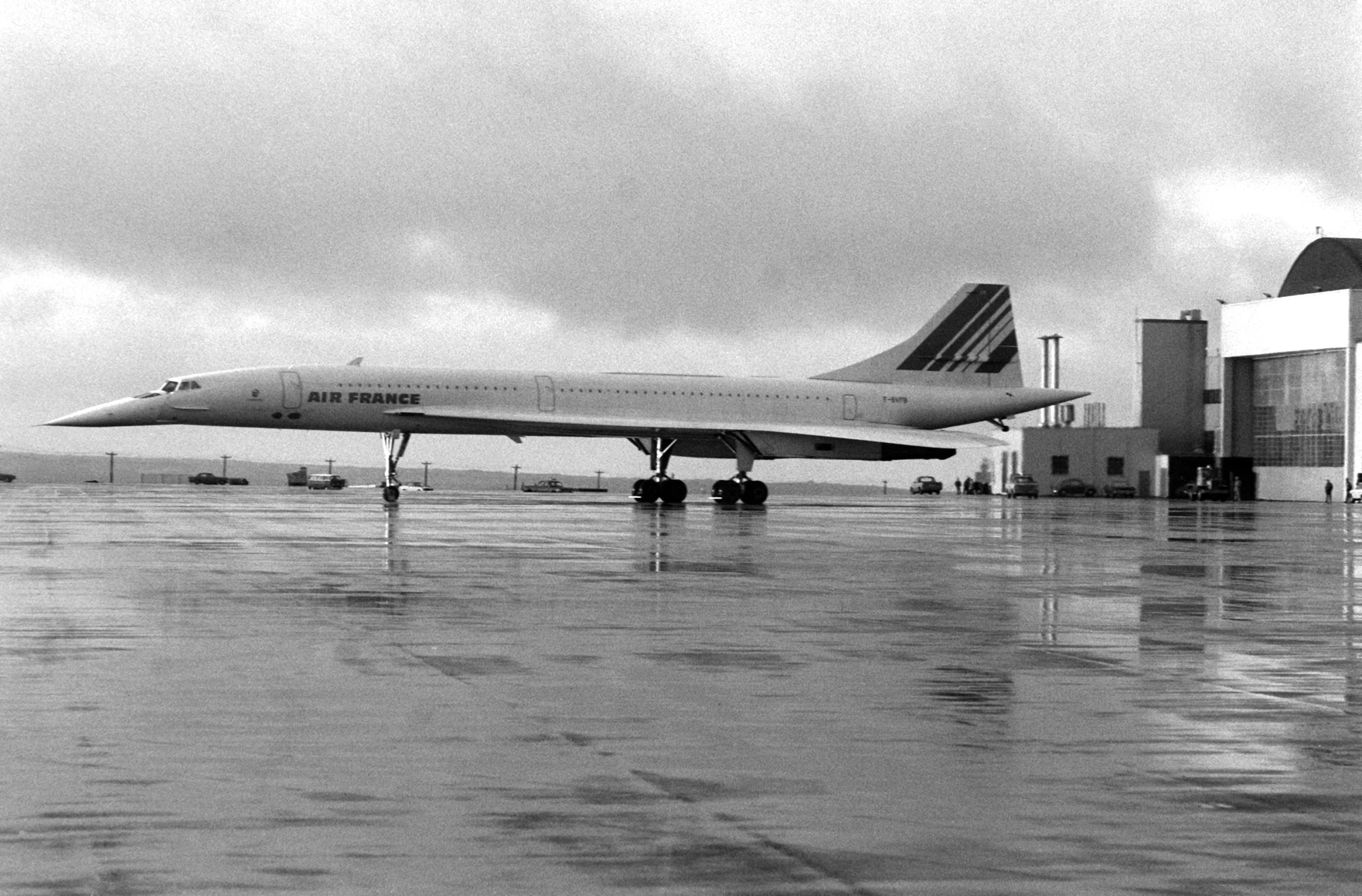
Concorde’s Longest Flight was an Oddity
Caracas, the Venezuelan aerodrome which gained some publicity after an Ilyushin Il-76 operated by Russia landed there, was a focal point of the longest Concorde flight. Typically, a flight between Paris and Caracas would necessitate a stop in the Azores, but Simple Flying claims that “on occasion, favorable winds and a light load allowed the plane to fly directly to Paris without refueling“. With a distance of 4,123 nm (7,635 km), this was the longest non-stop Concorde flight ever recorded, with a typical flight time of four hours and 10 minutes.
Concorde’s former engineer Christian Julius has shared that Air France did fly Concorde out of Caracas in the early days “slowly sailing across their flight path“.
“Just imagine… two guys in bonedomes and full pressure suits, in a cramped cockpit, watching something like a hundred people in shirt sleeves or summer dresses, sipping their champagne and maybe just starting on their smoked salmon hors d’oeuvres, flying at their altitude and nearly their speed….”
Concorde’s Record-Breaking 1973 Eclipse Flight
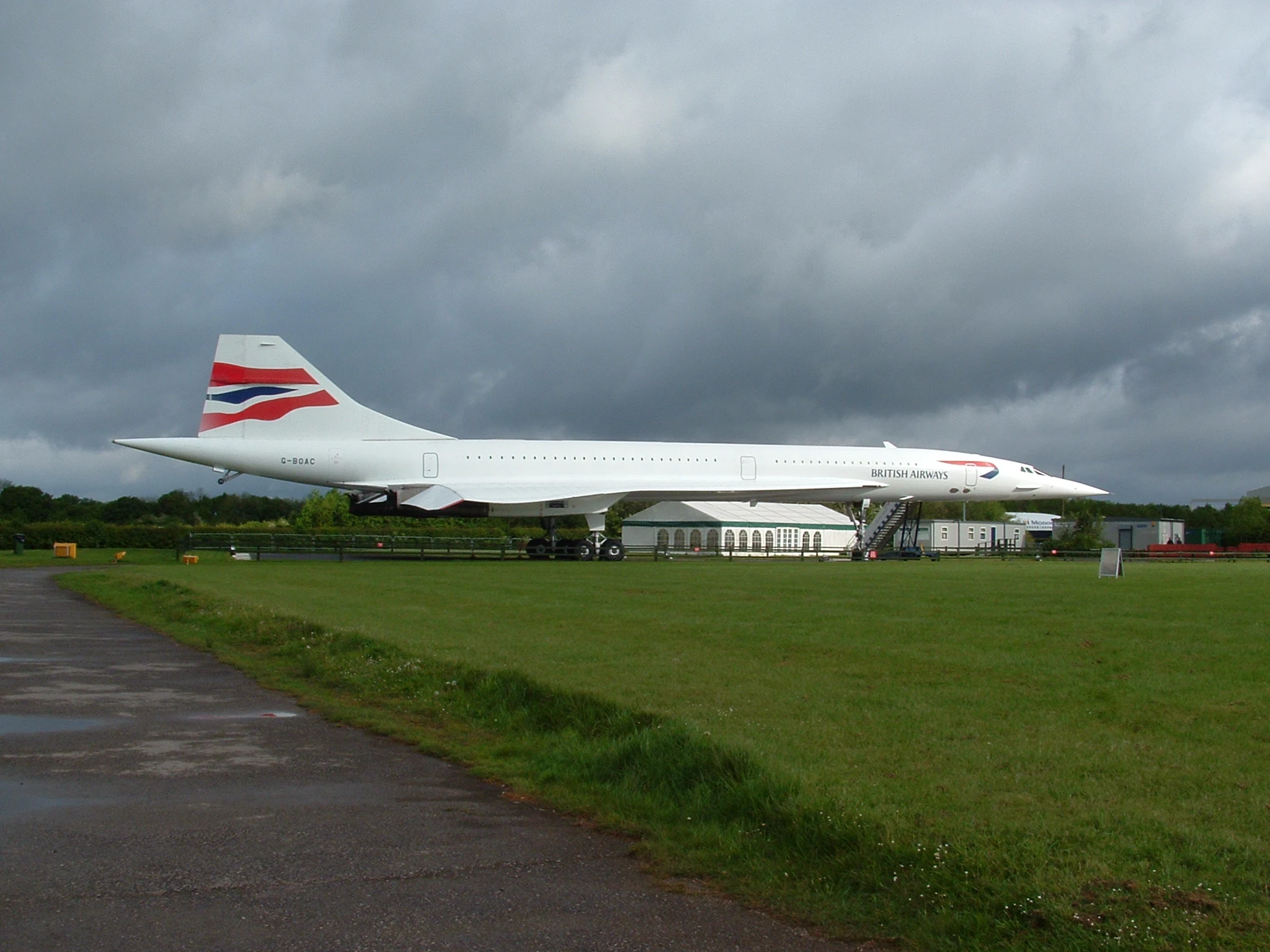
On 30 June 1973, Concorde prototype 001 was tasked with an extraordinary mission: to chase the Moon’s shadow during a total solar eclipse over the Sahara Desert — and extend the duration of totality beyond terrestrial limits. And it did, as it traversed along the eclipse’s path of totality, the aircraft remained within the Moon’s shadow for over an hour, almost ten times longer than maximum possible time from any fixed point on Earth.
| Parameter | Value | Notes |
|---|---|---|
| Date of flight | June 30, 1973 | Concorde 001 solar eclipse mission |
| Cruise altitude | 55,000 ft (17,000 m) | Supersonic cruise during eclipse chase |
| Width of eclipse path | 156 miles (251 km) | Path of totality at interception point |
| Speed of Moon’s shadow | ~1,500 mph (2,400 km/h) | Ground speed of lunar shadow |
| Concorde cruise speed | ~1,350 mph (2,200 km/h) | Approximately Mach 2 |
| Mach number | Mach 2.0 | Supersonic operating regime |
| Maximum ground-based eclipse totality | 7 min 4 sec | Physical limit from a fixed location |
| Eclipse totality achieved on Concorde | 74 minutes | World record observation duration |
Data: space.com
The same source also revealed that 1973 flight wasn’t “the last time Concorde entered the moon’s shadow during a total solar eclipse”:
“Twenty-six years later, on Aug. 11, 1999, three Concordes — one from France and two from the U.K. — entered the moon’s shadow, carrying tourists, as documented by French eclipse expert Xavier Jubier. Each paid $2,400 ($4,457 in today’s dollars), though totality lasted only four or five minutes, compared with about two minutes on the ground. However, the passengers had problems seeing totality for more than 30 seconds because of the small windows and the sun’s height. “
Concorde’s involvement in eclipse-chasing came to an end in 1999. After the crash of Air France Flight 4590 on July 25, 2000, Concorde’s planned eclipse mission scheduled for June 21, 2001 was canceled, and subsequent attempts to replicate the Concorde’s feat of extending the eclipse time have achieved only modest gains.
The most notable of these was E-Flight 2019-MAX (a LATAM Airlines Boeing 787-9 Dreamliner), that extended the duration of totality from 4 minutes and 32 seconds to nine minutes.
All in All
Other notable long Concorde routes included British Airways’ London Heathrow–Bridgetown service, which covered approximately 3,646 nautical miles (6,752 km) in around 3 hours and 45 minutes without a fuel stop. Operated weekly on Saturdays, the route primarily served the leisure market. Air France also operated one of Concorde’s most ambitious routings between Paris and Rio de Janeiro via Dakar, Senegal. The service required a refueling stop in Dakar, but its combined distance made it one of the longest regular Concorde itineraries offered to passengers.


.jpg)
