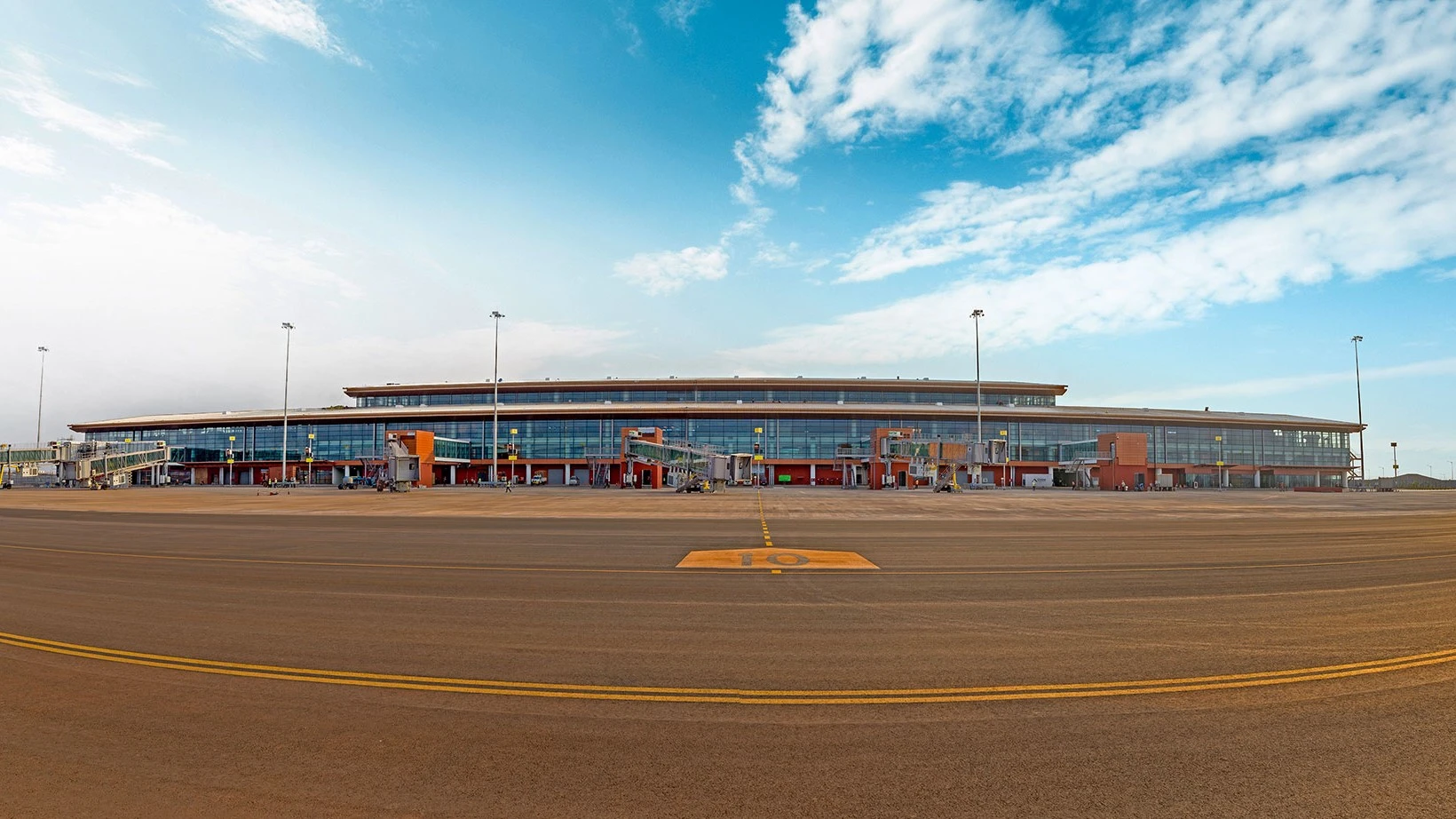
Noida International Airport (DXN), India’s newest mega aviation hub, is scheduled to commence commercial operations in June 2026 after securing key regulatory clearances and completing infrastructure readiness near Jewar in Uttar Pradesh, Times of India reported. The airport is being developed to complement Indira Gandhi International Airport (DEL), addressing capacity constraints in the National Capital Region.
Authorities and developers aim to position the facility as Asia’s largest airport by land area upon full completion, with phased expansion plans designed to transform it into a major international transit hub. Initial operations will focus on domestic flights, with international services expected to follow later in the year.
Launch Timeline and Approvals of Noida Airport
The airport’s operational timeline has been shaped by a series of regulatory milestones, culminating in final security clearance granted ahead of the planned June 2026 launch. According to reports, authorities expect flight operations to begin in early June, marking a critical transition from infrastructure completion to commercial activity.
The facility was formally inaugurated in March 2026, but the phased rollout strategy separates ceremonial opening from operational readiness.
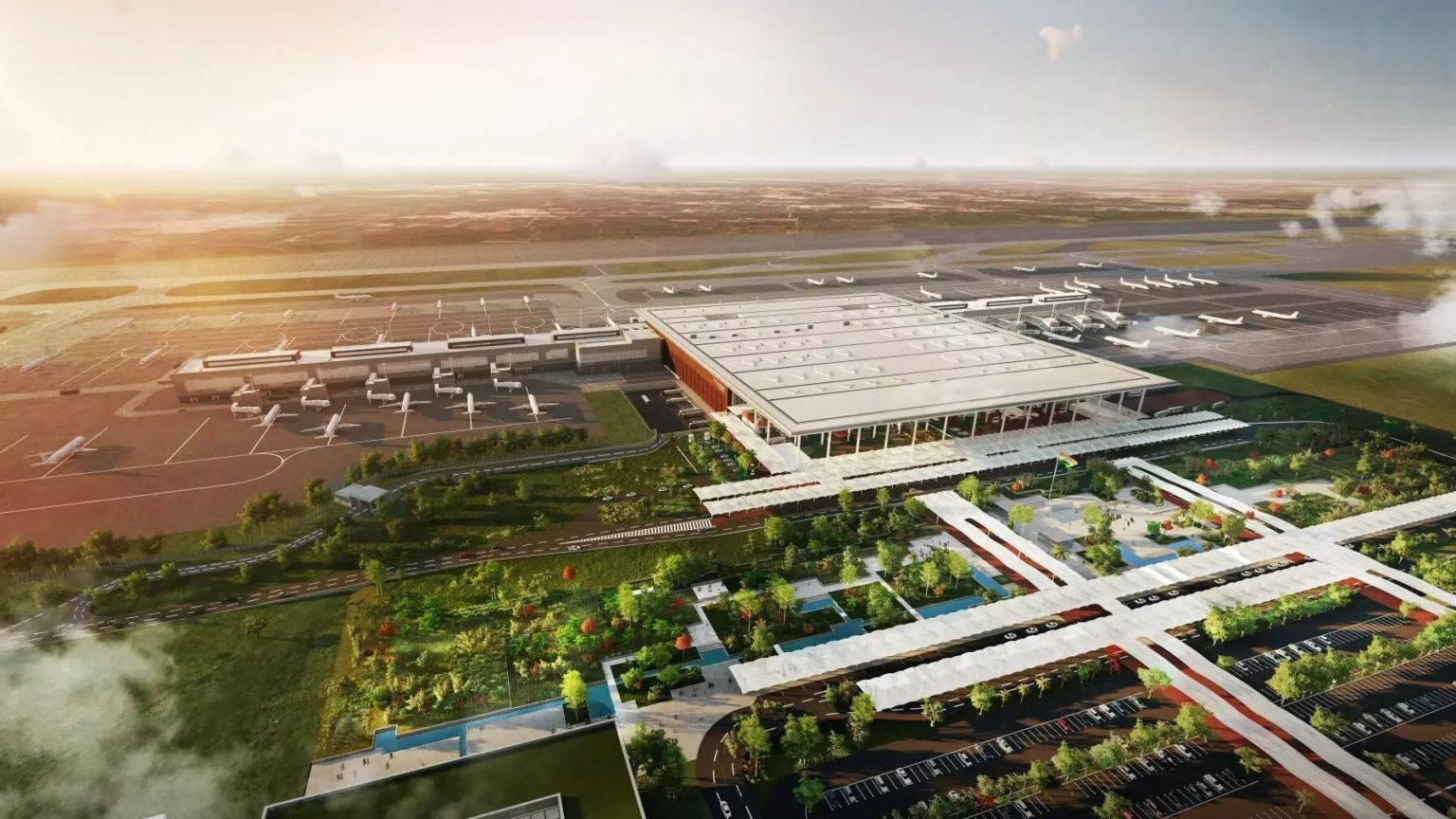
Officials have indicated that the initial development phase will feature a single runway and terminal capable of handling millions of passengers annually, with further expansion planned as demand grows. The opening of Noida International Airport is also expected to coincide with the development of a hub-and-spoke model at Delhi’s Indira Gandhi International Airport, allowing passengers to make smoother transfers between domestic and international flights.
After getting the aerodrome security program (ASP) approved, Noida International Airport said last week that it would coordinate with “all stakeholders to finalise timelines for the commencement of commercial operations“. The airport also said that its efforts were “focused on ensuring that all systems, processes and personnel are fully aligned to deliver a safe, efficient and seamless start of operations.”
Noida is Asia’s Largest Airport by Area
Noida International Airport is being developed as a multi-phase aviation ecosystem, with long-term plans including:
- multiple runways
- cargo terminals
- maintenance facilities.
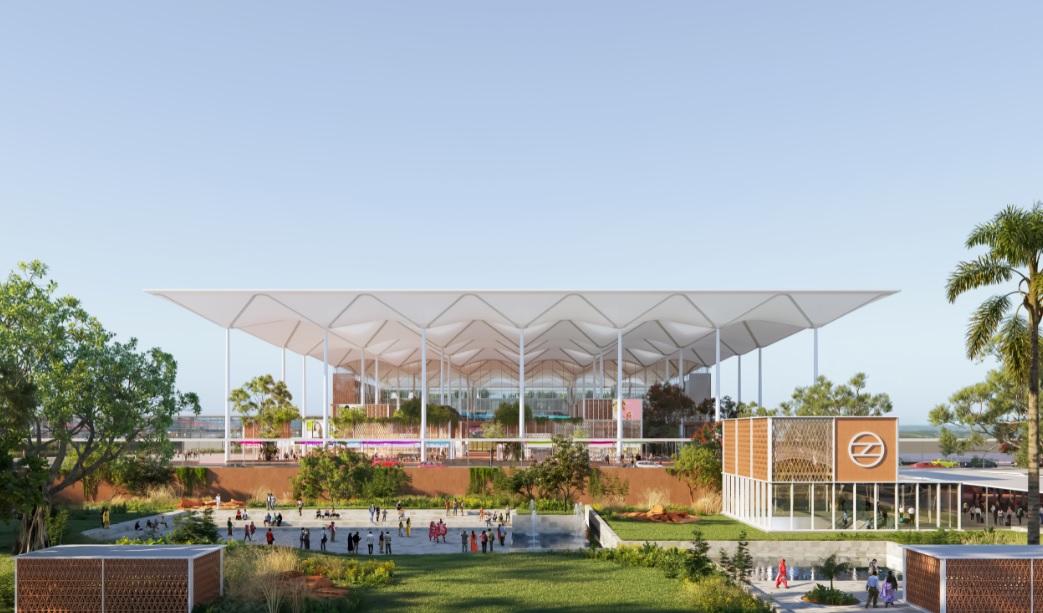
Government statements emphasize its scale, noting that the airport will become one of the largest globally by land area once fully developed. Last month, Ram Mohan Naidu Kinjarapu formally presented the aerodrome licence—issued by the Directorate General of Civil Aviation—to Noida International Airport in Uttar Pradesh and moved the greenfield airport significantly closer to operational readiness.
In a social media update, the minister welcomed the progress and confirmed that discussions were underway with the airport operator to accelerate pending procedures and enable an early start to flight services. Naidu, who described the Jewar airport as one of India’s most consequential aviation infrastructure projects, said that the facility has been conceptualized as a comprehensive aviation hub, integrating Maintenance, Repair and Overhaul (MRO) capabilities alongside dedicated air cargo infrastructure.
This strategic positioning aligns with India’s broader ambition to expand its aviation infrastructure in response to sustained passenger growth and increasing international connectivity demand. It also is a wonderful addition to the Aatmanirbhar Bhaarat project, which aims at aviation self-sufficiency in India.
Dual-Airport Strategy with Delhi Airport to Ease Capacity Constraints
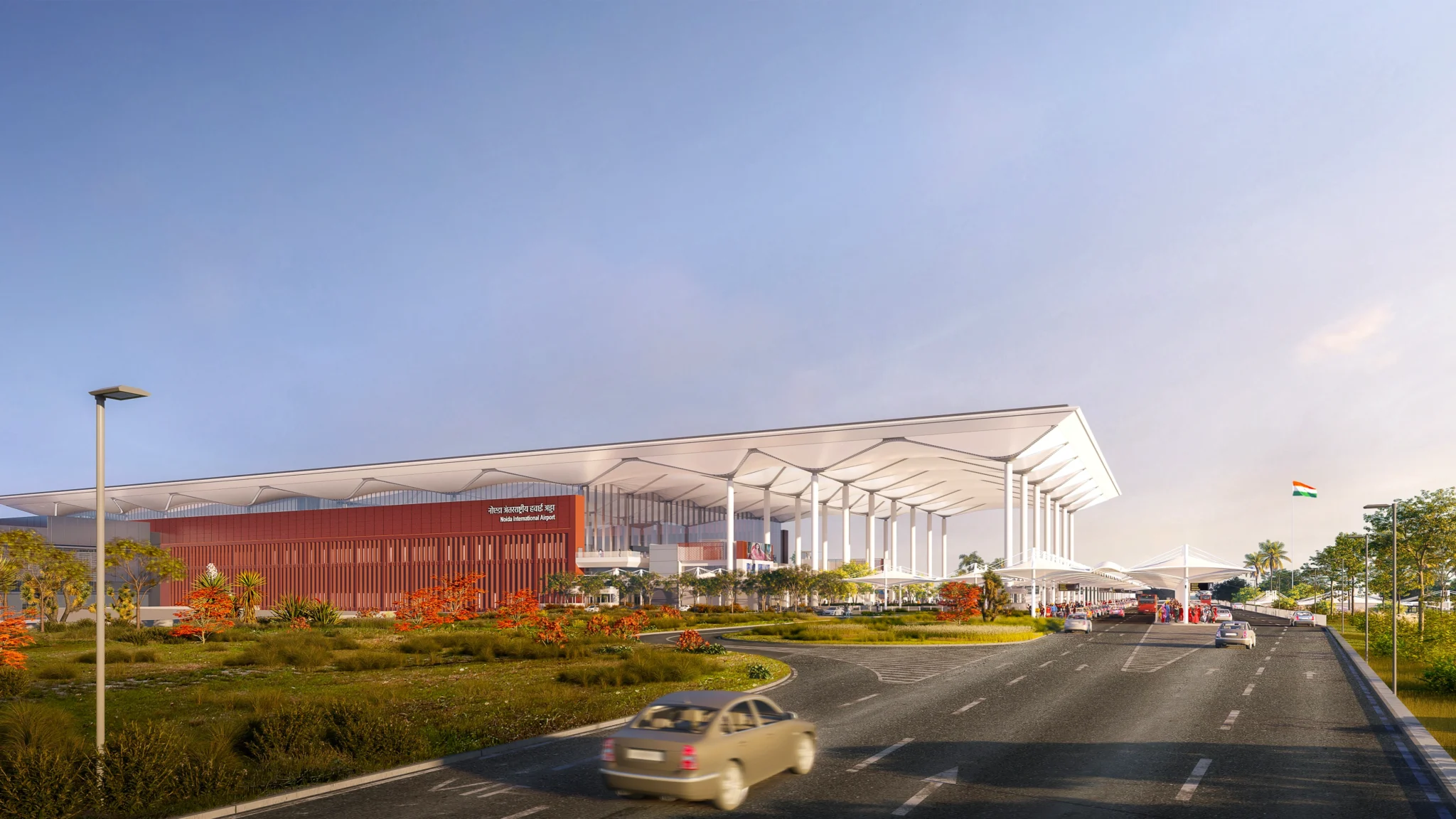
The development of Noida International Airport forms a key part of a dual-airport strategy for the Delhi National Capital Region, where capacity at Indira Gandhi International Airport (DEL), Delhi, is approaching saturation.
Indira Gandhi International Airport (DEL) handled more than 70 million passengers annually in recent years, making it one of the world’s busiest airports and highlighting the need for additional capacity in the Delhi region. Its international passenger capacity is also set to rise from slightly more than 20 million to around 32 million passengers annually once the recently converted international pier at Terminal 3 becomes operational, with seamless transfers and airside transit between Terminals 1 and 3 expected to follow shortly afterward.
The expansion at Delhi is being complemented by the development of Noida International Airport (DXN), which is expected to absorb some traffic from the wider National Capital Region.
The Phased Expansion Plans Came After a Rows of CEO Appointment
Initial operations at DXN will focus on domestic routes, with international services expected to commence later in 2026 as bilateral approvals and airline schedules are finalized. The airport’s long-term blueprint includes multiple runways and terminals capable of handling tens of millions of passengers annually, positioning it as a key node in global aviation networks.
Developers have also highlighted sustainability measures, including energy-efficient infrastructure and environmentally conscious design, as part of the airport’s long-term vision.
However, this developments have come across the backdrop consider replacing its Swiss CEO, Christoph Schnellmann, as an Indian law wouldn’t have allowed Christoph to get over the Indian rule that necessitated the CEO of a greenfield airport to be an Indian national. Noida International Airport has appointed its Chief Financial Officer, Nitu Samra, as interim CEO,
Akasa Air, which launched its domestic operations in 2022, has pledged to establish a maintenance, repair, and overhaul (MRO) facility at the airport. Meanwhile, IndiGo signed a memorandum of understanding in November 2023 to act as the launch carrier and later carried out a validation flight in December 2024 to assess approach procedures and air traffic control systems.
According to RK Singh, CEO of Noida International Airport Limited (NIAL), the authority that owns the airport land, the process to initiate bookings and flight operations is currently underway.