On 26 November 2025, the French aerospace and defense giant, Safran, inaugurated its world’s largest maintenance, repair, and overhaul (MRO) centre for LEAP engines in Hyderabad, India, while also breaking ground on its first MRO facility outside France for the M88 engine (which is used in military jets such as the Rafale).
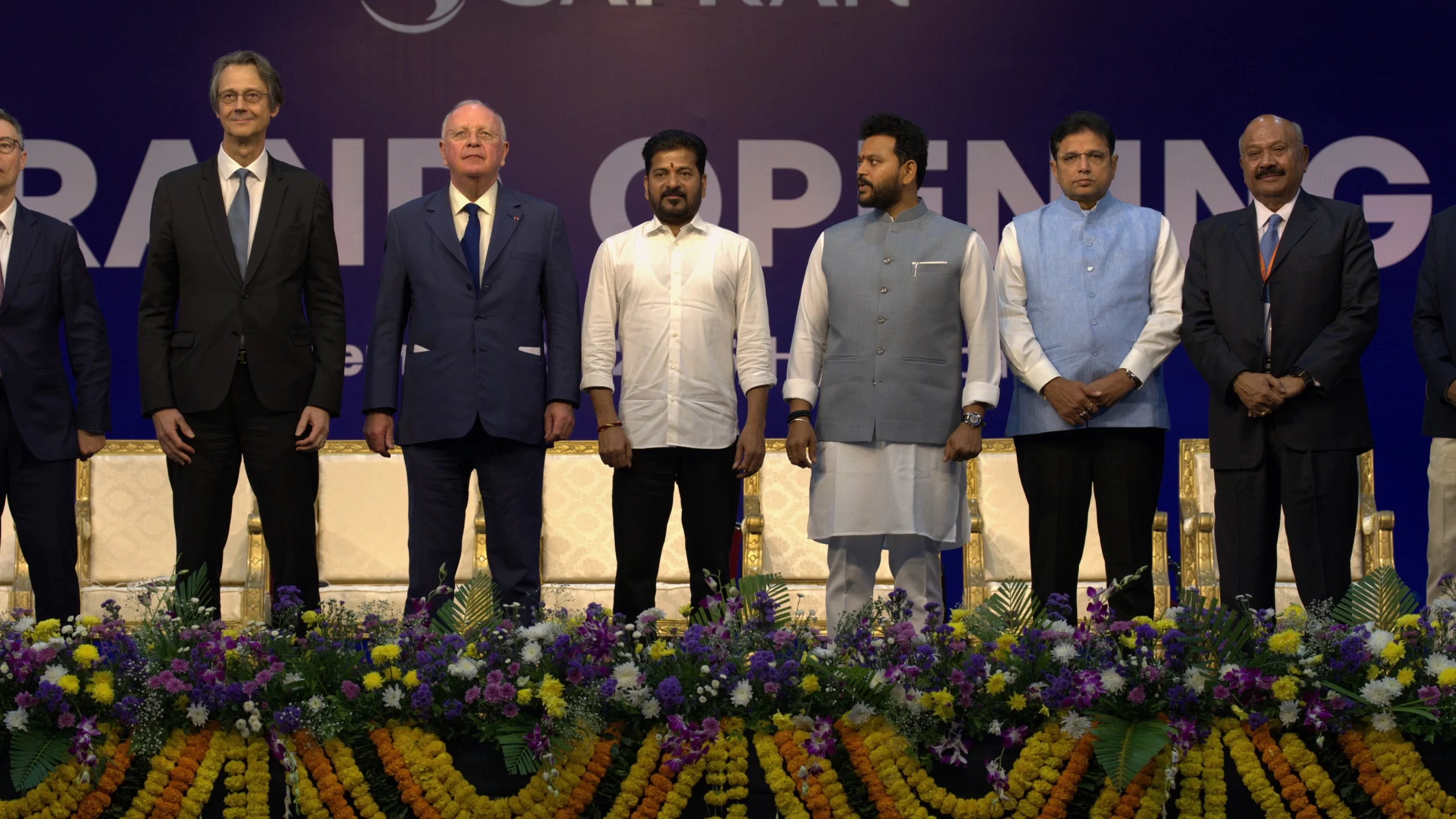
Safran highlighted that this move reflects a major intensification of its “Make in India” strategy, and it comes at a time when India is pursuing its own path of self-sufficiency under the “Aatmanirbhar Bhaarat” project- a part of which is the Tejas fighter jet that crashed in the Dubai Airshow.
India Procures 113 F404‑GE‑IN20 Engines in $1 Billion HAL Deal for Tejas Fighter Jets
Safran and India’s Expanding Aerospace Footprint
The twin announcements by Saffran (i.e., the civil-aviation engine support and military collaboration) were made in the presence of Indian Prime Minister Narendra Modi and senior Safran executives.
Safran’s new LEAP MRO centre in Hyderabad is being built in partnership via CFM International (a 50-50 joint venture between Safran Aircraft Engines and GE Aerospace) and is set to open in 2026 with more than 250 employees. Safran has committed €200 million to develop the LEAP maintenance hub. India already ranks as the third-largest market for CFM, with more than 400 LEAP-powered aircraft already in service across five airlines.
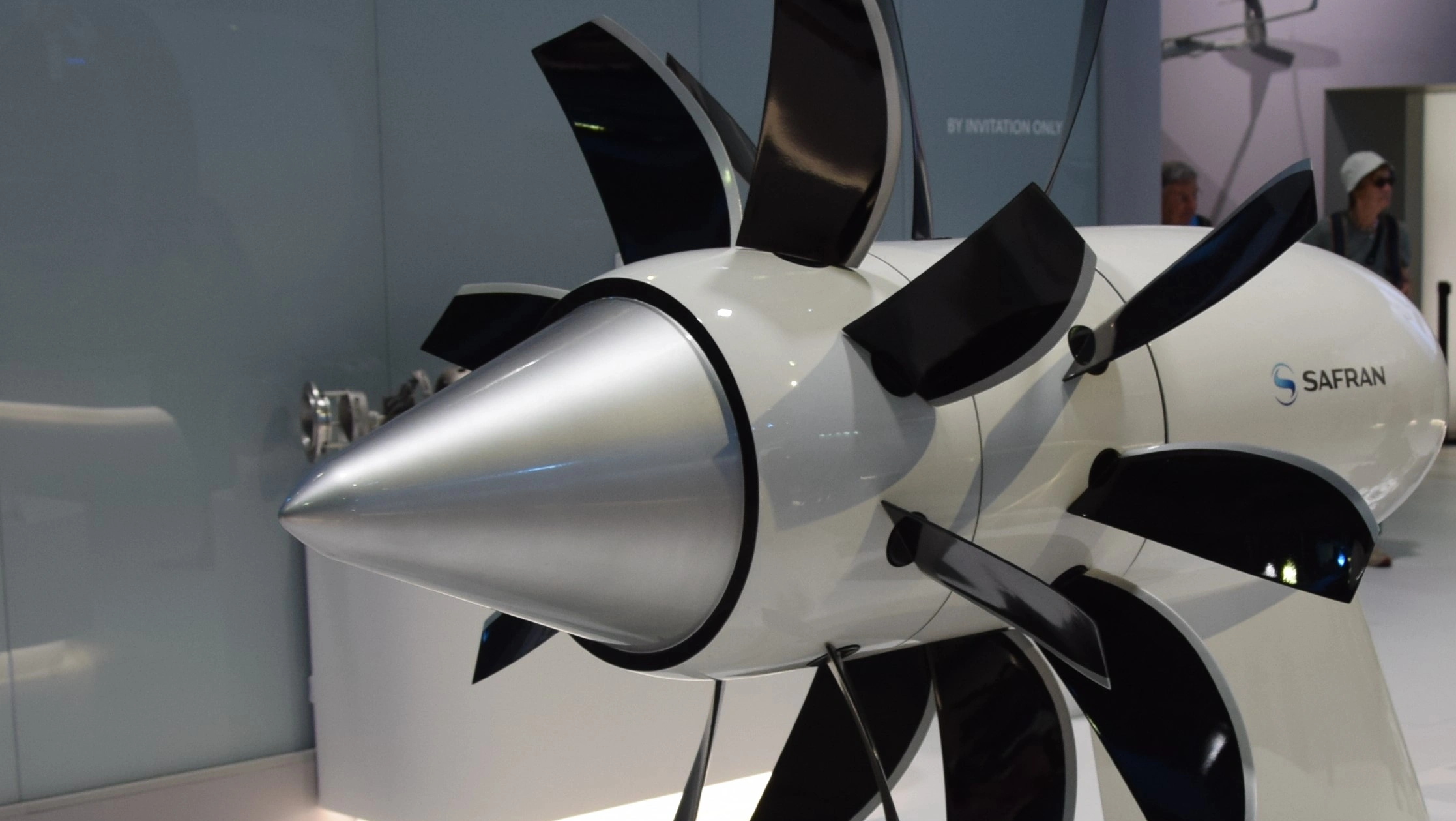
The center will service engines that power the workhorses of global single-aisle aviation (particularly of Indian aviation): Airbus A320neo and Boeing 737 MAX aircraft. India’a largest carrier, Indigo operates a fleet comprising of 169 aircraft, while the country’s flag carrier, Air India operates 90 aircraft of this type.
Here are additional details about the LEAP MRO center in Hydrabad:
-
At full scale, the workforce will grow to roughly 1,100 specialists.
-
The site covers 45,000 square meters
-
Once fully ramped up, the facility is expected to complete around 300 LEAP engine shop visits each year.
-
An integrated training academy will prepare over 100 Indian engineers and technicians annually.
and includes a modern test bench designed for next-generation engine work. The center is intended to support the expanding fleet of CFM International LEAP engines across India and the wider region. Indian operators also have approximately 2,000 LEAP engines on order.

Simultaneously, Safran is establishing its first overseas MRO facility for the M88 engine, the details of which can be seen in the following table:
| Category | Details |
|---|---|
| Facility Location | Hyderabad, adjacent to the LEAP engine center |
| Facility Size | 5,000 square meters |
| Investment Value | Over €40 million |
| Annual MRO Capacity | More than 600 engine modules |
| Employment at Full Capacity | Up to 150 people |
| Primary MRO Priority | Indian Air Force (IAF) engines |
| Additional MRO Customers | Other M88 export customers |
| India’s Military Engine Relationship | Long-standing customer of Safran |
| Recent Indian Orders | 26 Rafale M naval variants |
| Existing Fleet in India | 36 Rafale fighters, 47 Mirage 2000 fighters |
Only last month, Tata Advanced Systems Limited (TASL) and Airbus Helicopters announced a collaboration to produce the Airbus H125 helicopter in India. Note that the H125 was previously called the Airbus AS350B3 and landed at the top of Mount Everest.
Safran’s India Expansion: Metrics and History
Safran has maintained operations in India for nearly 70 years. In 2022, the group inaugurated three new production sites in Hyderabad and Bengaluru and announced plans to triple its workforce by the end of the present year.

Safran opened its Electrical & Power’s plant (which makes wiring for LEAP engines and the Rafale fighter) in November 2018 and had 150 employees in 2022, and this number was expected to grow to 200 in full capacity.
Earlier in 2025, Safran’s subsidiary focused on electronics and avionics established a production site and an R&D centre in Bengaluru aimed at manufacturing electronic cards and aeronautics/defence calculators – the details of which is the following:
-
Electronics production site will employ nearly 400 people
-
Located in the airport area of Bengaluru
-
Production facility size: 12,000 m²
-
Expected annual output: around 30,000 equipment units
-
Will support several hundred product references by 2030
-
R&D facility size: 3,000 m²
-
R&D team will expand to about 250 engineers and technicians

Additionally, Safran signed a Joint Venture and Cooperation Agreement with Bharat Electronics Limited (BEL) for local manufacturing of the “Hammer” modular air-to-surface weapon — enabling integration with both Rafale and India’s indigenous HAL Tejas.
While thanking the Indian Prime Minister, the CEO of Safran, Olivier Andriès, said that its new joint venture with BEL “underscores India’s importance to our Group“:
“We’re proud to support the rapid growth of India’s civil and defense aerospace markets and actively contribute to the country’s Make in India policy and strategic autonomy. Safran will triple its revenue in India to exceed 3 billion euros by 2030, of which half will be generated by our sites in India. At the same time, Safran will multiply by five its sourcing in the country.”
Potential future impact of Safran’s
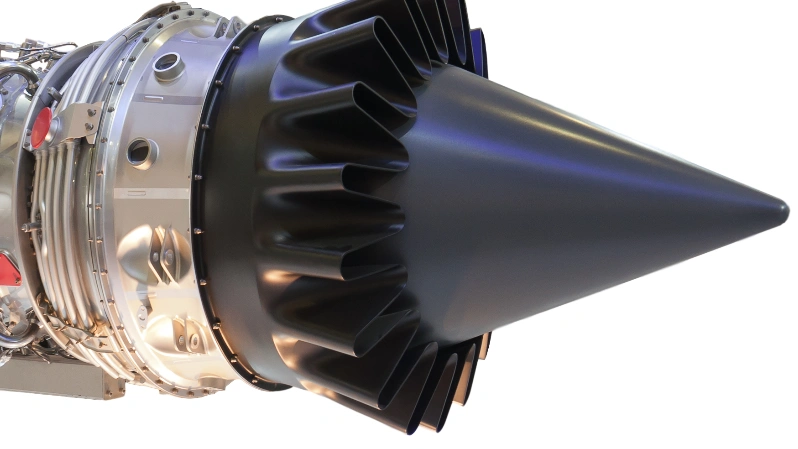
With the pace at which India is striding towards aerospace manufacturing, one wonders about the possibility of a final assembly line for Rafale engines in India- a move would deepen localisation whilst also allowing India to exercise greater control over critical air-power infrastructure, and potentially catalyse more foreign aerospace firms to follow suit — envisioning India as a global aerospace hub.



.jpg)
.jpg)