Airbus is aiming to realign its production and delivery schedules by the end of June 2026 after disruptions caused by manufacturing defects and delivery bottlenecks, chief executive Guillaume Faury confirmed. In a report published in Flight Global, the issues, primarily affecting the A320neo family, created a mismatch between aircraft output and customer handovers during the first quarter.
The disruption stems from a fuselage panel quality problem identified in late 2025 and delays in transferring nearly 20 aircraft to China, both of which significantly impacted deliveries despite continued production ramp-up. Airbus now expects to recover lost ground in the second quarter and restore operational balance before the second half of the year.
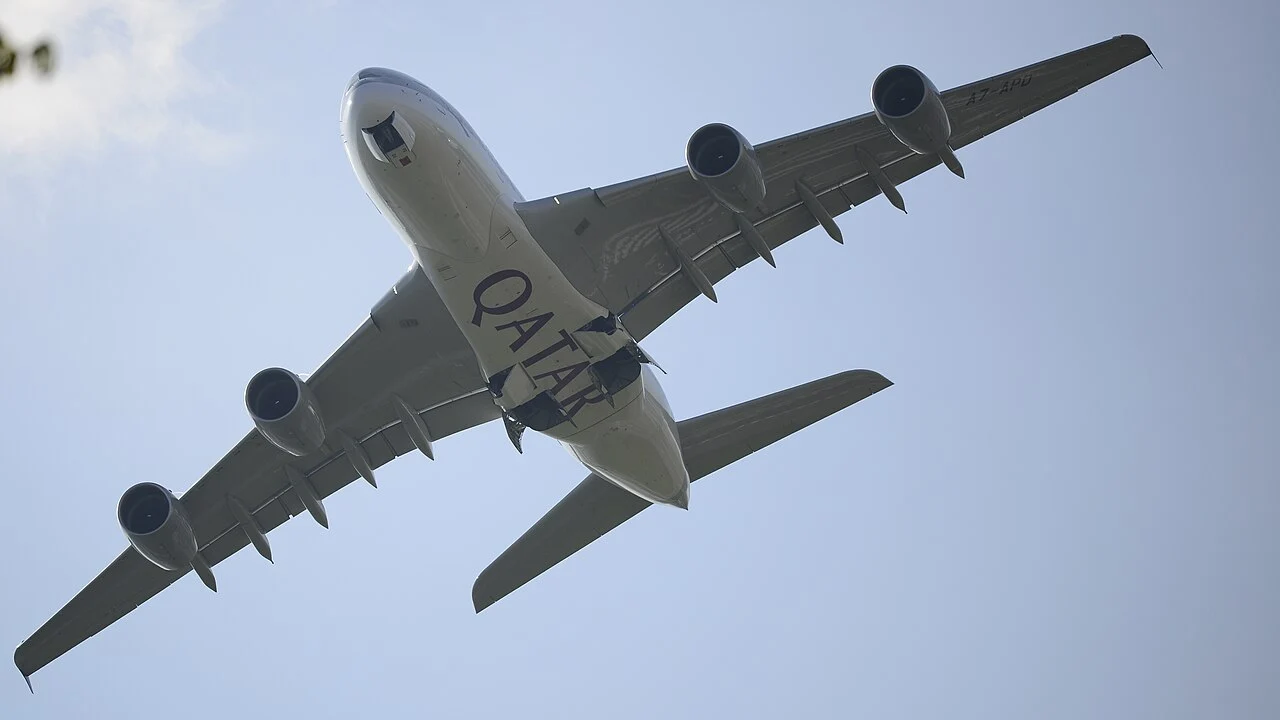
Airbus Addresses A320neo Panel Issue Impacting Production Flow
Airbus disclosed that deviations in forward fuselage panel thickness—detected during routine quality checks—prompted corrective action across affected aircraft in the Airbus A320neo family production line.
According to the company, these discrepancies had the potential to affect structural integrity, necessitating replacement work that is both time- and resource-intensive. Faury acknowledged the operational strain, stating:
“The resources which are required to replace the panel on an aircraft are quite significant… [we are] trying to find a good balance between being as fast as we can, to deliver to customers, but also managing those resources.”
He added that the remediation process is advancing steadily and that the issue should be “almost completely behind us” by the end of the first half. Airbus had set a goal of 870 aircraft for 2026- something it was noted to fall short of.
| Metric | Airbus (Overall) | A320neo Family | Boeing (Overall) | 737 MAX |
|---|---|---|---|---|
| Production → Delivery Conversion | 70.4% | 70.2% | 93.2% | 94.6% |
| Performance Insight | Significant lag | Major drag on performance | Strong efficiency | Leading contributor |
| Gap vs Ideal (~100%) | ~29.6% | ~29.8% | ~6.8% | ~5.4% |
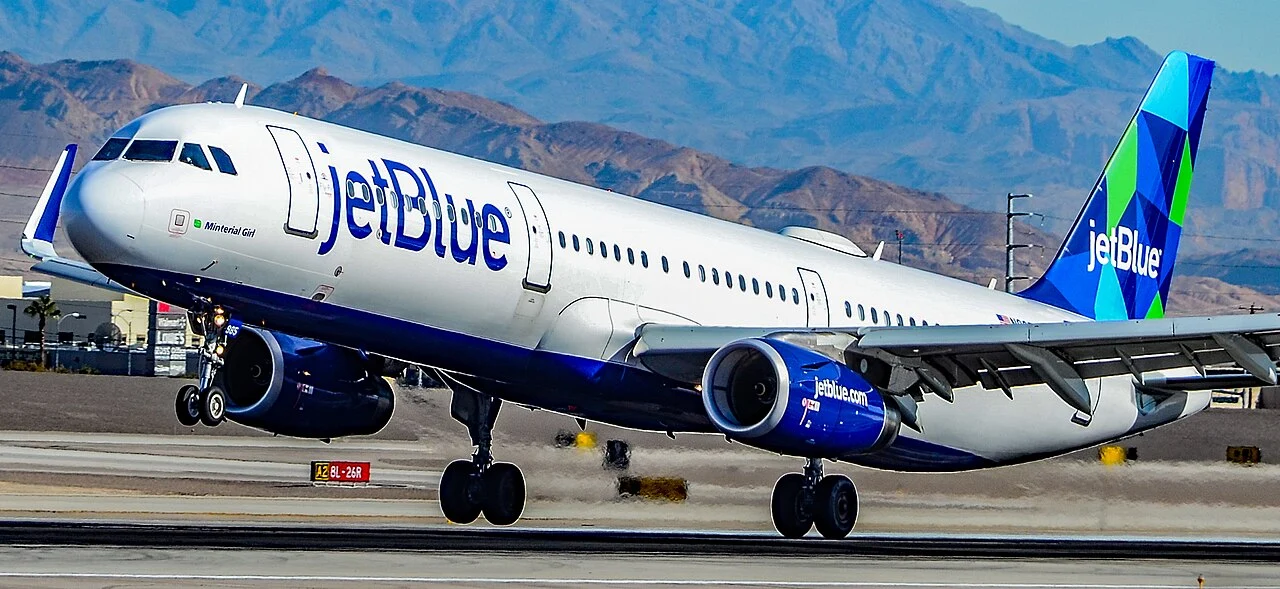
Delivery Delays to China Create Inventory Surge
A secondary disruption arose from administrative delays that prevented the delivery of nearly 20 aircraft to Chinese customers, compounding the mismatch between production output and actual deliveries.
Faury highlighted the scale of the impact, noting:
“Almost 20 [aircraft], that’s big for one quarter — especially the first quarter.”
The CEO emphasized that this inventory increase reflects continued production momentum rather than a slowdown, indicating that aircraft are being completed but not immediately handed over to customers.
Airbus’s financial disclosures show inventories rose by €5.2 billion in the first quarter, reaching €46.9 billion. The manufacturer of helicopters that landed at the top of Everest also noted that Consolidated revenues “decreased 7% year-on-year to € 12.7 billion (Q1 2025: € 13.5
billion)”:
” A total of 114 commercial aircraft were delivered (Q1 2025: 136 aircraft), comprising 19 A220s, 81 A320 Family, 3 A330s and 11 A350s. Revenues generated by Airbus’ commercial aircraft activities decreased 11% to € 8.4 billion, mainly reflecting the lower deliveries and US dollar depreciation. Airbus Helicopters’ deliveries increased to 56 units (Q1 2025: 51 units) with revenues stable at € 1.6 billion, reflecting a less favourable delivery mix. “
For the A320 Family, Pratt & Whitney continues to set the pace for production increases, influencing output plans for both 2026 and 2027. Consequently, the company still anticipates reaching a monthly production rate of around 70 to 75 aircraft by the end of 2027, with output expected to stabilise at 75 aircraft per month thereafter.
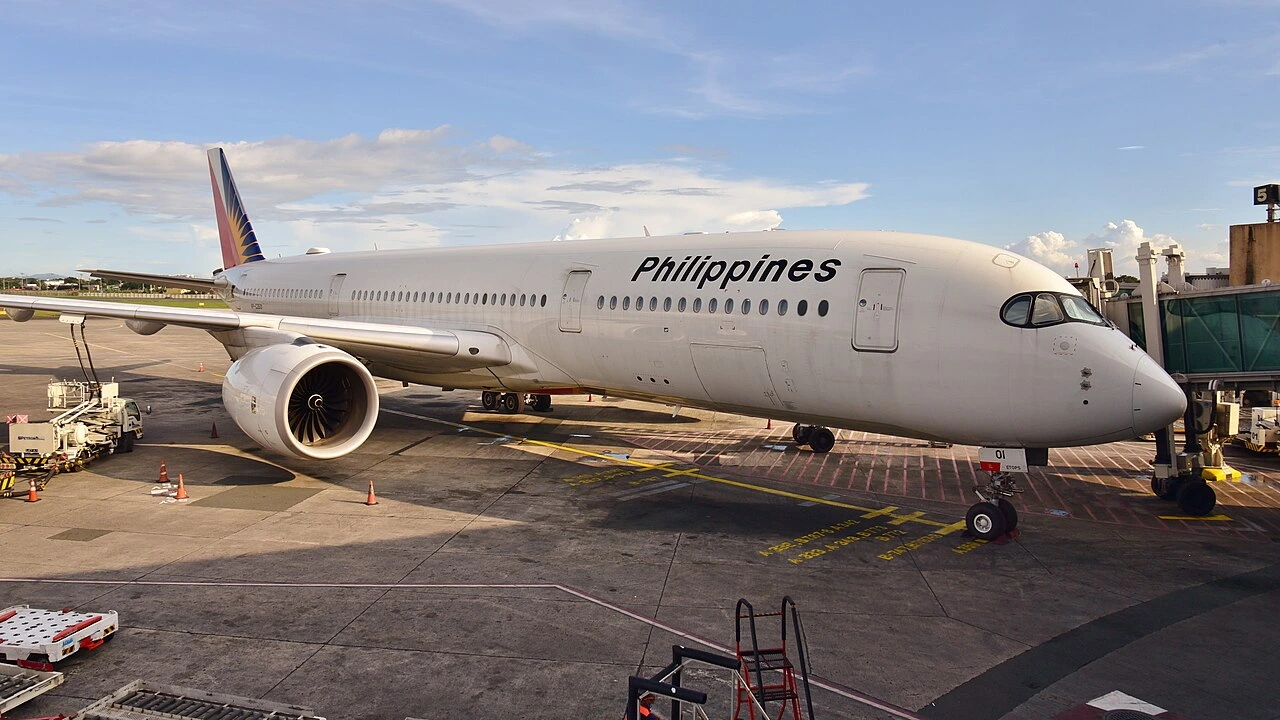
Engine Supply from Pratt & Whitney remains a critical constraint
Despite progress on structural fixes and delivery resumption, Airbus remains dependent on engine supply chains, particularly from Pratt & Whitney. Faury stated that engine deliveries for 2026 are “frozen and stable,” forming the basis for Airbus’s full-year delivery target of 870 aircraft.
“We have a number of areas of disagreements [with P&W], but the number of engines to be delivered this year is not an area of disagreement,” he said.
This suggests that while broader supplier tensions persist, Airbus retains visibility over engine availability, allowing it to plan production with a degree of certainty.
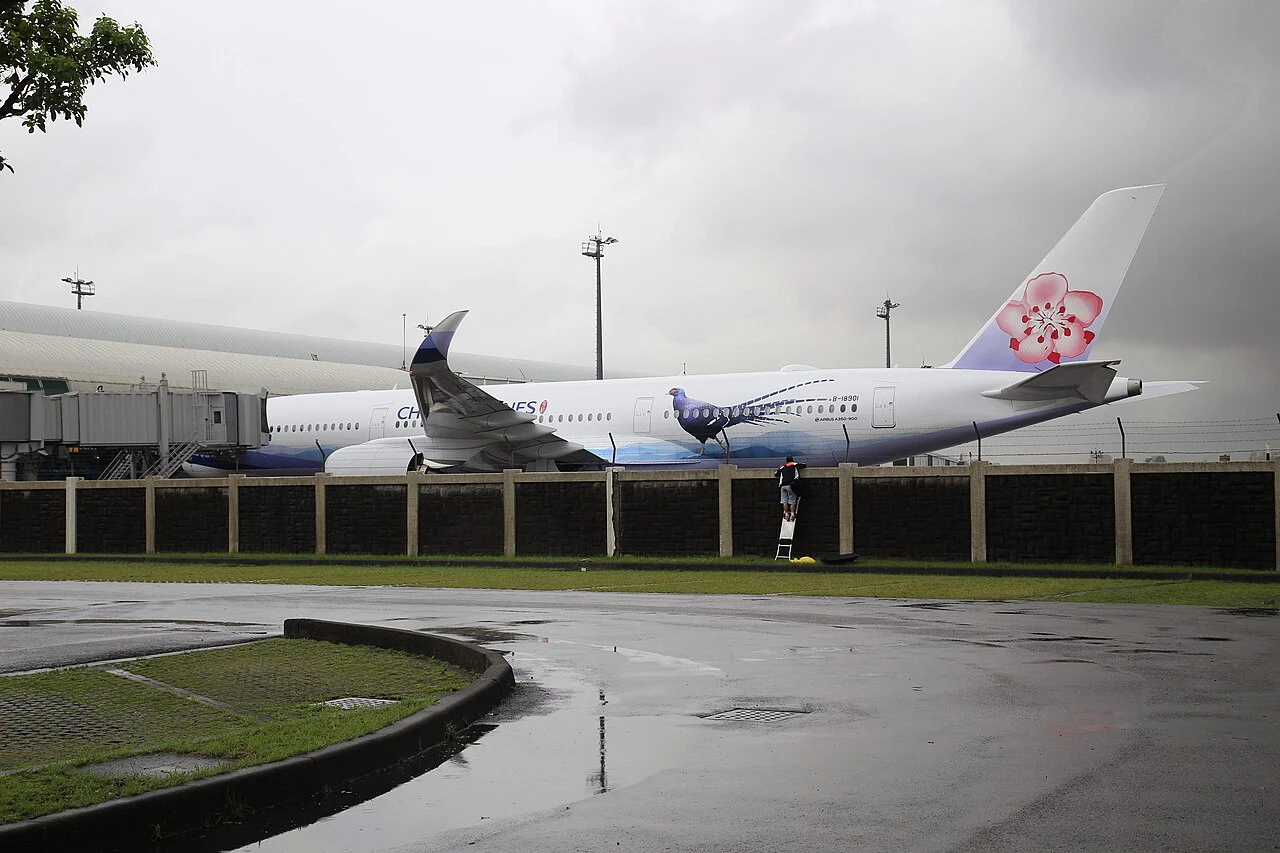
Airbus Expects Recovery by End of First Half
Airbus remains confident that it can restore alignment between production and deliveries by the end of June, assuming no new external disruptions.
“What has not been delivered in the first quarter will be delivered in the second, on top of the planned second-quarter deliveries,” Faury said.
He added that the majority of aircraft affected by the panel issue will be returned to the delivery stream, barring unforeseen geopolitical or supply-chain shocks.
The company anticipates a typical backloaded delivery pattern for 2026, but expects the current corrective measures to ease pressure in the second half of the year.
Flight Plan noted that while the largest aerospace manufacturer of Europe is currently “manufacturing aircraft at a pace that would theoretically support its annual delivery target“. However, unless deliveries accelerate meaningfully, the gap between production and actual handovers will continue to widen. This will make it difficult for the company to close the shortfall needed to meet its annual delivery target:
the ultimate outcome remains unchanged: the production-to-delivery disconnect has become the central obstacle to Airbus achieving its 2026 goals. Unless the company begins converting its mounting inventory into deliveries at a significantly faster pace, meeting the full-year target is simply not feasible.
All in All
Airbus’s efforts to “resynchronise” highlight a broader challenge facing aircraft manufacturers: maintaining equilibrium between production rates, supplier reliability, and delivery commitments.
While the company’s backlog remains strong, short-term disruptions can cascade through the system, affecting financial performance, customer relations, and operational planning. And there is the looming question of whether the war in Iran will continue and cause exacerbate the problems the aviation industry is already facing because of this.
The coming months will test Airbus’s ability to execute recovery plans while sustaining its production ramp-up in one of the most competitive periods for commercial aviation.

.jpg)

.jpg)
.jpg)
_landing_at_Davao_International_Airport.jpg)