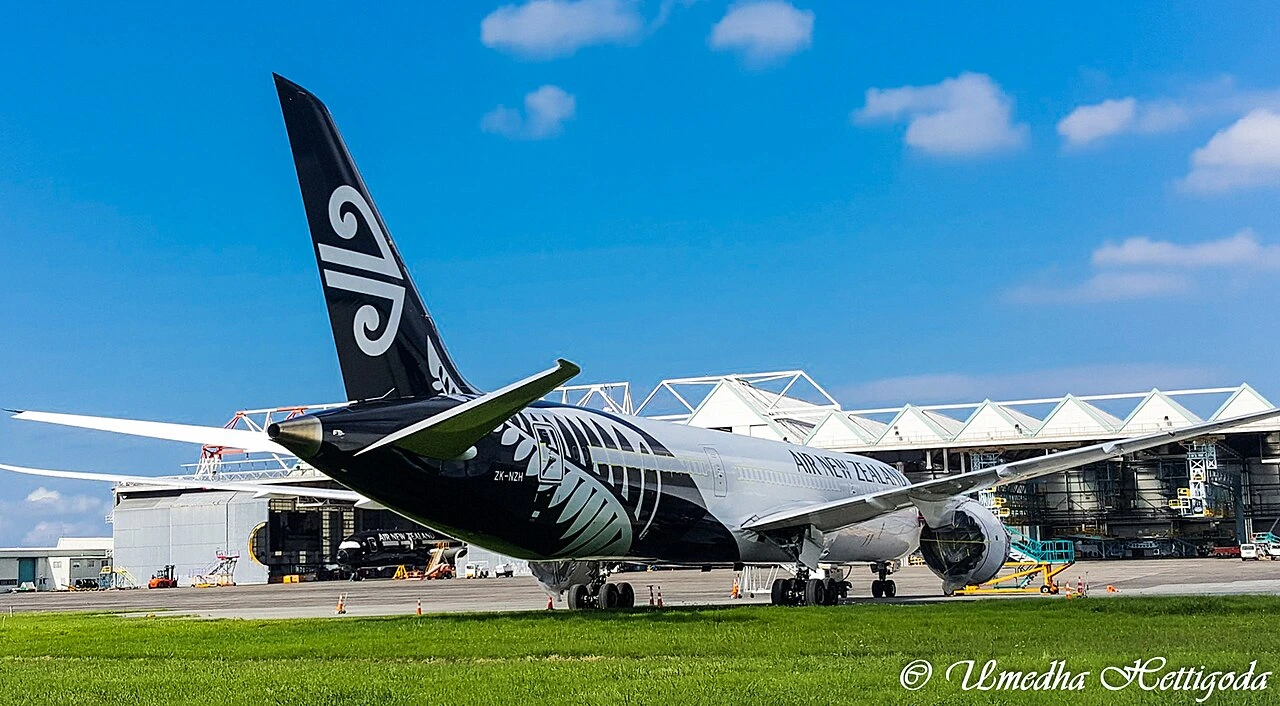
Air New Zealand (NZ) said on Tuesday, June 30, 2026, that it will ask Boeing to delay delivery of new 787 Dreamliners and will cut NZ$100 million in costs as part of a strategic reset. The plan, called Te Pae Hou, or “Our Future,” was presented to investors by chief executive Nikhil Ravishankar and outgoing chief financial officer Richard Thomson during a call held from Auckland, New Zealand, Market Screener reported. The reset is the airline’s response to mounting losses driven by grounded aircraft, high fuel costs, and weak domestic demand.
Two new 787-9 Dreamliners that were due in the financial year ending June 30, 2026, have now been pushed into the first half of fiscal 2027 because of manufacturing delays at Boeing, according to Thomson. The airline is in active talks with Boeing to reschedule further deliveries and smooth its capital spending. Air New Zealand still expects a pre-tax loss of between NZ$340 million and NZ$390 million for the year just ended, according to a statement filed with the NZX.
Why Air New Zealand is Resetting its Strategy Now
Ravishankar took over as chief executive in October 2025 after the board ordered a full company-wide strategy review. The review followed a rough first half of fiscal 2026, in which Air New Zealand posted a NZ$40 million net loss tied to engine maintenance delays, soft domestic demand, and a weaker New Zealand dollar, according to aviation analysis firm CAPA.
Chair Therese Walsh said up to eight aircraft were grounded at points during that period, and the airline received NZD55 million in compensation while losing an estimated NZD90 million in earnings, CAPA reported.
Most of the grounded jets were sidelined by ongoing issues with their Rolls-Royce or Pratt & Whitney engines, problems that have dogged the airline since 2023. The last of the grounded aircraft returned to service from Alice Springs this week, according to 1News.
What the Three Priorities Actually Cover
Air New Zealand built its reset around three stated priorities, according to the NZX filing. The airline framed each one around a specific operational or financial goal.
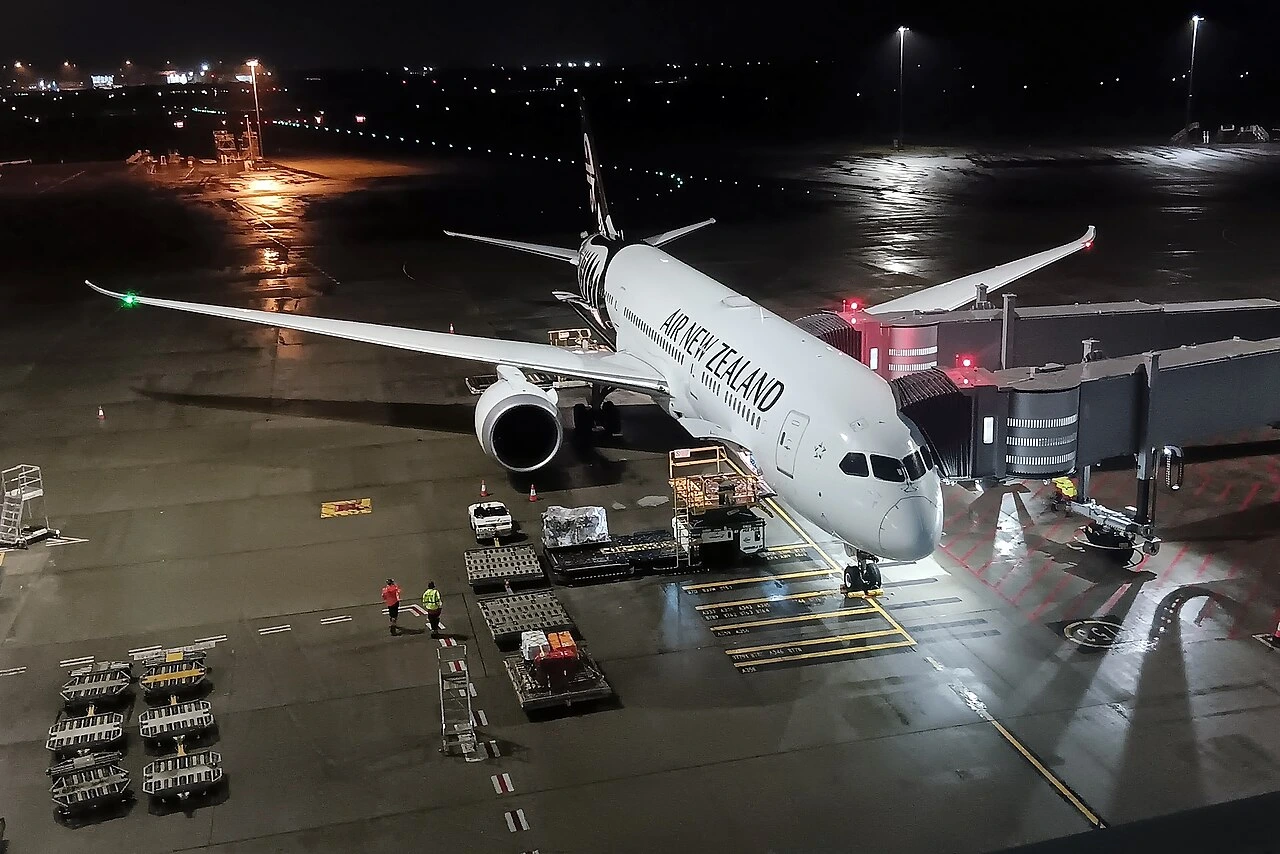
- Customer first: the airline wants “top-tier reliability and punctuality” and aims to rank among the five most on-time carriers in the world. May was cited as evidence of early progress, with 89.9% of flights running on time and cancellations below 1%, per 1News.
- Targeted growth: the airline is building its presence in larger, more resilient markets, including new Christchurch routes to Tokyo, Singapore, and Perth, while shifting resources toward its highest-return segments.
- Resilient and future fit: the carrier is targeting roughly NZ$100 million in annualised cost savings starting in fiscal 2027, alongside tighter capital discipline and a reprofiled aircraft delivery schedule.
The ambition behind the plan, as stated in the NZX announcement, is for Air New Zealand to become “the world’s most respected airline.”
The Fuel Cost Problem Behind the Numbers
Elevated and volatile fuel prices, worsened by the Iran conflict, have weighed heavily on Air New Zealand’s outlook this year. CEO Ravishankar said high fuel prices, and “particularly an unusual spike in refining margins due to the Iran conflict,” have added further volatility and uncertainty to the airline’s outlook. The comment reflects a wider pattern across the aviation sector, where Middle East-linked disruption has pushed up both crude prices and refining costs.
Thomson said the airline had started hedging its exposure to refining margins, a practice he described as rare among airlines before the conflict began. Air New Zealand is 76% hedged on Brent crude in the high $70s per barrel for the first half of the new fiscal year, and 20% hedged on refining margins at $35 to $40 a barrel, he said. The airline has already imposed two rounds of fare increases this year to offset rising input costs.
Fleet and Capital Spending Changes
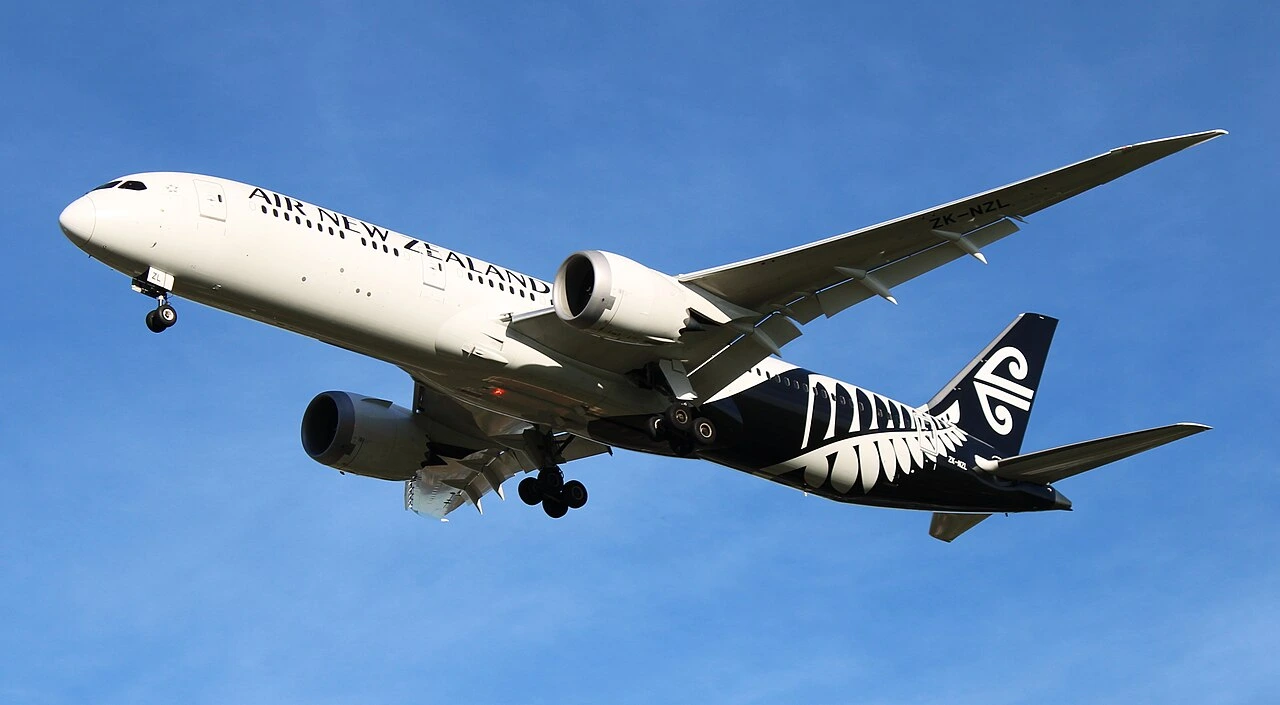
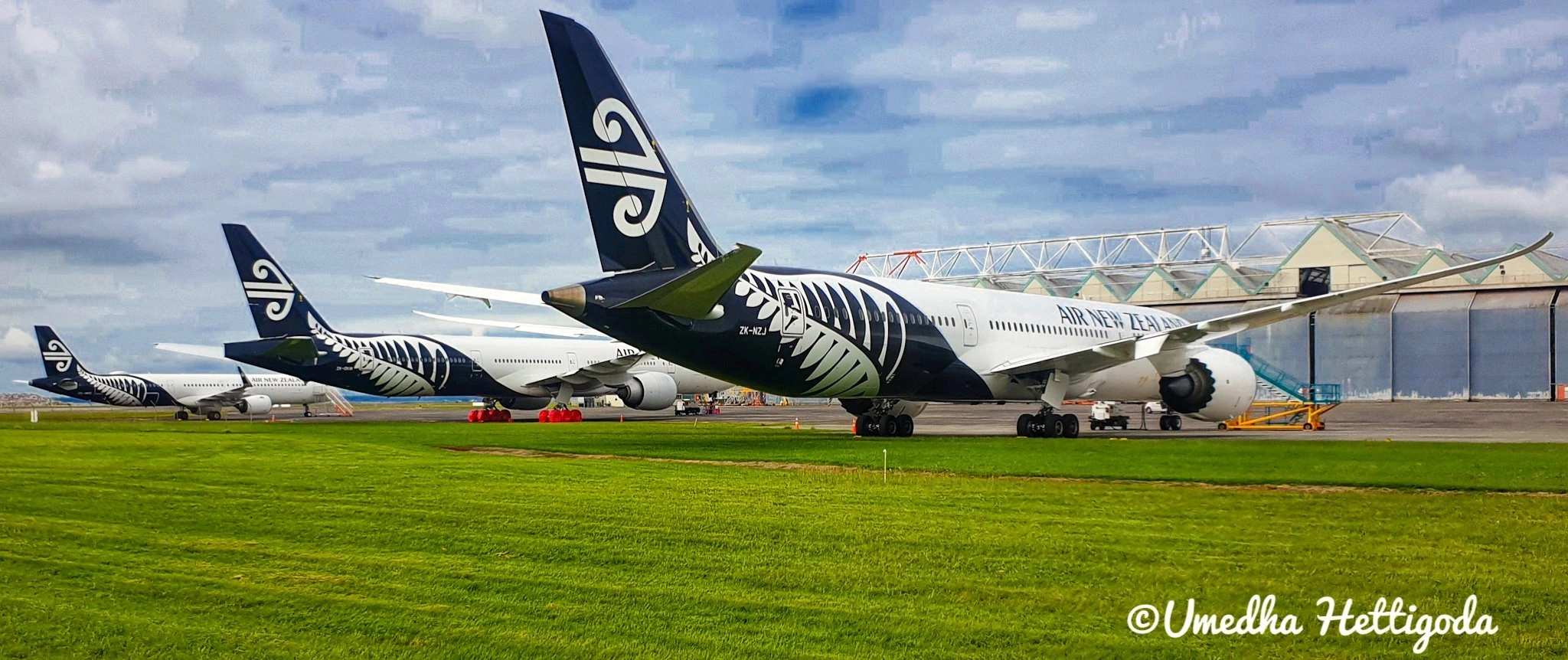
The delayed Dreamliners sit at the centre of Air New Zealand’s capital expenditure problem. The airline has 10 Boeing 787s on order, and the timing of those deliveries had made its capital spending profile too heavy for the financial year starting July 1, Thomson said on the investor call. Boeing said it deferred to Air New Zealand on the matter and declined further comment.
The airline’s near-term fleet picture has improved in one respect. No 787s remained grounded by the time of the announcement, down from a peak of five, while two Airbus A320/A321neo narrowbody aircraft were still out of service, down from a peak of six, according to the New Zealand Herald. Capital expenditure on new aircraft, including contracted 787 and A321neo deliveries, is still expected to peak in the coming financial year, even after the reprofiling.
Air New Zealand Premium Tourists and the Route Network
A central plank of the targeted growth priority is a shift toward inbound premium travellers. Ravishankar said the airline would pivot to targeting long-haul visitors who choose New Zealand as a “bucket list” destination and value a “calm, distinctively Kiwi experience,” according to 1News. Those visitors would then connect onward through the airline’s domestic and regional networks.
The strategy has not been free of trade-offs. Official Information Act data released to the New Zealand Herald showed the airline cut 234 return flights across Auckland’s regional and trunk routes, 49 return flights on short-haul international routes, and 12 long-haul international flights over a recent four-week period. Ravishankar has defended the new long-haul additions despite these cuts, telling RNZ in May that the consolidation elsewhere was about fuel conservation rather than network retreat, since the goal was to avoid burning fuel on flights with depressed demand.
The airline is also targeting domestic business travellers it calls “road warriors.” These customers take an average of four to five trips a year, make up 17% of passengers, but contribute more than 35% of regional revenue, according to 1News.
Air New Zealand confirmed alongside the strategy announcement that Thomson, who has served as chief financial officer since 2021, will be replaced by Kris Cudmore, an internal infrastructure, planning, and commercial executive, effective August 3. The leadership change follows a broader executive reshuffle under Ravishankar, who previously served as the airline’s chief digital officer before becoming CEO.
Earlier reporting from BusinessDesk-linked coverage noted that Ravishankar’s moves to date suggest a heavier focus on cost control, route-by-route profitability, fleet renewal, and the airline’s digital customer experience. When asked whether Air New Zealand could return to a pre-tax profit in fiscal 2027, Thomson called it “a transitional year” rather than committing to a firm profit target.
All in All
Air New Zealand’s FY26 loss guidance of NZ$340 million to NZ$390 million before tax remains unchanged following Tuesday’s announcement.
The carrier’s near-term priorities now centre on finalising a revised 787 delivery schedule with Boeing, executing the NZ$100 million cost programme starting in fiscal 2027, and converting its premium tourism pivot into measurable revenue.
Thomson pointed to the wind-down of costs tied to grounded aircraft as the clearest signal of recovery progress to watch, rather than offering a specific profit date.

.jpg)

.jpg)
.jpg)
.jpg)
.jpg)
