India’s aviation safety watchdog is preparing to send officials to Seattle to observe Boeing’s controlled laboratory examination of a fuel-control switch panel extracted from an Air India (AI) Boeing 787 Dreamliner, according to documents reviewed by Reuters. The testing, which Indian regulators have characterised as “sensitive in nature” directly concerns the same class of fuel-control switches that investigators found had shut off nearly simultaneously aboard Air India Flight AI171 — a Boeing 787-8 that crashed 32 seconds after liftoff from Sardar Vallabhbhai Patel International Airport (AMD), Ahmedabad, on 12 June 2025, killing 260 people and becoming the deadliest aviation disaster of the decade and one of the deadliest in India.
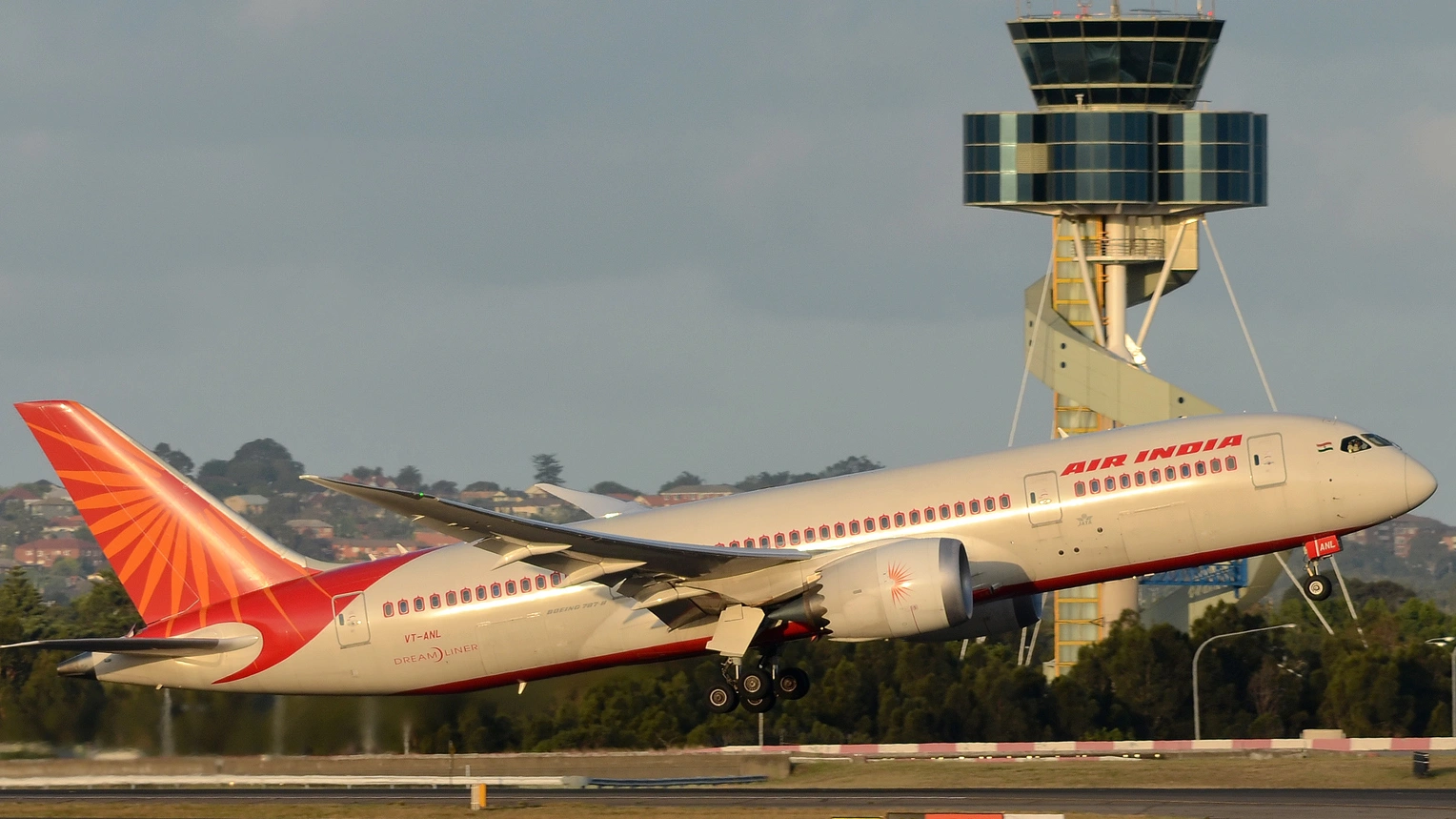
The switch panel in question was removed from a Boeing 787-8 registered VT-ANX, after the crew of Air India Flight AI132 — operating from London Heathrow Airport (LHR) to Kempegowda International Airport (BLR), Bengaluru — flagged a possible defect during engine start-up on 1 February 2026. India’s Directorate General of Civil Aviation (DGCA) publicly cleared the unit as “satisfactory” at the time, but the decision to proceed with deeper forensic testing at Boeing’s own facility elevates the regulatory stakes considerably, with the Aircraft Accident Investigation Bureau (AAIB) expected to release its final report into the Ahmedabad crash as early as next month.
The February Incident: What Happened Aboard Flight AI132 At Heathrow
During pre-departure engine start at London Heathrow on 1 February 2026, the flight crew of AI132 observed that the left-engine fuel control switch did not remain securely latched in the “RUN” position when light downward vertical pressure was applied. The switch slipped toward “CUTOFF” on the first two attempts before stabilising correctly on a third try. The crew conducted a physical verification, confirmed the switch was fully latched, and proceeded with the roughly nine-hour-45-minute flight to Bengaluru.
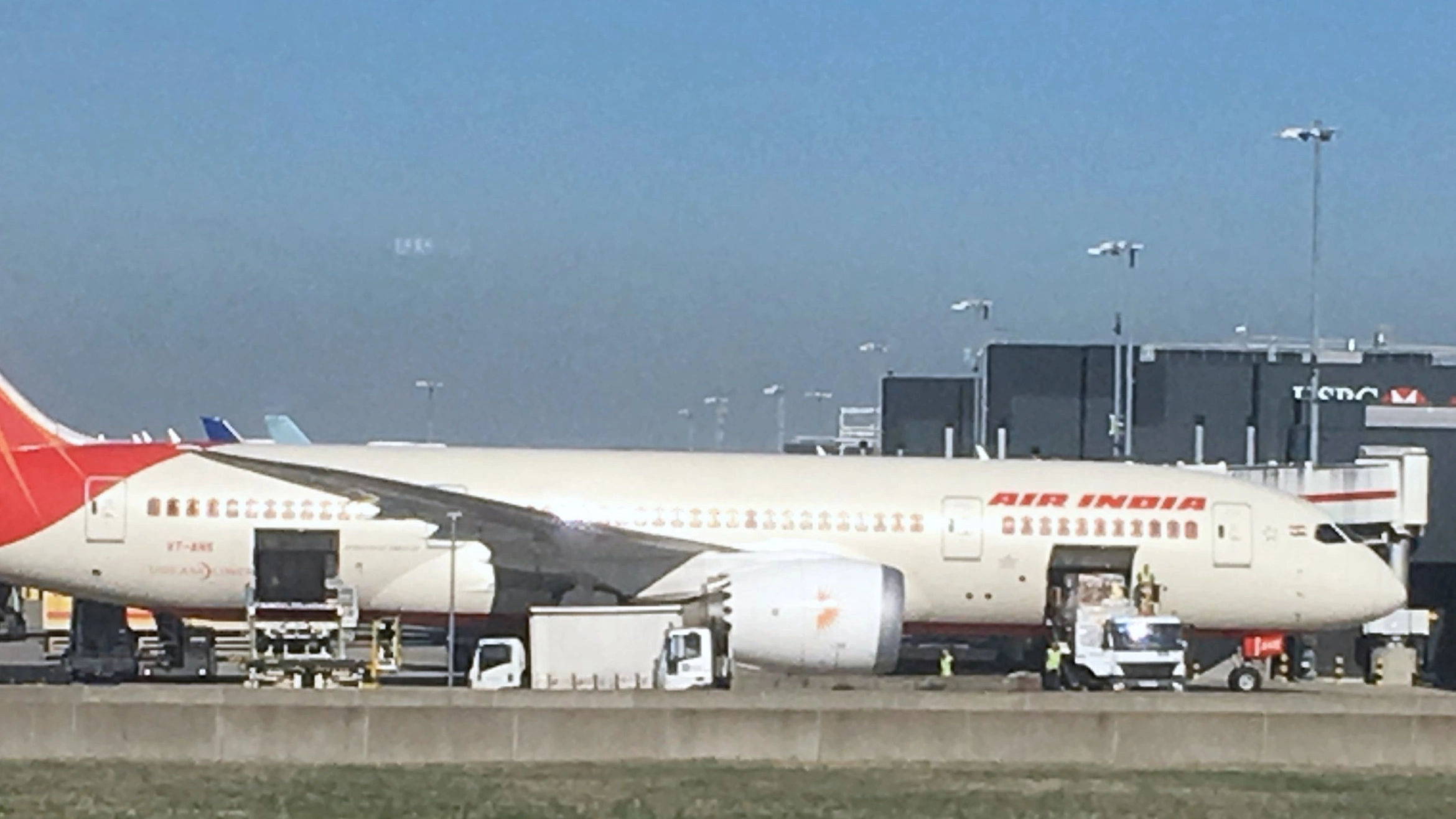
The aircraft, registered VT-ANX, landed safely at BLR on 2 February 2026, at which point the airline grounded the Dreamliner as a precaution and informed the DGCA. In a public statement, Air India confirmed awareness of the pilot’s report and said the original equipment manufacturer (Boeing) was engaged on a priority basis to investigate the pilot’s concerns. The DGCA subsequently carried out inspections using Boeing’s recommended pull-to-unlock procedure and declared that the fuel control switch lock mechanism met design specifications.
The DGCA also reviewed a video circulating on social media purporting to demonstrate the issue, concluding that the technique shown did not follow Boeing’s recommended operating method and was therefore incorrect. Following its inspection, the regulator directed Air India to circulate Boeing’s recommended operating procedure for the fuel cut-off switch to all flight crew members. The DGCA said at the time the matter did not indicate a systemic safety issue.
Why The DGCA Called the Matter “Sensitive”?
Despite the initial clearance, the DGCA moved to mandate its own attendance at any further examination of the removed module at Boeing’s premises in Seattle, Washington. In a March 9 email reviewed by Reuters, Manish Kumar, a DGCA deputy director of airworthiness, wrote:
“As the matter is sensitive in nature, Air India is hereby directed to ensure that the strip/test examination at OEM’s (Boeing) premises is carried out in the presence of a DGCA officer.”
The email did not elaborate on what specifically rendered the matter sensitive.
Air India’s own statement to Reuters acknowledges that Boeing and the DGCA had already confirmed the module as “fully functional,” but says the decision to proceed with additional testing is “understood to be intended to ensure a thorough and conclusive evaluation as a measure of abundant caution.”
The airline added that the testing “involves examination in a controlled laboratory environment to definitively confirm its performance and integrity.” Air India is owned by the Tata Group and Singapore Airlines following its privatisation from the Indian government.
Neither the DGCA nor Boeing responded to Reuters’ queries on the matter as of the time of publication. The regulator’s insistence on direct observation at Boeing’s facility is notable, since while it is not unusual for manufacturers to perform component analyses for airline customers, regulators seldom attend such sessions unless a safety concern of broader significance is suspected. The DGCA, the Kumar, and Boeing did not respond to Reuters’ queries.

UK CAA’s Parallel Inquiry on Departure Clearance At Heathrow
India’s DGCA was not the only authority to scrutinise the AI132 incident. The United Kingdom’s Civil Aviation Authority (CAA) launched its own inquiry into Air India after reports emerged that the Boeing 787 had departed Heathrow despite the fuel control switch anomaly being identified before departure.
In a formal letter issued to the airline on 3 February 2026, the CAA expressed “serious concern” and gave Air India a one-week deadline to provide a comprehensive explanation of the circumstances surrounding the flight. The CAA warned that failure to provide a satisfactory response could lead to regulatory action against Air India’s UK operations.
The CAA asked Air India for a detailed account of all maintenance actions performed to ensure the aircraft’s continued airworthiness, as well as a comprehensive root-cause analysis and a preventative action plan. Air India told the CAA that the unit was found serviceable, but the UK authority continued its review regardless. In a statement to Reuters, the CAA confirmed that its review of the incident remains ongoing and that it “is closely monitoring Air India’s adherence to its processes.”
A central question the CAA sought to answer was why the airline decided to embark on a nine-hour passenger flight to India after the switch failed to stay in position during the first two attempts.

Why Fuel Switches Matter So Much in the Investigation of AI 171
The scrutiny of AI132’s fuel control switch is inseparable from the ongoing investigation into Air India Flight AI171. On 12 June 2025, the Boeing 787-8 Dreamliner registered VT-ANB, operating as AI171 from AMD to London Gatwick Airport (LGW), crashed into the hostel block of B.J. Medical College just 32 seconds after liftoff, killing 241 of the 242 people aboard and 19 on the ground. The crash was the first fatal hull loss involving the Boeing 787 family since the aircraft entered service in 2011.
The AAIB’s preliminary report, released in July 2025, found that both engine fuel control switches transitioned from “RUN” to “CUTOFF” nearly simultaneously, just seconds after liftoff, starving both GE GEnx-1B engines of fuel. The report noted that the maximum recorded airspeed of 180 knots was achieved before the fuel cutoff, and that Engine 1 and Engine 2 switches transitioned one after the other within a gap of one second. No airworthiness directives were issued against the Boeing 787-8 or its engines, and the preliminary findings stopped short of assigning a definitive cause.
The US Federal Aviation Administration (FAA), which regulates Boeing aircraft, has said the crash does not appear to have been caused by a mechanical issue. Recorded cockpit dialogue suggested to some US officials that the captain moved the fuel switches while the first officer was flying the aircraft — an assessment strongly contested by Indian pilot unions. The Federation of Indian Pilots (FIP) submitted a formal technical hypothesis to India’s Ministry of Civil Aviation and the AAIB in May 2026, proposing that a pre-liftoff electrical anomaly — not deliberate cockpit action — may have triggered the unintended fuel cutoff. The FIP urged independent technical analysis by IIT Bombay, the Aeronautical Development Agency, and Hindustan Aeronautics Limited before the final report is published.

Boeing’s Response: A Service Bulletin but No New Guidance
After the AI132 incident in February 2026, Boeing did not remain entirely silent. The manufacturer issued a service bulletin to all 787 operators reminding them of existing procedures for the fuel-control switches, but it did not issue any new operational guidance or airworthiness directives. The service bulletin was framed as a reminder rather than a corrective action, a distinction that regulators and analysts have noted carefully given the ongoing AI171 investigation.
This approach mirrors Boeing’s posture following the preliminary AAIB report. Boeing CEO Kelly Ortberg cancelled his plans to attend the Paris Air Show in 2025 and offered condolences to the victims of AI171, dispatching a team of experts to the crash site to assist investigators.
Boeing’s share price fell nearly 9% in pre-market trading following the crash before recovering over 13% in just over a month, partly buoyed by the AAIB and FAA’s joint conclusion that a flaw in the fuel switch design was unlikely to have caused the crash. The upcoming laboratory testing in Seattle may put further pressure on the manufacturer to provide more definitive answers about the component’s performance integrity.
Air India Under Layered Regulatory and Commercial Pressure
The fuel-switch testing in Seattle is not the only front on which Air India faces institutional scrutiny. The AI132 and AI171 incidents sit within a broader pattern of safety and operational challenges that have accumulated since the Ahmedabad disaster. In October 2025, an Air India Boeing 787-8 operating as Flight AI117 from Amritsar to Birmingham Airport (BHX) experienced an uncommanded deployment of its Ram Air Turbine (RAT) at approximately 400 feet on final approach, prompting a formal DGCA investigation. The aircraft landed safely with no reported injuries, but the incident added to an already strained safety narrative surrounding Air India’s widebody fleet.
Commercially, the airline has confronted severe headwinds. Air India reportedly recorded losses of approximately $2.4 billion for the fiscal year ending March 2026, making it the largest loss-making entity within the Tata Group portfolio. CEO Campbell Wilson, who had been appointed in 2022 with a mandate to execute a five-year transformation plan, resigned amid mounting regulatory and financial pressure, with government officials reportedly bypassing him in favour of dealing directly with Tata Group’s senior leadership in the aftermath of the crash.
Multiple senior officials at the airline, including Wilson, received show-cause notices from the DGCA for alleged non-compliance, including an instance of the airline operating an aircraft with an expired licence.
Despite these challenges, Air India has pressed forward with one of the aviation industry’s most ambitious fleet renewal programmes, placing orders for Airbus A350s, A320neo-family aircraft, Boeing 737 MAX jets, and additional 787 Dreamliners. In January 2026, the airline formalised a long-term agreement with Boeing Global Services to integrate its Component Services Program across its entire 787 fleet, including in-service aircraft and those on order.
The deal was announced at the Wings India 2026 aviation event in Hyderabad, underscoring the commercial relationship between the two entities even as regulatory tensions over the same aircraft type intensify.

What The Final AAIB Report Could Determine
Under international norms established by the International Civil Aviation Organisation (ICAO), the AAIB’s final report into AI171 is due within 12 months of the accident — meaning a deadline in June 2026. If the bureau cannot meet that timeline, an interim update is required. The proximity of this deadline lends considerable urgency to the DGCA’s decision to supervise Boeing’s testing in Seattle. Any findings from the laboratory examination could feed directly into the investigators’ final conclusions.
Families of the 260 victims have written to Prime Minister Narendra Modi and to both the DGCA and the AAIB, demanding access to Cockpit Voice Recorder and Flight Data Recorder information. Legal advocates representing the families have noted that accountability — whether under Indian domestic law, the Montreal Convention, or the US legal system if Boeing is implicated — depends entirely on the completeness and transparency of the final investigative record.
The laboratory examination of the fuel-control module in Seattle will form one piece of that record, and India’s insistence on institutional representation during the process signals that New Delhi intends to remain an active, rather than passive, participant in determining the truth.
The AAIB continues to conduct forensic analysis supported by investigative teams from the US NTSB, the FAA, Boeing, General Electric, and representatives from the United Kingdom, Portugal, and Canada. No specific actions or directives have been recommended for operators of the Boeing 787-8 or the GE GEnx-1B engines, nor for their manufacturers, as of the preliminary report. The Seattle tests may be among the last major technical examinations before the AAIB closes its evidentiary record and commits to a final causal determination.