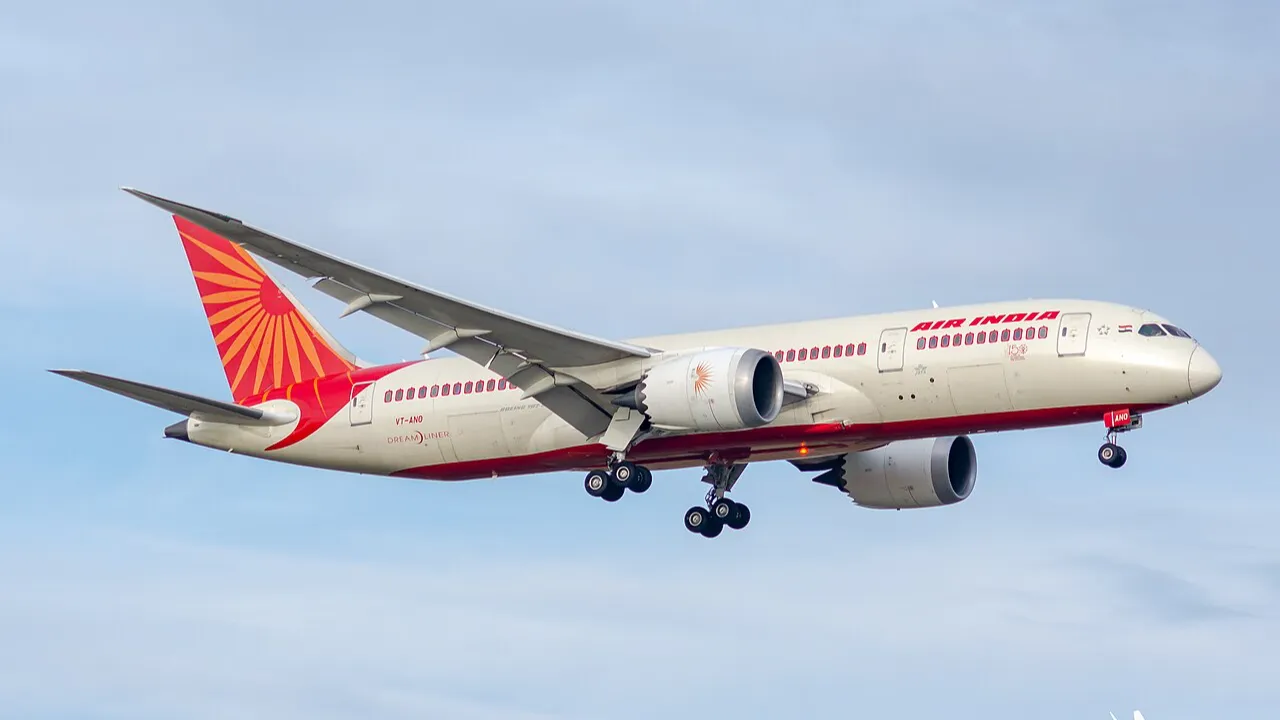
Air India Ltd. has initiated a precautionary fleet-wide inspection of fuel control switches on its Boeing 787 Dreamliner aircraft after a pilot reported a potential defect on one aircraft following a long-haul flight from London Heathrow Airport (LHR), UK to Kempegowda International Airport (BLR), Bengaluru, India on February 1, 2026. The affected airplane, a Boeing 787-8 Dreamliner registered VT-ANX, was promptly grounded upon landing and removed from service pending detailed evaluation.
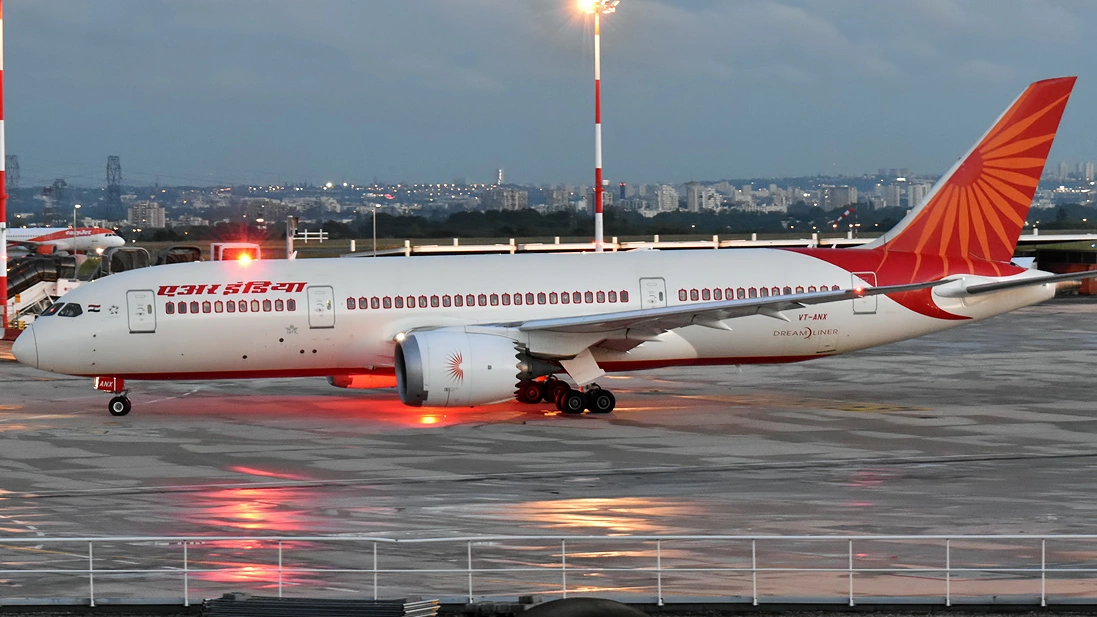
The move follows heightened industry attention on Boeing 787 fuel system components since a fatal Air India accident near Sardar Vallabhbhai Patel International Airport (AMD), Ahmedabad, on June 12, 2025, in which both engines lost thrust as fuel control switches transitioned from RUN to CUTOFF, resulting in 260 fatalities. That crash threaded fuel switch functionality into the forefront of global aviation safety concerns.
Fuel control switch reported defect on Air India Boeing 787
Air India’s senior vice president for flight operations, Manish Uppal, also informed Boeing 787 pilots that the airline’s engineering team had escalated the fuel control switch issue to Boeing for priority assessment. As a precaution, Air India began a fleet-wide re-inspection of the fuel control switch latches to verify their proper operation.
Uppal said no adverse findings had been reported on the aircraft inspected so far. He also reminded flight crews to report operational defects promptly and ensure that all required corrective actions were completed before accepting an aircraft for service.
What the Defect Report Entailed
-
The issue was documented after engine start during post-flight inspection; the left engine fuel control switch reportedly failed to remain latched in ‘RUN’ and moved toward ‘CUTOFF’ on two separate attempts.
-
Pilots ensured the switch was positively latched before completing the flight to Bengaluru without abnormal engine indications.
-
The airline informed India’s Directorate General of Civil Aviation (DGCA) and Boeing.
Fuel control switches regulate fuel flow to aircraft engines and have two principal positions: RUN (normal fuel flow for engine operation) and CUTOFF (fuel supply ceased to engine). These switches are spring-loaded and require a deliberate, lift-then-move action to minimise inadvertent activation.
Regulatory Response: DGCA Evaluations and Comments
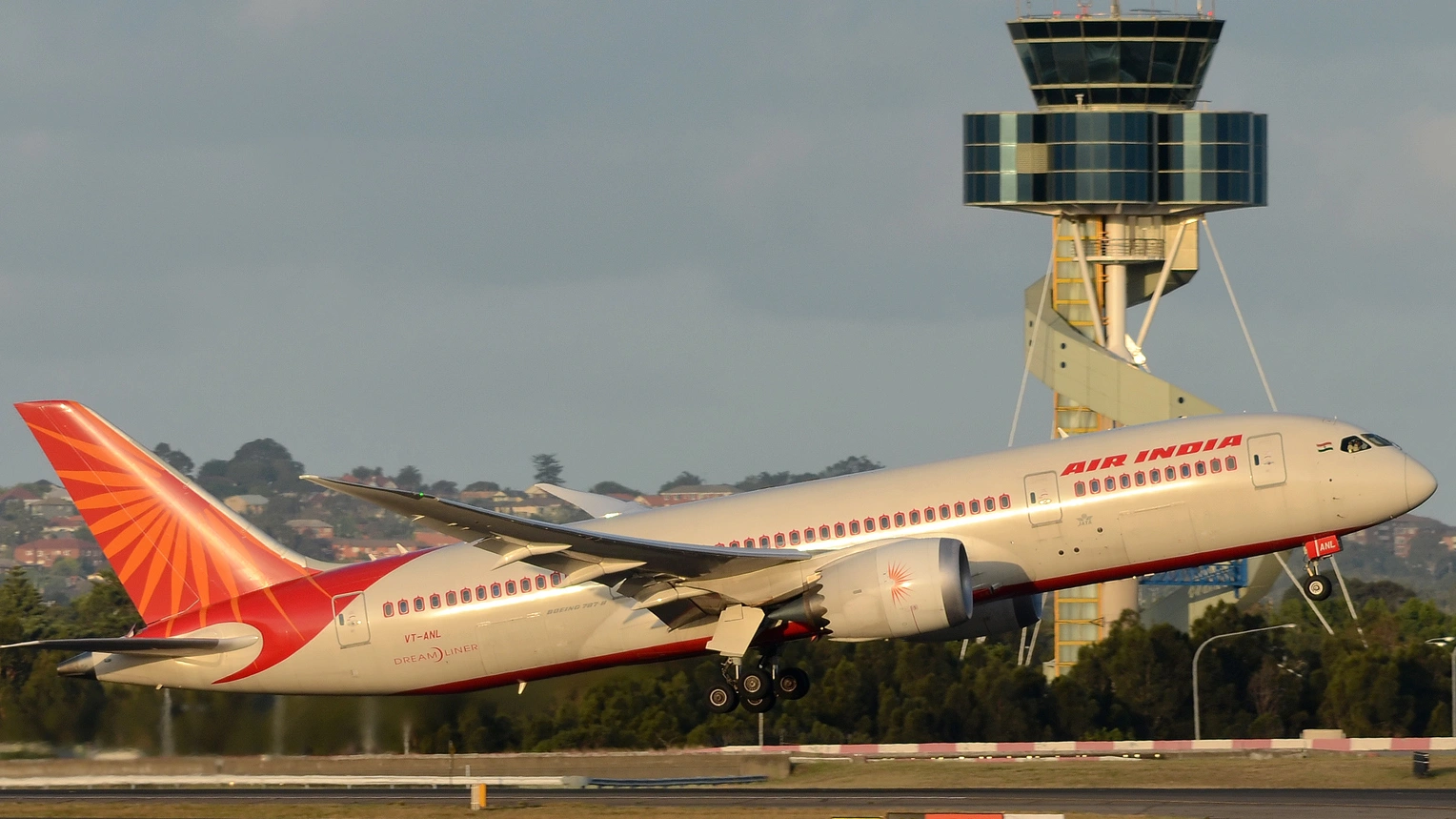
The DGCA has reviewed the grounded airplane’s switches and reported that both fuel control switches were found to be “within safety norms,” with locking mechanisms aligning with Boeing’s prescribed standards when tested correctly.
The regulator also clarified that no abnormal engine parameters or warnings were recorded during engine start or flight operations and urged crews to observe manufacturer-recommended handling procedures.
The Directorate General of Civil Aviation (DGCA) said the anomaly was first observed during engine start procedures at London, reported The Financial Express.
“During engine start in London, on two occasions crew observed that the fuel control switch did not remain positively latched in the ‘RUN’ position when light vertical pressure was applied. On the third attempt, the switch latched correctly in ‘RUN’ and subsequently remained stable,”

DGCA also the observation was formally communicated within the cockpit, after which:
- flight crew maintained heightened surveillance of engine parameters
- associated alerting systems for the duration of the sector
As a precaution, further handling of the fuel control switch was deliberately minimized.
The anomaly was documented by the crew upon arrival in Bengaluru, prompting Air India to escalate the matter to Boeing for technical direction. The DGCA added that the carrier has been advised to disseminate Boeing’s recommended procedures for fuel cut-off switch operation across its pilot workforce.
What did Air India Say About the Matter?
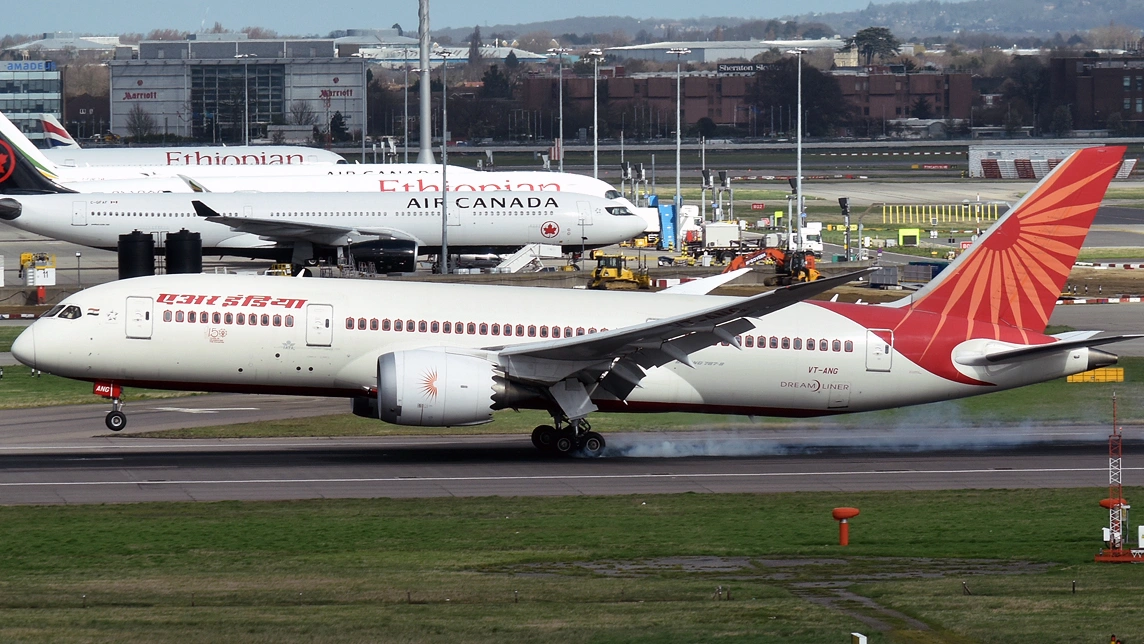
Air India said the issue came to light after a pilot reported a potential irregularity involving a fuel control switch on one of its Boeing 787-8 aircraft. The airline subsequently grounded the aircraft as a precaution and notified Boeing and the relevant regulator so the pilot’s concerns could be investigated on a priority basis.
The airline also said it had previously inspected the fuel control switches across its Boeing 787 fleet in accordance with a directive from India’s Directorate General of Civil Aviation (DGCA), with no issues identified during those checks. Air India reiterated that passenger and crew safety remained its highest priority.


.jpg)
_(51811148072).jpg)

.jpg)
