A federal jury in Chicago awarded $29 million in damages on Wednesday to the family of Michael “Mick” Ryan, an Irish-born United Nations employee who died in a 2019 Boeing 737 MAX crash, CP24 reported. The civil suit was brought by his widow, Naoise Connolly Ryan, and the couple’s two children were also named beneficiaries of the award.
Ryan, 39, worked as an engineer for the UN World Food Programme and was among the 157 people killed when Ethiopian Airlines (ET) Flight 302 crashed six minutes after departing Addis Ababa Bole International Airport (ADD) in March 2019. The trial ran for roughly ten days in the U.S. District Court for the Northern District of Illinois and closes out one of the final individual damages cases stemming from two fatal Boeing 737 MAX crashes.
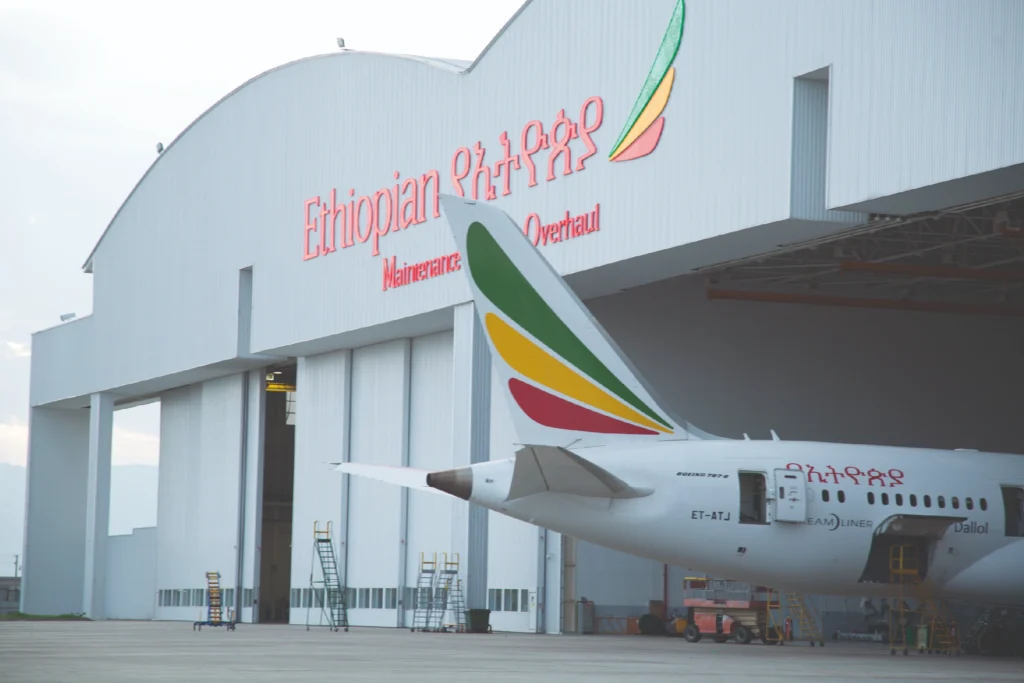
Chicago Jury Delivers the Verdict After a Ten-day Trial
Ryan’s attorney, Steven Marks, had said his client was committed to seeking accountability through a jury rather than accepting a private settlement from Boeing. Most of the roughly 350 lawsuits filed after the two MAX crashes have been resolved out of court under undisclosed terms.
Ryan’s career took him through some of the world’s toughest postings. He worked during the Ebola crisis in Liberia and supported Rohingya refugees, and a UN memorial page also recognised assignments in Afghanistan, Sri Lanka, Nepal and Ethiopia. Boeing has apologised for the crashes and acknowledged that its anti-stall software played a role in both accidents, but the company did not immediately respond to a request for comment on the Ryan verdict.
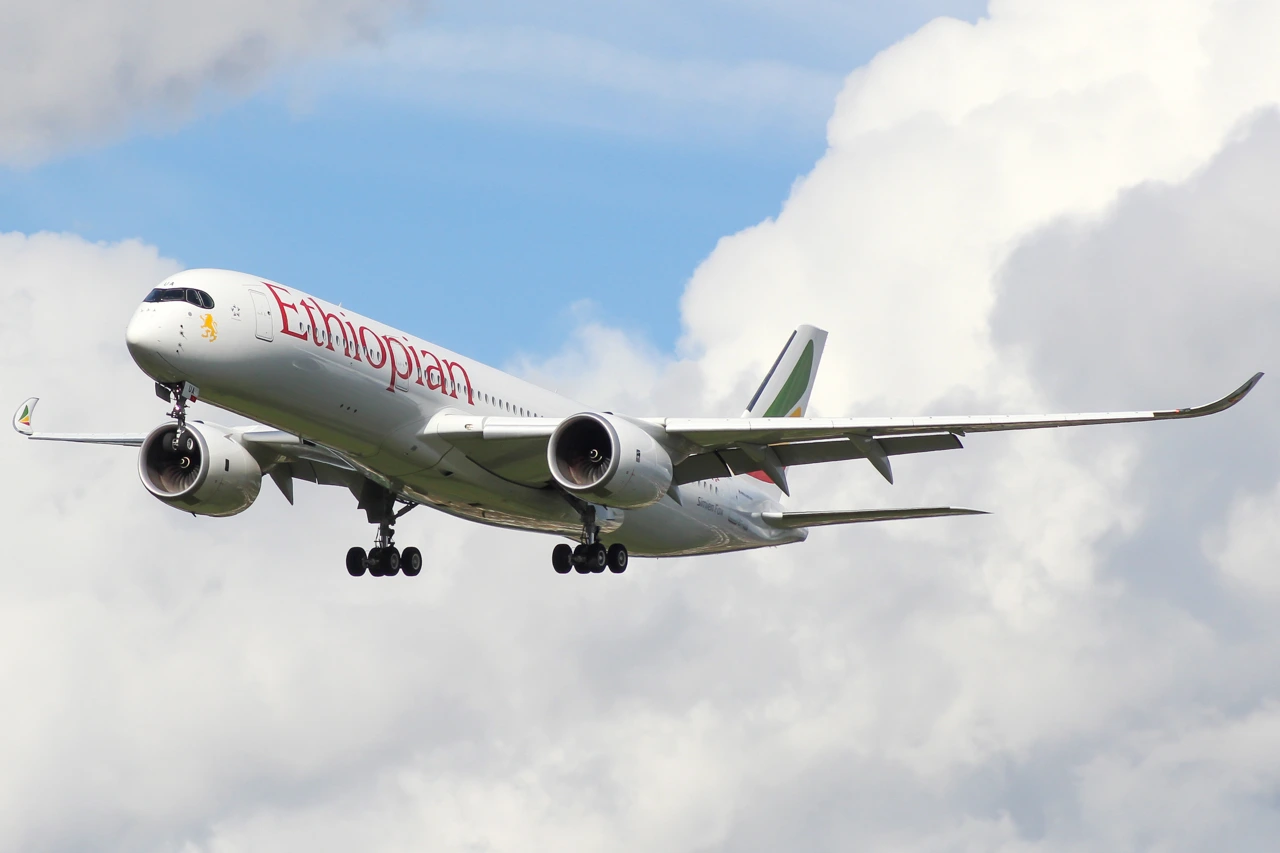
Third Jury Award in the Mounting 737 MAX Litigation
The Ryan verdict is the third jury award to emerge from the two crashes. In May 2026, a Chicago jury awarded $49.5 million to the family of Samya Stumo, a 24-year-old American killed on the same Ethiopian Airlines flight. Jurors in that case set $21 million for Stumo’s experience on the fatal flight, $16.5 million for her family’s loss of companionship and $12 million for their grief.
Boeing 787‑9 Deal: Ethiopian Airlines Expands Africa’s Largest Long-Haul Fleet
Before that, in November 2025, a separate Chicago jury ordered Boeing to pay more than $28 million to the family of Shikha Garg, a 32-year-old UN environmental worker from New Delhi who also died on Flight 302. Garg’s family ultimately received $35.85 million once interest was added, after the two sides agreed Boeing would not appeal. Boeing did not contest liability in either the Garg or Stumo trials, meaning those juries weighed only the size of compensatory damages rather than fault.
These cases sit alongside dozens of others tied to Lion Air Flight 610, which crashed in Indonesia in October 2018, and Ethiopian Airlines Flight 302, together killing 346 people. The Boeing 737 MAX programme has faced sustained legal exposure since both accidents were traced to the same flight-control system.
The three jury verdicts issued so far break down as follows:
- Shikha Garg family, November 2025: more than $28 million, rising to $35.85 million with interest under an agreement in which Boeing waived its right to appeal.
- Samya Stumo family, May 2026: $49.5 million, covering her experience on the flight, loss of companionship and family grief.
- Naoise Connolly Ryan family, August 2026: $29 million, covering losses tied to Michael Ryan’s death.
Each of the three victims was travelling on Ethiopian Airlines Flight 302 when it went down, and each case was heard by a different jury panel in the same Chicago courthouse.
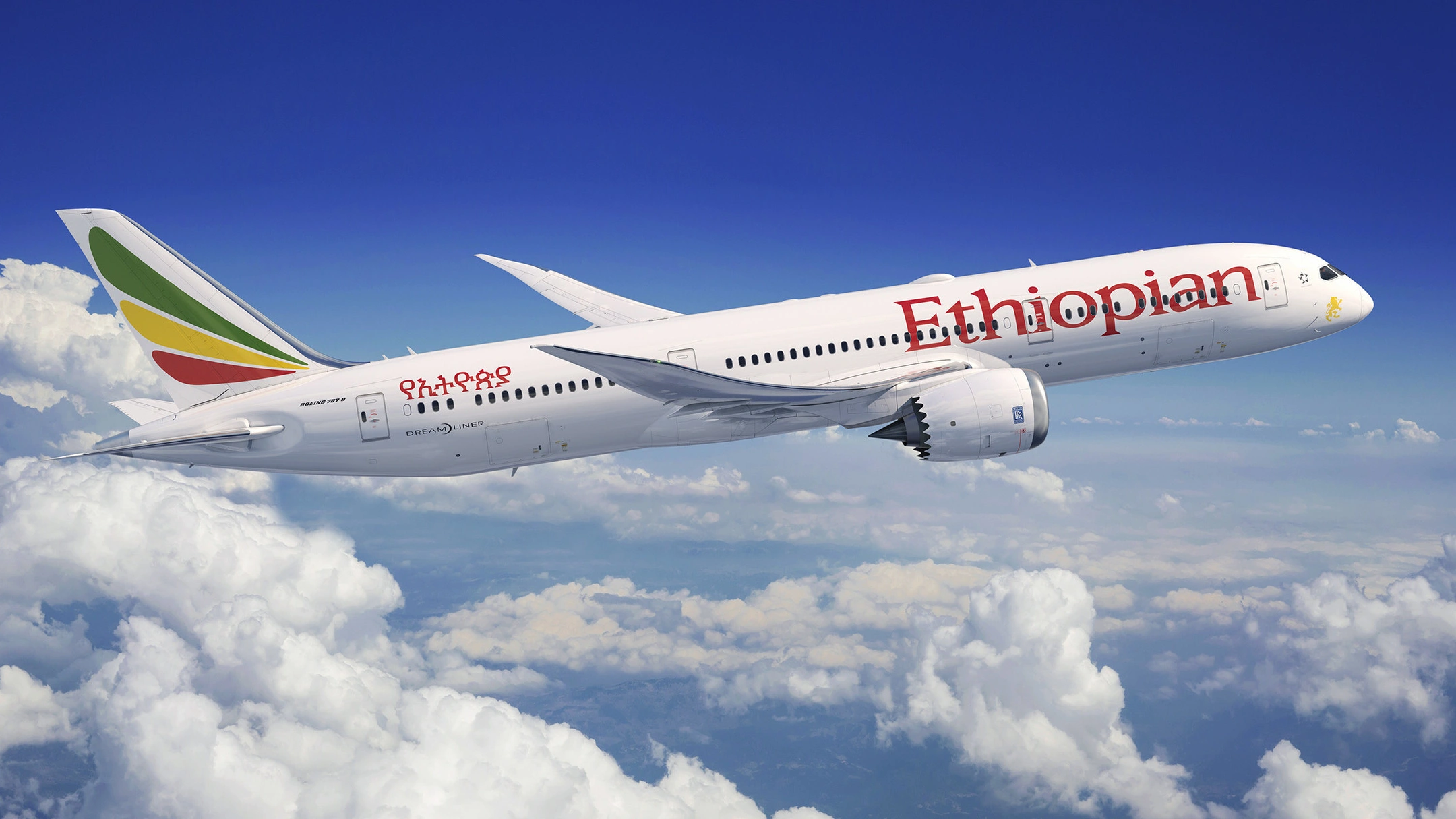
A Separate Criminal Case Follows a Different Path
While the civil trials have proceeded largely in Boeing’s favour for plaintiffs, the parallel criminal case against the company has taken a very different route. The Department of Justice originally pursued a deferred prosecution agreement in 2021 over allegations that Boeing misled the Federal Aviation Administration during MAX certification. After the department found Boeing had breached that agreement, it negotiated a non-prosecution deal in 2025 that required the company to pay $1.1 billion in fines and undertake compliance reforms, but avoided a criminal conviction.
Victims’ families challenged both agreements under the Crime Victims’ Rights Act, arguing the government failed to properly consult them. The U.S. Court of Appeals for the Fifth Circuit denied their petitions on March 31, 2026, ruling it lacked jurisdiction to substantively review the dismissal of the prosecution. The ruling effectively closed off any remaining path to a criminal conviction against Boeing over the two crashes.
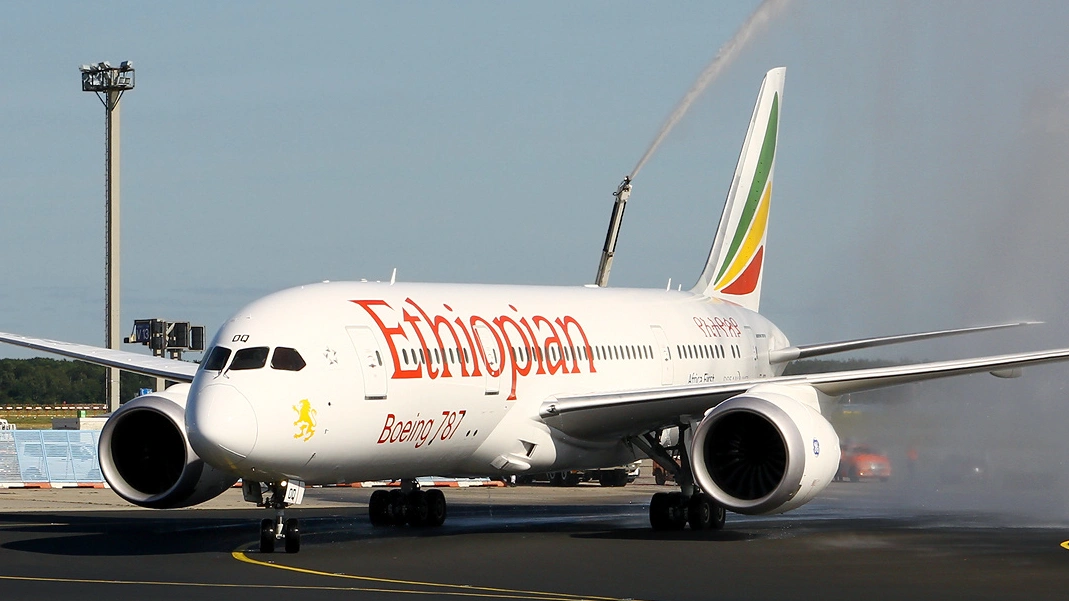
Boeing’s Safety Scrutiny Extends Well Beyond the Courtroom
The Ryan verdict lands as Boeing faces fresh operational scrutiny unrelated to the original crashes. In late July, the FAA proposed an airworthiness directive covering 453 US-registered 737 MAX jets after receiving reports that passenger seat assemblies were not correctly installed in their tracks, a defect that could let seats disengage during turbulence or an emergency landing. The agency estimated the fix would affect roughly 80,000 individual seats fleet-wide.
Weeks later, the FAA ordered a separate round of inspections covering an estimated 471 US-registered MAX 8, 9 and 8200 jets for cracking near the forward service door, after the defect was found on the manufacturer’s newer 737-derived models.
Boeing said it is supporting both directives and continues working with airline customers as it tries to improve production quality under chief executive Kelly Ortberg. Neither issue has been linked to an accident, but together with the ongoing litigation, they underline how closely regulators continue to watch the aircraft type more than seven years after the Ethiopian Airlines crash.
All in All
Stumo’s legal team has said it intends to pursue punitive damages against Boeing executives and component suppliers on appeal, after those claims were dismissed ahead of her trial. It remains unclear how many individual damages cases are still pending following the Ryan verdict, though attorneys involved in the litigation have described it as one of the last still awaiting a jury outcome.
For families like the Ryans, the Chicago verdicts represent the closest they can come to a public reckoning after the criminal case against Boeing was closed without a conviction. The Ethiopian Airlines crash and its aftermath continue to shape how regulators, courts and the travelling public assess Boeing’s most-produced jet family.

.jpg)

