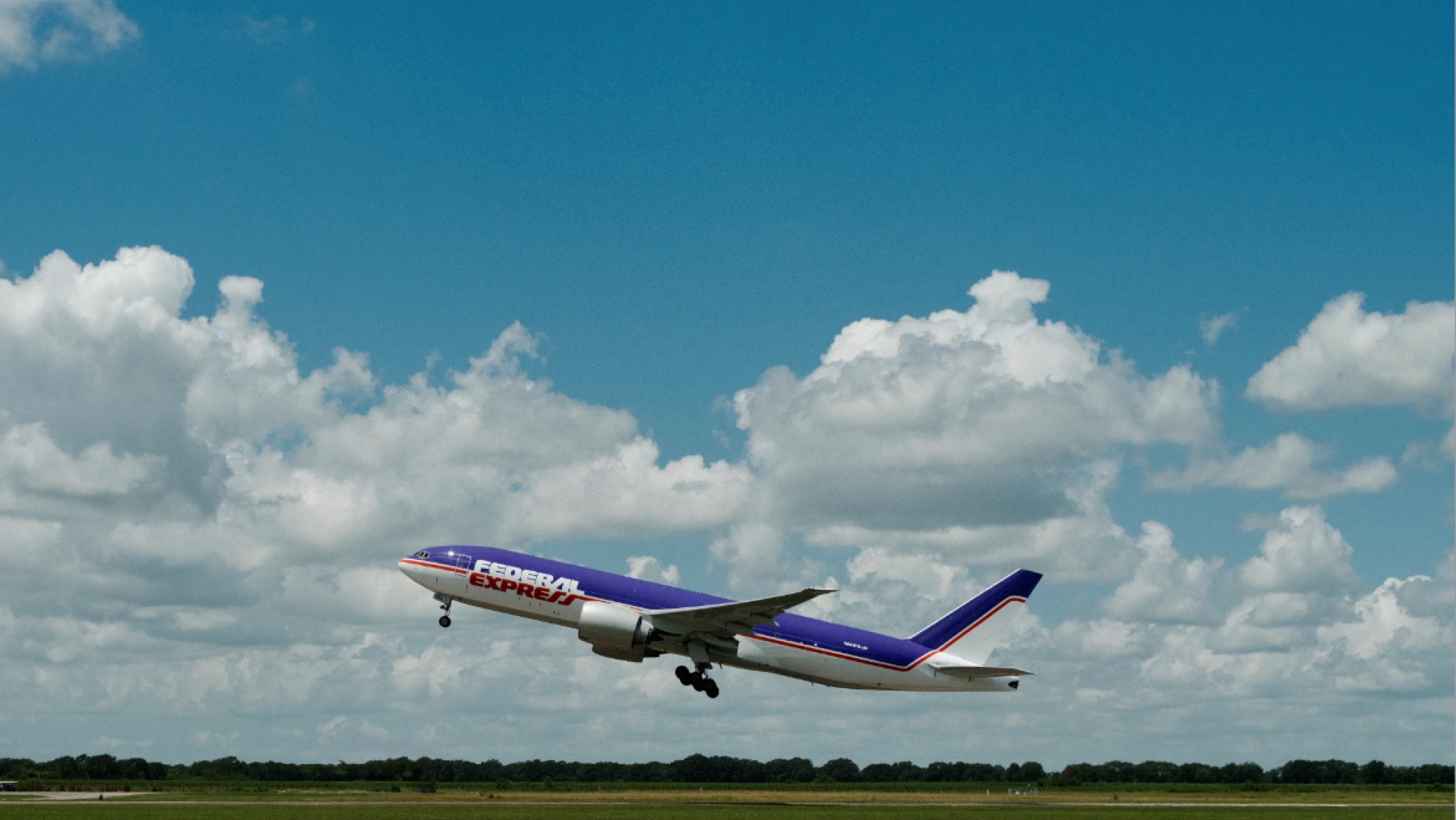
The Memphis-Shelby County Airport Authority renamed Memphis International Airport (MEM) as Frederick W. Smith International Airport on August 11, 2026, honoring the late FedEx (FX) founder in a ceremony that coincided with the company’s inaugural FWS Day of Service. According to a press release by FedEx, the tribute brought together the Memphis community, the Smith family and FedEx team members worldwide to mark the airport dedication. The event closed with a ceremonial landing of FedEx Flight 1944, a Boeing 777 repainted in the carrier’s original purple and orange livery.
Smith, a U.S. Marine Corps veteran, chose Memphis as the home for Federal Express in 1973 after selecting the city for its central location and reliable weather. He died on June 21, 2025, at age 80, and the airport authority began the formal renaming process that December, submitting the new name to the Federal Aviation Administration (FAA) for approval. The airport’s three-letter identifier, MEM, remains unchanged.
What Happened at The Renaming Ceremony
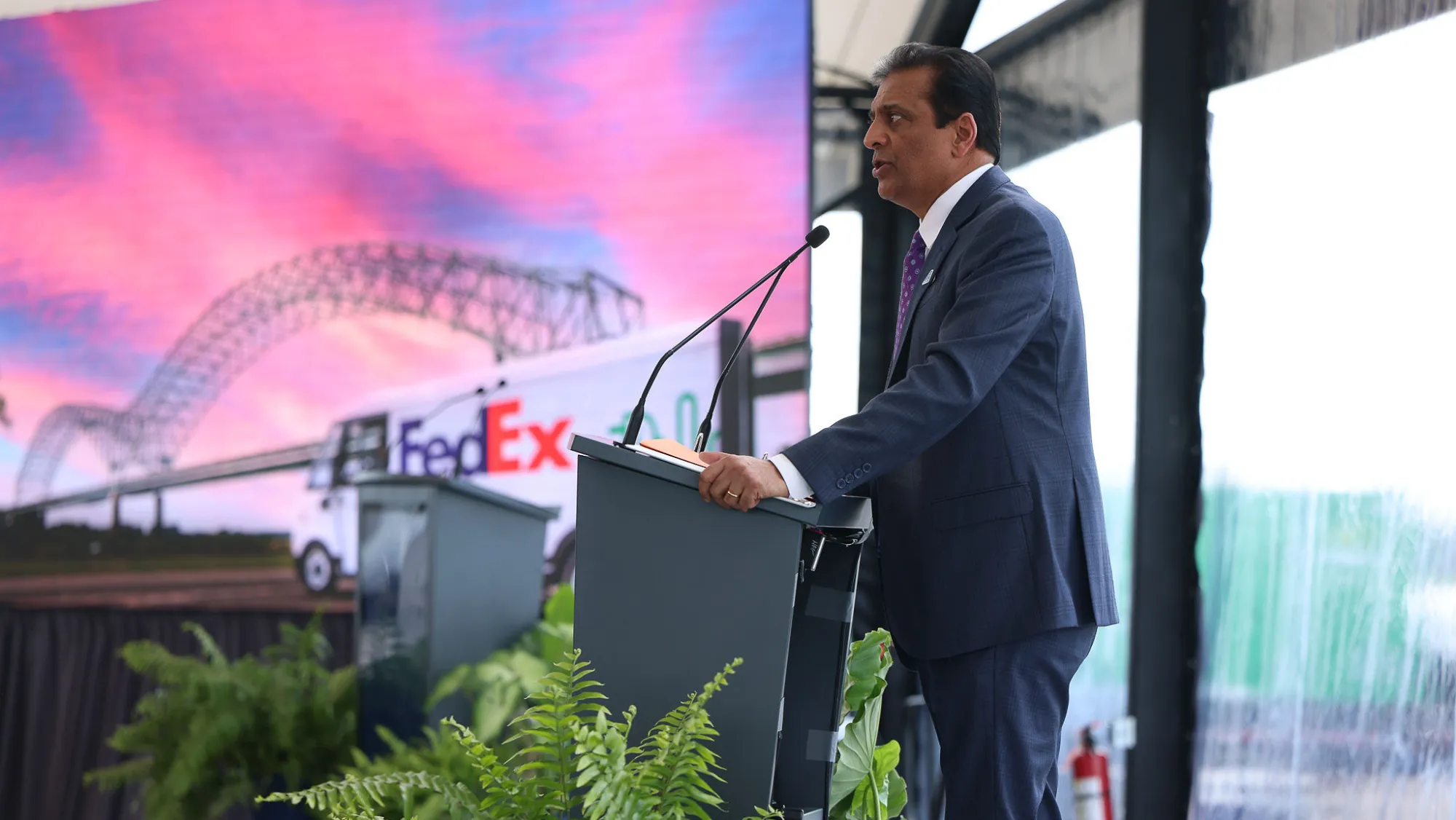
The ceremony drew leadership from the Memphis-Shelby County Airport Authority, FedEx executives, the Smith family and Memphis civic leaders.
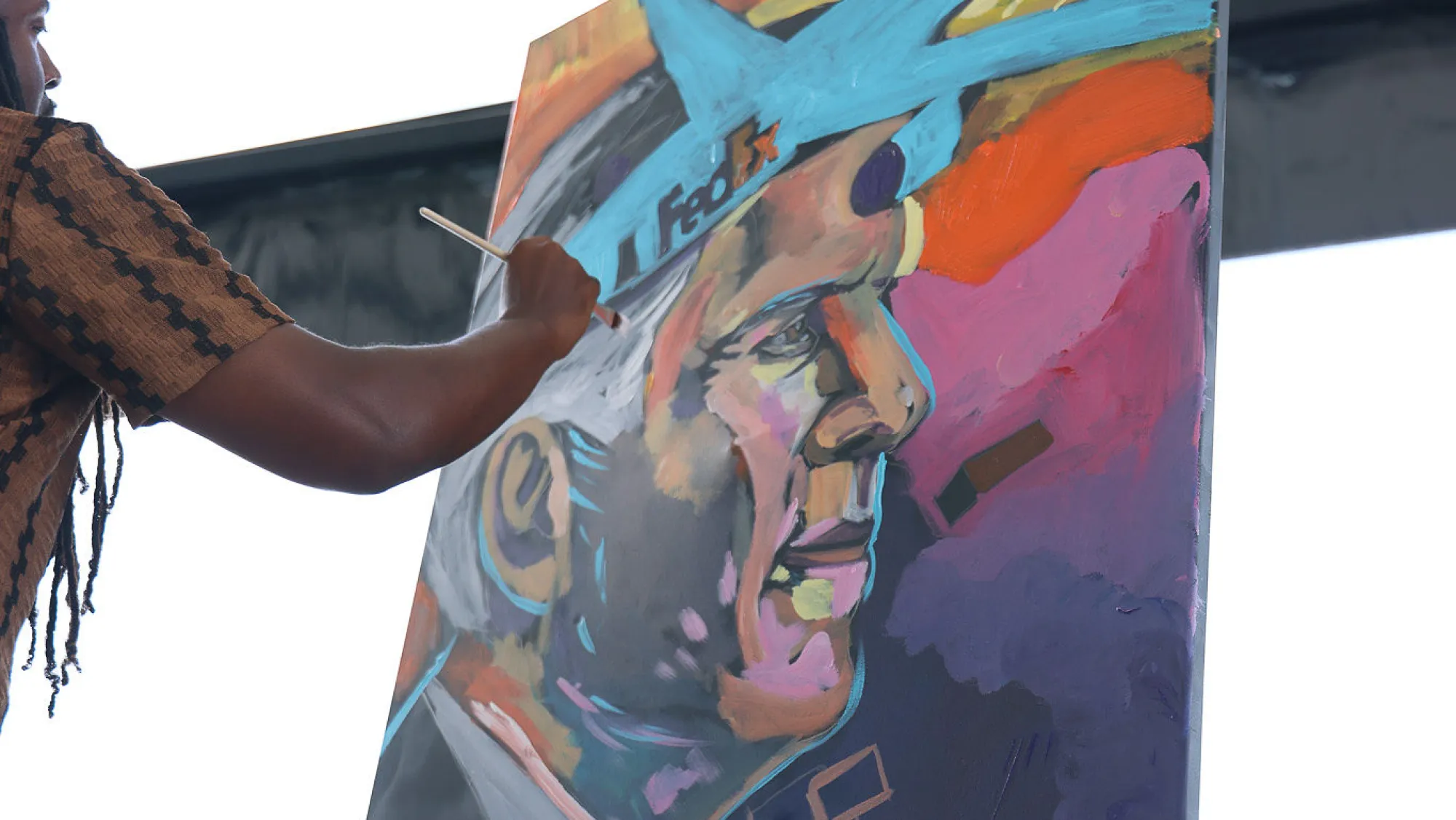
Airport authority president and CEO Terry Blue told attendees that the renaming reflects the impact Smith had on the region, calling it a tireless champion of Memphis. FedEx also unveiled a new mural along Plough Boulevard featuring a portrait of Smith composed of the company’s signature purple aircraft tails, greeting travelers arriving in the city.
Richard W. Smith, the founder’s son and FedEx’s chief operating officer for international operations and CEO of the airline division, spoke on behalf of the family.
He said Fred Smith had initially resisted the idea of naming anything after himself, but had eventually agreed that the airport would be a fitting tribute once he was gone. FedEx president and CEO Raj Subramaniam said every plane, person and package passing through the renamed airport would now carry the spirit of our visionary founder.
The Aircraft That Marked the Moment
FedEx Flight 1944, the 777 that made the ceremonial landing, carries a flight number honoring the year Smith was born. The aircraft is named Rosie, after one of Smith’s granddaughters, continuing a longstanding FedEx tradition of naming aircraft after employees’ children. Its retro purple and orange livery echoes the branding Federal Express carried when it launched in 1973 with a fleet of 14 Dassault Falcon 20 jets serving 25 U.S. cities.
That original fleet has since grown into one of the largest cargo operations in the world. FedEx now delivers more than 18 million packages a day globally, and the Memphis World Hub located at the newly renamed airport alone sorts more than 2.4 million packages every day.
Who Was Frederick W. Smith
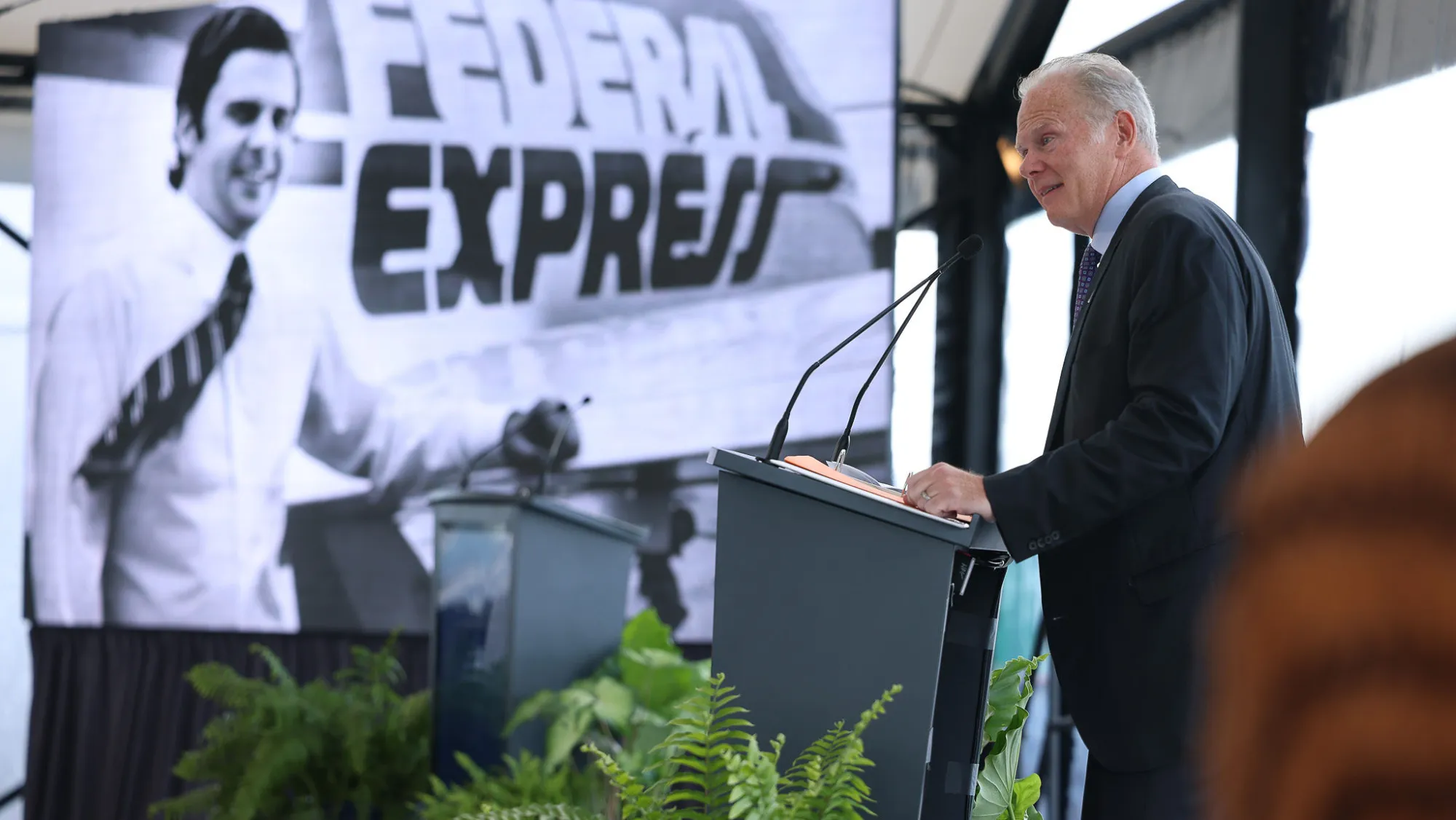
Smith was born on August 11, 1944, in Marks, Mississippi, and studied economics at Yale University, where he first sketched out the hub-and-spoke delivery concept that would become Federal Express. After graduating in 1966, he served four years in the Marine Corps, including two tours in Vietnam as a rifle platoon leader and aerial observer, earning the Silver Star, the Bronze Star and two Purple Hearts.
Smith founded Federal Express in 1971 and launched service from Memphis in April 1973. He led the company as chairman and chief executive for nearly five decades, stepping down as CEO in 2022 while remaining executive chairman until his death. Under his leadership, FedEx introduced drop boxes in 1975, online package tracking in 1994, and grew into a company serving more than 220 countries and territories with annual revenue of $86 billion.
Smith was also active in Washington and in the veterans’ community throughout his career. He served as chairman of the board of governors for the International Air Transport Association and co-chaired both the U.S. World War II Memorial project and the campaign to build the National Museum of the Marine Corps. On October 2, 2025, months after his death, President Donald Trump posthumously awarded Smith the Presidential Medal of Freedom, the nation’s highest civilian honor, which his family accepted on his behalf.
How The Renaming Fits A Broader Tradition
Naming an airport after a person who shaped its identity has precedent across the United States. Chicago’s Midway Airport took its current name from the Battle of Midway rather than a person, but plenty of major U.S. airports carry the names of political or business figures tied to their cities, a practice separate from the more common approach of naming carriers themselves, which FedEx’s own Federal Express branding followed by evoking scale and importance rather than a founder’s name. The Frederick W. Smith renaming instead memorializes a private individual whose company effectively built the airport’s modern identity as a global logistics hub.
The distinction matters in Memphis specifically because FedEx’s presence at the airport is not incidental. The Memphis-Shelby County Airport Authority has described the airport’s global cargo standing as inseparable from the company Smith founded there, a relationship that made the renaming feel, to many attendees, less like a corporate tribute and more like recognition of a partnership that shaped the city’s economy for five decades.
What Comes Next for the Airport and FedEx
The FWS Day of Service is set to become an annual observance, part of FedEx’s broader Purple Week celebration built around the company’s “People-Service-Profit” culture values. This year’s Purple Week included more than 120 FedEx Cares volunteer and community events held around the world. FedEx has said the annual day of service will continue honoring Smith’s legacy by keeping the company focused on the communities where its employees live and work.
For now, Frederick W. Smith International Airport keeps its MEM code and its role as FedEx’s global superhub unchanged, even as its name permanently ties the facility to the man who built Memphis into a hub for global commerce.