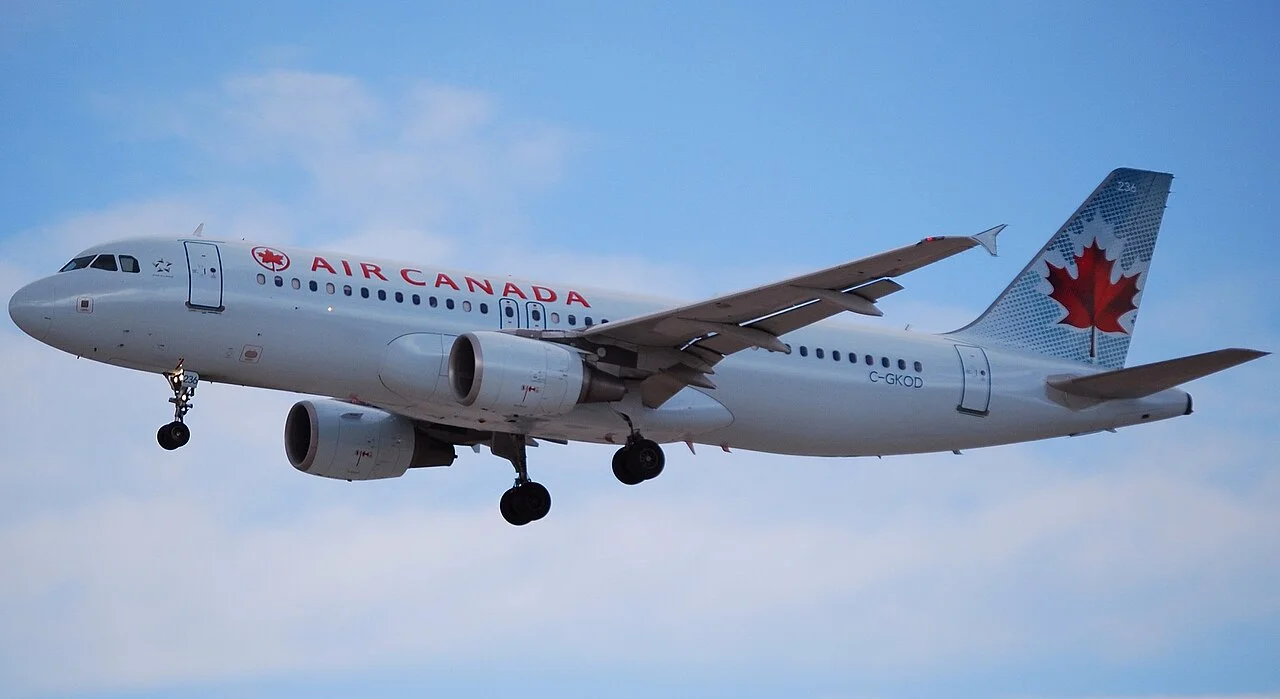
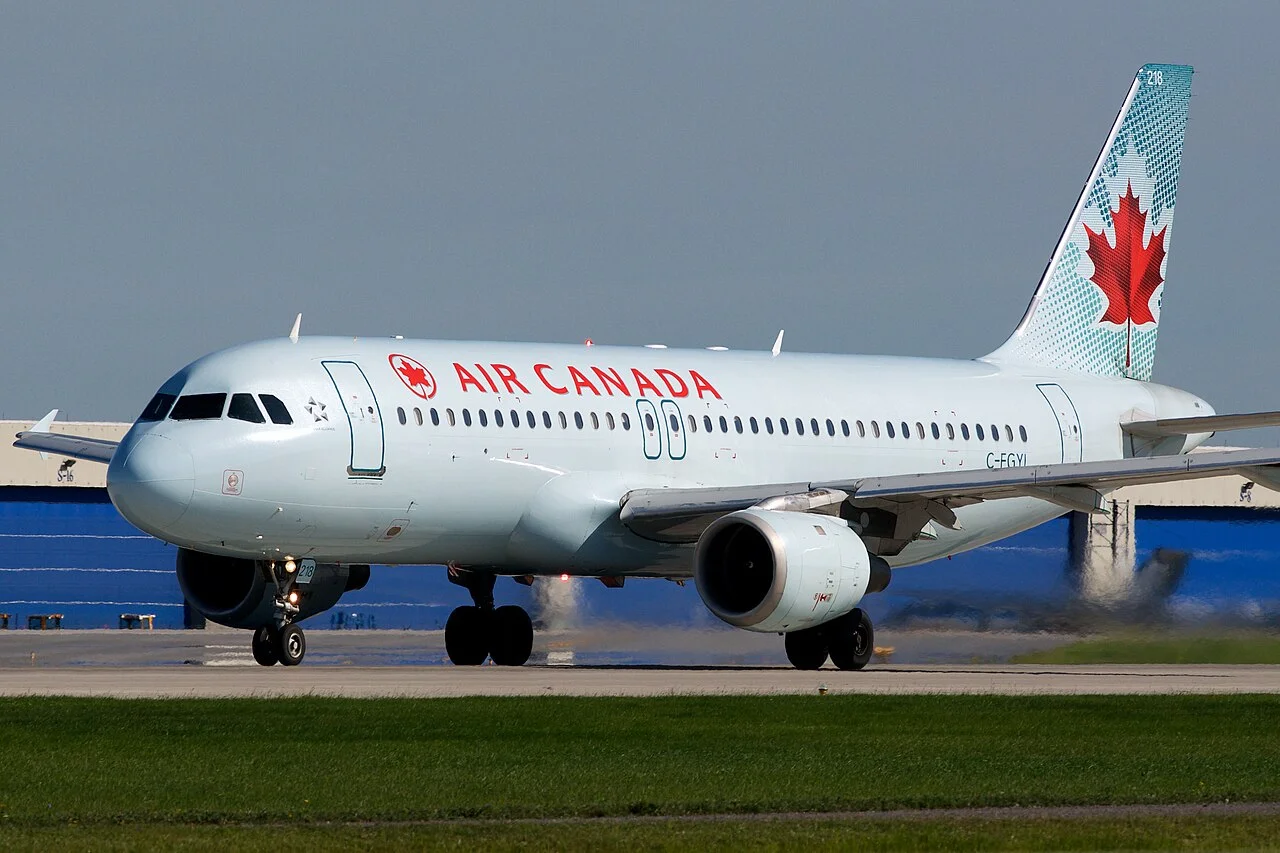
The Supreme Court of Nova Scotia approved an $18.075 million settlement on August 10, 2026, closing a class-action lawsuit tied to a crash landing that happened more than ten years earlier, according to a report by PNI Atlantic News. The case involves Air Canada (AC), Nav Canada, and the Halifax International Airport Authority. It stems from Air Canada Flight 624, which crash-landed at Halifax Stanfield International Airport (YHZ) during a snowstorm on March 29, 2015.
The court’s approval brings closure to a case involving 133 passengers and five crew members who were flying from Toronto to Halifax. Twenty-five people were injured when the Airbus A320 struck power transmission lines short of the runway. Compensation will now move to affected passengers, with payouts scheduled to begin shortly.
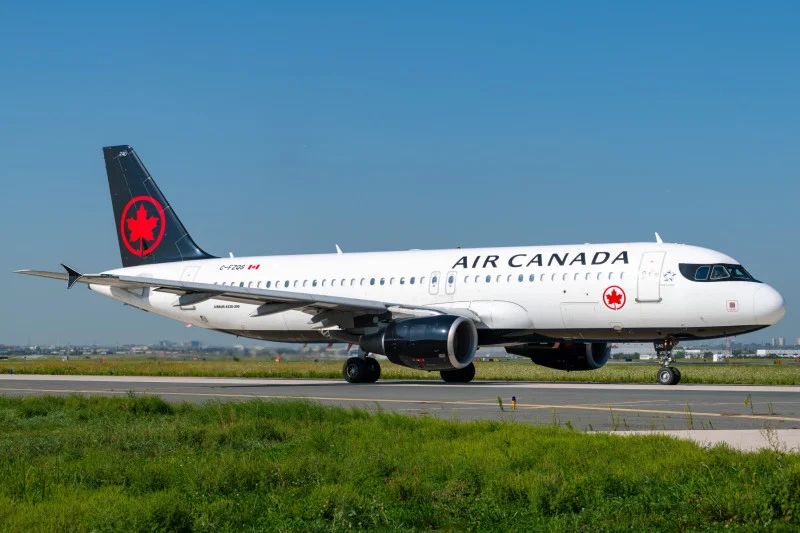
Court Approves $18.075 Million Settlement for AC624 Passengers
The settlement total of $18,075,000 covers compensation, legal fees, and disbursements combined. Air Canada is responsible for the largest share, paying more than $15 million. Nav Canada, the country’s air navigation provider, will pay $2 million.
The Halifax International Airport Authority will contribute $1 million toward the total. More than $5 million of the settlement covers legal fees, with nearly $900,000 set aside for expert and professional disbursements. None of the defendants admitted liability or fault as part of the agreement.
Nav Canada welcomed the outcome in a statement. The agency said “the resolution of this long and complex litigation is a positive outcome for all parties.” The airport authority added that it recognizes the length of the process and remains focused on safe operations going forward.
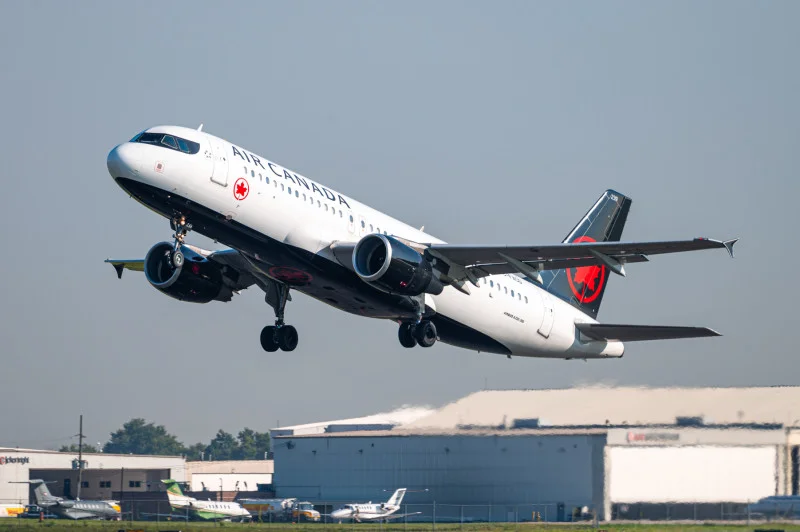
Inside The March 2015 Crash Landing at Halifax Stanfield
Flight 624 was circling Halifax Stanfield just after midnight when the crew was told visibility had improved enough for landing. The Airbus A320 was placed on autopilot for the approach, relying on a localizer beacon that provides lateral guidance but no altitude information. Investigators later found the pilots did not fully account for a headwind pushing the aircraft off its intended path.
The Transportation Safety Board’s final report, released two years after the crash, said Air Canada’s procedures at the time did not require the crew to cross-check altitude against distance from the runway. The plane struck power lines and touched down roughly 200 metres short of Runway 05. It then bounced and skidded for about 570 metres before coming to rest.
Everyone aboard survived and escaped the aircraft. A power outage caused by the impact knocked out the airport’s radio network, which made arranging transportation for stranded passengers more difficult during the evacuation. Passengers left the aircraft on the emergency slide and were held on the runway in blizzard conditions before being moved into a hangar.
The Transportation Safety Board’s investigation ran for two years before its final report was published. Investigators found that Air Canada’s standard operating procedures at the time did not require the flight crew to cross-check their altitude against their distance from the runway during that kind of approach.
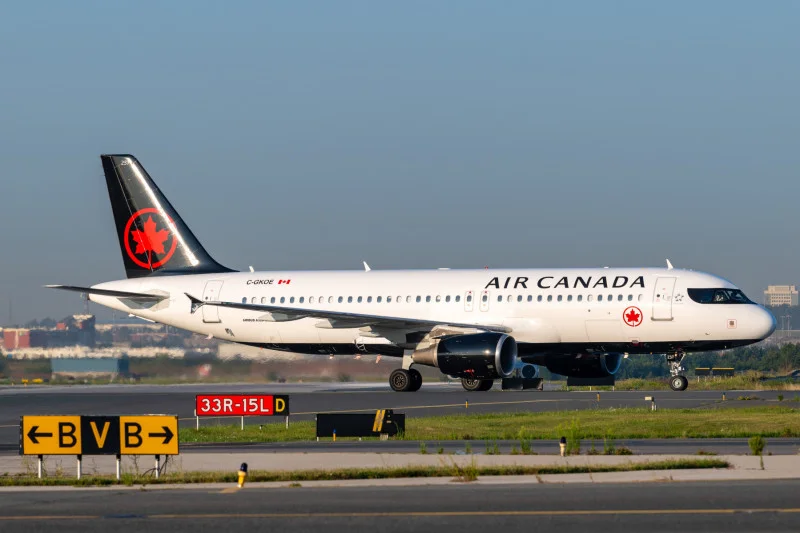
Ten Years of Legal Battles Before the Settlement
The road to settlement stretched across a decade of litigation. Key milestones included the following:
- Wagners filed the original class-action lawsuit within weeks of the March 2015 crash.
- The Nova Scotia Supreme Court certified the case against all defendants in December 2016.
- Plaintiffs fought a multi-year legal battle for access to the cockpit voice recorder, eventually winning at the Supreme Court of Canada.
- A 45-day liability trial was scheduled to begin January 26, 2026, before a proposed settlement was reached.
- The court held a settlement approval hearing on June 22, 2026, and issued final approval on August 10, 2026.
Three firms represented the passengers together: Wagners, MacGillivray Injury and Insurance Law, and Vancouver-based Camp Fiorante Matthews Mogerman. Their joint effort meant the scheduled trial against Air Canada, Nav Canada, the airport authority, Airbus, and the federal government never had to proceed.
Ray Wagner, partner at Wagners Law, had said a year ago that the passengers on the Fight 624 were “very lucky, of course, that it wasn’t more tragic than it was. People were injured, but nobody was killed”:
“That’s been very traumatic for people to deal with (…) so carrying on for 10 years kind of exacerbates the trauma that they experienced. Now that we have a resolution, hopefully that will help the passengers to be able to put it behind them and move on, those people that have been troubled psychologically from the crash.”
Transport Canada had initially challenged its own inclusion in the certified class action as landlord of the airport. The Nova Scotia Supreme Court ruled it could still be held responsible for navigation systems and other equipment at the site. That ruling kept the federal government inside the litigation for years, adding another layer to an already complex case involving five separate defendants.
What Passengers and Lawyers Are Saying
Ray Wagner said a string of procedural fights dragged the case out over the years. He noted that lawyers spent more than two years negotiating with Air Canada and Nav Canada before the multi-year fight over the cockpit recording even began. According to The Canadian Press, Wagner said “the only real good news is that the class members don’t have to wait any longer.”
Compensation amounts will vary based on each passenger’s injuries. Reported harm ranges from scrapes and bruises to knee, back, and shoulder injuries, along with post-traumatic stress. Wagner has separately described the ten-year wait as its own source of ongoing psychological strain for many of those affected.
How This Settlement Compares with Air Canada’s Other Legal Fights
The AC624 case is not the only class action facing the carrier right now. A Quebec court authorized a separate class action in January 2026 over Air Canada’s alleged refusal to pay compensation owed under the Air Passenger Protection Regulations for flight disruptions linked to staffing shortages. That case targets a policy dispute rather than a physical safety incident.
Air Canada is also awaiting a Supreme Court of Canada hearing on a long-running dispute over its advertised ticket pricing. Unlike the AC624 settlement, that case centers on consumer protection rather than passenger injury. A separate proposed class action also covers passengers affected by cancellations tied to Air Canada’s 2025 labor dispute, a case unrelated to any physical safety incident.
All in All
With court approval secured, class counsel can begin distributing funds to eligible passengers based on their documented injuries. The Halifax International Airport Authority said it remains mindful of those affected by the 2015 crash as payouts move forward.

_(2).jpg)
.jpg)
.jpg)