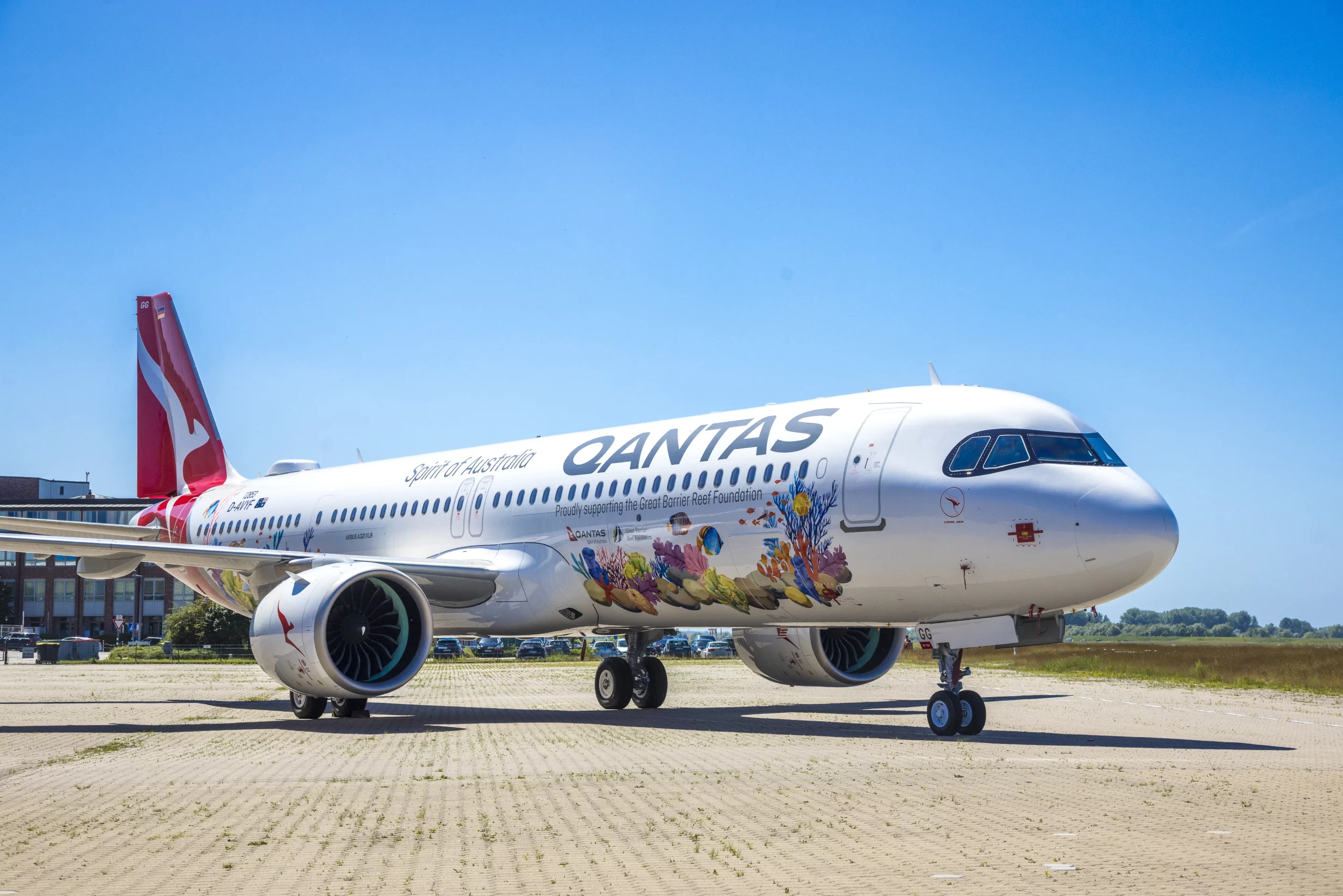
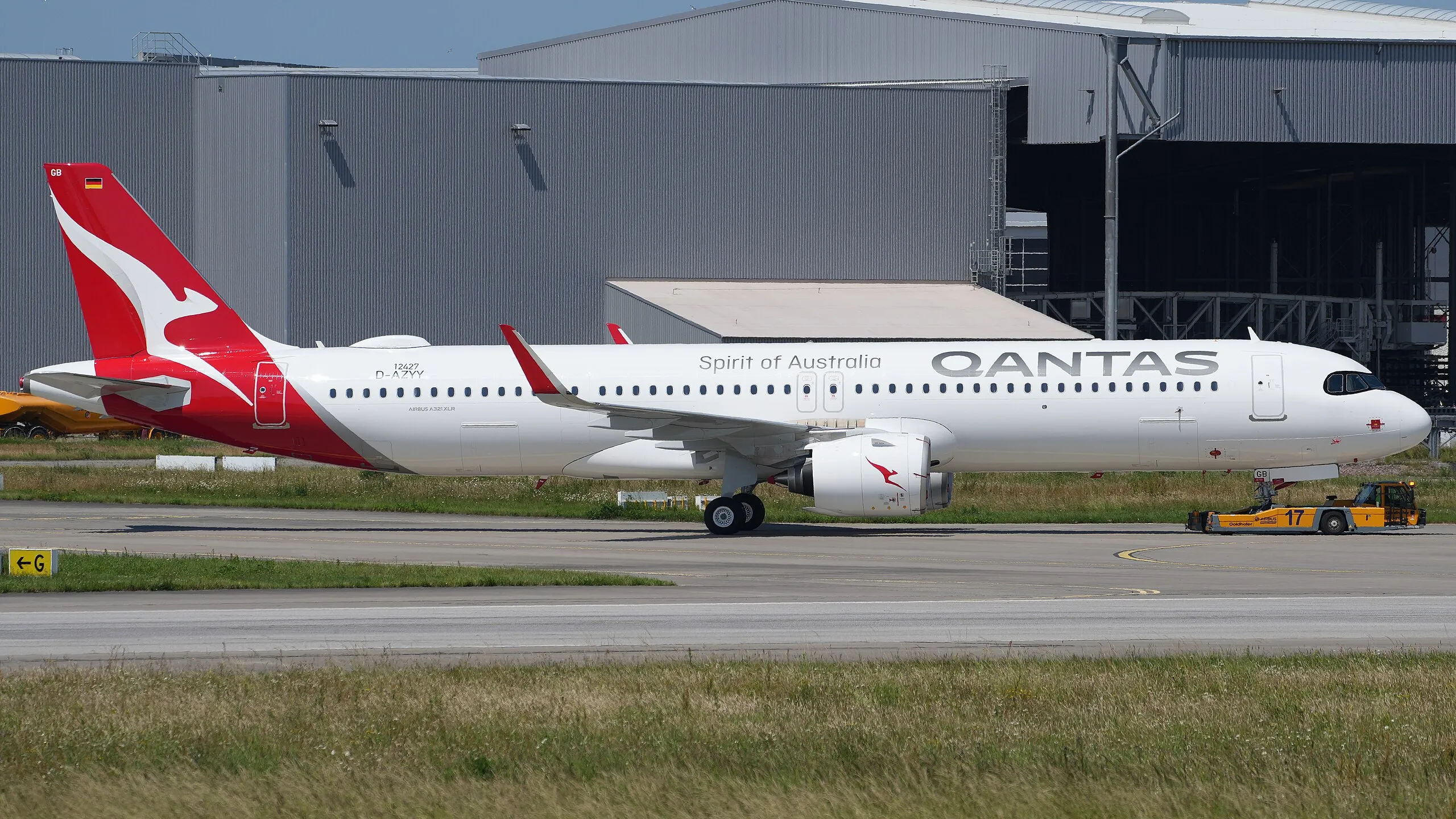
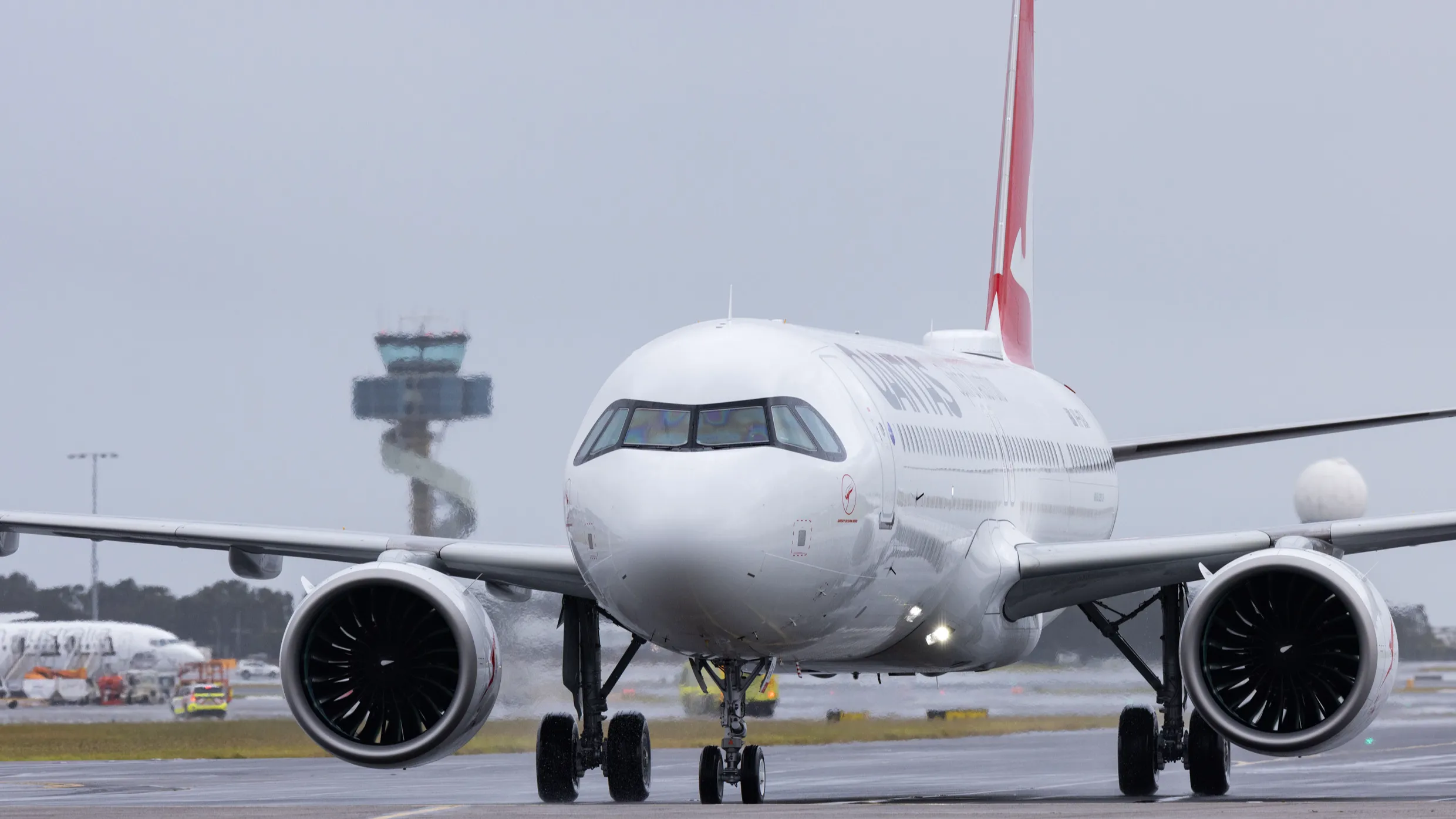
Qantas (QF) has pushed back the international debut of its Airbus A321XLR by more than three months. The aircraft was due to replace the Airbus A330-200 on the Brisbane Airport (BNE) to Ninoy Aquino International Airport (MNL) route in Manila on October 25, 2026. According to a report by Simple Flying, that date has now moved to February 1, 2027.
The delay does not cancel the aircraft swap. Qantas will keep the wider A330-200 flying between Brisbane and Manila through the change, protecting the route’s lie-flat business class seats during the peak year-end and Lunar New Year travel season. The airline confirmed the new date in a fresh schedule filing this month.
Qantas Resets the A321XLR’s International Timeline
According to schedule tracker AeroRoutes, Qantas filed the change covering flight numbers QF97 and QF98, its Brisbane-Manila pairing. The A330-200 will keep flying the route from October 25, 2026, through January 31, 2027. The A321XLR then takes over from February 1, 2027, without any change to the route itself.
The daily frequency increase originally tied to the aircraft swap moved to an earlier date instead. Brisbane-Manila service grows from five to seven flights a week starting November 23, 2026, still flown by the A330-200. Passengers get the daily upgrade months before they get the narrowbody.
Qantas relaunched Brisbane-Manila in October 2024 after a decade-long gap dating back to 2013. The Philippines pairing is not a new route for the airline. It is simply changing aircraft under a revised timetable.
Why Qantas Is Keeping the Wider Jet on This Route for Longer
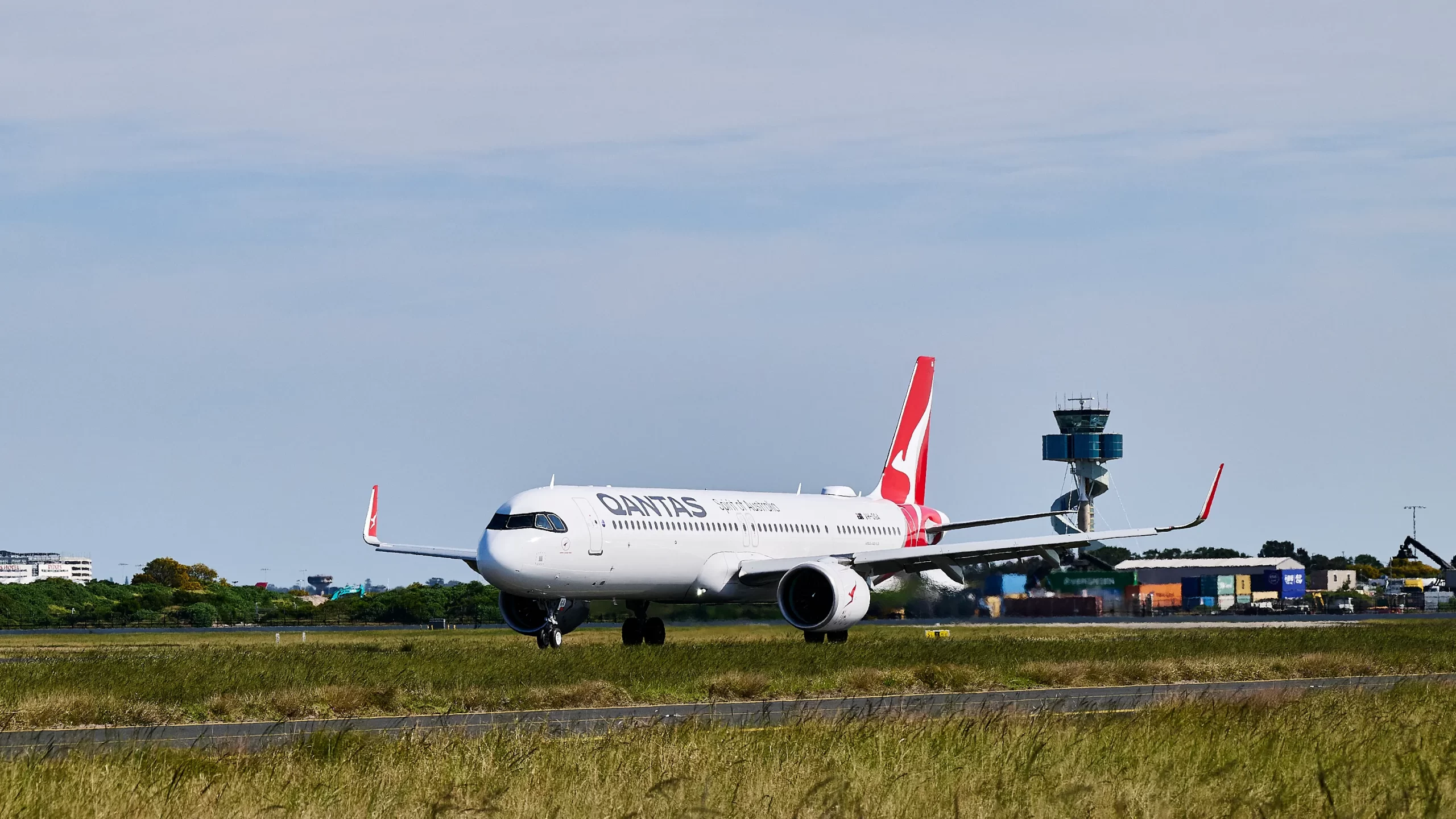
Qantas’ A321XLR fleet is currently built for domestic and short regional flying rather than long international sectors. The seven aircraft delivered so far seat 197 to 200 passengers, weighted toward economy. None of the current jets carry lie-flat business class seats.
The A330-200 flying Brisbane to Manila today carries 27 lie-flat business class seats alongside a larger economy cabin, according to Australian Frequent Flyer. Keeping that widebody in place through the delay period protects the premium product during the busiest months for travel to the Philippines. Airbus has described the A321XLR as “the perfect route opener with lower risk for point-to-point operations,” though Qantas has not yet configured its examples that way for long-haul flying.
Qantas has ordered 48 next-generation A321XLRs as part of its largest-ever fleet renewal programme. At least 16 of those future jets will carry lie-flat business suites built for long-haul flying, but those are not expected before 2028, according to Simple Flying and travel blog 2PAXfly.

Qantas’ Current A321XLR Network Stays Domestic for Now
Until the Manila swap happens, Qantas’ A321XLR fleet operates on four routes, all domestic:
- Sydney (SYD) to Melbourne (MEL): the busiest pairing, with around 40 weekly departures
- Sydney to Perth (PER): about 23 weekly departures
- Sydney to Brisbane: roughly 15 weekly departures
- Brisbane to Perth: around 11 weekly departures
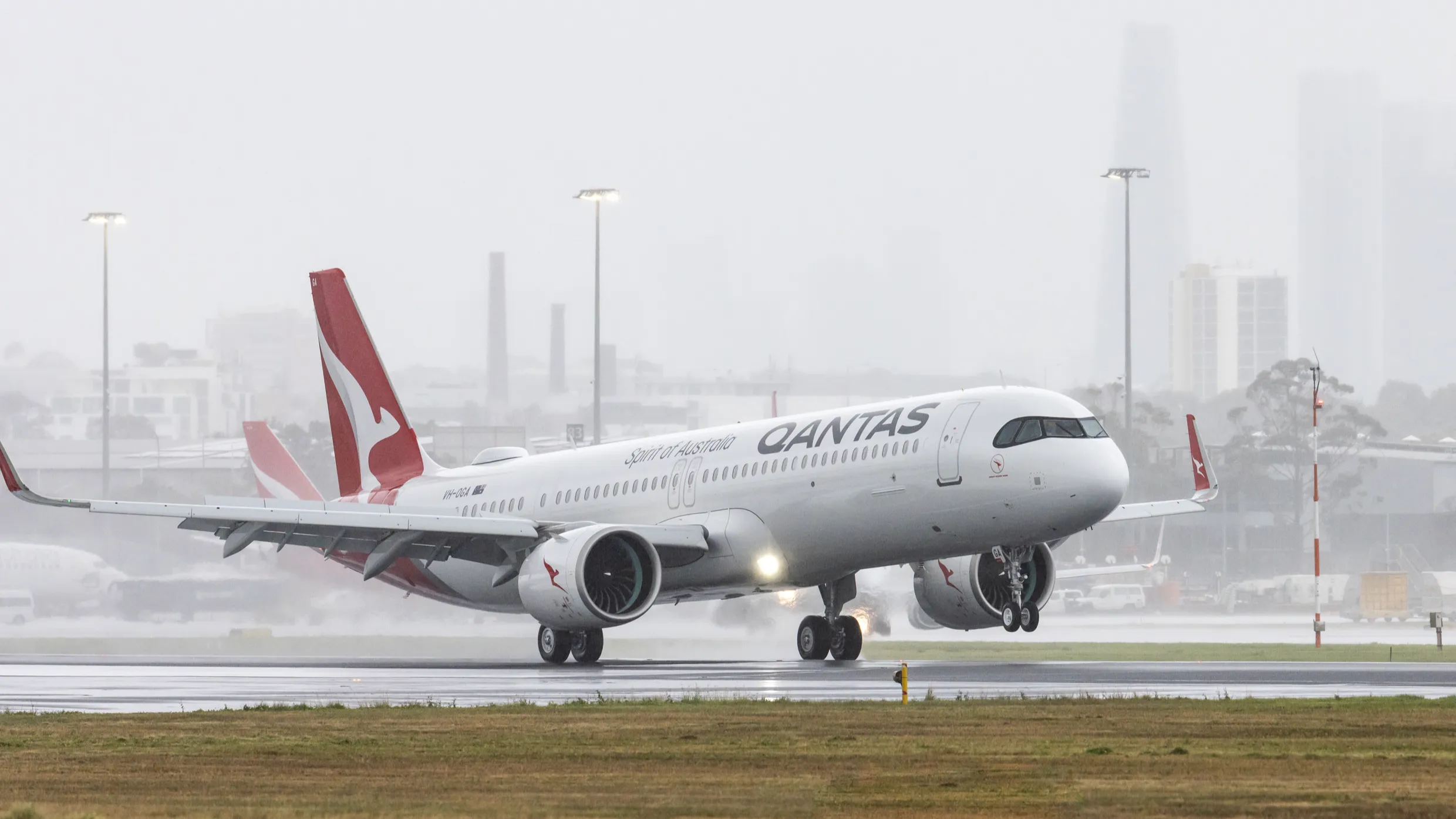
Qantas became the first Asia-Pacific carrier to fly the A321XLR when the type entered commercial service on the Sydney-Melbourne route in November 2025. The current cabin fits 20 recliner-style business seats and 177 to 180 economy seats, with no lie-flat option anywhere in the fleet yet.
How Qantas’ Cabin Compares with Other A321XLR Operators
Qantas configures its A321XLR more densely than most other carriers flying the same type. Other airlines have chosen lighter, more premium-focused layouts:
- American Airlines (AA): 155 seats, including 20 lie-flat Flagship Suites in business class
- Iberia (IB): 182 seats
- Aer Lingus (EI): 184 seats
- Wizz Air (W6): 239 seats, the densest configuration among current operators
Wizz Air’s ultra-high-density approach offers a cautionary parallel. The Hungarian budget carrier scrapped its two longest A321XLR routes after struggling to make the seven-hour sectors work commercially. Qantas is not flying comparable distances on the type yet, but the comparison shows how differently airlines are still experimenting with the aircraft’s role in their networks.
Premium Travelers Are Not Convinced by the Swap
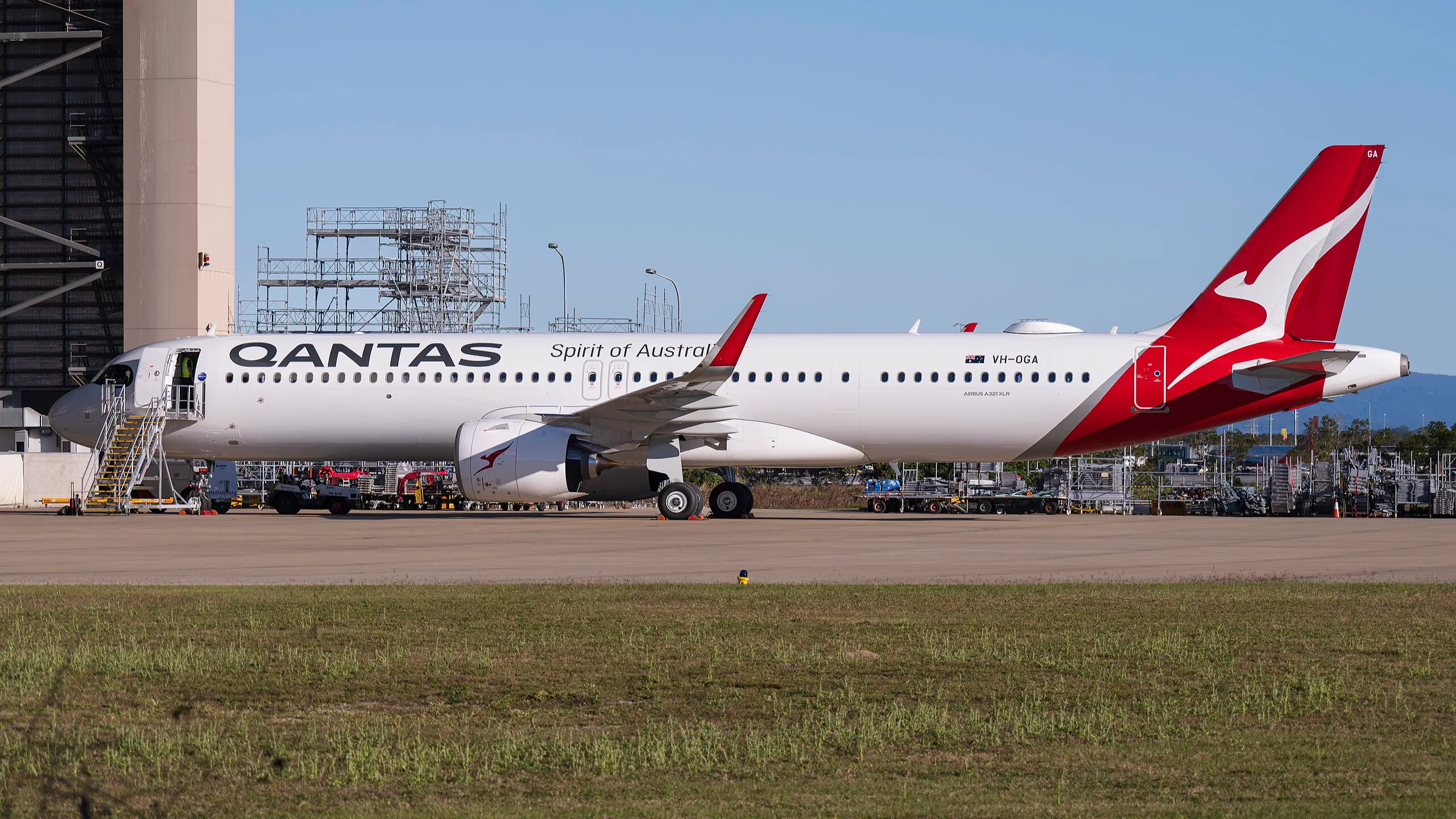
Aviation commentators questioned the Brisbane-Manila switch as soon as Qantas announced it earlier this year. One review from Australian Frequent Flyer summed up the frustration bluntly, comparing the change to “putting tomato sauce on ice cream.” The site noted that Qantas is not lowering fares to match the downgrade: a return business class ticket from Brisbane to Manila still starts near AUD $4,230, whether flown on the A330 or the eventual A321XLR.
The delay softens that criticism for now. Passengers booking through January 2027 still get the wider jet and its lie-flat seats. The debate resumes once the A321XLR takes over the route in February 2027, still without a flat bed on board.
Demand For the Brisbane-Manila Market Keeps Climbing
Around 1.1 million round-trip passengers flew between Australia and the Philippines in the twelve months to May 2026, up roughly 13% year over year. Qantas operates two routes to Manila, from Brisbane and from Sydney, while budget arm Jetstar (JQ) flies Brisbane to Cebu and Perth to Manila.
Philippine Airlines (PR) remains the largest carrier in the market, holding around 40% of scheduled seats between the two countries from August 2026 through March 2027. The Filipino flag carrier flies to Manila from Brisbane, Melbourne, Perth, and Sydney, while Cebu Pacific (5J) covers the Melbourne and Sydney pairings. Growing demand, driven partly by the Filipino diaspora in Australia and inbound tourism, helps explain why Qantas wants a daily schedule in place even before the A321XLR arrives.
All in All
Qantas’ cautious aircraft swap comes as Australia deepens its broader relationship with the Philippines across trade, security, and tourism, as noted by travel outlet The Traveler in its coverage of the delay. The airline’s decision to protect widebody comfort during the transition, rather than rush a narrowbody debut, fits a pattern of steady, incremental change rather than a dramatic network shift.
For now, travelers booking Brisbane to Manila can expect the same lie-flat A330-200 experience through January 2027. The daily A321XLR era begins in February 2027, bringing a denser, recliner-only cabin to one of Qantas’ fastest-growing Southeast Asian markets.