Nepal’s domestic airlines are facing severe financial strain from a global shortage of aircraft spare parts, rising engine maintenance costs, and a weakening rupee against the US dollar. Industry executives say the problem is not unique to Nepal but part of a wider global aviation supply chain crisis, according to a report by Fiscal Nepal. The pressure is squeezing Buddha Air, Yeti Airlines, and Shree Airlines simultaneously, at a time when domestic passenger numbers are already weak.
The International Air Transport Association (IATA) says the global backlog of aircraft orders reached 18,100 planes by May 2026, up from 17,000 in 2024, and now represents more than half the world’s active commercial fleet. That shortage is pushing up costs for engines, landing gear, and other components everywhere, and Nepal’s smaller carriers are feeling the effects acutely because nearly all of their maintenance spending is in dollars.
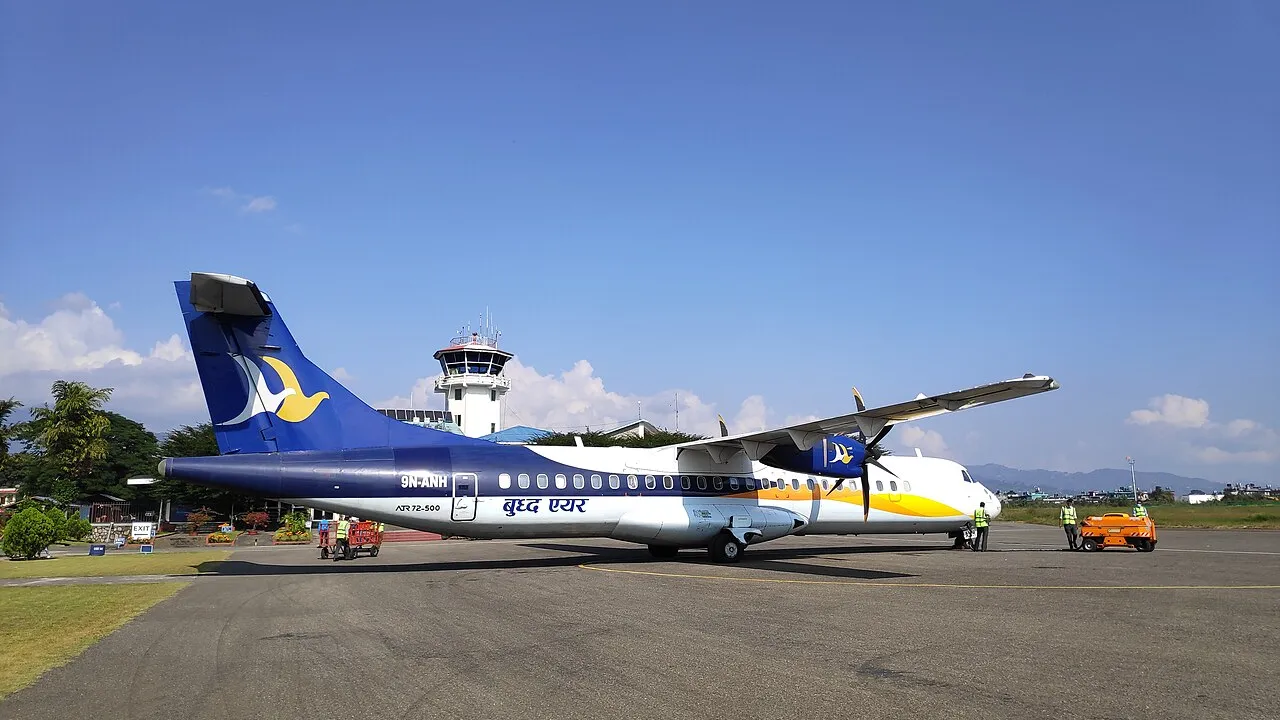
Engine Overhauls Now Cost 70 Percent More
According to Fiscal Nepal, Buddha Air Sales Director Rupesh Joshi said overhauling a single aircraft engine now costs more than $2 million, compared with around $1.4 million previously. He said the airline’s dollar earnings from international operations cover barely half of its maintenance expenses, leaving the rest to come from domestic ticket revenue.
“Passenger numbers are not growing sufficiently, airfare ceilings have not been revised, and aviation fuel prices continue to rise,” Joshi said. His airline recorded the largest decline among Nepal’s domestic airlines in fiscal year 2025–26, losing approximately 394,000 passengers, a 14% year-on-year decrease. The airline accounted for nearly 73% of the industry’s total passenger decline of 540,754 travelers, yet it retained its position as Nepal’s largest domestic carrier with a 58.3% market share.
Yeti Airlines reported a similar jump, with engine overhauls rising from about $1.2 million to $2.2 million, and new engine prices climbing from $1.5 million to $2.6 million.
The exchange rate compounds the problem. Nepal’s rupee traded at around 105 to the dollar when many of the country’s aircraft were purchased, and it now trades near 151, sharply raising the cost of every dollar-denominated import.
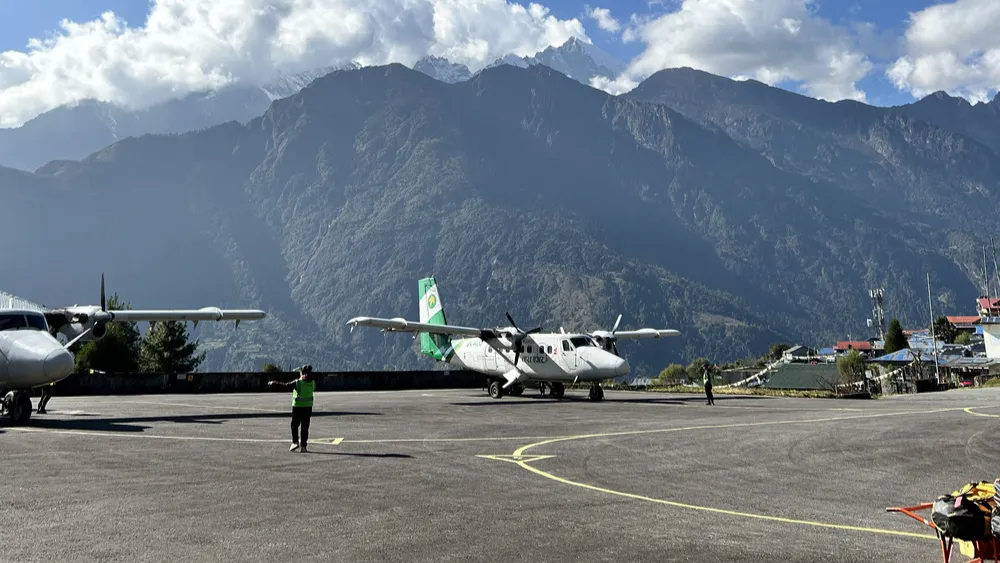
Parts Delivery Times Have Nearly Tripled
The same source claimed that Yeti Airlines Flight Safety Chief Sudarshan Bartaula said spare parts that arrived within three months three years ago now take close to eight months. He traced the slowdown back to the Russia-Ukraine war’s disruption of global manufacturing and logistics, adding that the situation has not normalized since.
Suppliers have also tightened payment terms. Bartaula said vendors that once extended credit now require airlines to pay in advance before parts are even manufactured, adding cash-flow pressure on top of the delays.
Domestic tax changes have added further cost. Airlines must now pay Value Added Tax upfront on imported parts, and customs duty on several aircraft components outside standard tariff codes has risen from 1% to 10%.
Yeti Airlines carried 93,048 fewer passengers during Nepal’s fiscal year 2025–26, marking a 9% year-on-year decline, while maintaining a 22.5% share of the domestic aviation market. According to Chief Business Officer Yubaraj Bista, passenger traffic remained largely stable during the first half of the fiscal year, but demand weakened significantly in the final five months as rising jet fuel prices forced airfare increases.
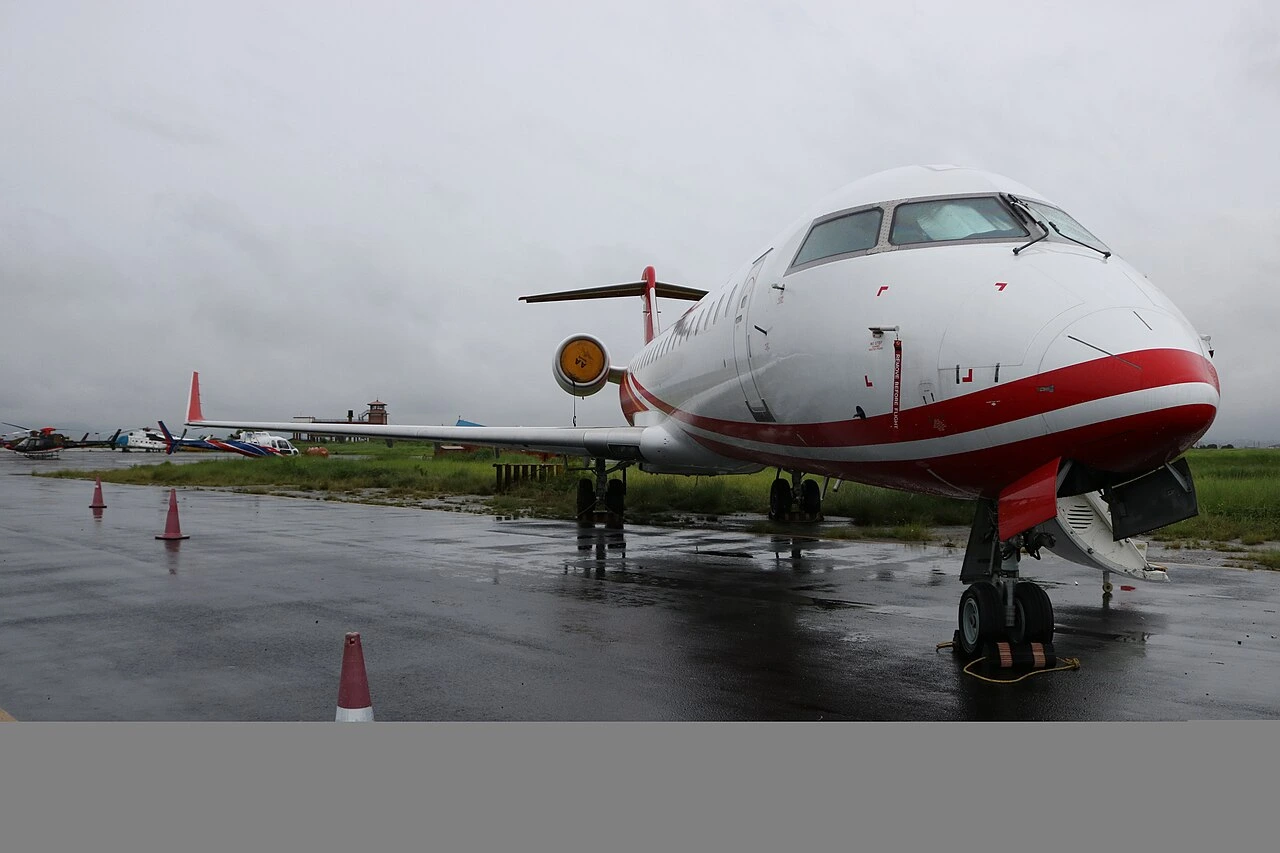
The Numbers Behind Nepal’s Spare Parts Import Surge
The financial strain shows up clearly in Nepal’s import data. The country imported aircraft spare parts worth nearly $28.74 million in the first two months of fiscal year 2025/26 alone, up from $6.14 million a year earlier, a jump of more than 350%. That surge reflects the same engine overhauls and component procurement airline executives describe, now running through Nepal’s trade figures at scale.
Airlines Operators Association of Nepal (AOAN) President Pratap Jung Pandey said the crisis is affecting carriers worldwide, not Nepal alone. He said helicopter operators have generally received parts on time when orders are placed early, while fixed-wing operators face growing delays.
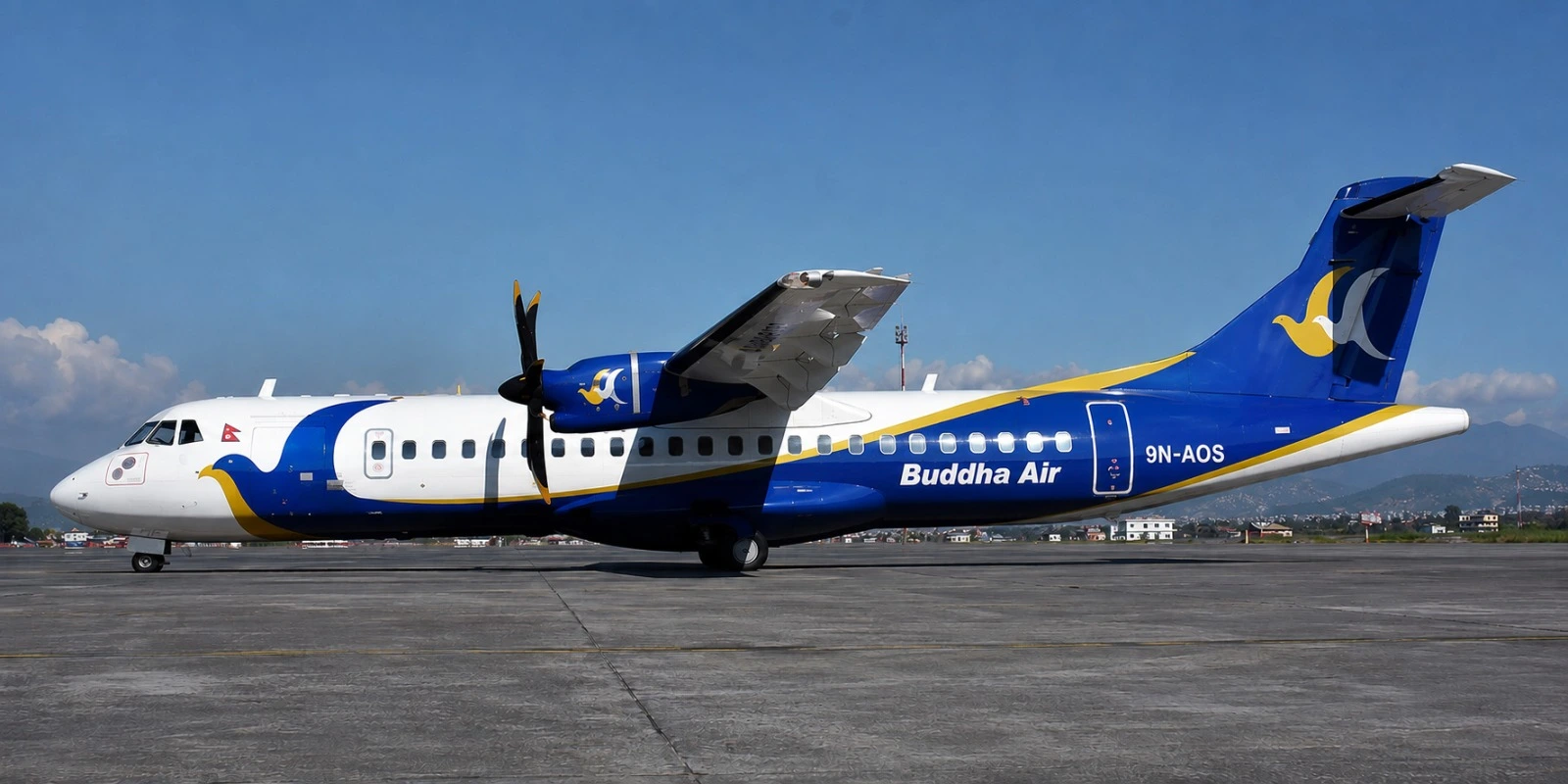
Passenger Numbers Have Plummeted in Nepal
The cost pressure is landing on an industry already short of passengers. Domestic traffic losses reached as much as 15% across a stretch of consecutive months this year, as fuel-driven fare hikes pushed air travel out of reach for many ordinary travelers.
That squeeze has pushed Nepal’s aviation sector toward consolidation rather than growth. Nepal’s Ministry of Tourism has openly asked airline and helicopter operators whether the time has come to merge, with Pandey telling officials that mergers could work if the government extends the same tax incentives it gives banks and insurers. Helicopter operators face an even sharper version of the same math, since a roughly 15% jump in fuel prices has turned what is normally a 5% profit margin into a 10% loss.
| Airline | Passenger Change | Percentage Decline | Market Share (FY 2025–26) | Key Highlight |
|---|---|---|---|---|
| Buddha Air | -394,000 | 14% | 58.3% | Largest passenger loss, accounting for nearly 73% of the industry’s total decline; retained market leadership. |
| Yeti Airlines | -93,048 | 9% | 22.5% | Second-largest decline in passenger numbers. |
| Shree Airlines | N/A | 6% | N/A | Most resilient among the major carriers, recording the smallest percentage decline. |
Data: The Kathmandu Post
Nepal’s international airports show a parallel version of the same strain. The government has extended fee waivers on landing, parking, and navigation charges at Pokhara and Gautam Buddha international airports for two more years, simply because both still see almost no scheduled international traffic years after opening.
The number of tourists to Nepal have also decreased. According to numbers cited by Ekantipur:
In April 2025, 116,490 foreign tourists visited Nepal, which was the highest at that time. However, this number has decreased to 107,934 in April 2026. Accordingly, according to the Immigration Department, tourist arrivals decreased by 8,556, or about 7.3 percent, in the same period of 2026. In March, 120,000 foreign tourists visited Nepal, which was about 1,100 less than the previous year.
Moscow Has Suffered a Similar Problem as Well
Nepal’s carriers are far from alone in facing a dollar-driven, parts-starved aviation market. Russia’s own civil aviation sector is buckling under a separate but related version of the same problem, where Western sanctions rather than global supply shortages have cut off carriers like Red Wings from the Western-made components their aircraft depend on.
The comparison shows two very different causes producing a similar result: airlines unable to keep aircraft flying because the parts and money to maintain them are harder to obtain than before. For Nepal, IATA warns that until global aircraft production accelerates and supply chains stabilize, maintenance costs will stay elevated and fleet expansion will remain delayed.