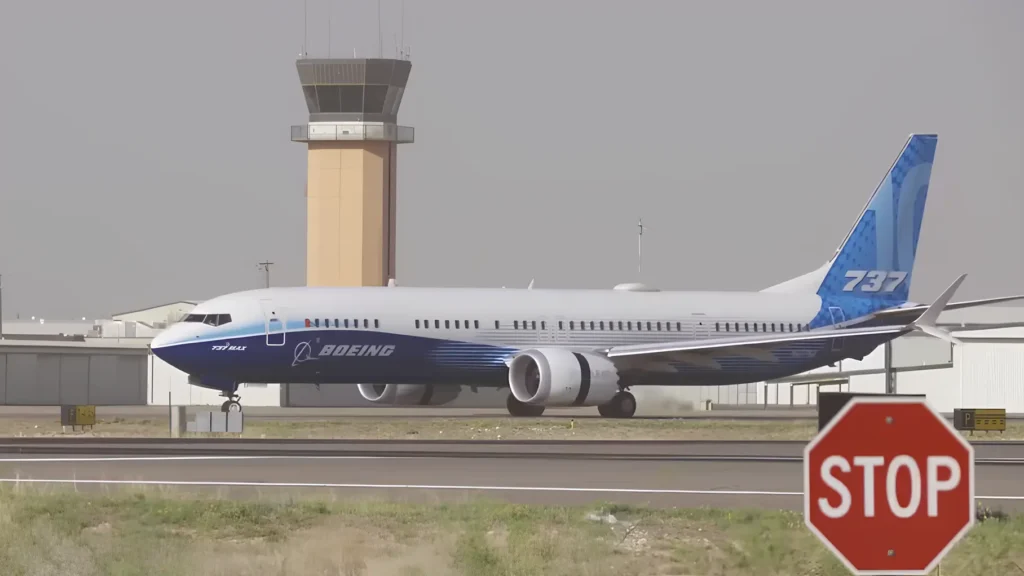
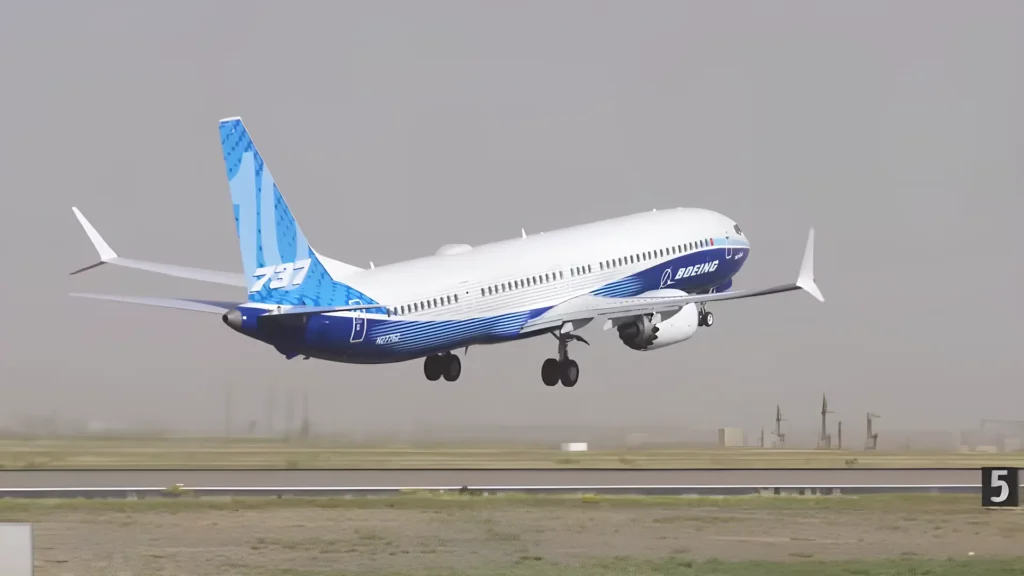
Boeing completed the final planned certification flight test for the Boeing 737 MAX 10 on July 28, 2026. The test crew flew the airplane out of King County International Airport, Seattle (Boeing Field), and returned it the same day after confirming that cabin crews could hear the lavatory smoke detector and the cabin speaker system. The flight closed a test campaign that spanned 976 flights, more than 2,060 flight hours, and about 1,040 ground test hours, according to a Boeing feature story published the same day.
The 737-10 is the largest and last-certified member of the 737 MAX family. Boeing launched the variant in 2017, flew it for the first time in June 2021, and has now moved the program into its final regulatory phase.
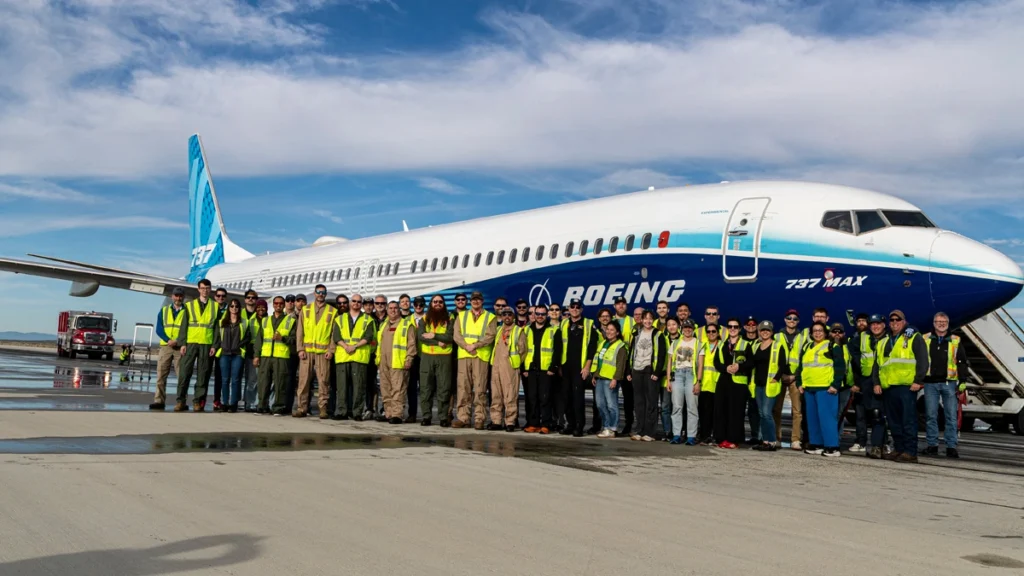
Final Certification Flight Checked Cabin Safety Alerts
The last certification flight was not a high-speed or handling test. Instead, engineers used it to confirm that flight attendants and passengers could clearly hear two safety systems: the lavatory smoke detector alert and the cabin speaker system. Both alerts must perform reliably in a full cabin environment before the FAA will sign off on the aircraft’s interior systems.
Dan Mangel, the Boeing pilot who flew the final test, had also flown the same airplane’s first flight four years earlier. “This was an important flight for me,” he said. He described watching the aircraft’s full journey, from its first flight to its last certification test, as an emotional experience.
Jennifer Uchida, the 737-10 test program manager, framed the milestone around the purpose behind flight testing itself. She said the team’s focus on safety and quality matters because “the work we do brings people home to their loved ones safely every day.” Flight test, she added, is one of the final gates standing between a new airplane and certification.
|X User
Boeing used three dedicated flight-test airplanes, internally designated 1G001, 1G002, and 1G003, to run the 737-10 campaign. The team often flew all three on the same day to compress the schedule. Chris Payne, vice president and general manager of 737 Development Programs, credited the pace to the aircraft themselves, noting the test fleet had “proven efficient and reliable throughout the testing program.”
Engine Anti-Ice Fix and New Angle-Of-Attack System Head to Production
Two of the systems validated during the final test phase address problems Boeing identified after earlier MAX deliveries. The Engine Anti-Ice update responds to rare conditions in which the system could cause the CFM LEAP-1B engine’s inlet to overheat without pilot intervention. Separately, the enhanced Angle of Attack system is designed to simplify cockpit indications and cut down on erroneous warnings that had complicated pilot workload on earlier MAX variants.
Boeing plans to introduce both systems into production for every 737 MAX model going forward and retrofit them across the in-service MAX fleet, not just the 737-10.
What Remains Before the FAA Issues A Type Certificate
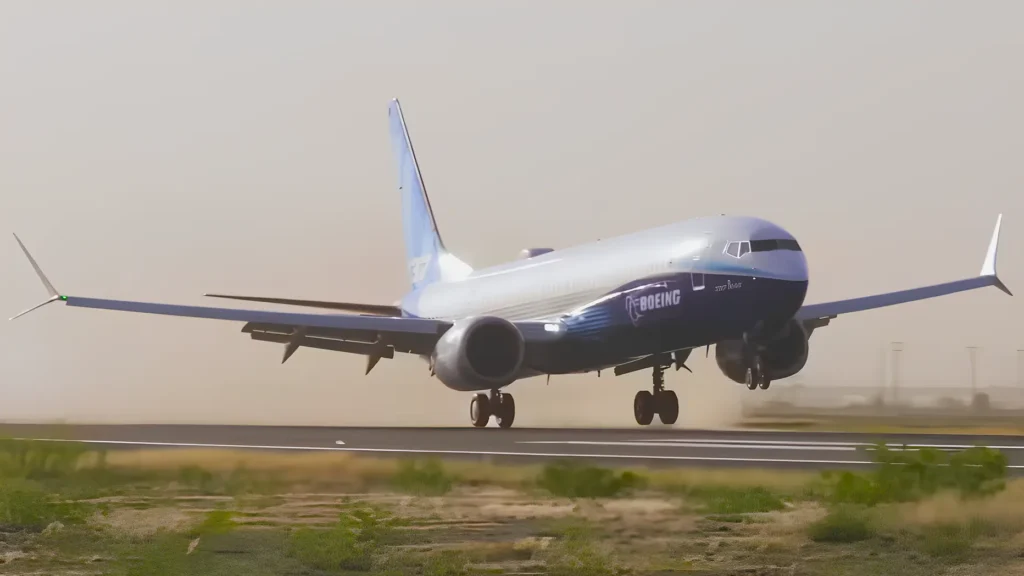
Completing flight tests does not equal certification. Boeing still needs to close its development assurance reviews (DARs) and system safety assessments (SSAs), then submit final deliverables for FAA review. As of the July 28 update, Boeing’s third development assurance review was complete, its fourth was 60% finished, and system safety assessments stood at 32% complete.
Because the 737-10 is a derivative of the original 737 type design rather than an entirely new aircraft, the FAA will issue an amended type certificate rather than a fresh one. The agency independently verifies that every certification requirement has been satisfied before granting that approval, a process that runs separately from Boeing’s own internal progress tracking.
Boeing Targets 2026 Certification as MAX 7 Also Finishes Testing
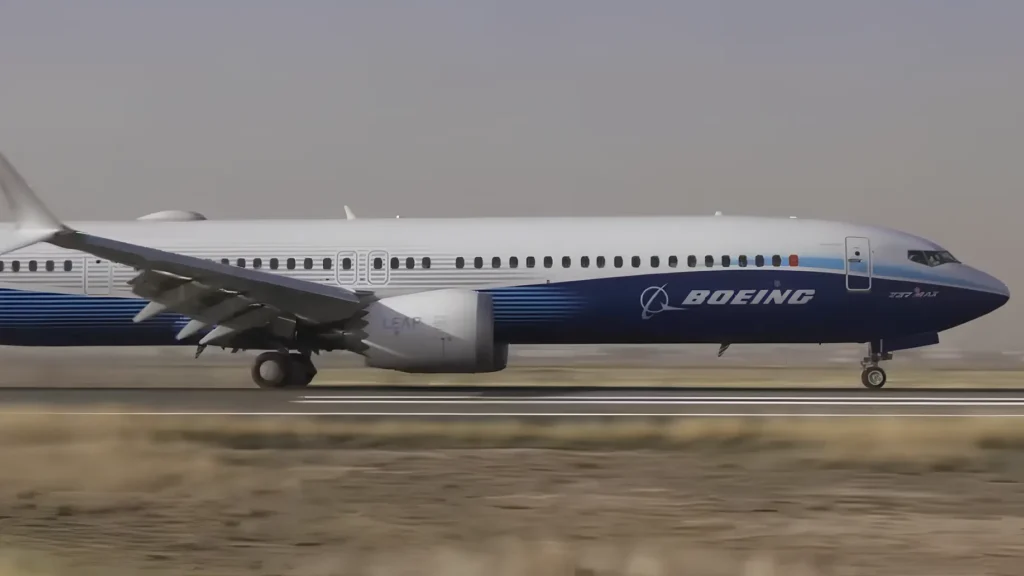
The 737-10 is not the only MAX variant reaching this stage. Boeing’s smallest MAX model, the 737-7, completed its own certification flight testing earlier in July after accumulating 686 flight hours across 441 test flights and 349 ground test hours. Chief executive Kelly Ortberg told analysts on the company’s second-quarter earnings call that Boeing expects FAA certification of both jets “very soon,” with the smaller MAX 7 clearing first, followed by the MAX 10. He said finishing the flight-test work would also let Boeing shift engineering resources toward speeding up the 777X program.
People familiar with the FAA’s internal deliberations told Bloomberg that final safety certification for the MAX 10 is likely to land in September or October, though the timing could still slip. The FAA itself has cautioned that safety considerations, not a fixed calendar, will determine the exact date.
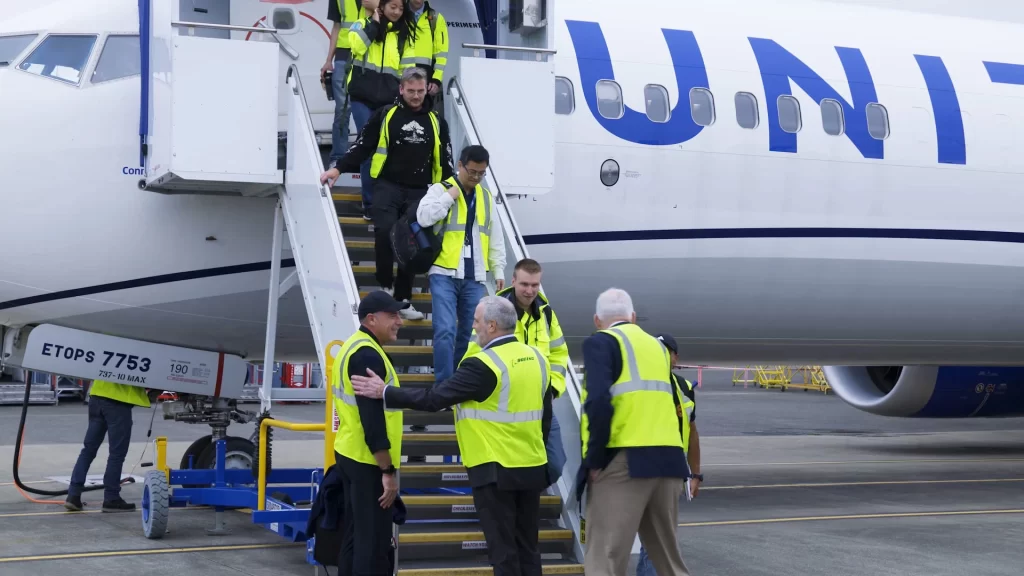
Both the MAX 7 and MAX 10 have faced years of delay. The MAX 7 was originally expected to reach the market in 2019, while the MAX 10 was targeting entry into service in 2023 when its flight testing began in 2021.
|X User
How The MAX 10 Fits into Boeing’s Wider Recovery
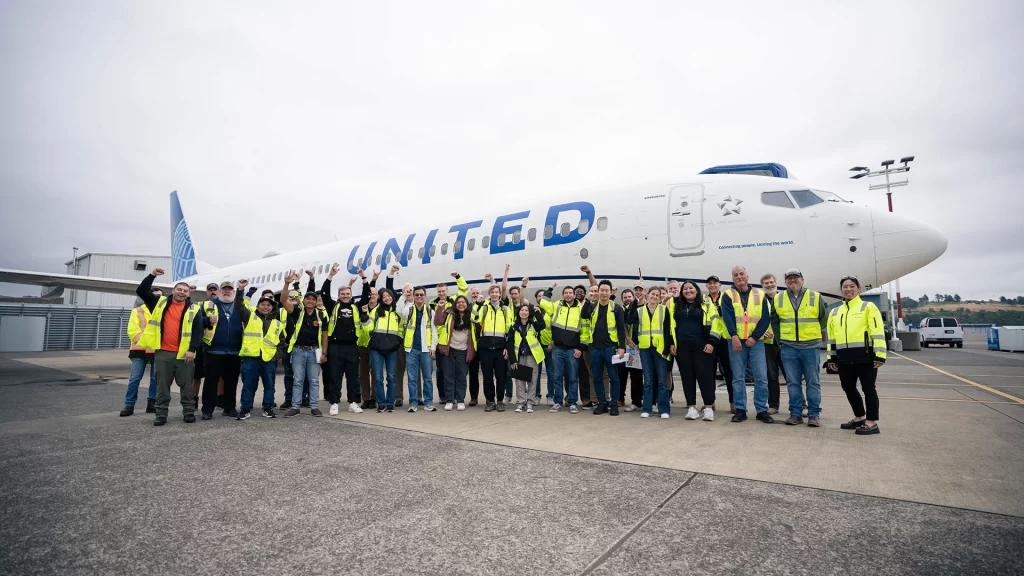
The MAX 10 carries more than 1,290 firm orders, led by United Airlines (UA) with 277 aircraft, Ryanair (FR) with 150 firm orders plus 150 options, and Alaska Airlines with 105. Delta Air Lines also holds a position on the order book. Those numbers sit inside a MAX family backlog that stood at roughly 4,774 aircraft as of December 2025, smaller than the Airbus A320neo family’s 7,114-aircraft backlog over the same period.
Boeing’s second-quarter results, reported alongside the certification update, showed 171 aircraft delivered, a 12% increase over the same period last year, with an overall company order backlog nearing 7,000 aircraft. To keep pace with that demand, Boeing has been hiring more than 100 assemblers a day and opening a new production line at its Everett facility, a buildout aimed at eventually lifting monthly 737 output toward 63 jets. Boeing frames this ramp-up as central to the long-term demand it expects industry-wide, having recently forecast a need for nearly 44,000 new aircraft deliveries by 2045.
All in All
At 43.8 metres, the 737-10 is the longest 737 ever built and can seat up to 230 passengers in a high-density single-class layout. It competes directly against the Airbus A321neo, which has held the advantage in the roughly 200-seat narrowbody segment for years while the MAX 10 waited on certification.
Once certified, the 737-10 will give Boeing a competitor across the full range of the single-aisle market for the first time since the MAX program launched in 2011.