Nepal’s government has extended a fee waiver scheme for international airlines at two of its regional airports by two more years. The Cabinet decided on Wednesday, July 22, 2026, to keep landing, parking, and navigation fees fully waived at Pokhara International Airport (PHH) and Gautam Buddha International Airport (BWA) until mid-September 2028, according to myRepublica. The Ministry of Culture, Tourism and Civil Aviation made the move to keep pushing international carriers toward the two underused airports.
The extension applies to any airline running scheduled international flights from either airport, and it also renews a 50 percent discount on ground handling charges, Khabarhub reported. Nepal introduced the original incentive package on August 12, 2024, and it was due to expire after three years. The government is renewing the scheme because both airports still see almost no scheduled international traffic, years after they opened.
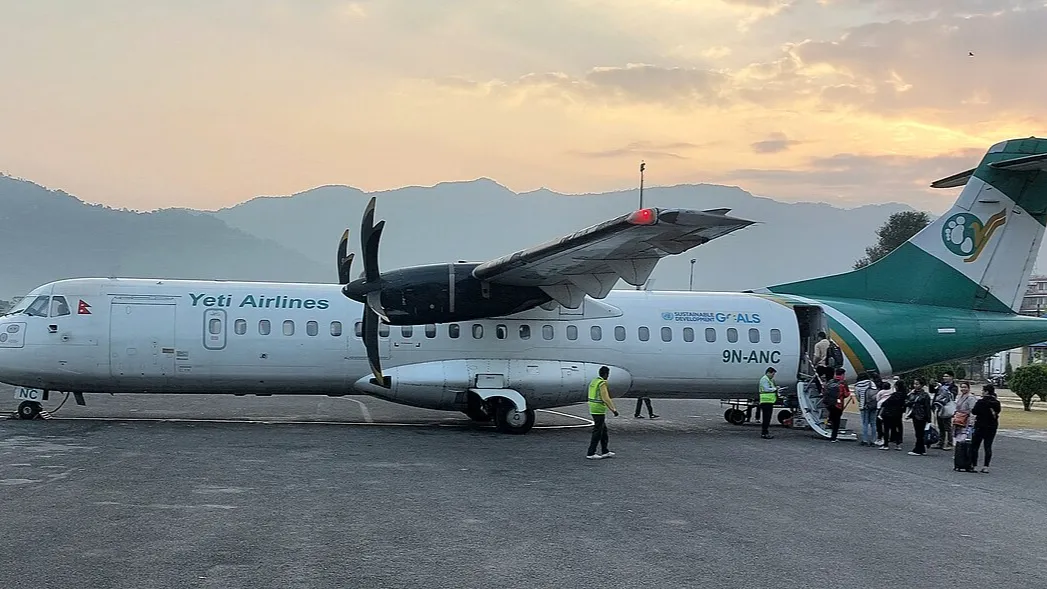
Cabinet Extends Fee Waivers at Pokhara and Bhairahawa to Mid-September 2028
The Cabinet’s Wednesday decision keeps three charges at zero for international carriers: landing fees, parking fees, and air navigation fees. It also renews the 50 percent discount on ground handling charges that airlines were already receiving. Chartered flights will not qualify for the renewed discount once the new terms take effect in October, the outlet added.
For a narrow-body aircraft, a single flight at either airport currently costs close to $1,000 in fees, while wide-body jets can pay $1,500 to $1,600 based on aircraft weight, Pokhara International Airport chief Jagannath Niroula told Ratopati. Separately, Nepal Oil Corporation sells international jet fuel at a lower rate outside Kathmandu, pricing it at $1,100 per kiloliter in Pokhara and $1,085 in Bhairahawa, against $1,566 in the capital. That combination of fee and fuel savings is central to the government’s pitch to foreign carriers.
Rajkumar Chhetri, a former Director General of the Civil Aviation Authority of Nepal (CAAN), cautioned that discounts alone will not decide an airline’s route map. He told Ratopati that no international airline chooses an airport based solely on landing fee discounts, adding that operational costs and commercial sustainability weigh more heavily. His comment frames why the fee waiver, despite its scale, has not yet produced a wave of new international routes.
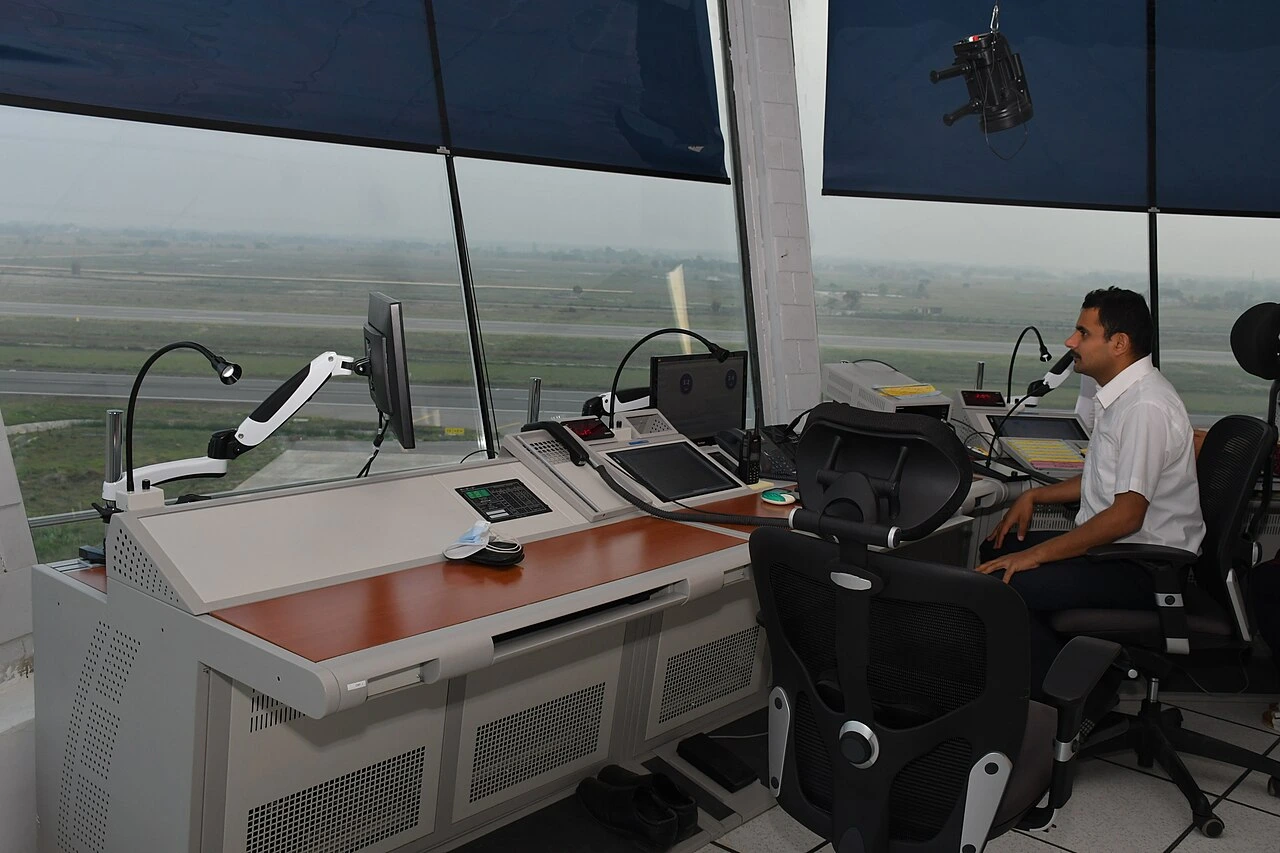
Pokhara International Airport Pins Hopes on Flydubai’s Dubai Route
Pokhara International Airport opened on January 1, 2023, as Nepal’s third international airport, built with a $215.96 million loan from the China Export-Import Bank. Since then, it has functioned mostly as a domestic hub, with only a handful of chartered international flights and a weekly Himalaya Airlines service to Lhasa. Its official IATA code is PHH.
That is set to change on September 23, 2026, when Flydubai (FZ) begins daily Dubai-Pokhara-Dubai flights, the airline’s first scheduled route to the airport. CAAN approved the route in May 2026, and the airline has already opened ticket sales. Pokhara Metropolitan City Mayor Dhanraj Acharya said the route would benefit migrant workers, students, and tourists heading to Gulf destinations, describing it as a step that would create a favorable environment for expanding regular flights to Pokhara-Dubai and other international destinations.
If the Flydubai route succeeds commercially, it would become Pokhara’s first sustainable scheduled international service, offering proof that the airport can support regular overseas operations. That single route now carries much of the weight of the government’s two-year incentive extension.
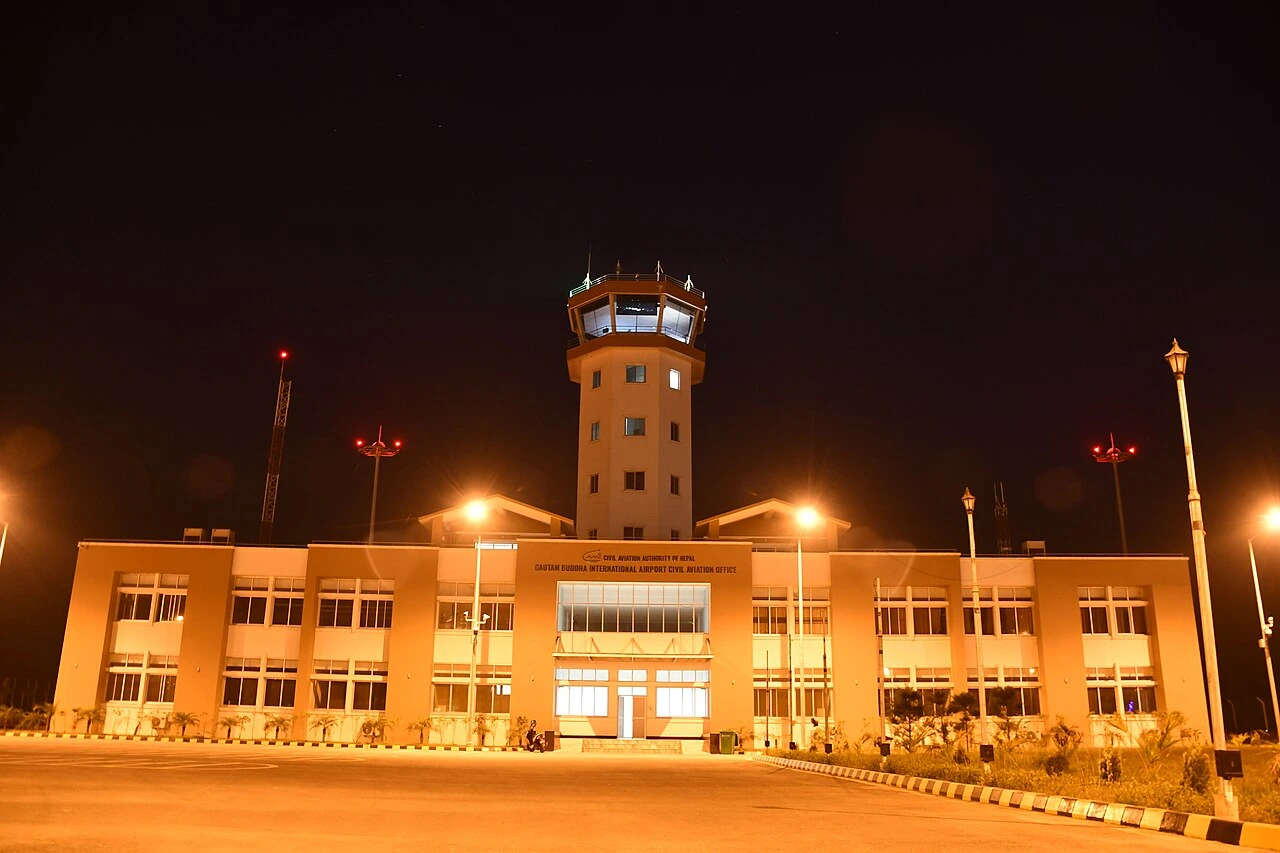
Gautam Buddha International Airport Explores Fifth Freedom Rights for Qatar Airways
Gautam Buddha International Airport, located in Siddharthanagar near Lumbini, became Nepal’s second international airport in May 2022. Its IATA code is BWA. We previously reported that airport management and CAAN are pursuing fifth freedom traffic rights, a system that would let foreign carriers fly multi-sector routes through Bhairahawa rather than just point-to-point service.
Airport General Manager Shyam Kishor Sah told Ratopati, as cited in our previous coverage, that regulatory work is underway for such a route. He said even now, Qatar Airways is operating from other countries rather than Qatar; we are preparing for Qatar Airways to operate from Bhairahawa in accordance with the “Fifth Freedom”, and added that he expects a Cabinet-level decision soon. Under fifth freedom rules, Qatar Airways could fly a Doha-Bhairahawa-third country routing, improving how it fills the aircraft on that leg.
Sah also confirmed that Nepal Airlines (RA) plans to station aircraft at Bhairahawa to anchor more predictable scheduling, a move meant to reduce reliance on Kathmandu’s Tribhuvan International Airport (KTM). Kuwait Airways already runs charter flights between Kuwait City and Bhairahawa, largely serving outbound labor migration, the same report noted.
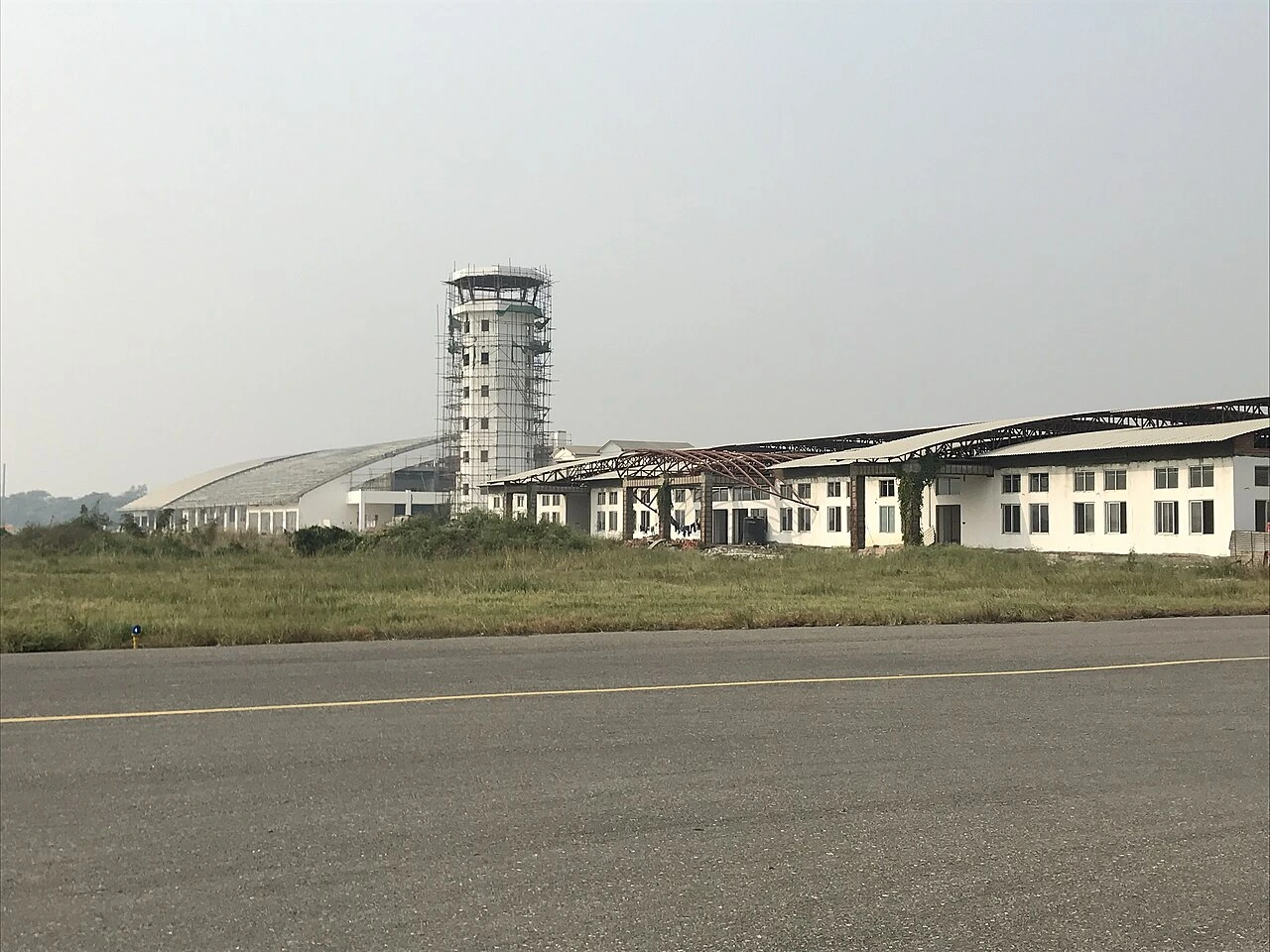
Comparing Flydubai’s Scheduled Service with Thai AirAsia’s Pilgrimage Traffic
Pokhara and Bhairahawa are pursuing two different paths to fill seats. Pokhara is betting on Flydubai’s point-to-point Dubai route to build a new market centered on migrant workers, students, and Gulf-bound travelers. Bhairahawa, by contrast, already has Thai AirAsia flying religious tourism routes tied to the Buddhist circuit, and that the airline plans to scale up to a twice-weekly winter schedule linking Lumbini and Gaya.
This divergence shows in how each airport is trying to attract carriers. Pokhara relies on fee waivers and fuel discounts to lure a low-cost carrier onto an entirely new route. Bhairahawa is trying to convert existing pilgrimage demand into denser scheduled service, while also chasing fifth freedom rights to draw a long-haul carrier like Qatar Airways onto a connecting leg. Both approaches depend on the same underlying fee waiver extension to make the economics work for airlines.
Wellness Tourism Push Targets 11% Of International Arrivals By 2030
The fee waiver extension lands alongside a broader tourism strategy that could eventually feed passengers into both airports. The Ministry of Culture, Tourism and Civil Aviation has introduced the National Wellness Tourism Strategy (2026-2035) and Action Plan (2026-2030), aiming to raise wellness tourism from roughly 2 percent of international arrivals today to 11 percent by 2030.
The plan identifies Lumbini, Pokhara, and the Kathmandu Valley among its priority clusters, and rollout will proceed in phases, starting with 500 to 1,000 international wellness visitors in 2026-27 before scaling toward 3,000 to 5,000 by 2028-29. Beyond 2030, Nepal aims to attract more than 10,000 foreign wellness tourists annually, generating $20 million to $30 million in yearly revenue. Because Lumbini sits next to Bhairahawa and Pokhara has its own airport, both fee-waived airports stand to gain directly if the wellness targets are met.
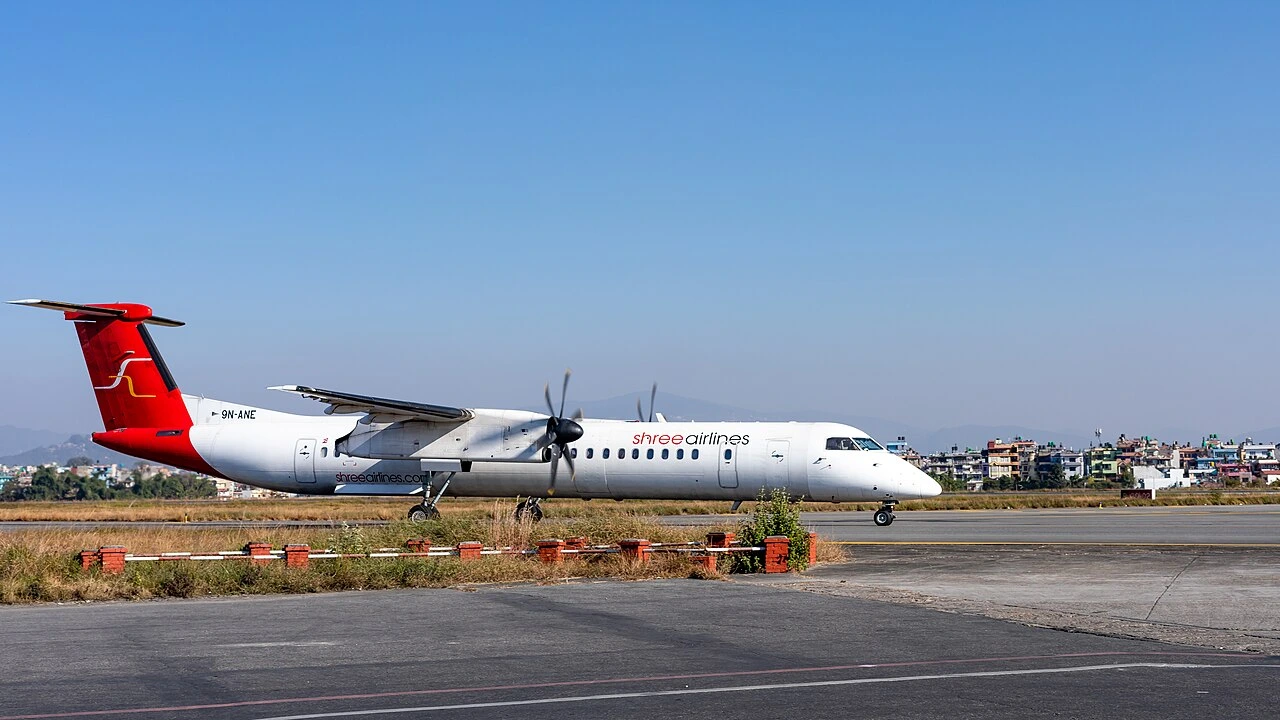
Bijay Chaurasia | Wikimedia Commons
Airspace And Runway Limits Keep Airlines Away from Nepal’s Regional Airports
Fee discounts address only part of what keeps airlines away from Pokhara and Bhairahawa. Chhetri identified five structural reasons the two airports remain commercially inactive, and the most significant one involves airspace. Aircraft approaching from the west currently have to route through Simara airspace before turning back to land, adding at least 15 to 20 minutes to flight times.
Runway length adds a further constraint. Pokhara International Airport’s runway measures 2,500 meters, compared with 3,000 meters at Gautam Buddha and 3,350 meters at Tribhuvan International Airport in Kathmandu. That gap rules out wide-body aircraft such as the Airbus A330 and Boeing 777 from using Pokhara. Other constraints include:
- Limited air routes from India, which restricts connectivity for both regional airports
- Weak international awareness of Lumbini as a destination, even among some tour guides
- Reliance on charter and diversionary traffic rather than scheduled origin-destination demand at Bhairahawa, the same report noted



_Taking_off_from_Tribhuvan_International_Airport_(TIA)-070A2297.jpg)
-070A2337.jpg)