Nepal’s Ministry of Culture, Tourism and Civil Aviation has unveiled a comprehensive five-year action plan under the National Health Tourism Strategy (2026–2035) to position the country as a global wellness destination. Announced in Kathmandu, the framework integrates natural landscapes, spiritual heritage, and traditional healing systems into a structured tourism economy.
The government aims to attract 11% of Nepal’s total international arrivals for health tourism by 2030, leveraging destinations such as Lumbini, Pokhara, and the Kathmandu Valley, RatoPati reported. Officials described the strategy as a long-term effort to link wellness tourism with national economic expansion under the vision of “Health Tourism Destination Nepal, Basis of Economic Prosperity.”
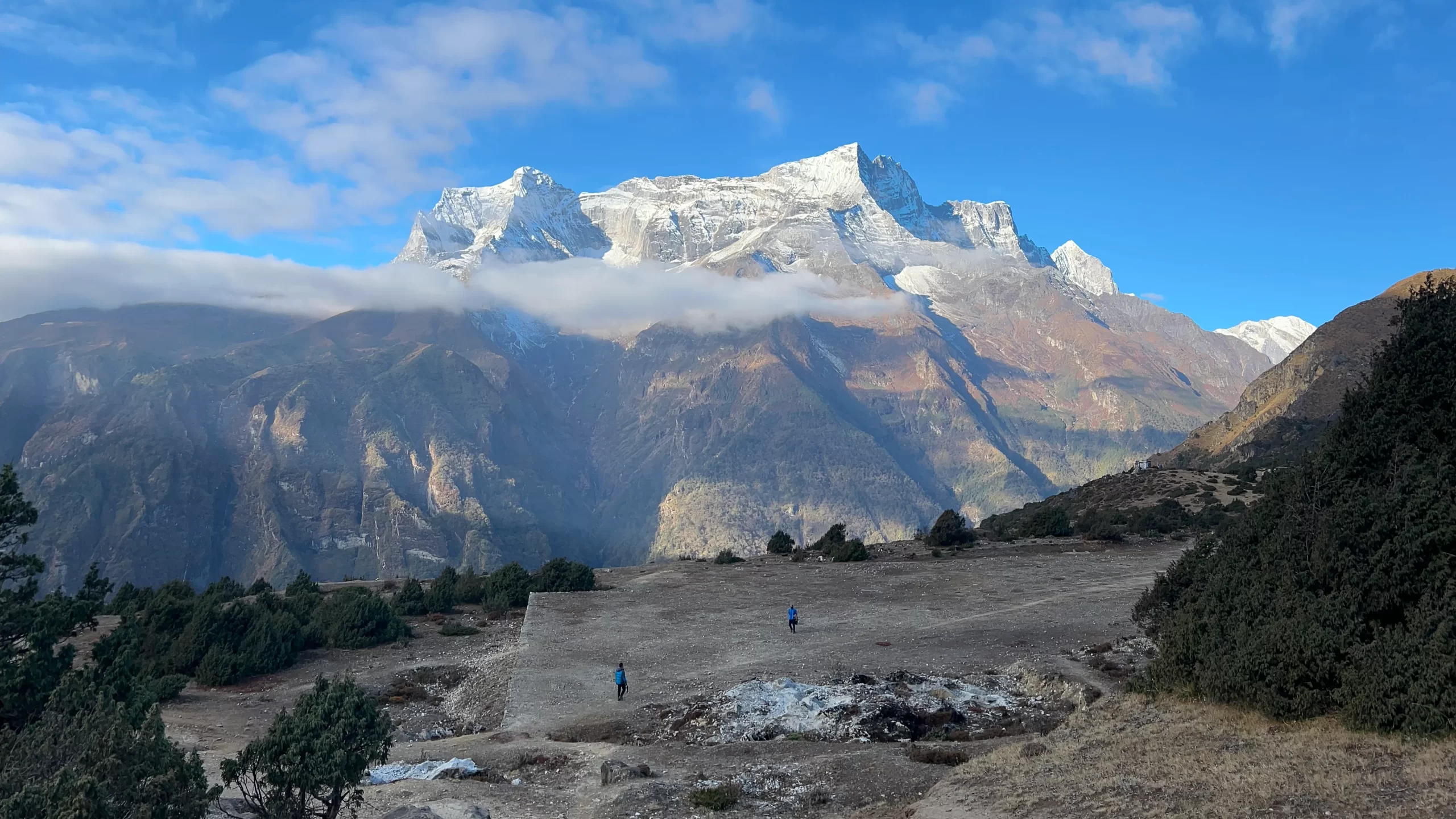
Pedestrians in Syangboche Airport’s runway
Nepal National Health Tourism Strategy Targets Global Wellness Market Expansion
The Ministry of Culture, Tourism and Civil Aviation outlined that the National Health Tourism Strategy (2026–2035) will serve as the guiding framework for developing Nepal’s wellness tourism ecosystem. The policy integrates:
- destination branding
- service quality enhancement
- inclusive economic participation
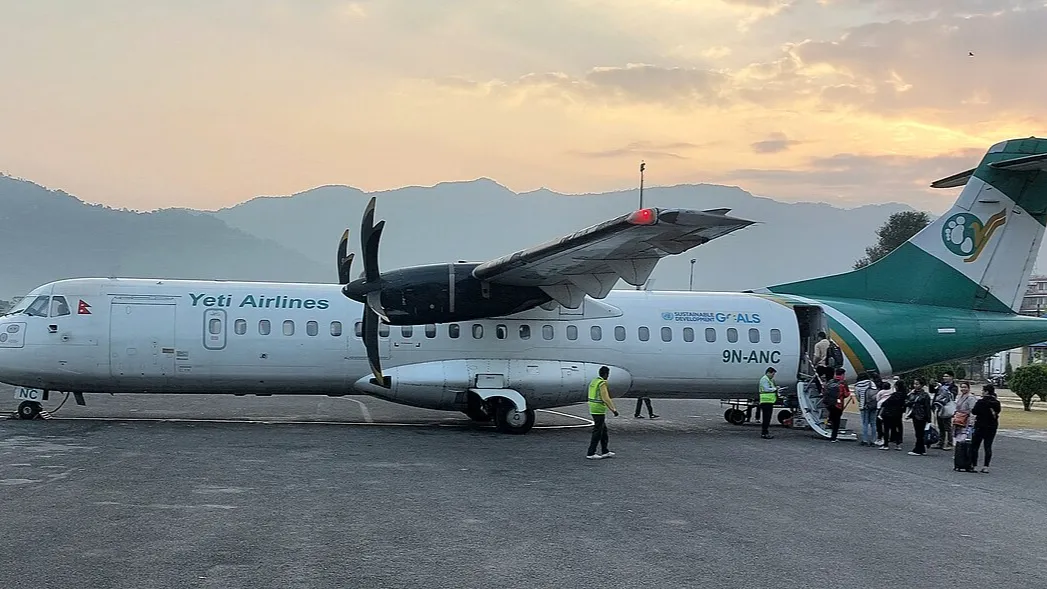
Four-Pillar Framework Defines Nepal Wellness Tourism Roadmap
The national plan is structured around four core pillars:
- destination development
- service quality
- trust building
- inclusive benefit distribution.
These pillars are intended to ensure both competitiveness in global markets and sustainability in local economies. Under destination development, the government will promote specialised wellness zones across the country, while the service quality pillar introduces regulatory standards and certification mechanisms for practitioners in yoga, spa, and Ayurveda sectors.
Trust-building measures focus on compliance, monitoring, and standardised service delivery frameworks.:
| Phase / Timeline | Key Targets | Infrastructure & Operators | Tourist Numbers | Estimated Economic Output |
|---|---|---|---|---|
| Pilot Phase (up to 2027) | Testing and validation of wellness tourism model | Partnership with 10–15 certified operators; development of 5–8 premium wellness facilities | 500–1,000 international wellness tourists | Not specified (focus on system testing) |
| Expansion Phase (2027–2029) | Scale-up of operational capacity across major tourism hubs | Expansion to over 40 certified operators; establishment of 10+ wellness facilities | 3,000–5,000 wellness tourists annually | USD 6 million – 12 million |
| Target Year (2030) | Establish Nepal as a structured global wellness tourism destination | Integrated wellness centres in at least five key regions | 500–1,000 international wellness tourists (refinement phase) | USD 1 million – 2 million |
| Post-2030 Vision | Position Nepal as a global leader in wellness tourism | Over 25 specialised wellness programmes including Himalayan Ayurveda, wellness treks, and monastic meditation practices | Not specified (focus on maturity and global positioning) | Long-term leadership-driven growth |
Data: New Business Age
Across all phases, the strategy places strong emphasis on inclusive workforce development. The government plans to train and certify 2,000 new health and wellness professionals through nationally recognised programmes, while ensuring that at least 30 percent of new employment opportunities in the sector are allocated to women, youth, and members of local communities.

Himalayan Wellness Ecosystem to Integrate Herbal and Climate-based Therapies
High-altitude regions such as Manang and Mustang are identified for specialised wellness programmes based on Himalayan herbs and climatic therapies. The government aims to integrate traditional healing knowledge with structured wellness services to differentiate Nepal from other global wellness destinations.
In research published in 2010, as many as 121 medicinal plant species in Mustang were documented, spanning 49 vascular plant families and 2 fungal families, and representing 92 genera. These species are traditionally used to treat 116 different ailments.
Authorities stated that this herbal-based therapies in Mustang and Manang will combine indigenous medical practices with regulated service frameworks, allowing wellness tourism to extend beyond hospitality into therapeutic experiences.
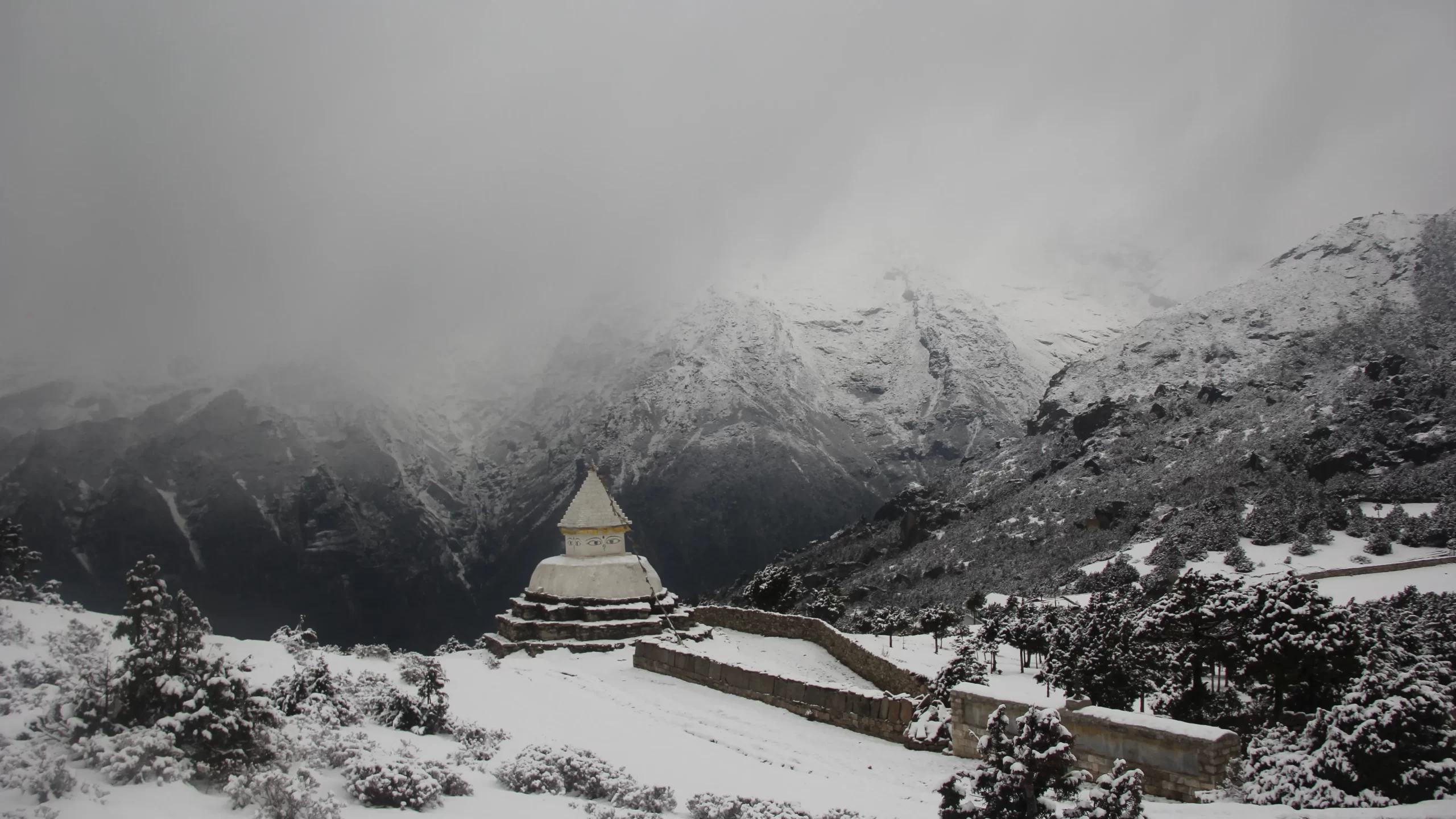
International Branding Strategy introduces “Heal in Nepal” digital campaign
To strengthen global visibility, Nepal will launch the “Heal in Nepal” digital platform alongside the “Wellness Nepal” international campaign. These initiatives will target major outbound tourism markets, including the United States, Germany, the United Kingdom, and Australia.
According to Ratopati,:
Mandatory permits and minimum qualification criteria have been set for yoga and meditation teachers, spa therapists, and Ayurvedic healers. Services include Panchakarma, Shirodhara, various types of massage, Vipassana, sound healing, and chakra healing, encompassing both traditional and modern methods.
A three-tier certification system—bronze, silver, and gold— will be implemented to help tourists identify service quality levels. The government also plans structured training under a “Tri-Path” model focusing on certification, professional development, and communication skills for global clients.
China, India, and Southeast Asian countries have been categorised as secondary priority markets. The campaign will rely on digital marketing tools, influencer collaborations, and international travel platforms to expand outreach.
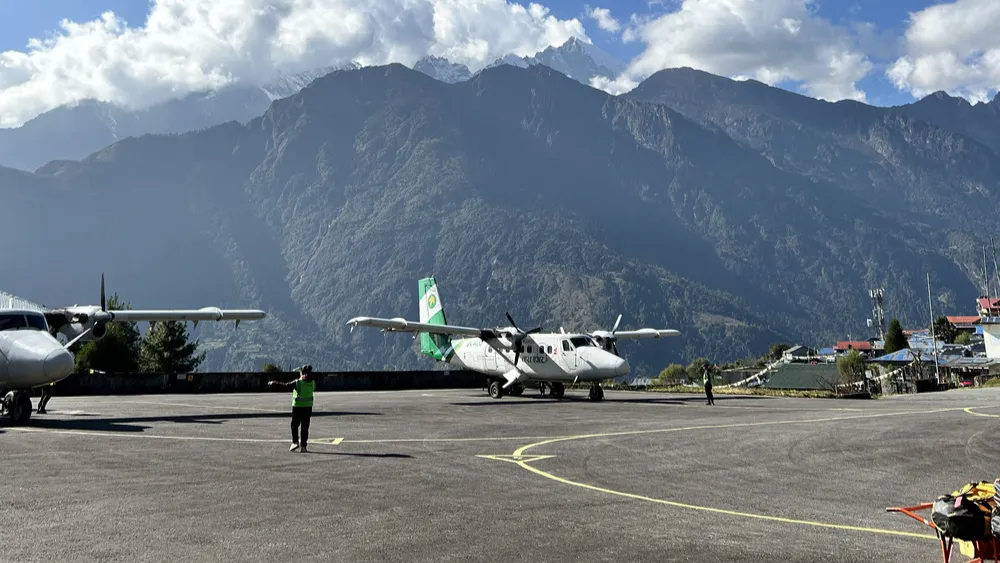
Nepal plans health tourism development fund and PPP investment model
To support infrastructure expansion, the government will establish the Nepal Health Tourism Development Fund under a one-door investment facilitation mechanism. The initiative aims to streamline funding and attract private sector participation.
Nepal Wellness Tourism Pilot Projects (PPP Model)
| Location | Project Type | Key Features | Timeline |
|---|---|---|---|
| Pokhara / Kathmandu Valley | International-standard wellness retreat | Spa services, yoga, meditation, naturopathy packages aligned with global wellness tourism standards | By end of 2027 |
| Himalayan region (unspecified site) | Himalayan wellness retreat center | Integrated wellness programmes including spa therapy, yoga, meditation, and naturopathic healing | By end of 2027 |
| Lumbini | Wellness village | Spiritual wellness-focused destination leveraging cultural and religious heritage | By end of 2027 |
| Hill station (boutique model) | Boutique wellness village | Small-scale curated wellness tourism experience in a hill environment | By end of 2027 |