United Airlines (UA) is reportedly considering buying the first batch of Boeing 777X aircraft after Emirates (EK) refused to take delivery of them, according to multiple aviation industry sources. The Dubai-based carrier, the largest single customer of the Boeing 777X, rejected the first 10 airframes because they would need extensive rework to meet current production standards.
The planes in question have sat parked for years after being built ahead of schedule, before the Boeing 737 MAX crisis slowed the 777X certification process to a crawl. United, which has not placed a firm order for the 777X, is now reportedly weighing whether to take on these orphaned jets at a discount, according to Simple Flying, citing multiple reports. No party has confirmed a deal, and the story is still developing as of 24 July 2026.
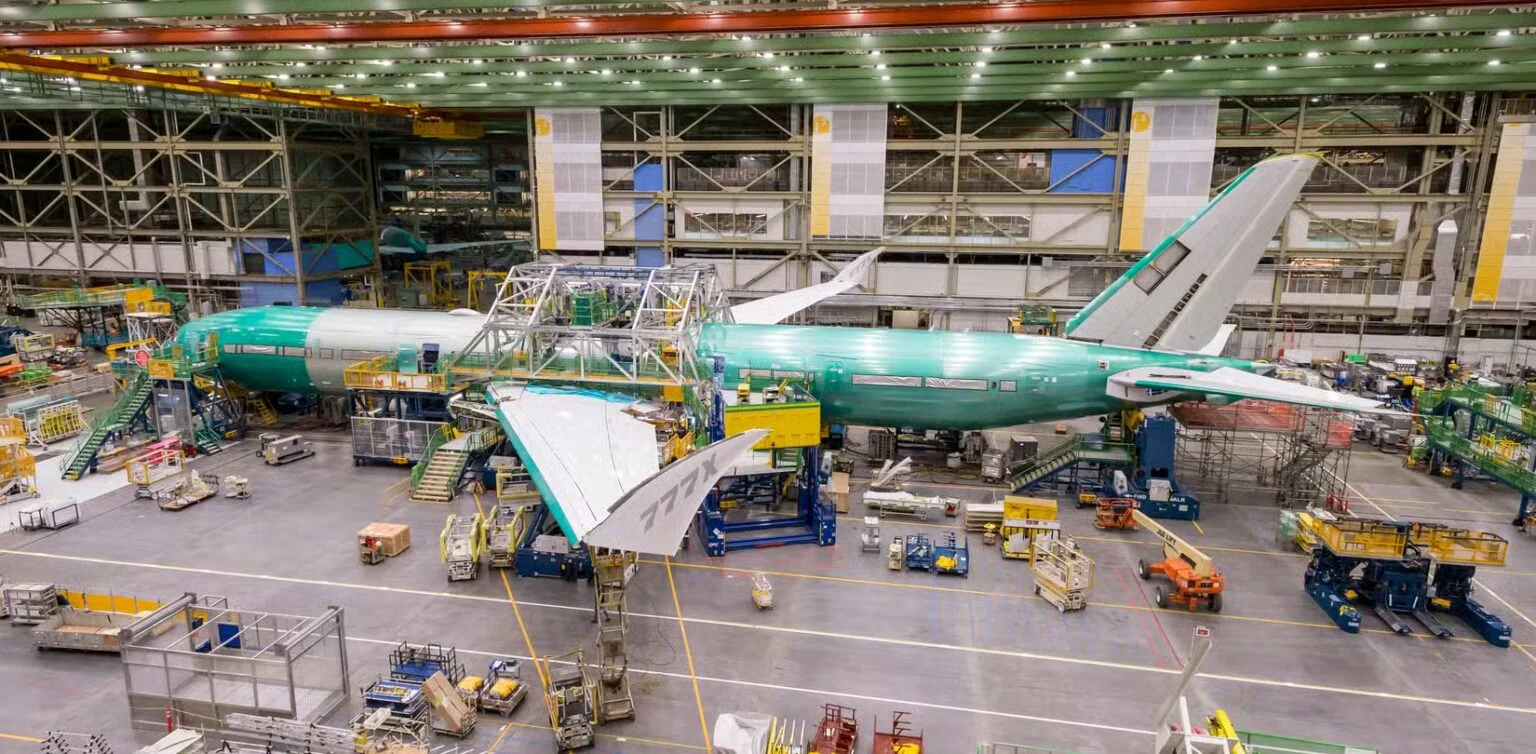
Why Emirates Rejected the First Boeing 777X Airframes
Emirates President Tim Clark said the first batch of aircraft would require too many modifications to be worth accepting. He said the changes needed since the early test flights had been so extensive, including a static-test failure, that the seven-year-old airframes were no longer fit for purpose.
Clark did not hold back on how he thinks Boeing should handle the rejected planes. He suggested Boeing could sell the frames to Heinz as “baked bean cans,” a remark he made at the Farnborough International Airshow that quickly spread across aviation media.
Emirates is currently the largest 777X customer with 270 aircraft on order, and Clark says the airline still expects its first compliant delivery in the second quarter of 2027. The rejection covers only the earliest production batch, not the airline’s full order.
The 737 MAX Crisis and FAA Scrutiny Behind the Delays
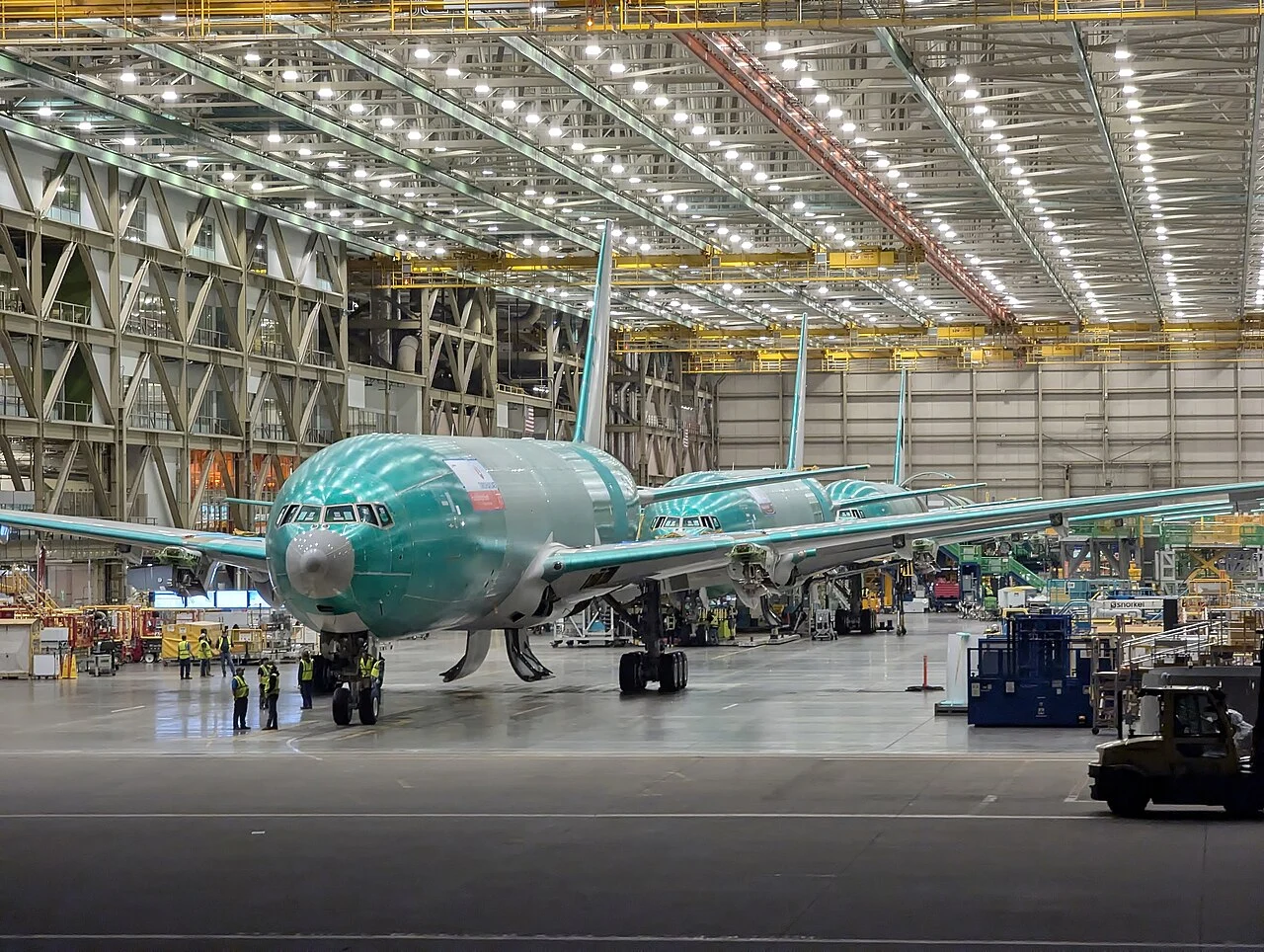
The rejected aircraft trace their problems back to Boeing’s wider regulatory troubles. Several 777-9 airframes were built in advance of certification in hopes of an early entry into service, but that timeline collapsed after the two fatal 737 MAX crashes in 2018 and 2019.
The Federal Aviation Administration (FAA) responded with intense scrutiny of Boeing’s certification processes, including a review of the Maneuvering Characteristics Augmentation System that contributed to the MAX crashes. That scrutiny extended to the 777X program, repeatedly pushing back its target entry-into-service date from an original goal of 2020.
Boeing’s ‘Terrible Teens’ Problem with Stored 777-9s
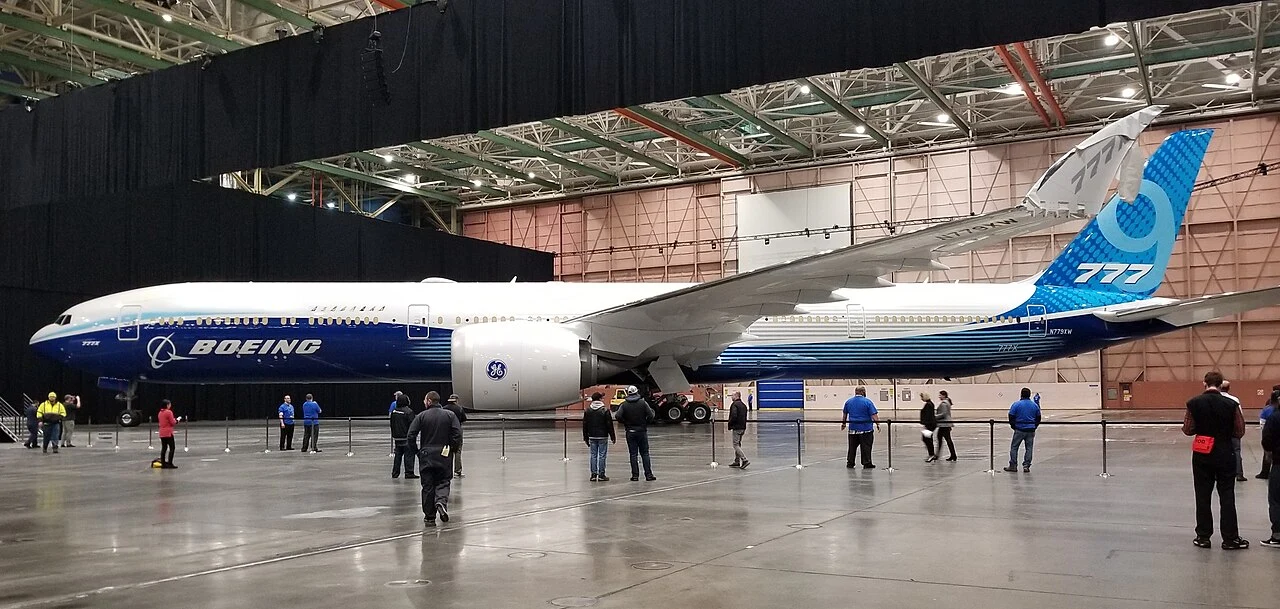
Industry analysts have compared the situation to Boeing’s earlier struggles with early-build 787 Dreamliners, a group of aircraft nicknamed the “Terrible Teens” because of how difficult they were to sell after years in storage. Leeham News and Analysis reported that Boeing faces a similar scenario with more than 30 early-build 777-9s assembled since 2019, all requiring a large amount of change incorporation before they can be certified.
Emirates is not the only customer showing reluctance. Other 777X operators have reportedly expressed doubts about accepting inventory aircraft from Boeing’s stored fleet, with at least one other unnamed airline also declining early-build frames.
Boeing has acknowledged the scale of the challenge directly. Chief Executive Kelly Ortberg said during a 2026 earnings call that the change incorporation process for these stored jets would take “years” to complete.

Where United Airlines Fits into the Picture
United Airlines currently operates an all-Boeing widebody fleet, a detail that makes it a plausible landing spot for the rejected 777X frames. The airline’s widebody lineup, according to ch-aviation data, includes:
- 37 Boeing 767-300ERs and 16 Boeing 767-400ERs
- 63 Boeing 777-200/-200ERs and 22 Boeing 777-300ERs
- 87 Boeing 787 Dreamliners in service across the -8, -9, and -10 variants, with 132 more on order
- 45 Airbus A350-900s on order, marking the airline’s first widebody Airbus type
United’s push into Airbus widebodies has also been complicated by an ongoing $175 million legal dispute with Rolls-Royce over engine deliveries, which has delayed the carrier’s A350 rollout. That backdrop gives United another reason to consider locking in Boeing capacity while its Airbus order works through supply issues.
If United does proceed, it would become the US launch customer for the Boeing 777X, and because the airframes are already built, the airline could plausibly bring them into service faster than an order for new-build jets would allow.
What Happens Next for the Orphaned 777Xs
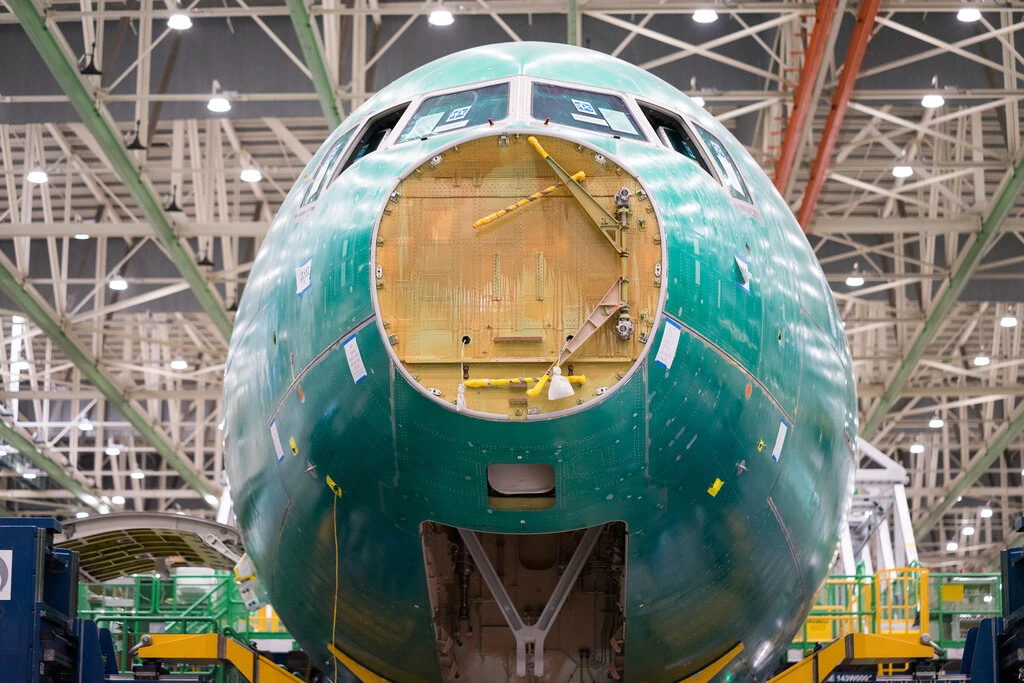
Whether United Airlines proceeds with an order remains unconfirmed, and the airline has not issued an official statement on the matter. Boeing has not commented publicly on which customers, if any, will take the earliest 777X airframes.
Analysts note that US carriers have historically shown limited interest in the 777X’s size and range, since its capacity exceeds what fits comfortably into the hub-and-spoke networks used by the country’s largest airlines. A United order, even at a steep discount, would mark a notable shift in that pattern and give Boeing a way to clear its backlog of stored aircraft.

_(cropped).jpg)
