Emirates (EK), the carrier only recently introduced U-Dream headrests in economy class, will not accept delivery of the first 10 or 11 Boeing 777X aircraft built for the airline, its president Tim Clark confirmed at the Farnborough International Airshow on July 21, 2026. Clark said the jets, built as early as 2019, carry too many outdated modifications to be worth retrofitting.
He made the announcement during a media round table in Farnborough, England, telling reporters that Emirates has already informed Boeing of the decision. Emirates will reject the first 10 or 11 of its huge Boeing 777X order because of their age and the number of modifications made to them.
The rejection affects only the earliest airframes from Emirates’ order of 270 Boeing 777X jets, the largest order for the type from any airline. Speaking at a media round table at the air show, Clark said the Dubai-based carrier had informed Boeing of its decision.
The wider 777X program remains on track for certification, with Emirates still expecting its first jet in the second quarter of 2027. The decision matters because it signals how airlines are handling years of Boeing delivery delays, and because it raises questions about what happens to aircraft nobody wants.
Why Emirates Rejected the Early Boeing 777X Jets
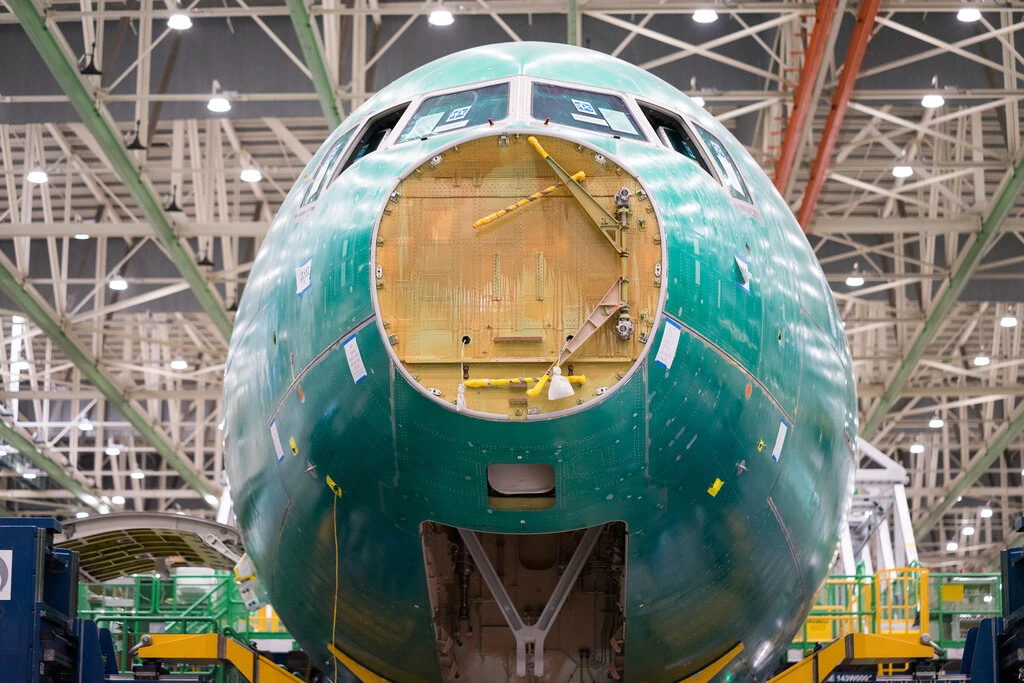
Clark explained that the rejected jets are too old and too heavily modified to bring up to today’s standard. Clark said, “the modifications for the airframe have been so significant since the early flights, and don’t forget we had a static-test failure as well.”
The aircraft were built for a delivery date that has now slipped by roughly seven years, and the mismatch between their original specification and the current one makes rework impractical.
Age is the other core issue. The first Boeing 777X airframe built for Emirates rolled out in 2019, and Clark said accepting it now would mean flying a jet that never carried a passenger yet is already old by fleet standards. “If we were to take those aircraft in Q1 2027, they will be eight years old,” Clark said on Tuesday. Emirates has 270 Boeing 777-9s on order in total, so the rejected batch represents a small fraction of the overall commitment, even as it draws outsized attention.
A Seven-Year Delay and Its Technical Roots
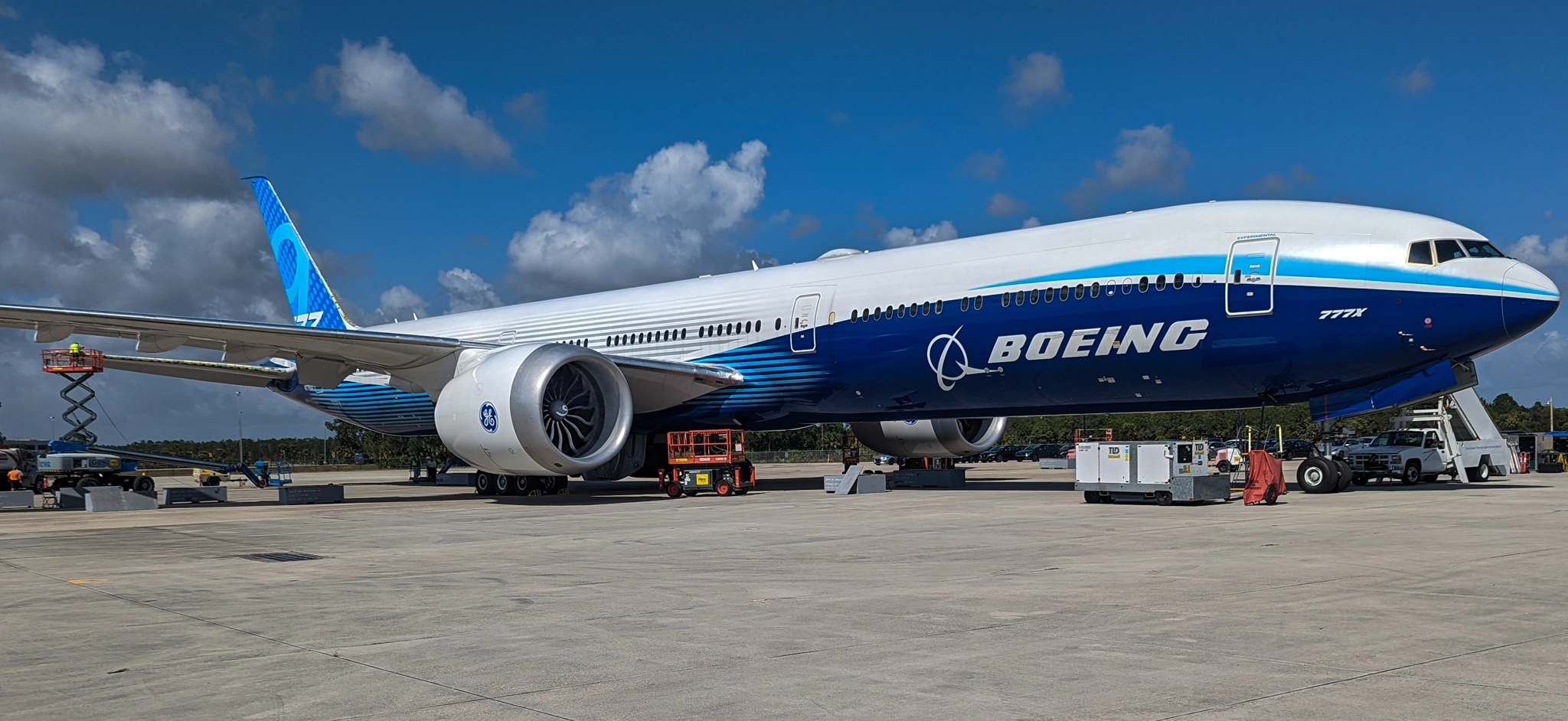
The Boeing 777X program was originally supposed to enter service in 2020. The Dubai airline has ordered a total of 270 new 777X planes from Boeing at $440m (£330m) apiece, with the first jet built in 2019. That timeline slipped repeatedly because of design and testing setbacks rather than a single cause.
Several separate issues pushed the schedule back:
- A software fix was required in 2020 after test pilots reported a pitch-up tendency during flight testing.
- Boeing paused GE9X engine test flights in 2024 following a thrust-control malfunction.
- Structural testing uncovered an early airframe failure during a pressure test, which forced further design changes.
- GE Aerospace found cracking in a GE9X engine seal during a January 2026 inspection, though the manufacturer says this has not affected the certification timeline.
The Air Current recently disclosed that one of the first aircraft scheduled for Emirates has been dismantled and scrapped by Boeing in 2025, which stated that the economics to repair were too high to undertake. That scrapping foreshadowed the wider rejection Clark announced at Farnborough.
What Happens to The Rejected Jets Now
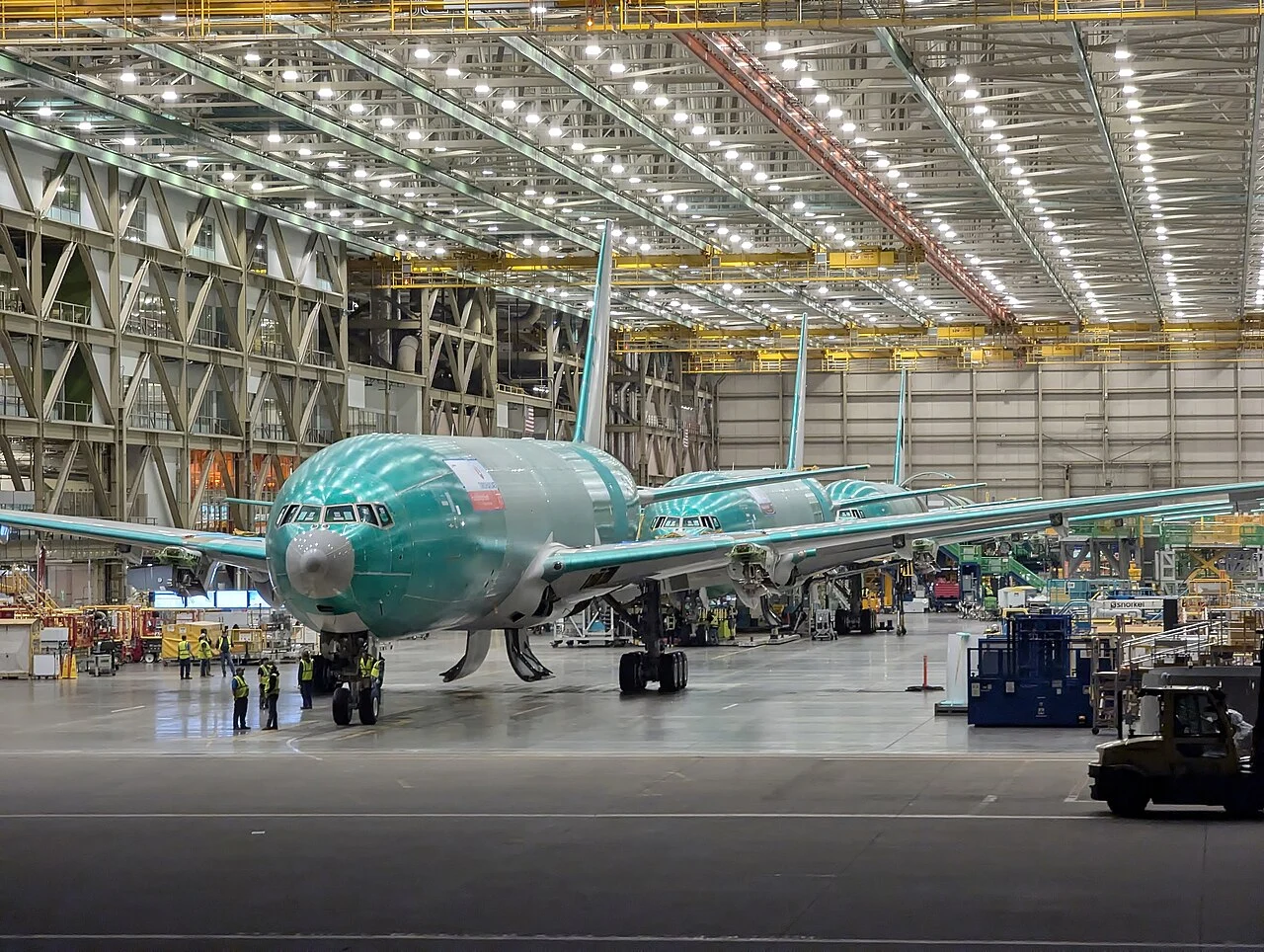
Boeing has not said publicly what it will do with the unwanted airframes, though Clark suggested he understands the manufacturer is searching for another buyer. Speaking to The Telegraph, he offered a blunt alternative. “We’re not taking that batch and that’s it,” Sir Tim said. “As far as we’re concerned, what they do with them is up to them.” He added that Heinz, the food company known for canned goods, might take an interest in melting the jets down for baked bean tins.
Clark does not expect the rejected aircraft to find a home easily. He predicted that the aircraft “are not going anywhere, unless you give them away for $10 million or so,” calling that outcome “commercial reality.” That estimate is a fraction of the roughly $440 million list price Emirates originally agreed to pay per aircraft, underlining how much value the early jets have lost while waiting on the ground.
Emirates’ Broader Boeing 777X Commitment and Testing Plans
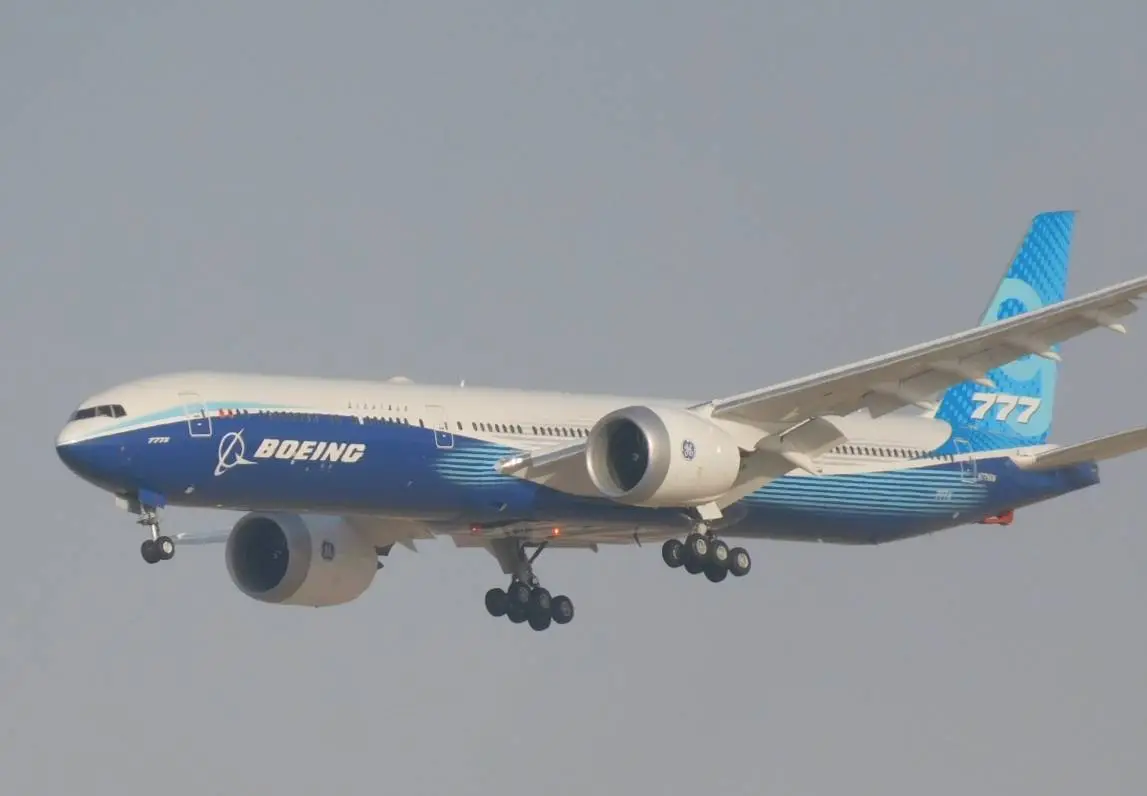
Despite rejecting the earliest batch, Emirates remains fully committed to the Boeing 777X program as a whole. The airline plans to bring one of the newer test aircraft to Dubai this September for extensive ground and performance checks before entry into service. Clark expects Boeing to deliver the first, latest-standard 777-9 in the second quarter of 2027.
Once that aircraft arrives in Dubai, Emirates intends to test it under demanding local conditions. “It will be put through everything we need to put it through,” Clark said. Following the campaign, engineers plan to dismantle the GE9X engines for deep inspection after they have run in the region’s heat and dust, a step Clark treats as essential before accepting any aircraft for revenue service.
Clark also used the Farnborough briefing to look beyond the current 777-9 order. The Emirates president reiterated his interest in a larger version of the 777X, should Boeing offer one, saying, “We do want a bigger one.” He noted that higher maximum takeoff weight and greater engine thrust options are already becoming available and said he is confident Boeing’s industrial system can eventually build a stretched variant.

.jpg)

