Indian billionaire Gautam Adani’s group is considering launching a new airline, according to two sources with direct knowledge of the matter cited by Reuters. The move could reshape competition in a market dominated by IndiGo (6E) and Air India (AI) – two of the biggest carriers in India. No final decision has been made, and the group is still weighing its options.
The plan marks a sharp reversal for a company that operates airports rather than airlines. The Adani Group runs eight airports in India, including two in Mumbai, and has an $11 billion expansion strategy, but had earlier said it was not looking to enter the airline business. Adani and India’s civil aviation ministry did not respond to Reuters’ queries on the matter.

Why The Government Is Nudging Adani Toward Aviation
The idea did not originate inside Adani’s boardroom alone. Adani’s thinking has emerged after the Indian government privately nudged business groups, including Adani, to consider starting an airline, driven by two separate crises playing out in Indian skies.
A source close to the matter framed the calculation bluntly. It’s a difficult business, but Adani wants to consider it in national interest, the source told Reuters, adding that the government had realised that Air India’s struggles and the IndiGo crisis meant another major airline was needed.
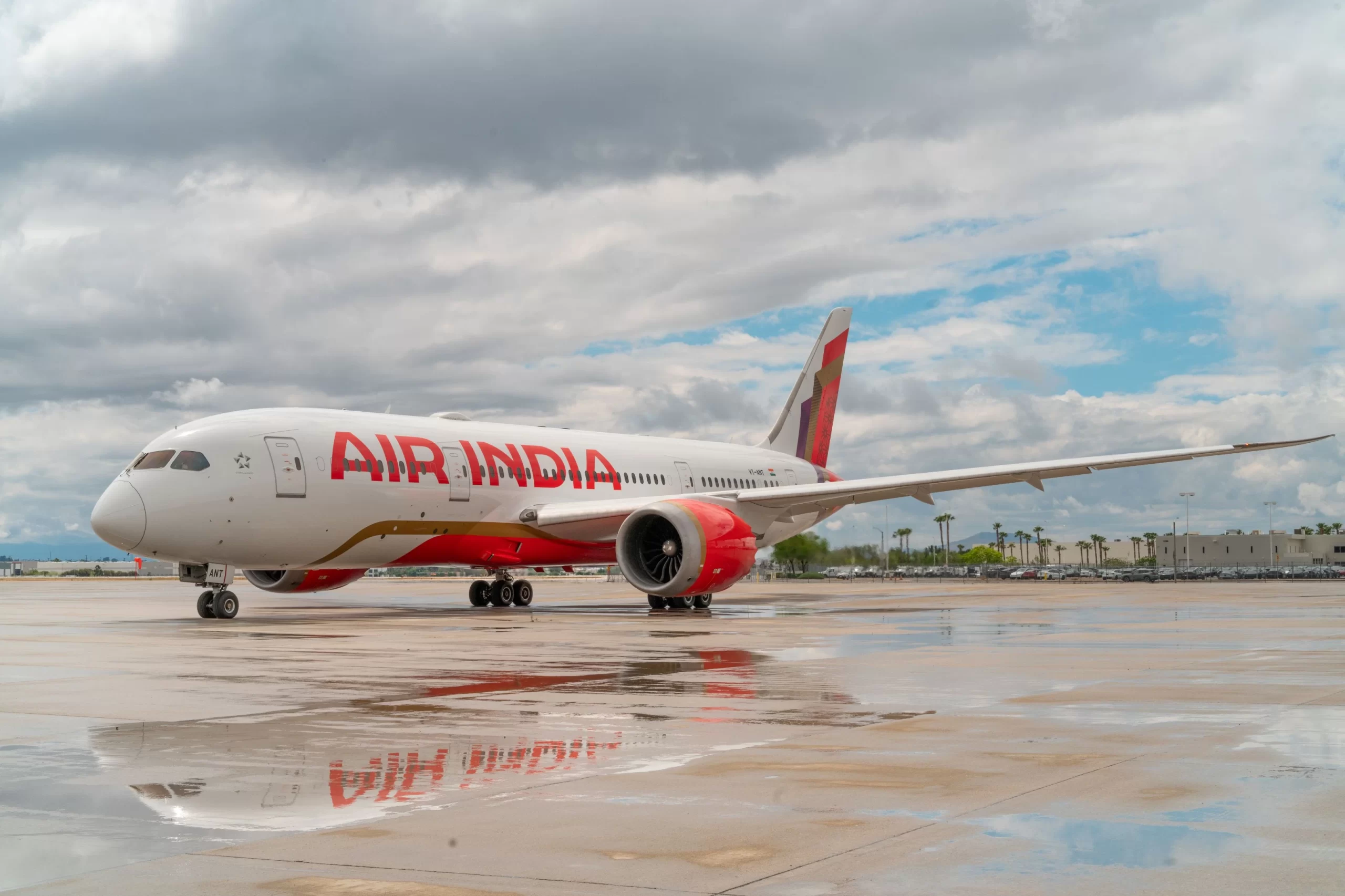
The first pressure point is Air India. The carrier has faced intense safety scrutiny since last year’s Dreamliner crash that killed 260 people. That accident, involving a Boeing 787-8 flying from Ahmedabad to London, remains India’s deadliest aviation disaster since 1996.
The second is IndiGo (6E), India’s largest carrier. In December, India warned IndiGo of regulatory action after it cancelled thousands of flights because of a shortage of pilots, stranding passengers and forcing government action to limit a surge in airfares caused by the crisis. A third carrier, SpiceJet, is separately battling financial challenges.
From Flat Refusal to Open Consideration
The reversal is notable because Adani ruled this out on the record just months earlier. Adani’s youngest son, Jeet Adani, who is a director at Adani Airports, told Reuters in December the group was not interested in the airline business because it has thin margins and the group did not have the “mindset” needed to run a carrier.
Jeet Adani drew a clear line between infrastructure and operations at the time. Our comfort and our core competency is in creating hard assets on the ground, long-gestation assets, running them quite efficiently, he said, according to Reuters. Adani has since continued to bet big on aviation infrastructure, even as the group now reconsiders crossing into airline operations itself.

How This Compares with the Parallel Push to Let GMR Own Airlines
Adani’s own deliberations are unfolding alongside a separate but related policy shift that would affect GMR Airports, the operator of Delhi’s airport. India is examining whether to relax rules that currently cap what airport operators can own in an airline.
At present, operators of the Delhi and Mumbai airports cannot hold more than a 10% stake in an airline, and any relaxation would require legal clearance from the law ministry before being placed before the Union Cabinet for approval. If cleared, the Adani Group, which operates Mumbai airport along with seven other airports, and GMR Airports, which manages Delhi airport and four more airports in the country, would be eligible to own carriers of their own.
Analysts flagged a conflict-of-interest risk in that scenario. While this could ease the near-duopoly the two carriers hold over Indian skies, it also raises the possibility of new imbalances, such as airport operators giving preferential slots to their own airlines. Unlike the airline Adani is now weighing directly, the ownership-rule change would apply to both Adani and GMR simultaneously, making it a broader structural fix rather than a single company’s decision.

Adani’s Aviation Footprint Is Already Vast
Whatever Adani decides on an airline, its airport business keeps expanding. The group’s Navi Mumbai and Mumbai airport operations sit at the centre of that build-out, and Adani Airports has laid out an aggressive capital plan around them.
- Adani Airports operates eight airports across India, and is reportedly planning to list its Adani Airports unit by 2027, as part of a growth plan that requires investing $100 billion across businesses over the next few years, Bloomberg News has reported.
- The company also doubled the pace of its capital spending plan and now expects to allocate $100 billion in five to six years instead of spreading it out over a decade as announced before.
- The airport unit secured a $750 million investment last week from a consortium of international banks, part of which will refinance existing debt.

New Entrants Are Already Lining Up
Adani would not be alone in testing the duopoly. Smaller start-ups have already secured regulatory clearance to fly. One such carrier, FlyExpress, has also received its NOC, though details on its fleet and routes remain limited, and is expected to focus on Tier-2 and Tier-3 cities under the UDAN scheme, tapping into regional demand that remains underserved by larger carriers.Analysts remain cautious about how much these new entrants, Adani included, could actually change the balance of power. The arrival of three new airlines in 2026 is unlikely to immediately weaken IndiGo’s grip. High fuel taxes, thin margins and intense price competition have historically driven airlines out of business, with Jet Airways, Kingfisher and Go First cited as cautionary tales.