Akasa Air (QP) plans to operate flights under India’s regional connectivity scheme UDAN, according to founder and CEO Vinay Dube. Dube shared the plan in an interview with Press Trust of India (PTI) on July 5, 2026, days after the government launched a modified version of the scheme. The airline will study routes on a sector-by-sector basis before committing to specific UDAN destinations, Dube said in a piece reported by Business Standard. The move places Akasa, India’s youngest scheduled carrier, alongside larger rivals that already fly under the government programme.
The announcement comes as the carrier, based in Mumbai, nears four years of commercial operations next month. Dube tied the UDAN plan to a broader update on fleet growth, saying deliveries of new Boeing 737 MAX jets remain steady and predictable through 2032. He also addressed the airline’s staffing strategy, its financial turnaround, and its stance on two separate government relief schemes for fuel costs. Together, these points give the clearest picture yet of how Akasa Air plans to scale over the next six years.
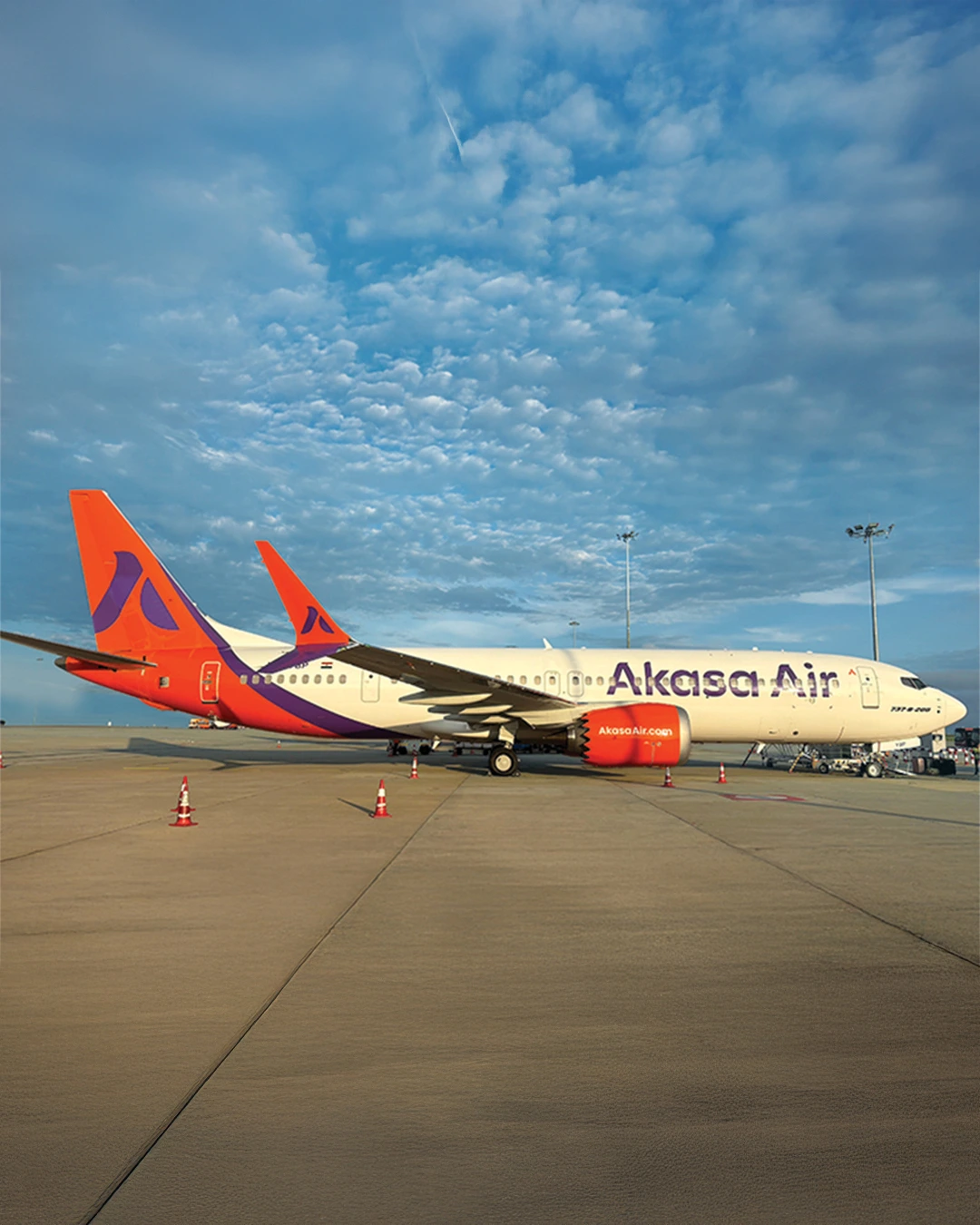
Akasa Air Studies Udan Routes Sector by Sector
Dube confirmed that Akasa Air intends to join UDAN, the government’s affordable regional flying programme, but stopped short of naming specific routes. He said the airline would evaluate each sector on its own merits rather than adopt a blanket approach, according to PTI’s report carried by Telangana Today. This cautious framing matches the airline’s broader pattern of measured expansion rather than rapid route additions.
The timing is notable. Prime Minister Narendra Modi launched the Modified UDAN Scheme on July 4, 2026, at a ceremony in Jodhpur, a day before Dube’s interview. Akasa Air currently serves 28 domestic and seven international cities, and the airline’s UDAN study will determine which of these, or which new markets, fit the scheme’s fare-capped model.

Fleet To Reach 226 Boeing 737 Max Jets by End Of 2032
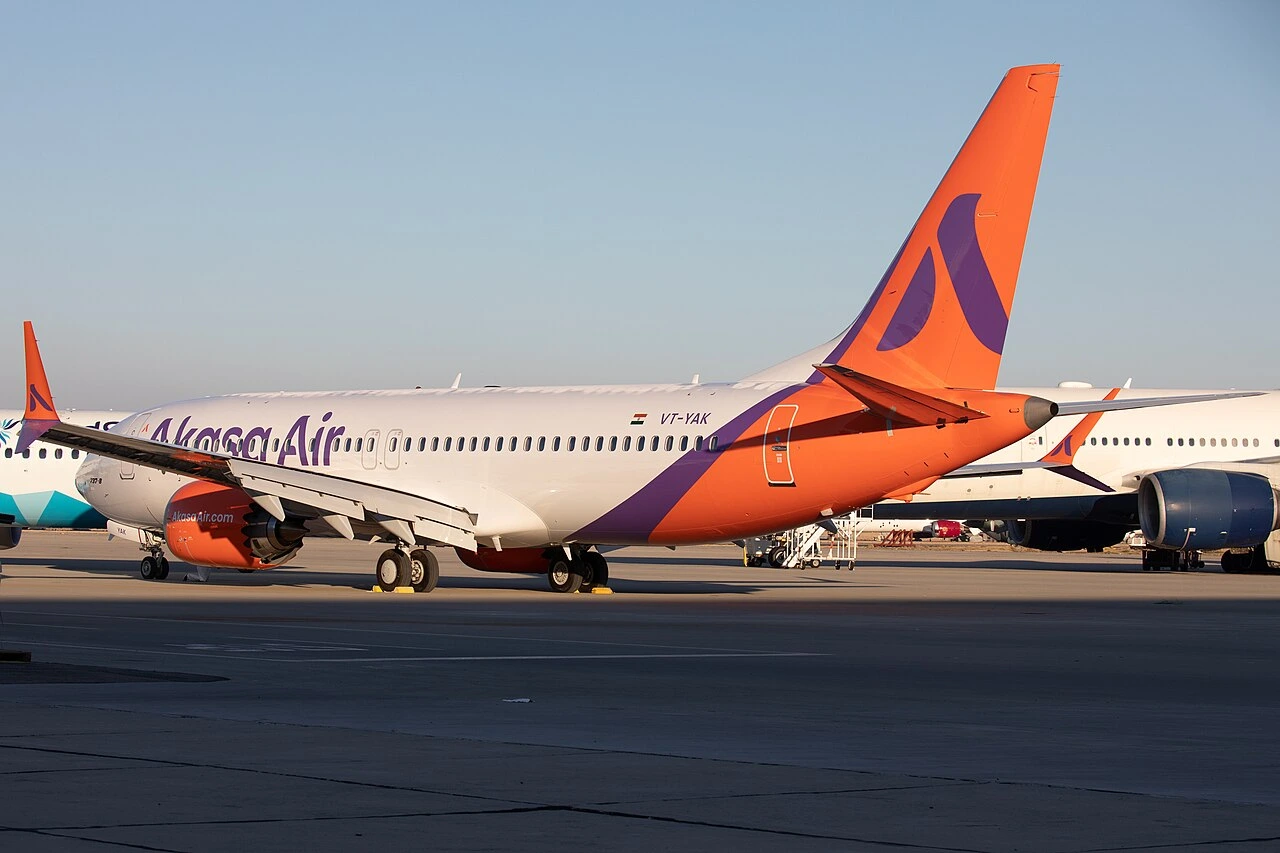
Akasa Air has taken delivery of nine new Boeing 737 MAX aircraft so far in 2026. The airline has firm orders for 226 aircraft in total, and the remaining 186 jets are scheduled to join the fleet by the end of 2032, Dube said. He added that Boeing is meeting its delivery commitments, telling PTI that deliveries keep growing incrementally rather than in unpredictable bursts.
Akasa Air’s order book, placed with Boeing, features aircraft powered by CFM LEAP-1B engines. Key features of the incoming fleet, as described on Akasa Air’s own fleet page, include:
- CFM LEAP-1B engines built for lower fuel burn per seat-mile
- The Boeing Sky Interior, with sculpted sidewalls and LED cabin lighting
- Roughly 50 percent lower external noise than older narrow-body types
- A single aircraft type and single cabin class across the fleet
Dube confirmed this single-type, single-class approach remains deliberate for now, though he said the airline would keep re-evaluating its direction each year based on industry dynamics.
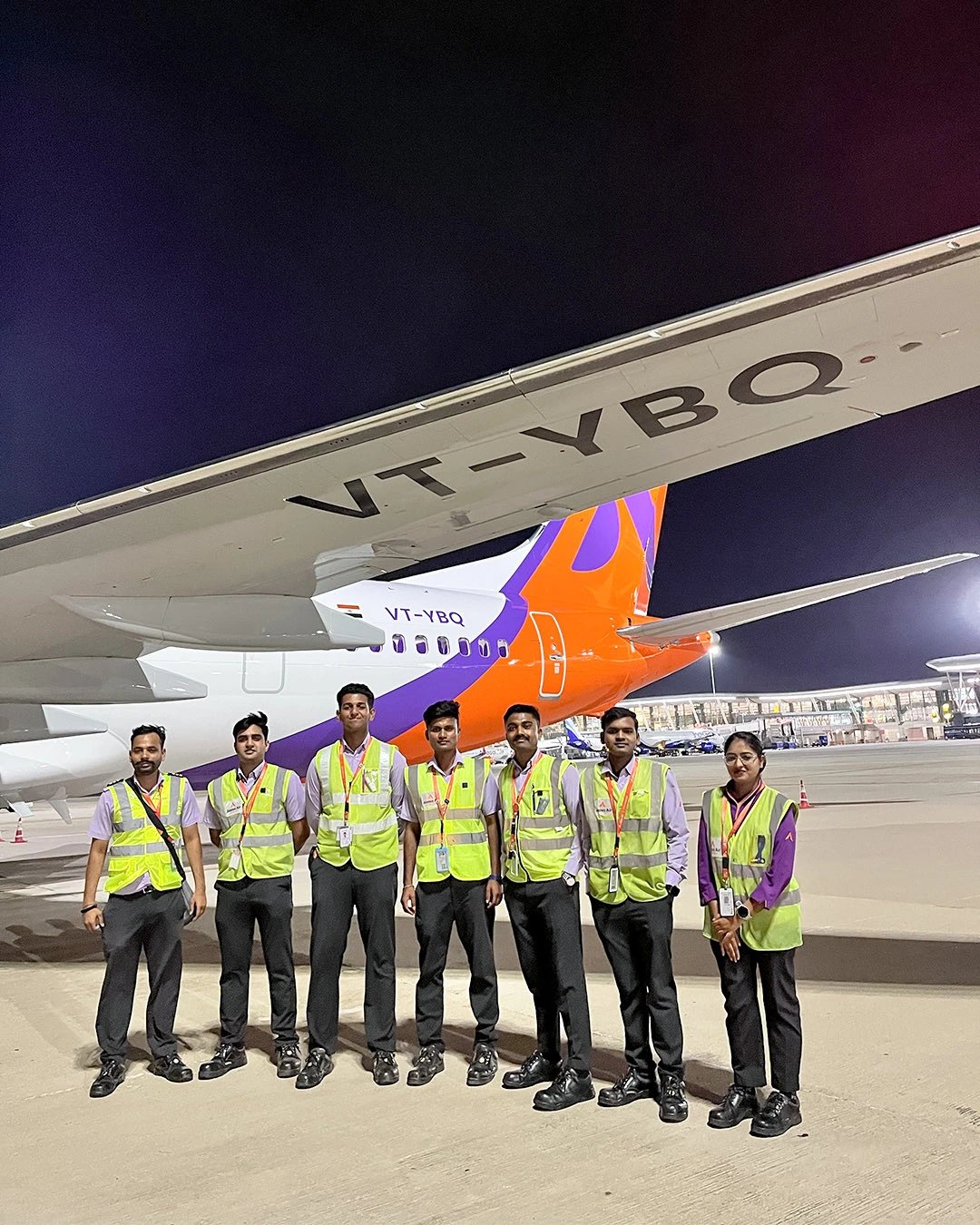
Capacity Growth Targeted At 30 Percent This Financial Year
Akasa Air aims to grow capacity by 30 percent during the current financial year, Dube said. Over the next four to five years, he expects annual capacity growth to settle between 30 and 40 percent. This outlook lines up with an earlier account from August 2025, when the airline marked three years of operations with a 30-aircraft fleet and a stated ambition to expand seat capacity by roughly 30 percent annually through 2032.
What The Modified Udan Scheme Launched on July 4 Covers
The Modified UDAN Scheme carries a budget of roughly ₹28,840 crore over ten years, running through 2036. The scheme seeks to provide air connectivity to unserved and underserved destinations at affordable fares, extending a programme first launched in October 2016.
The revamp follows a Comptroller and Auditor General review that found nearly half of the original scheme’s routes had shut down after their initial subsidy period ended. The new phase allocates a separate ₹12,159 crore toward developing 100 additional aerodromes, aiming to fix the infrastructure gaps that undercut the scheme’s first decade.
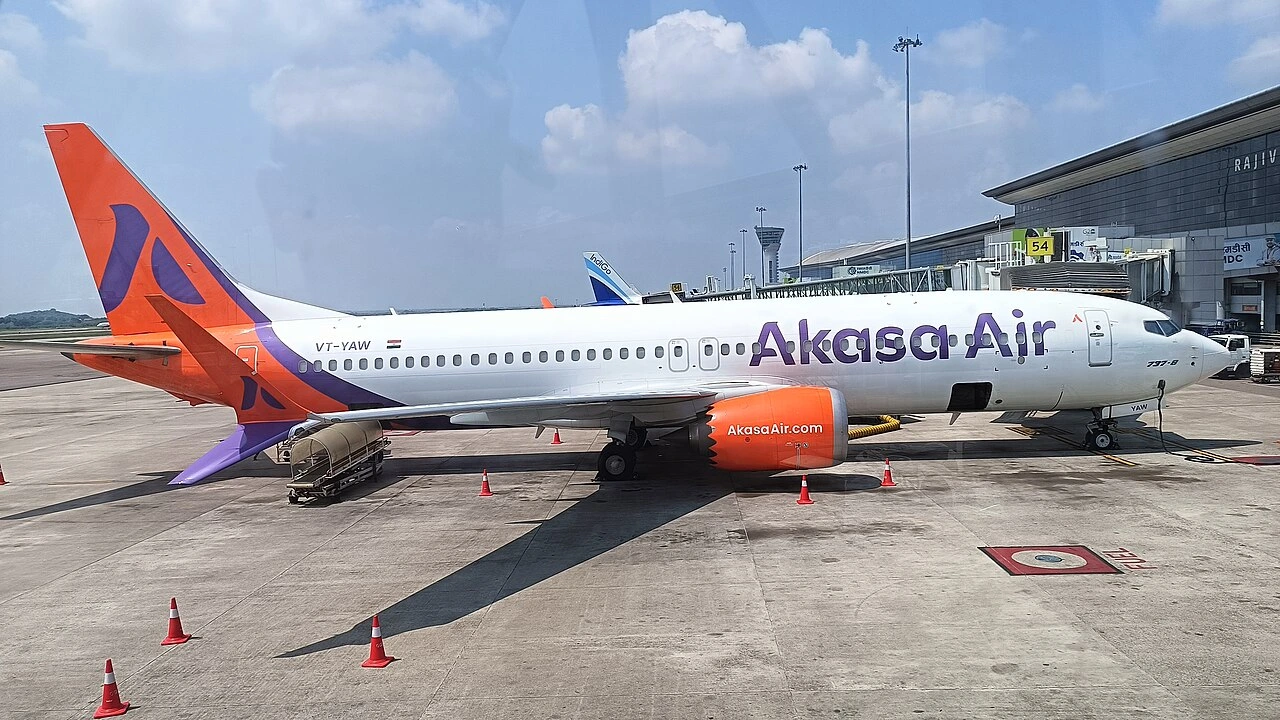
Staffing Discipline Helps Akasa Air Turn Ebitda Positive
A few years ago, delayed Boeing deliveries left Akasa Air with more staff than aircraft to fly. Dube told PTI the airline chose in 2024 to keep its full employee base intact despite the mismatch. “We made the decision in 2024 that we would keep the entire employee base intact, despite us having an employee base… in plans for larger than the actual deliveries that we got. And we are reaping the benefits today,” Dube said.
That patience appears to have paid off. Akasa Air now employs more than 5,000 staff, including over 850 pilots, and turned EBITDA positive between September 2025 and March 2026. The airline remains loss-making overall, though the EBITDA milestone marks a turning point after years of losses tied to slower-than-planned aircraft deliveries.
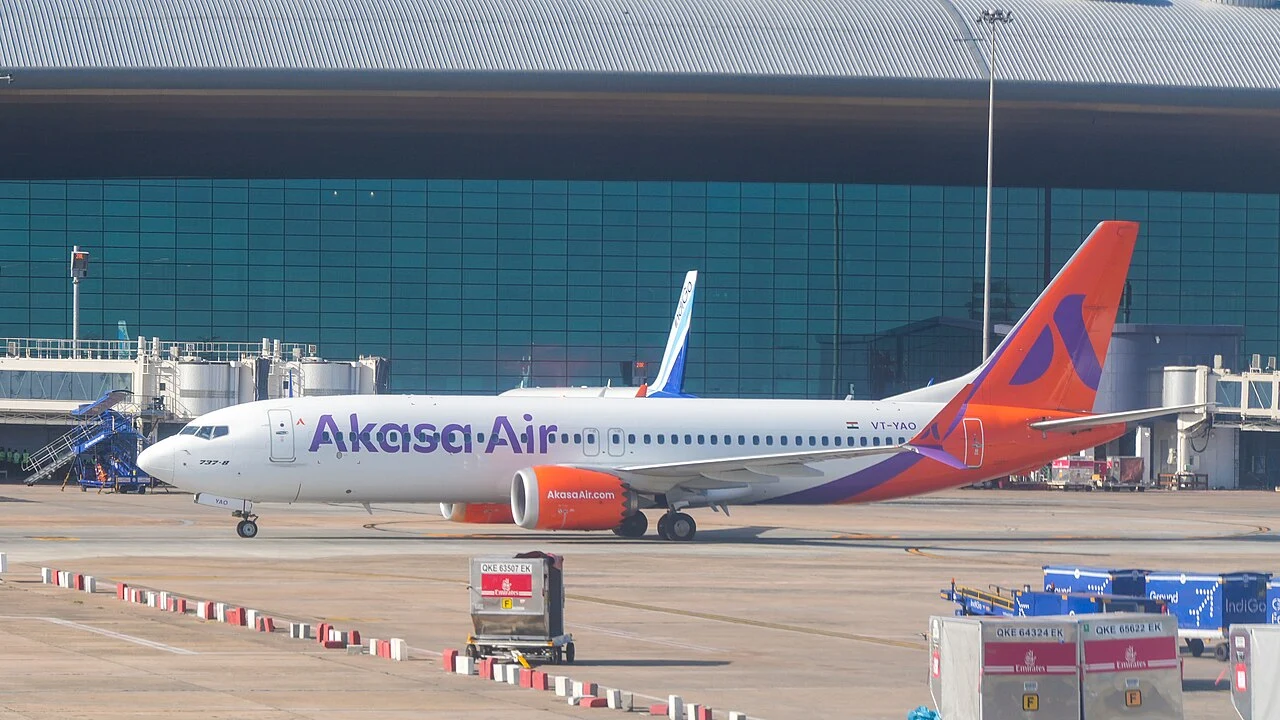
Akasa Air Weighs ATF Price Stabilisation Fund and Eclgs Support
Dube said Akasa Air is still studying whether to join two separate government relief measures: the ATF Price Stabilisation Fund and the Emergency Credit Line Guarantee Scheme (ECLGS) 5.0. Both were introduced this year after aviation turbine fuel prices surged nearly 150 percent between March and May 2026 amid the West Asia crisis.
The Cabinet approved up to ₹10,000 crore in interest-free support for oil marketing companies under the stabilisation fund, aimed at smoothing fuel-price swings for airlines over a 36-month window. Separately, ECLGS 5.0 earmarks ₹5,000 crore in credit support for airlines, with loans of up to ₹1,000 crore per borrower. SpiceJet has already drawn part of its eligible ECLGS limit, while Akasa Air has not yet committed either way.
Dube framed the decision as part of a broader philosophy rather than a one-off choice. “We have a strategy and a direction but we have to re-evaluate it every year and we have to be willing to overturn our worldviews based on what are the dynamics of the industry,” he said, per PTI’s account.


.jpg)

