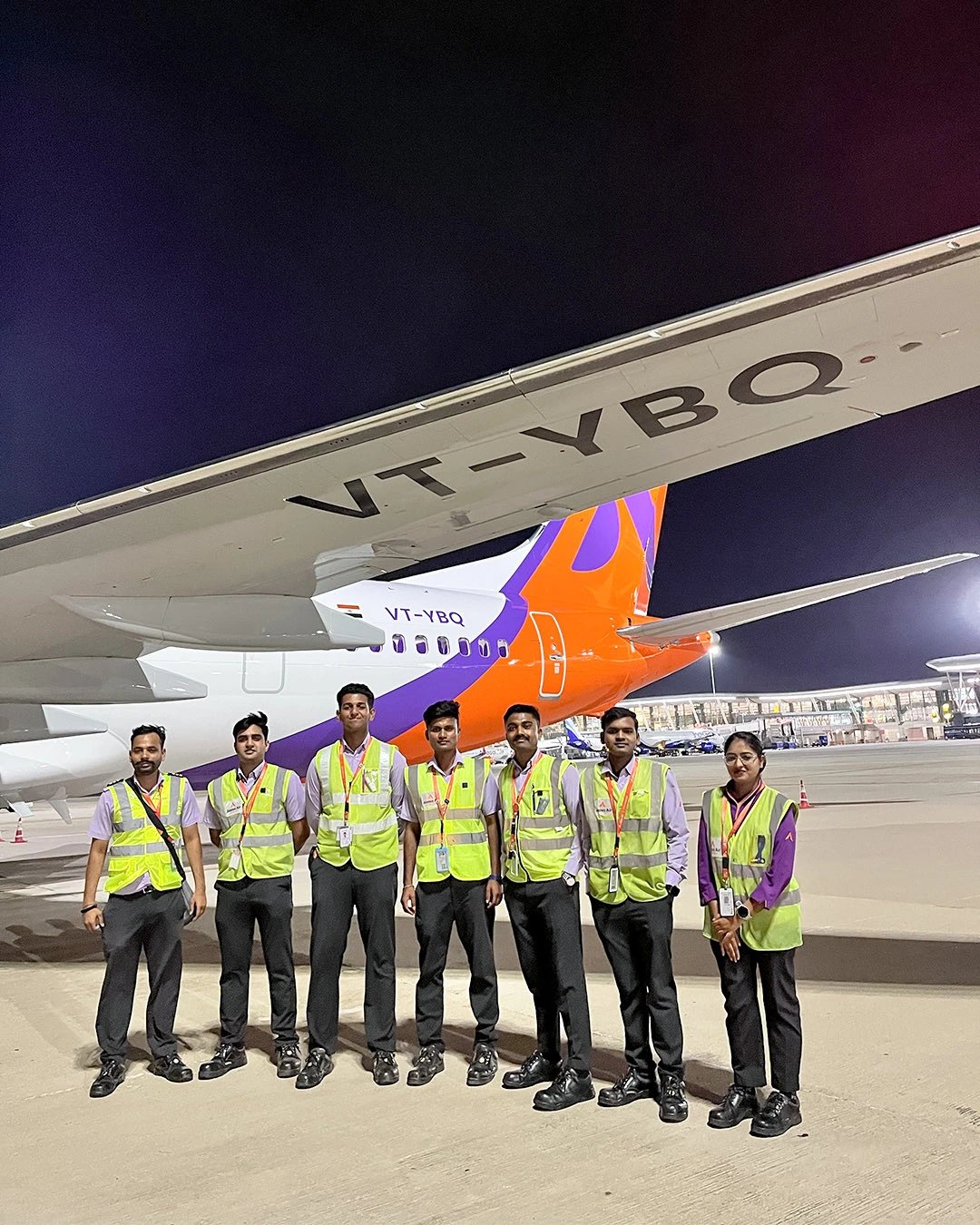
Akasa Air (QP) has taken delivery of its 40th aircraft, a Boeing 737 MAX 8-200 registered VT-YBQ, after the jet completed its Customer Acceptance Flight on 17 June 2026. The aircraft is the ninth Boeing 737 MAX the airline has inducted in 2026 alone. It brings Akasa Air’s total fleet to 40 planes, all of the same 737 MAX family, four years after the airline launched commercial flights in August 2022.
The milestone matters because it marks a shift for the carrier as it is moving from a start-up growth phase into a larger, more established operating scale. The airline has placed a firm order for 226 Boeing 737 MAX jets, and its Chief Financial Officer, Ankur Goel, said the carrier expects to keep growing capacity by 30 to 40 percent a year for the next five years, according to Business Standard.
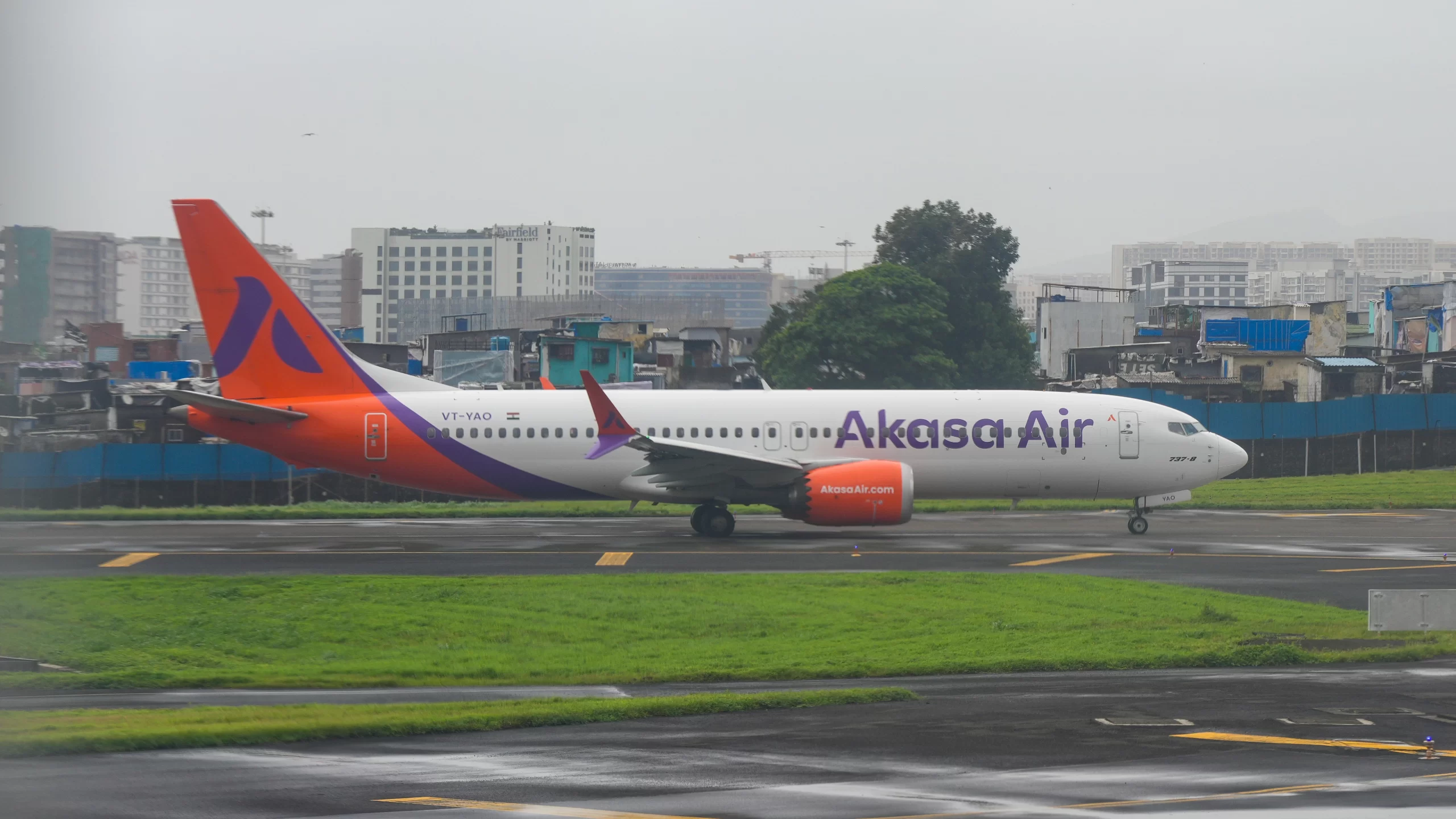
Boeing 737 MAX 8-200 Becomes Akasa Air’s 40th Tail Number
The new aircraft cleared its Customer Acceptance Flight, the final check performed jointly by the airline and Boeing before a jet enters revenue service, on 17 June 2026. It follows the airline’s 39th aircraft, also a Boeing 737 MAX 8-200, which arrived in India on 22 June carrying registration VT-YBP.
That aircraft’s delivery flight ran from Seattle to Reykjavik, then from Cairo to Kempegowda International Airport (BLR) in Bengaluru, according to a statement carried by Business Standard.
The 40th aircraft continues that same delivery pattern, since Boeing builds all Akasa Air 737 MAX jets at its Renton facility near Seattle before ferrying them to India.
Akasa Air has now added nine aircraft to its fleet in 2026 alone, a faster pace than the eight it added across the whole of the previous financial year, according to Business Standard’s reporting on the airline’s FY26 fleet count.
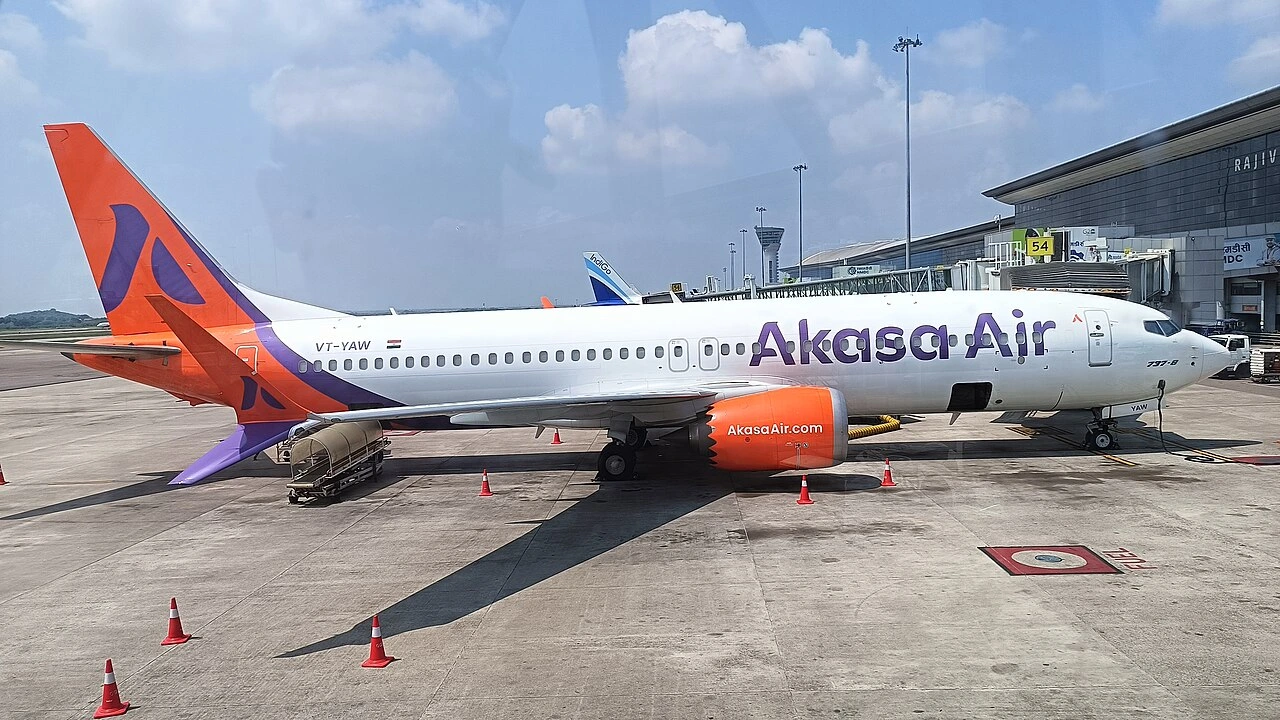
Fleet Growth Reflects Akasa Air’s Broader Expansion Plan
Akasa Air’s order book remains the central fact behind its rapid growth. The airline has a firm commitment for 226 Boeing 737 MAX aircraft, of which 187 are still due for delivery over the next six years, Business Standard reported. That order, placed in November 2021, was one of the largest single aircraft orders ever made by a new airline at launch.
The Boeing 737 MAX 8-200 is the high-density version of the MAX 8, built for low-cost carriers that want more seats on short and medium-haul routes. Key features of the type, as described by Boeing, include:
- A denser cabin layout that adds roughly 11 more seats than a standard 737 MAX 8
- CFM LEAP-1B engines that cut fuel burn by around 14 percent compared with the previous-generation 737NG
- A 50 percent smaller noise footprint than the 737-800, aided by chevron-designed engine nacelles
- A single aircraft type across the fleet, which simplifies pilot training and lowers maintenance costs
On 23 June 2026, CFO Ankur Goel told Business Standard that Akasa Air’s revenue rose 37 percent in the fiscal year ended March 2026, and that unit revenue grew about 10 percent even as the airline expanded quickly. Goel also said Akasa Air’s EBITDA margins improved 60 percent during the same period, and that the carrier turned EBITDA-positive between September 2025 and March 2026.
Goel additionally addressed the airline’s Boeing relationship directly, dismissing concerns about reliance on a single manufacturer amid wider industry supply issues. As reported by Business Standard, he said: “Our trust on Boeing has only increased from what it was earlier. Boeing has been a great partner.” That comment carries weight because Akasa Air, unlike some rivals, has not diversified into wet leases or a second aircraft type to manage delivery risk.
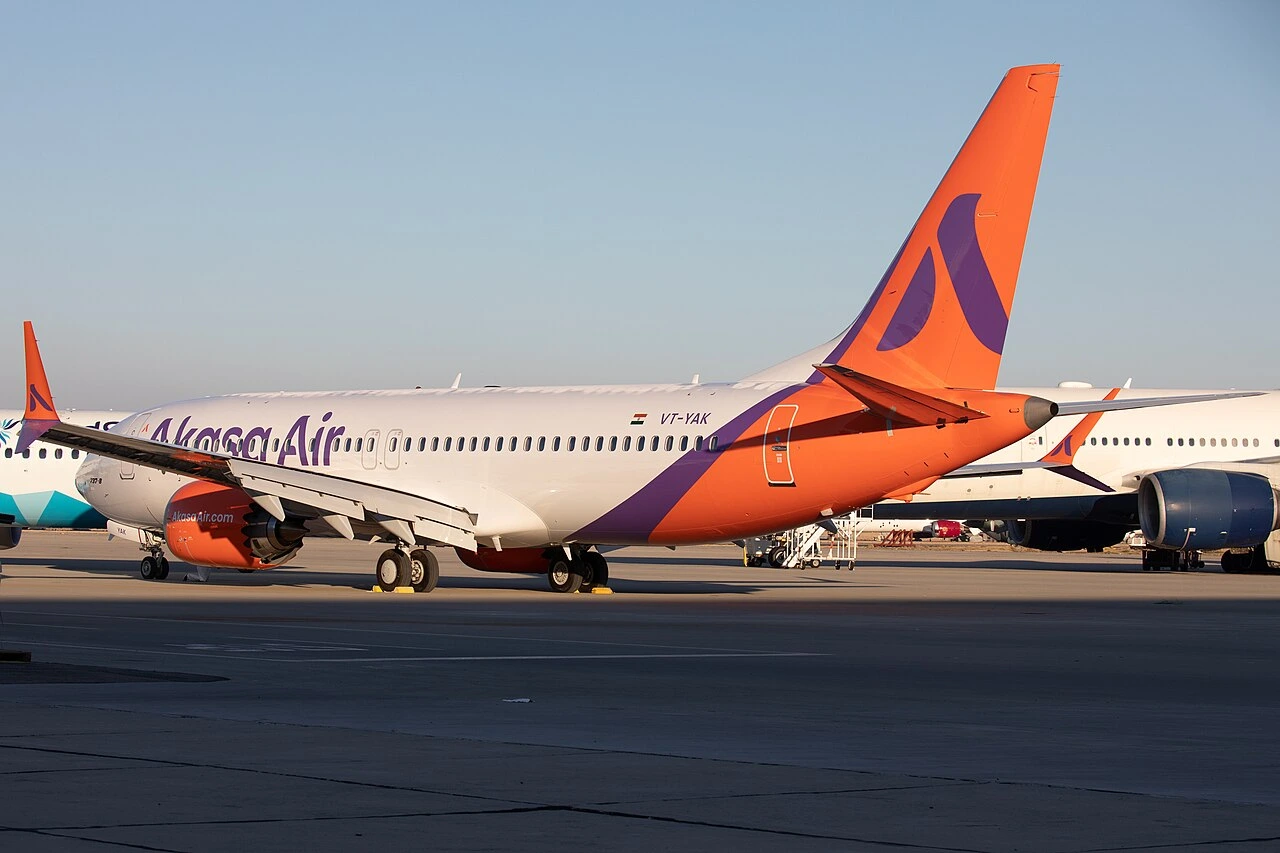
Why the Fleet Milestone Signals a New Operating Phase
Analysts and coverage of the airline’s growth point to concrete operational gains once a carrier passes the 40-aircraft mark. A larger fleet gives an airline more flexibility to redeploy jets between hubs, hold spare aircraft for unscheduled maintenance, and increase flight frequency on its busiest routes without needing every aircraft in the air at once.
For Akasa Air, that flexibility comes at a point when the airline is also managing external pressure. Goel told Business Standard that rising aviation turbine fuel prices and the closure of Pakistani airspace to Indian carriers have created short-term headwinds for the industry. He noted, however, that Akasa Air’s international routes are centred on Mumbai and Bengaluru rather than Delhi, so those specific flights do not cross Pakistani airspace.
Akasa Air currently serves around 34 destinations, including seven international cities, and plans to add Southeast Asian markets such as Hanoi in the coming months. The airline’s international capacity accounted for about 25 percent of total capacity in FY26.
Bottom Line
The fleet expansion is also unfolding against the backdrop of Akasa Air’s stated ambition to go public. Goel told reporters in New Delhi that an initial public offering remains “a question of when,” not if, with a likely window of two to four years tied to milestones including sustained profitability and positive cash flow.


.jpg)