The Royal Australian Air Force (RAAF) opened Exercise Pitch Black 2026 in Darwin on July 20, bringing together roughly 2,500 personnel and up to 100 aircraft from 21 allied and partner nations. The biennial exercise runs through August 7 across RAAF Bases Darwin and Tindal in the Northern Territory and RAAF Base Amberley in Queensland.
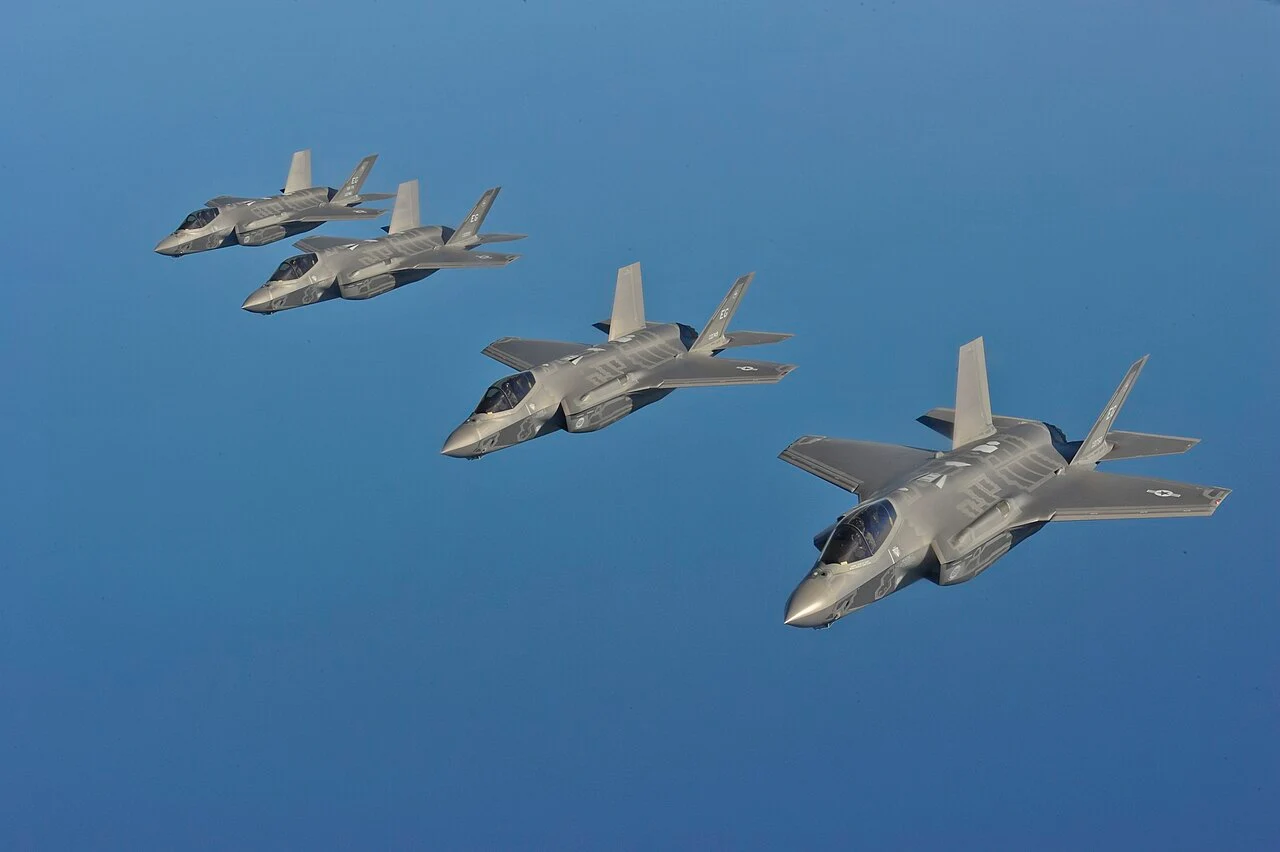
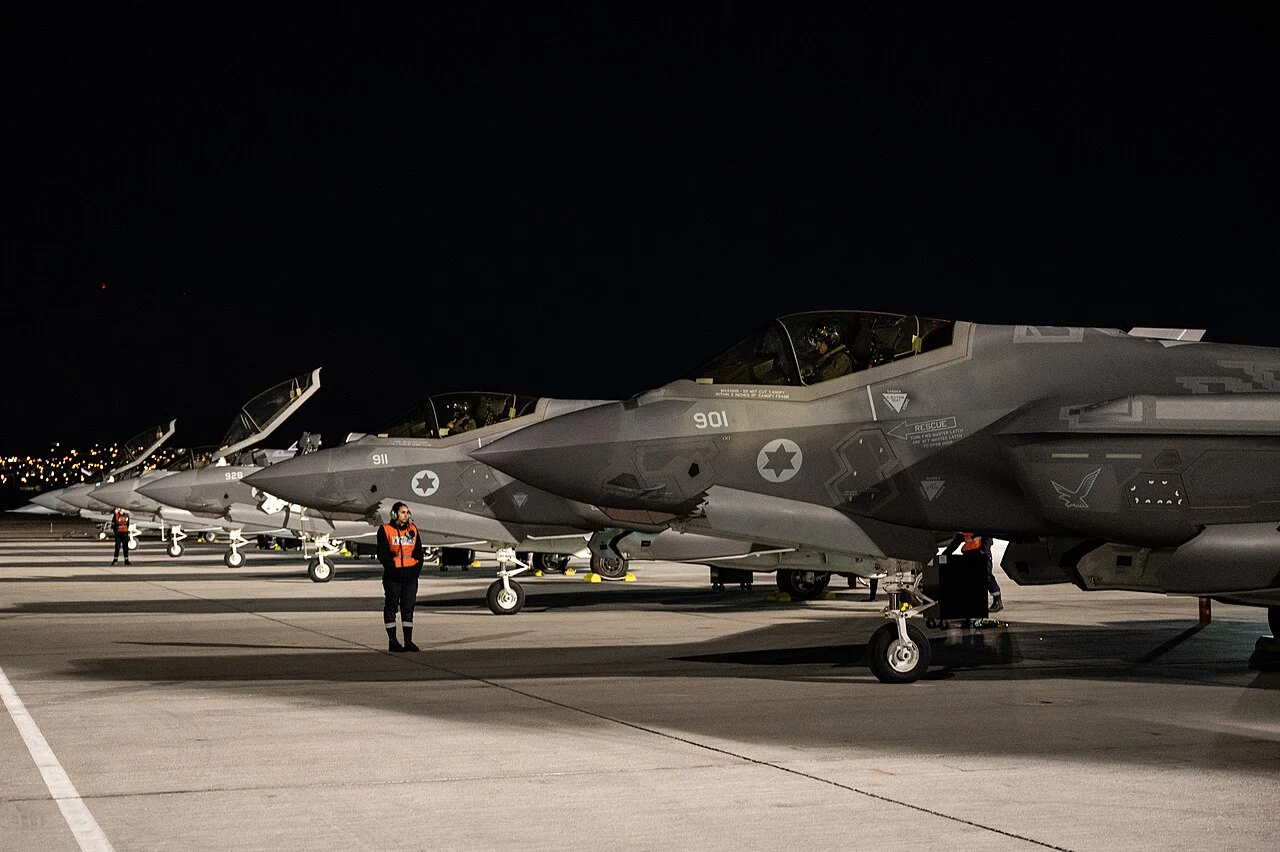
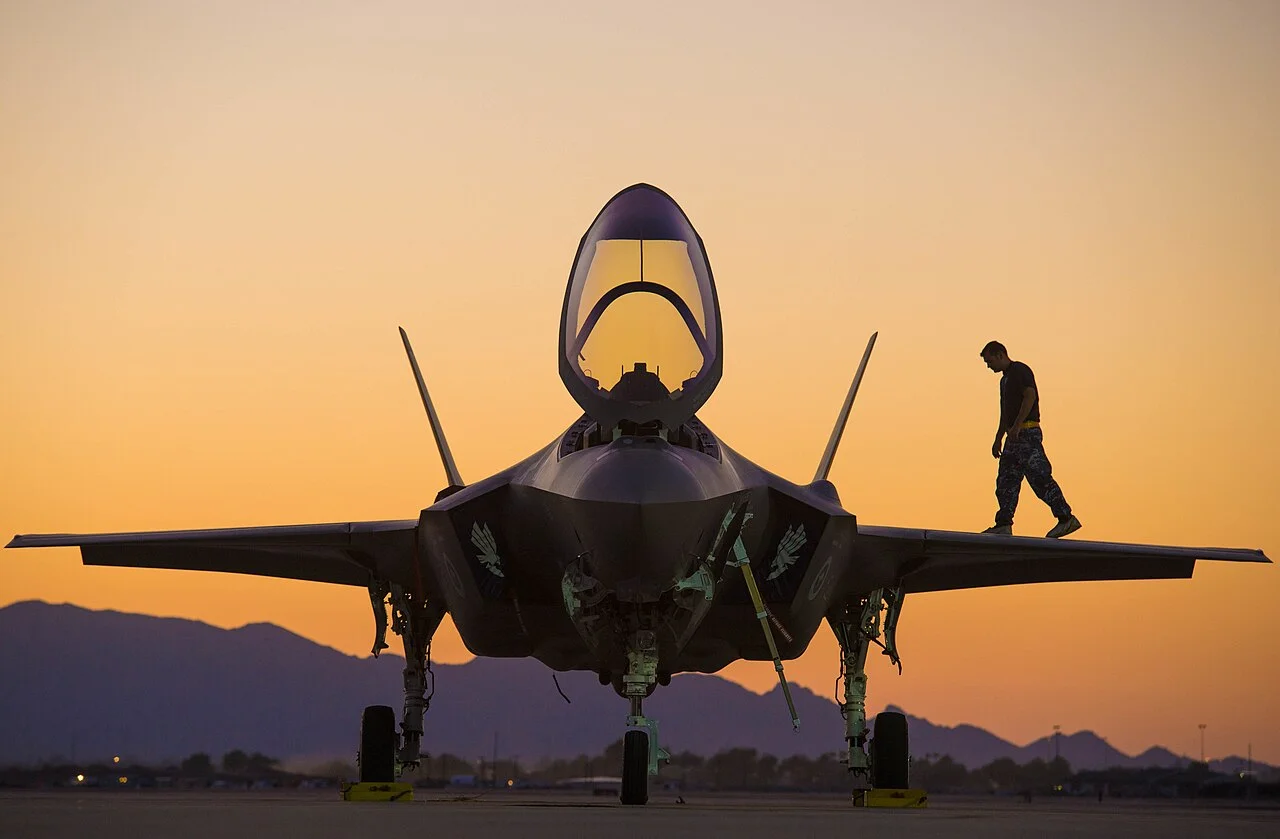
Australian Prime Minister Anthony Albanese opened the drills in Darwin, telling personnel that the country is strongest when it works with other nations. American, Australian, and Japanese F-35A Lightning II fighters are flying together as part of the exercise, alongside a wide mix of allied fighters, tankers, and support aircraft.
Why This Year’s Exercise Is a First
Pitch Black has run from Darwin since 1983, but the 2026 edition includes several firsts. The exercise marks the first time Japan’s Air Self-Defense Force (which has one of the largest F-35 fleets) has brought its F-35A Lightning II jets to the drill, alongside Indonesian T-50i Golden Eagle aircraft making their own debut appearance.
The exercise also folds in embedded personnel from Finland and Sweden for the first time, reflecting both countries’ recent entry into NATO and growing engagement with Indo-Pacific partners. Aircraft-contributing nations this year include the United States, Japan, Papua New Guinea, Indonesia, the Philippines, Thailand, South Korea, India, Singapore, Germany, France, and Spain.
Who Is Flying What and from Where
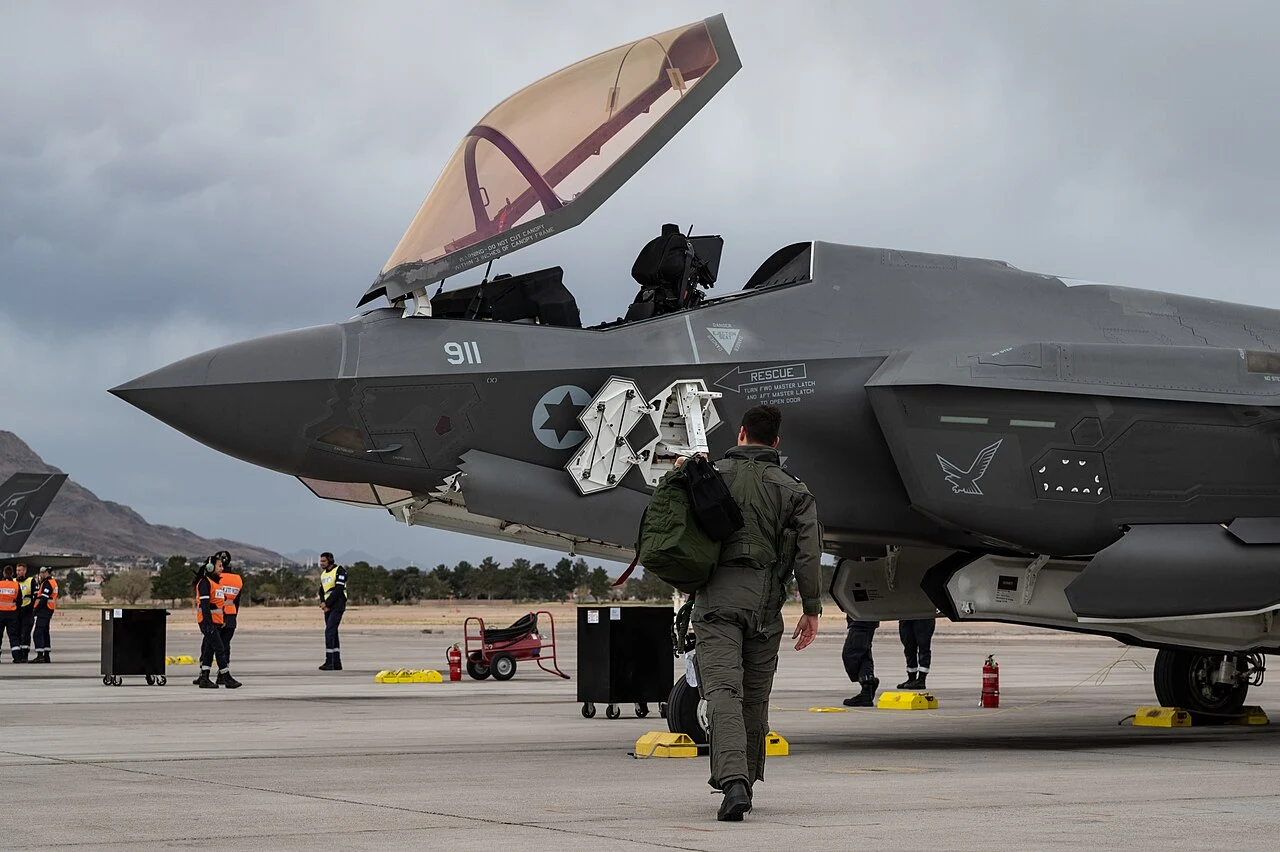
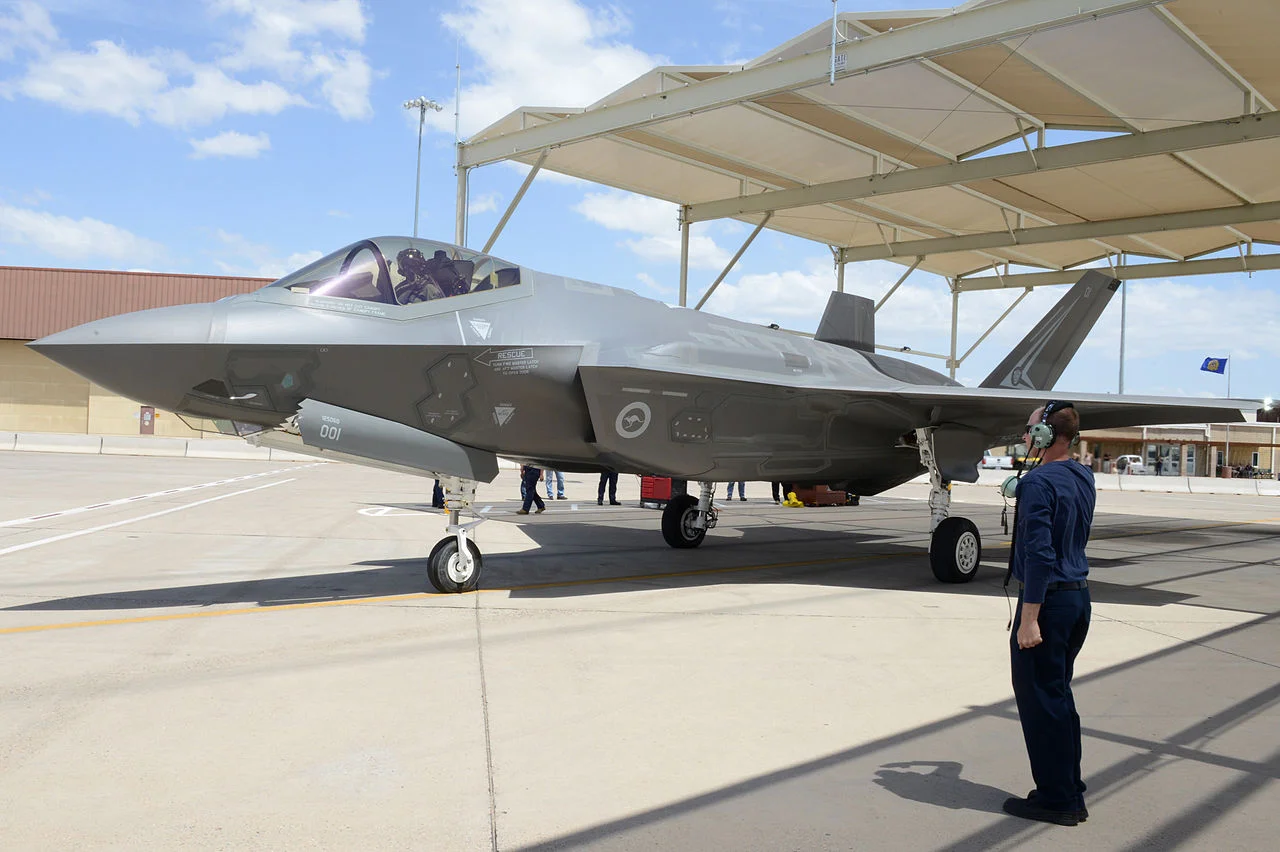
U.S. F-35As are operating from RAAF Base Tindal, while Japan’s F-35As are flying from RAAF Base Darwin. Australian F-35As are based at both locations, and Pacific Air Forces (PACAF), based in Hawaii, did not respond to questions about how many U.S. airmen or aircraft deployed for the exercise.
The exercise’s aircraft mix extends well beyond stealth fighters. Notable platforms taking part include:
- F-35A Lightning II
- F-16 Fighting Falcon, F/A-18F Super Hornet, and Eurofighter Typhoon
- KC-135 Stratotanker and C-130J Super Hercules
What Officials Are Saying
Exercise commander Air Commodore Matthew McCormack said Exercise Pitch Black is primarily focused on warfighting and large-force employment missions. The exercise brings together fighter aircraft, intelligence, surveillance and reconnaissance (ISR) platforms, air mobility assets, and command-and-control elements in complex scenarios designed to reflect the demands of modern air combat.
McCormack said the exercise gives participating aviators and international partners exposure to challenging air combat scenarios while strengthening their ability to operate together. PACAF similarly described Pitch Black as one of the world’s largest and most complex air combat exercises, emphasizing its role in strengthening U.S. alliances and improving operational readiness across the region.
Australia’s Own Stake in the F-35 Program
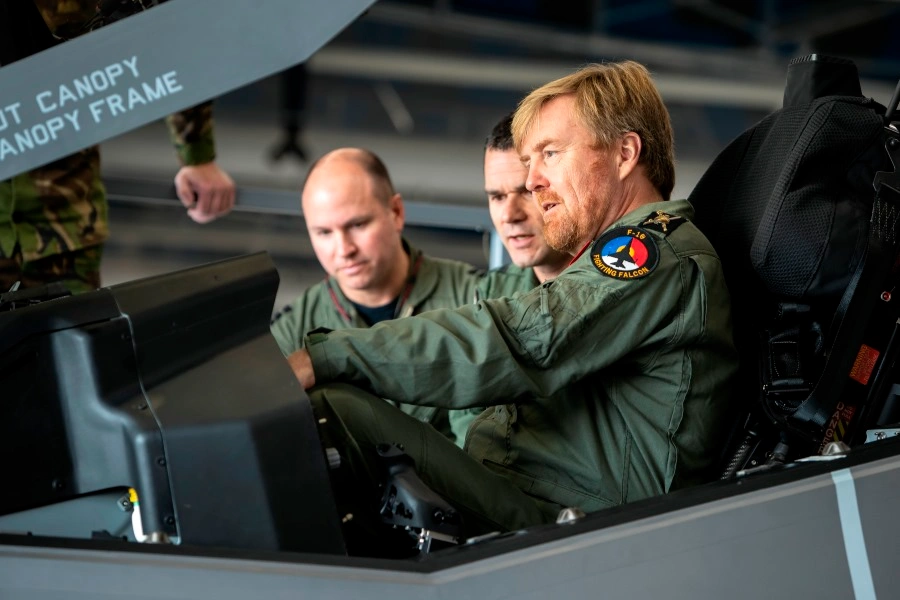
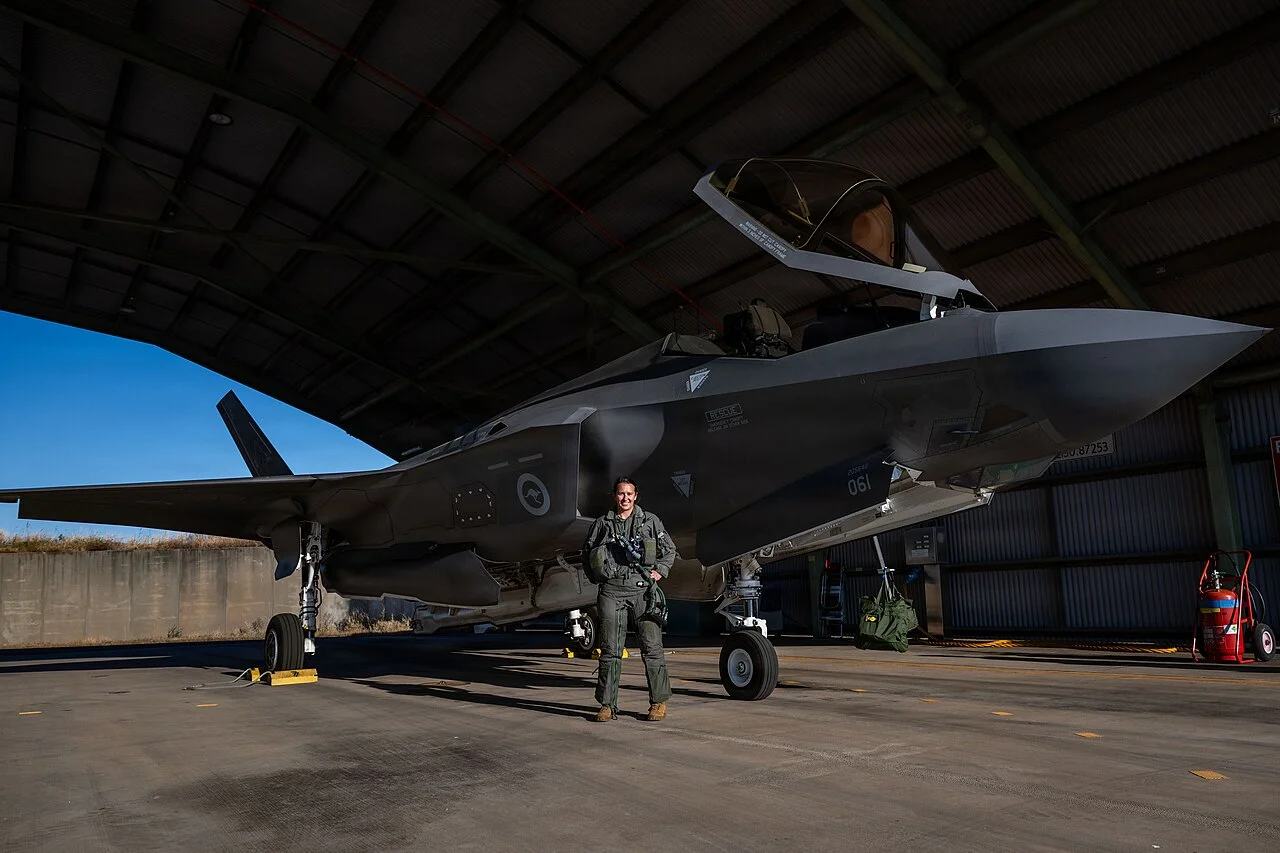
Australia has flown the F-35A since 2014, when the RAAF became one of the type’s earliest international operators outside the United States. That history gives the host nation particular weight in an exercise built around the jet.
- The RAAF’s F-35As are configured for conventional takeoff and landing, and Australian pilots train on the type at Luke Air Force Base in the United States before returning home.
- Australia’s fleet flies from bases including Williamtown, Tindal, and Darwin, giving the RAAF flexibility to disperse aircraft across the exercise’s northern training areas.
- The jet’s sensor fusion and stealth shaping let Australian, American, and Japanese pilots share a common tactical picture in real time, a capability central to Pitch Black’s large-force scenarios.
A Four-Decade History in the Northern Territory
Pitch Black’s roots go back further than its current scale suggests. The exercise began as a three-day air defense drill at RAAF Base Williamtown in June 1981, using Mirage III fighters and F-111 bombers flying from Amberley and Richmond. It moved to Darwin for the first time in May 1983 and has been hosted there for more than four decades since.
That growth trajectory continued this year, with organizers describing the 2026 edition as the RAAF’s largest collective training activity with partners and allies to date. Embedded personnel from the United Kingdom, New Zealand, Fiji, Canada, Brunei, and Malaysia round out the international presence alongside the aircraft-contributing nations, reflecting a guest list that now stretches well beyond Australia’s immediate region.
How Pitch Black Fits a Busier Regional Calendar
Pitch Black did not emerge in isolation. It follows directly on from Exercise Southern Cross, a new trilateral drill between the United States, Australia, and Japan that ran from July 6 to 17 at the same Darwin and Tindal bases, involving roughly 1,000 personnel and 40 aircraft.
Southern Cross carried its own geopolitical backdrop. The exercise launched the same day China test-fired a nuclear-capable submarine-launched ballistic missile into the South Pacific, an event that drew complaints from the United States, Australia, New Zealand, Japan, the Philippines, Taiwan, and the Solomon Islands.
Australian air force chief Air Marshal Stephen Chappell said at the time that the drill was about team building rather than targeting any one country, but added that it remained important to continue deterring actions that could undermine Indo-Pacific security and stability.
Southern Cross also delivered a technical milestone that feeds directly into Pitch Black: the first combined rearming and refueling of F-35s by mixed American, Australian, and Japanese ground crews, described by analysts as a shift from interoperability toward full interchangeability between allied fleets.
What Comes Next
Exercise Pitch Black 2026 continues through August 7, with flying complexity set to increase as the three-week period progresses. The Australian Defence Force has scheduled a Mindil Beach Flying Display on July 23 and a RAAF Base Darwin Open Day on August 1 to give the local community a closer look at the exercise before it wraps up.
Neither the RAAF nor PACAF has indicated whether the trilateral rearming and refueling procedures tested during Southern Cross will be repeated at Pitch Black’s larger scale, though officials from all three air forces have described this year’s drills as building toward deeper integration in future exercises.