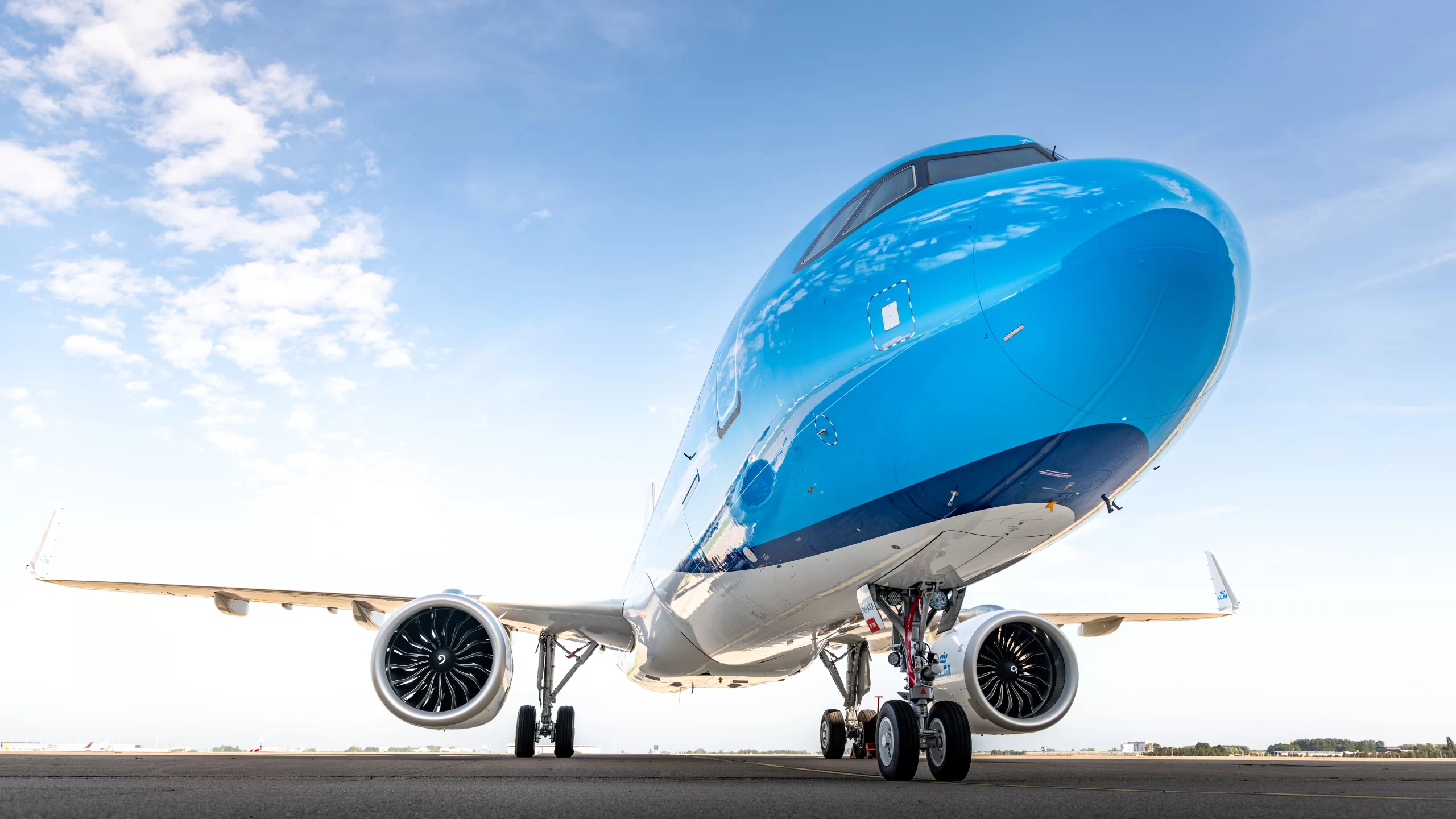
King Willem-Alexander of the Netherlands flew his first commercial service as a qualified pilot of the Airbus A321neo on 17 June 2026, operating KLM Royal Dutch Airlines (KL) flights KL1373 and KL1374 between Amsterdam Airport Schiphol (AMS) and Henri Coandă International Airport (OTP), Bucharest. The aircraft, registered PH-AXC, marked the King’s transition onto a new type following a formal retraining programme, aviation24.be reported. He obtained his A321neo type rating on 6 June 2026, less than two weeks before taking the controls on a scheduled revenue service.
The inaugural Airbus A321neo service also lands at a pivotal moment in KLM’s history. The airline is executing a €7 billion fleet renewal programme that replaces its entire European Boeing 737 fleet with the Airbus A320neo family. The King, who has flown as a guest co-pilot for KLM since 1996, flew his final Boeing 737 service on 11 March 2026. His first A321neo commercial flight therefore doubles as both a personal milestone and a symbol of the wider transition underway at Europe’s oldest continuously operating airline.
The Pilot King Spent Three Decades in the KLM Cockpit
King Willem-Alexander has held a Private Pilot’s Licence since 1985 and a Commercial Pilot’s Licence since 1987. He earned his Airline Transport Pilot Licence (ATPL) in 2001, the highest civil aviation certificate available. He also holds a Military Pilot’s Licence, which was presented to him by his grandfather, Prince Bernhard, in 1994.
The King began flying part-time for KLM in 1996 and accumulated flight hours to keep his qualifications current alongside his royal duties. His commercial flying role remained largely unknown to the public until May 2017, when he disclosed to Dutch newspaper De Telegraaf that he had flown as a guest pilot on KLM Cityhopper services for 21 years — approximately twice monthly. He flew under the alias “Meneer van Buren”, a traditional Dutch royal pseudonym, blending into the crew in standard uniform.
From mid-2017 onwards, he averaged approximately three commercial flights per month. His role aboard the government aircraft — registration PH-GOV, a Boeing 737 Business Jet — also continued in parallel, with the King serving as co-pilot on official state journeys.
The King Transitioned from the 737 To the A321neo
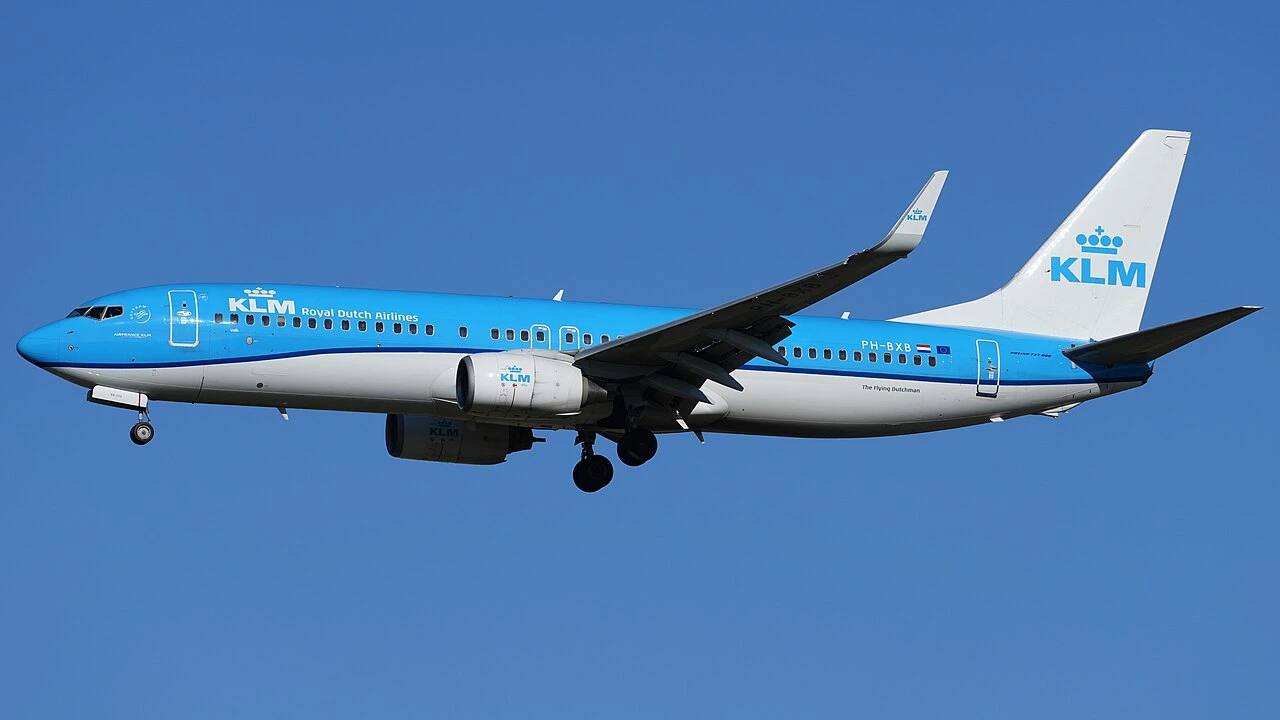
The King’s move to the A321neo mirrors the broader transition at KLM. He flew his last Boeing 737 service on 11 March 2026, a date confirmed by the Royal House of the Netherlands. On the Royal House Instagram account, the King reflected on the aircraft, stating: “Over the years, we have transported so many passengers from A to B on the 737. This mix of people and moments made flying special.”
He subsequently undertook conversion training to qualify on the new Airbus type. The Government Information Service (RVD) confirmed the 11 March retirement date to the Dutch press agency ANP. The King received his A321neo type rating on 6 June 2026, after which he was cleared to operate the aircraft on commercial services.
According to aviospace.org’s earlier reporting, this is the second time the King has had to retrain due to a KLM fleet change. He previously transitioned from the Fokker 70 to the Boeing 737 in 2017 when KLM Cityhopper retired the Fokker type. The A321neo transition follows the same pattern — a working pilot adapting to whichever aircraft the airline puts on its European network.
The AMS–OTP Route And the Significance Of PH-AXC
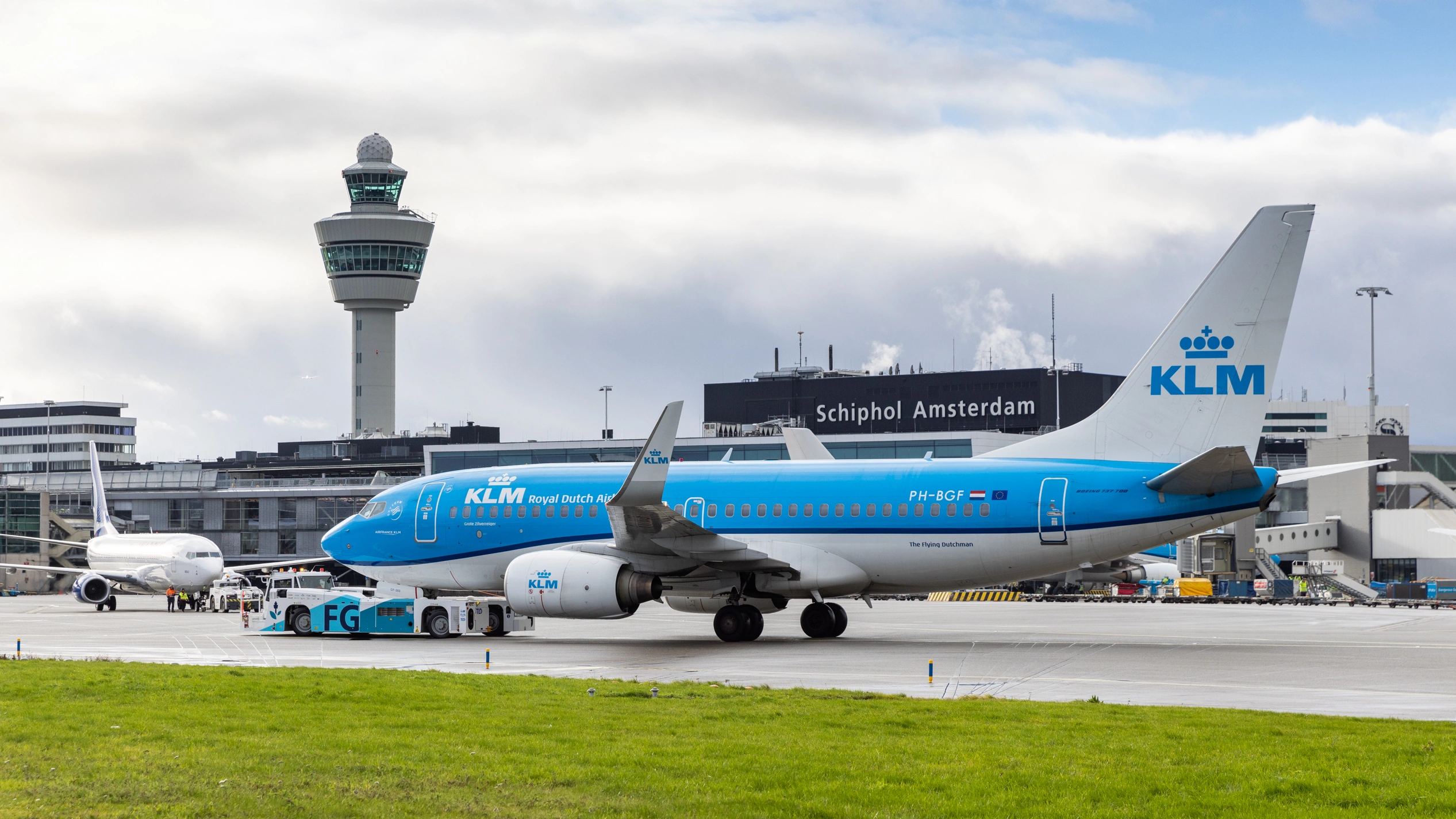
Flight KL1373 departs Amsterdam Schiphol at 09:25 CEST and arrives at Henri Coandă International Airport at 13:00 EEST, a journey of approximately three hours and thirty-five minutes. The return service, KL1374, departs Bucharest at 14:00 EEST and arrives in Amsterdam at 15:55 CEST. Both flights operate daily and are sold as codeshares with Delta Air Lines (DL), TAROM (RO), and SAS Scandinavian Airlines (SK).
The aircraft used for the inaugural service, PH-AXC, is an Airbus A321neo configured for 227 passengers. KLM had received its first A321neo, PH-AXA, in August 2024 and the type entered commercial service in September 2024 on the AMS–Copenhagen (CPH) route. By February 2026, 12 A321neos were active in the KLM fleet.
Amsterdam is among the most popular international routes from Henri Coandă International Airport, alongside London, Istanbul, and Vienna. The Bucharest route provides KLM access to one of Central Europe’s fastest-growing aviation markets, with Romania’s capital served by 35 airlines from 130 airports worldwide as of June 2026
Why KLM Chose the A321neo?
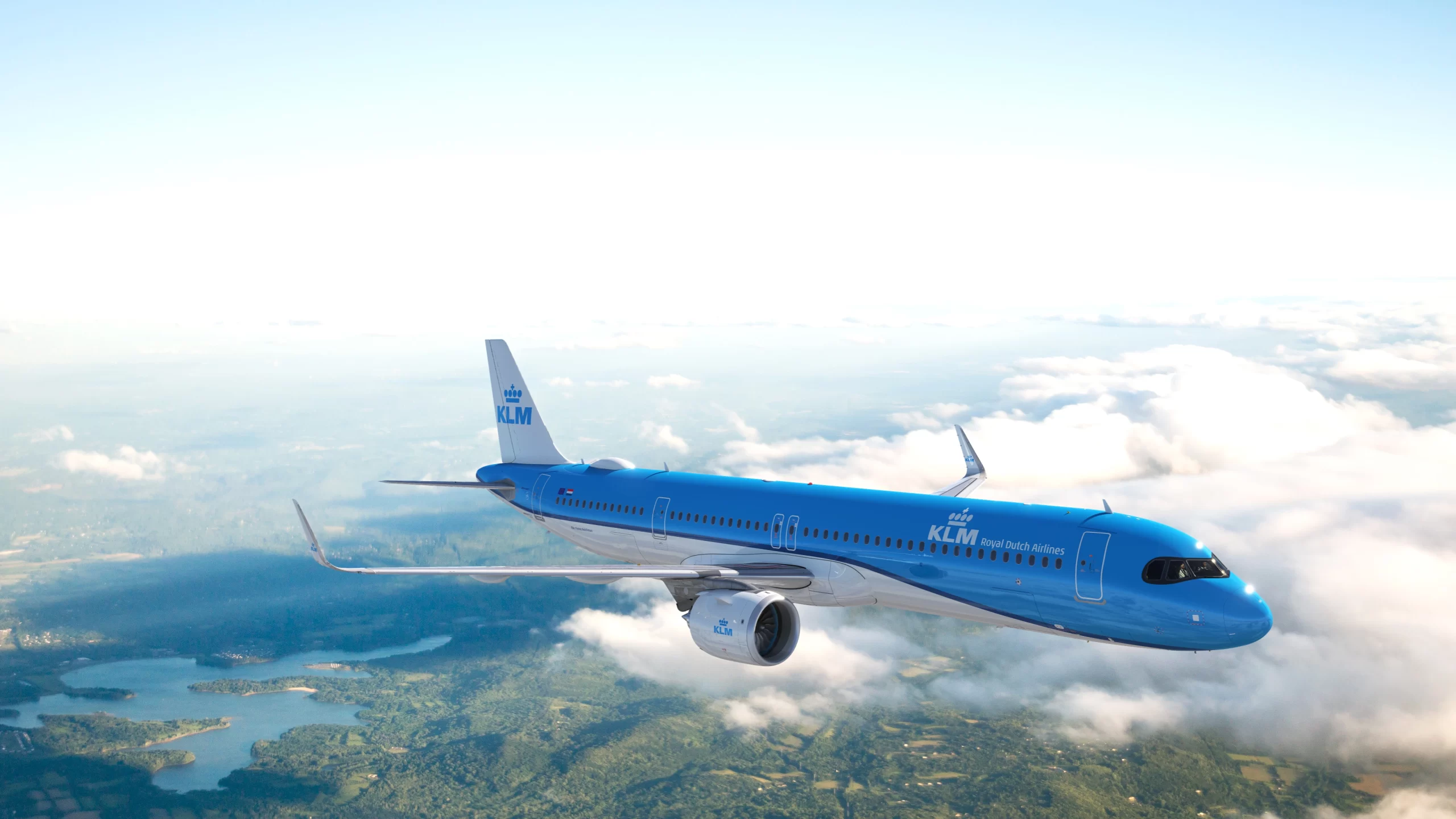
KLM selected the Airbus A320neo family in December 2021 as part of a group-level Air France-KLM order for 100 aircraft with options for 60 more. The decision replaced Boeing 737NGs across European routes and was driven by four strategic factors:
- 50% lower noise footprint compared with the Boeing 737NG — critical for KLM’s Amsterdam Schiphol hub, which faces sustained regulatory pressure to reduce noise and flight movements.
- Up to 15% reduction in fuel burn and CO₂ emissions per seat compared with the outgoing Boeing 737.
- 21% better fuel efficiency per passenger tonne kilometre according to KLM’s own press release on the first A321neo delivery.
- Higher seat count: The A321neo’s 227-seat configuration allows KLM to carry more passengers on busy routes while remaining within Schiphol’s capacity constraints.
The first KLM Boeing 737-800 was retired in December 2025, with a second following in January 2026 — both directed to Twente Airport for dismantling and component recovery. KLM’s fleet manager was quoted by Aerospace Global News as saying:
“The new A321neos we’re getting are much quieter compared to the 737, far more fuel-efficient, so it’s a huge step forward. They can also carry a few more passengers, which is great for our network.”

_PH-BXB_(DSC07657).jpg)